



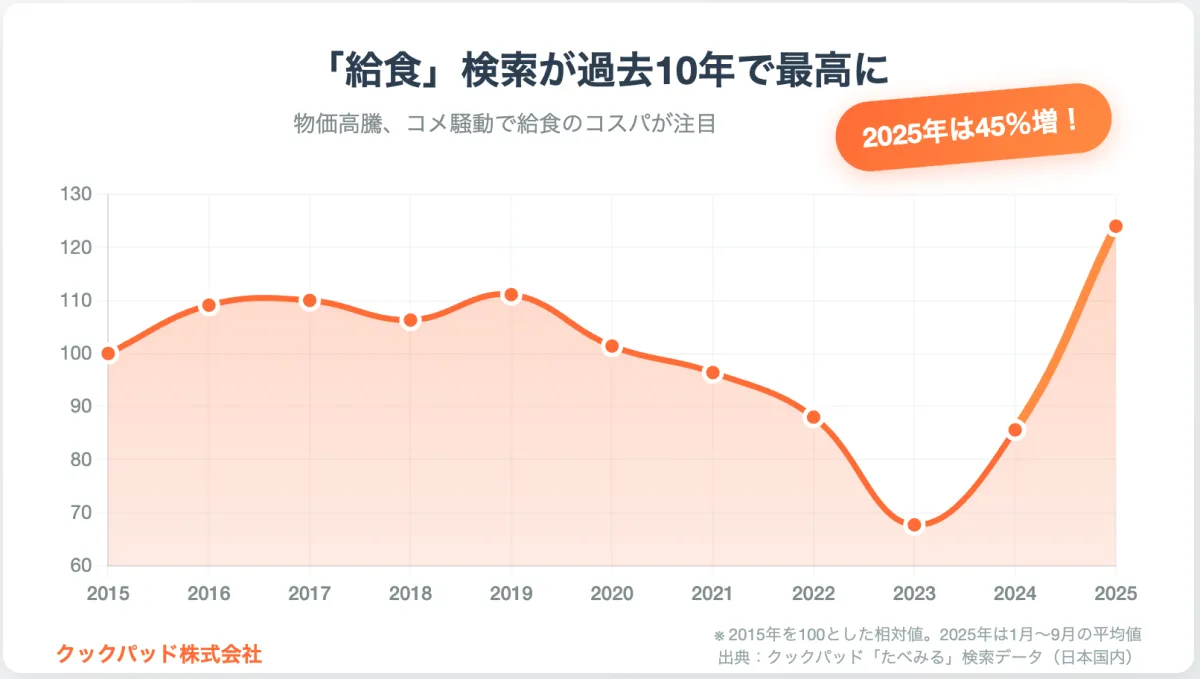
Surge in School Meal Recipe Searches Reflects Families' Focus on Cost-Effective Nutrition Strategies
The Rising Interest in School Meal Recipes
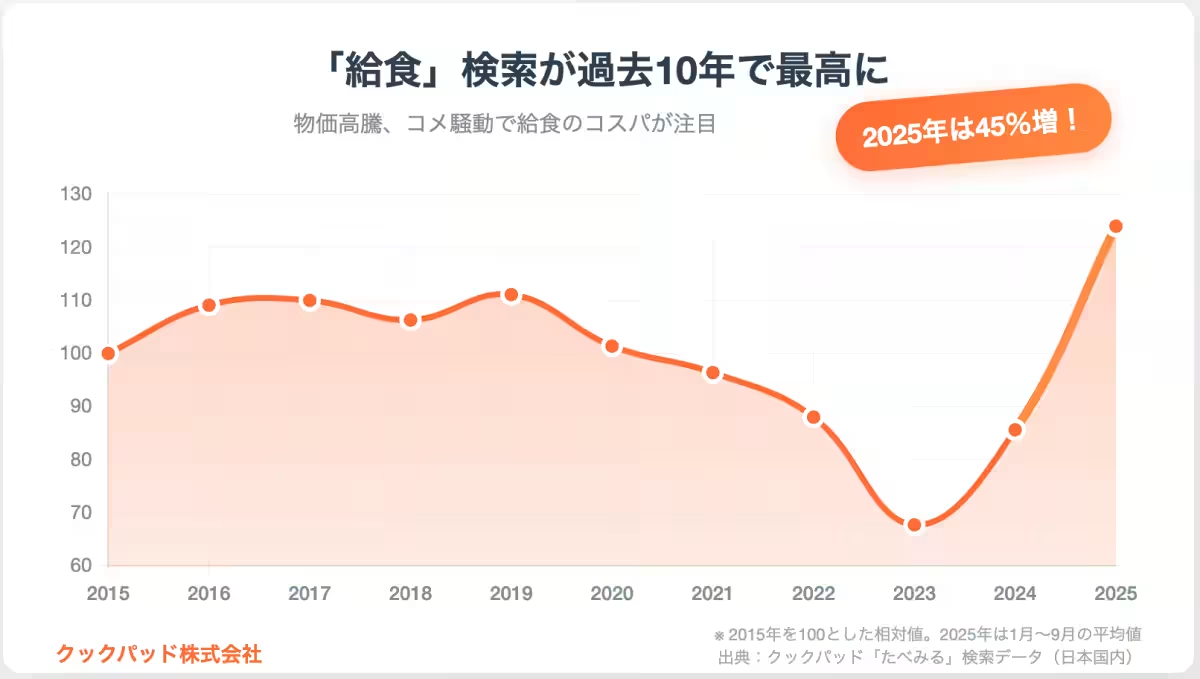
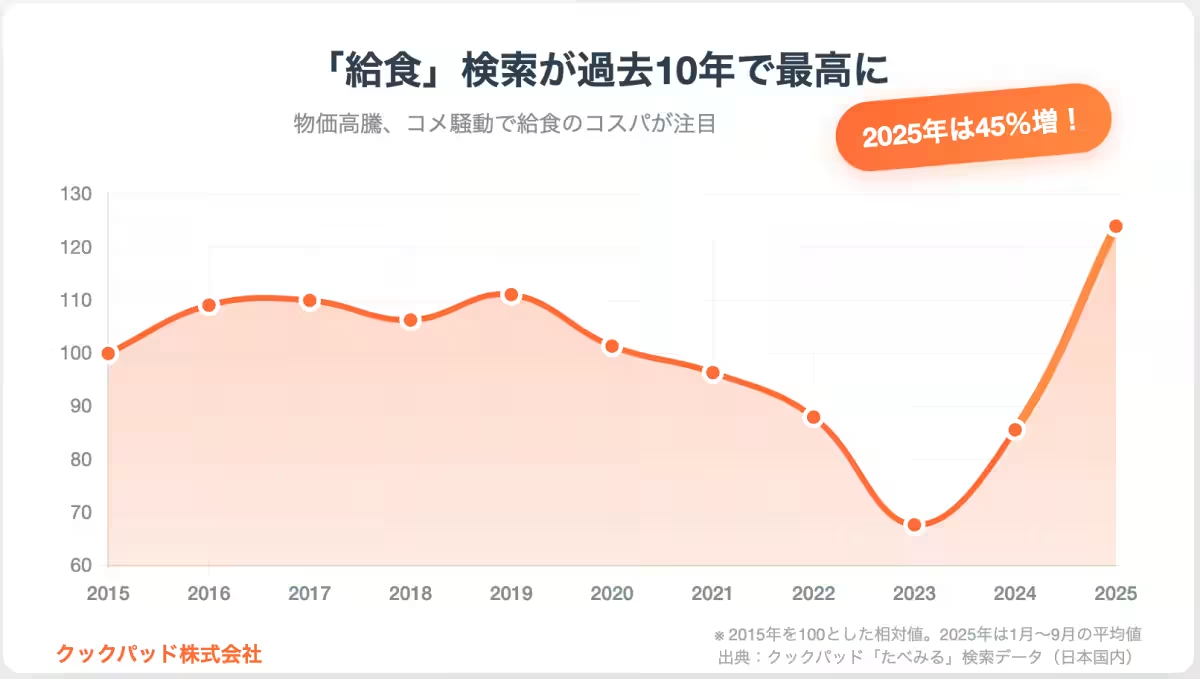
Recently, there has been a notable 1.4 times increase in searches for school meal recipes, as families are seeking effective techniques to maintain nutritional value amidst soaring food prices. This trend emphasizes the importance of cost-effective nutrition practices that are traditionally employed in school cafeterias. Cookpad, Japan's leading recipe service, has carried out a detailed survey reflecting these changing dynamics.
Food Price Surge Concerns Families
Amid continued rises in food prices, particularly for staples like rice, which has seen an increase of 115 yen to 3,891 yen for a 5kg bag, households are increasingly feeling the pinch on their grocery budgets. Families, especially those with children in their growth phase, confront the pressing dilemma of wanting to save on food expenses while ensuring their little ones receive adequate nutrition. School cafeterias face similar challenges, pushing nutritionists to innovate on budget-friendly menus that maximize nutritional content without exceeding financial constraints.
Popular School Meal Recipes Making Waves
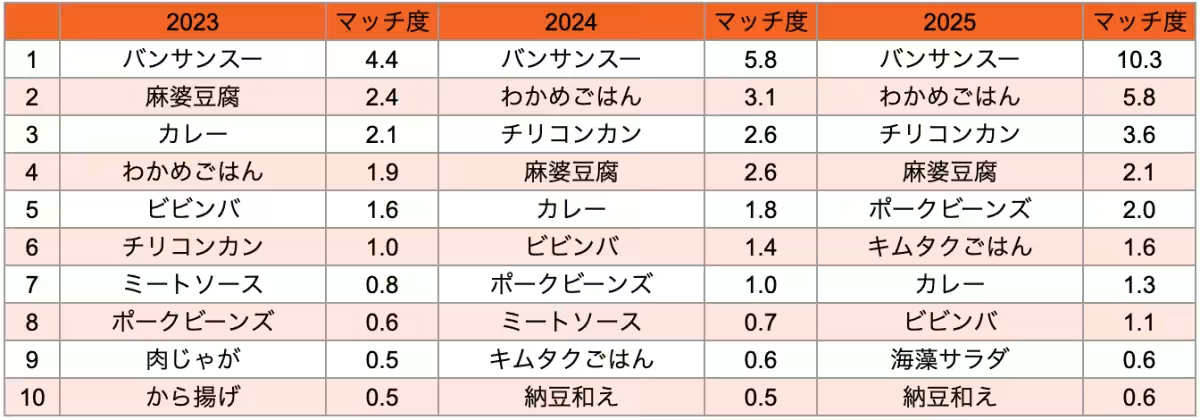
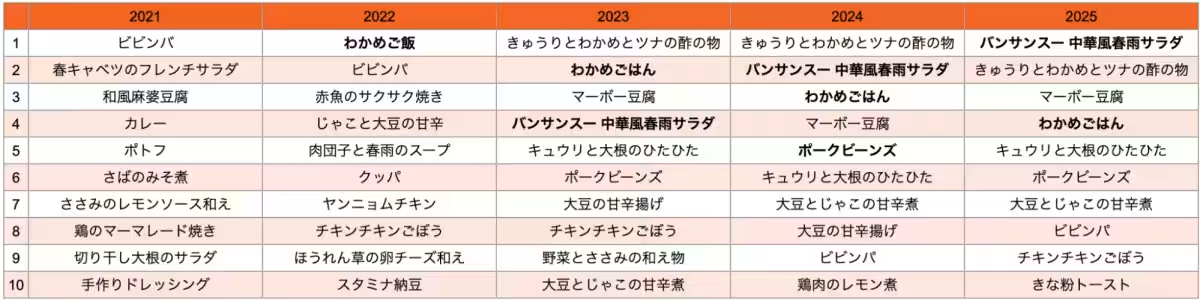
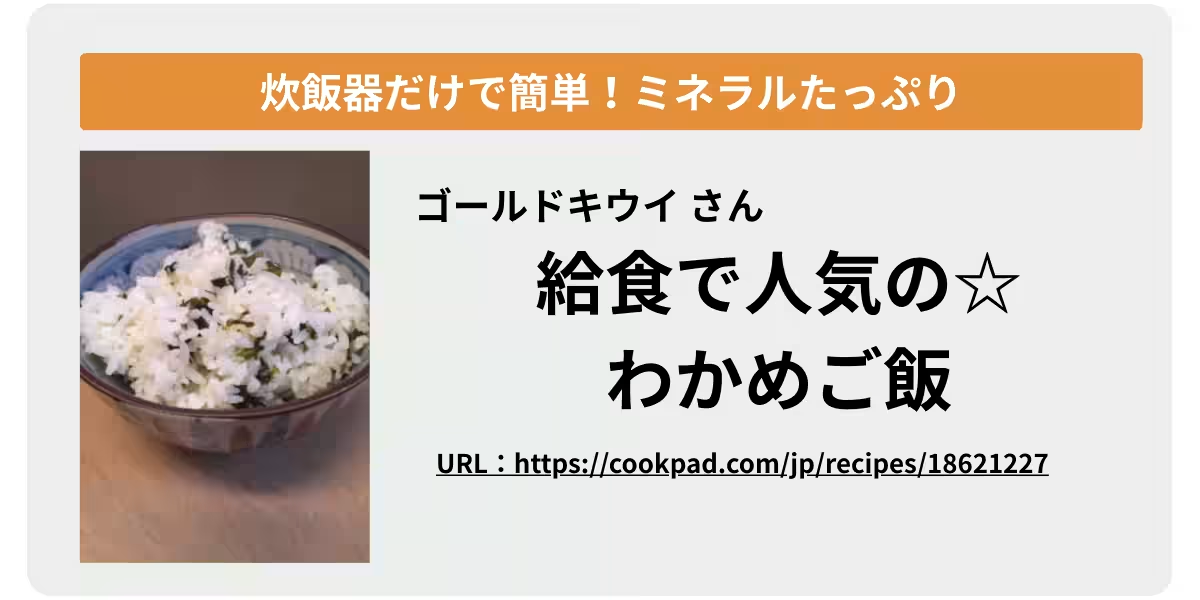
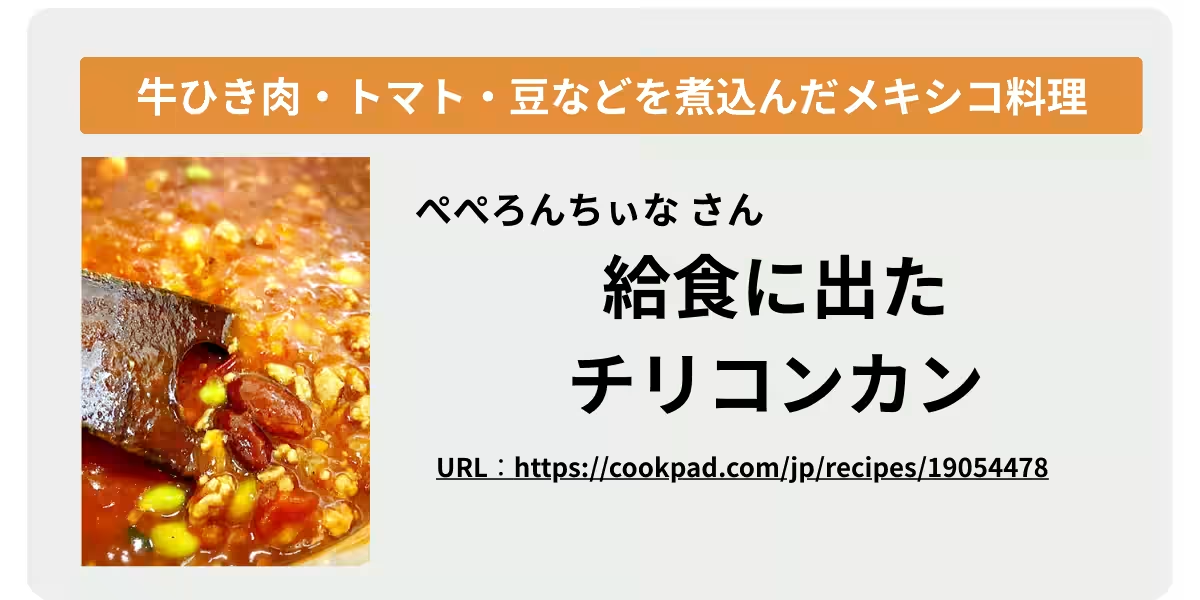
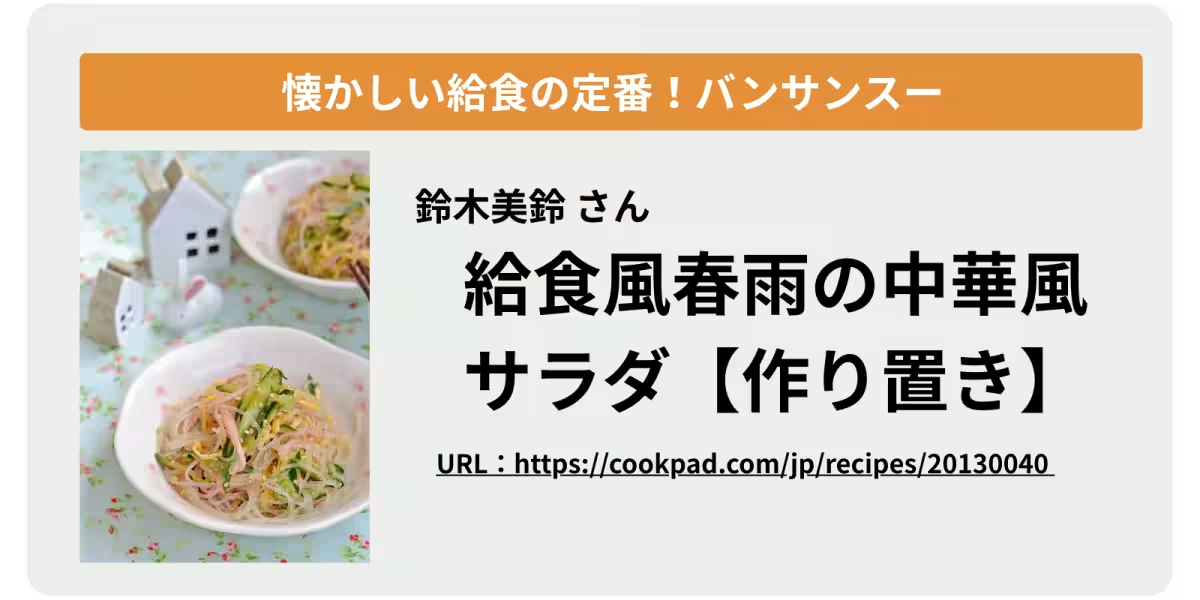
Among the notable trends in the 2023 school meal recipe search rankings, the Chinese-style vermicelli salad, known as Bansansuu, topped the list, rating significantly higher than in previous years. Other popular recipes include nutrient-rich wakame rice, chili con carne, and mapo tofu, all highlighting the utilization of affordable plant-based proteins alongside traditional meats. They’ve earned spots in the hearts (and stomachs) of families keen on replicating school meals at home.
For instance, the Bansansuu salad searches increased by 1.8 times and wakame rice increased by 1.9 times year-on-year. These recipes stand out due to their nutritional richness and the ease with which they can be prepared, often within the constraints of busy family schedules.
Practical Recipes from School Cafeteria Innovations
Since 2021, school meal recipes have integrated various creative approaches to ensure efficient and nutritious meal preparation. Guidance from nutritionists leads to scientifically backed nutritional designs and cost-effective cooking methods that families can easily replicate. Input from children helps develop menus that are not just nutritious but also delicious. As a result, this integration of school meal strategies into home cooking aligns perfectly with the needs of modern households.
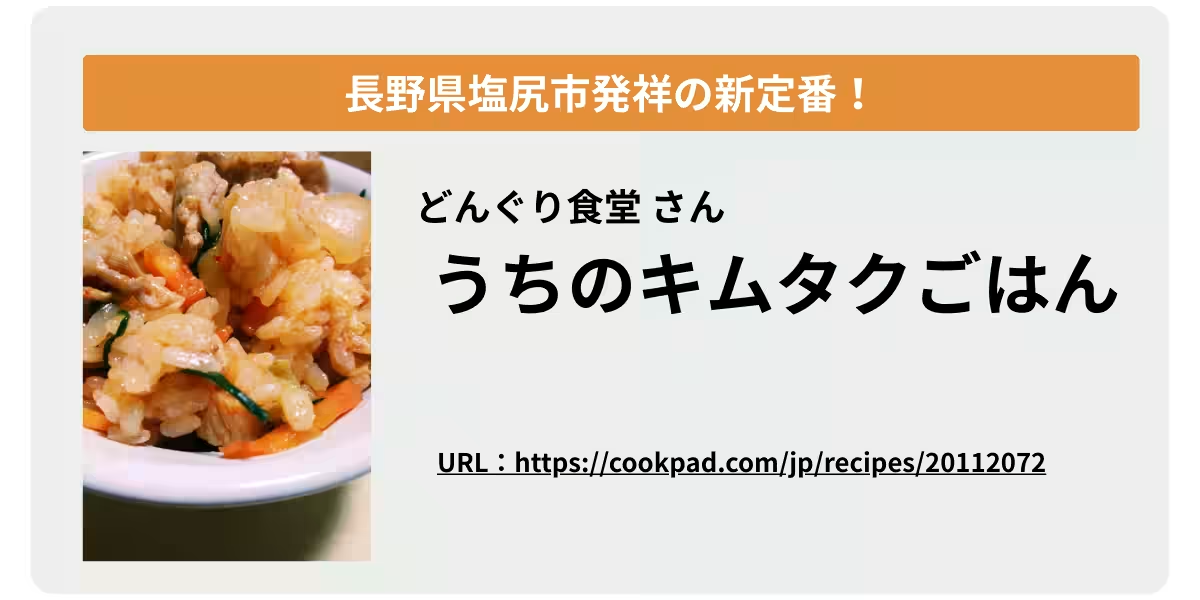
The growing trend of diverse menus, including international options like chili con carne and bibimbap, has extended the variety of meals families can choose from, further encouraging home cooking. Recipes from local areas, such as "Chicken Chicken Gobou" from Yamaguchi Prefecture, add a regional flair to beloved menus.
Boosted by Community Initiatives
This year, the surge in interest in school meal recipes has also been propelled by proactive information dissemination from local governments. Initiatives such as Tokyo Adachi Ward's upcoming release of "Delicious School Meal Recipes" have accelerated the trend, as over 95% of students rated the meals delicious, contributing to their popularity.
Regions like Niigata and Hyogo have also launched projects to enhance local community branding with school meal recipes, demonstrating how administration-driven efforts can help popularize traditional tastes and increase engagement in local gastronomy.
Engaging Families with Search and Save Patterns
Notably, alongside the rising search numbers, the saved recipes on home cooking platforms indicate a strong likelihood of integrating these meals into regular family menus. Parents are increasingly turning to recipes following positive feedback from their children about school meals, highlighting a shift where kids might prefer what's served at school over home-cooked alternatives. The common refrain among caregivers is that while children eat well at school, getting them to match that enthusiasm at home can be challenging.
As families navigate the volatile landscape of rising food costs, the strategies and recipes forged in school kitchens offer a beacon of hope. With accessible, cost-effective solutions, families can ensure that nutrition is never compromised, even when budgets are tight. This adaptation not only strengthens family meal traditions but also fosters a culinary culture that values both nutrition and taste.
Conclusion
The recent surge in interest surrounding school meal recipes underscores a significant shift toward combining practicality and nutrition. As more families embrace these recipes backed by community efforts, the future of home cooking will continue to reflect the innovative spirit of school cafeteria practices, paving the way for healthier meal choices across Japan.
Topics Consumer Products & Retail)
【About Using Articles】
You can freely use the title and article content by linking to the page where the article is posted.
※ Images cannot be used.
【About Links】
Links are free to use.