



Exploring Used Condominium Purchases: Acceptance of Age and Key Considerations
Understanding the Preferences for Used Condominium Purchases
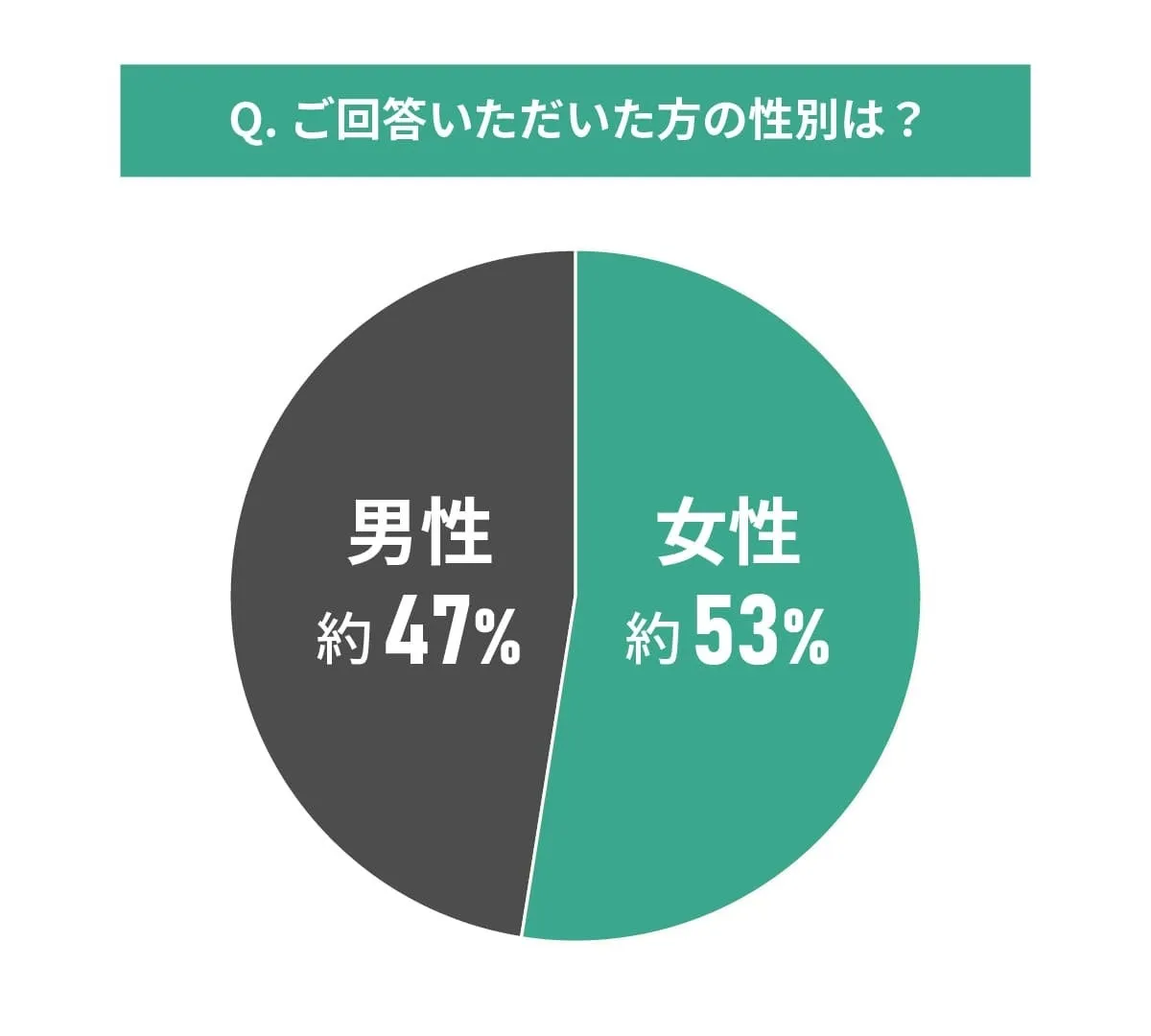
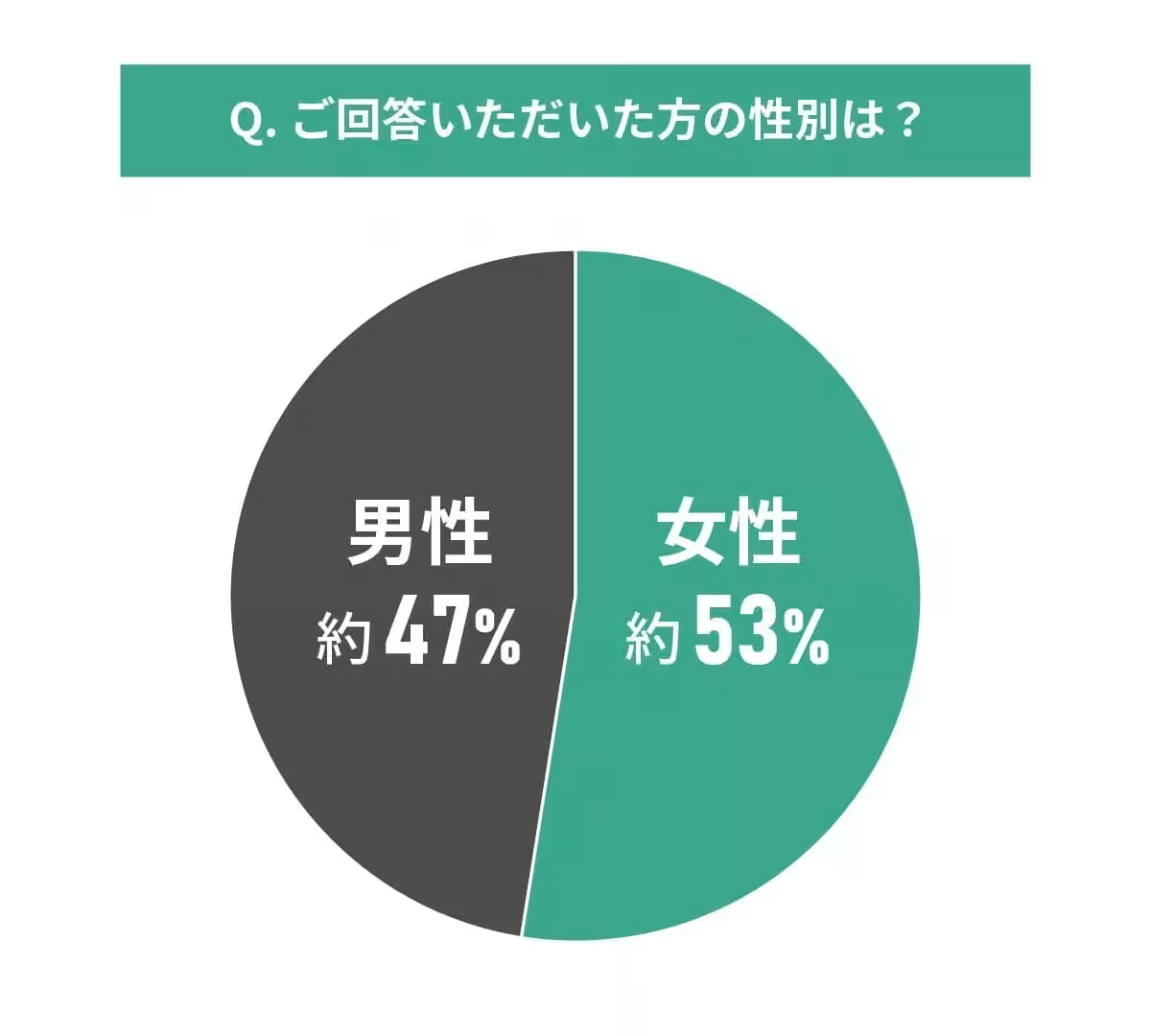
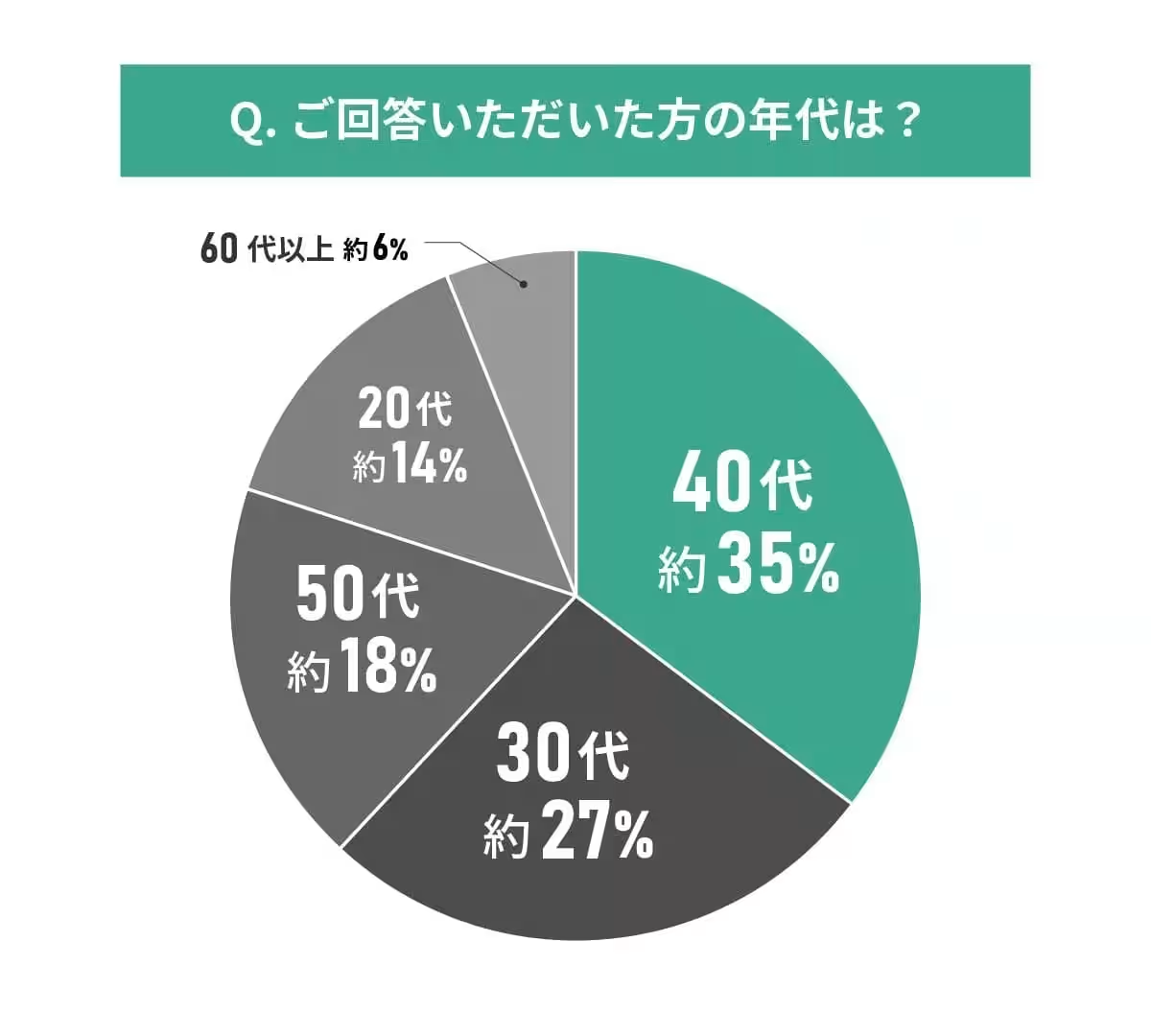
In a recent survey conducted by MEMOCO and Sumanara, they engaged 118 individuals who have purchased used condominiums. The study aimed to explore their preferences regarding the age of the properties they were willing to buy, as well as factors influencing their decisions. The survey was conducted online from March 8 to July 11, 2025, and included a diverse group of respondents, with 55 men and 61 women involved.
Survey Overview
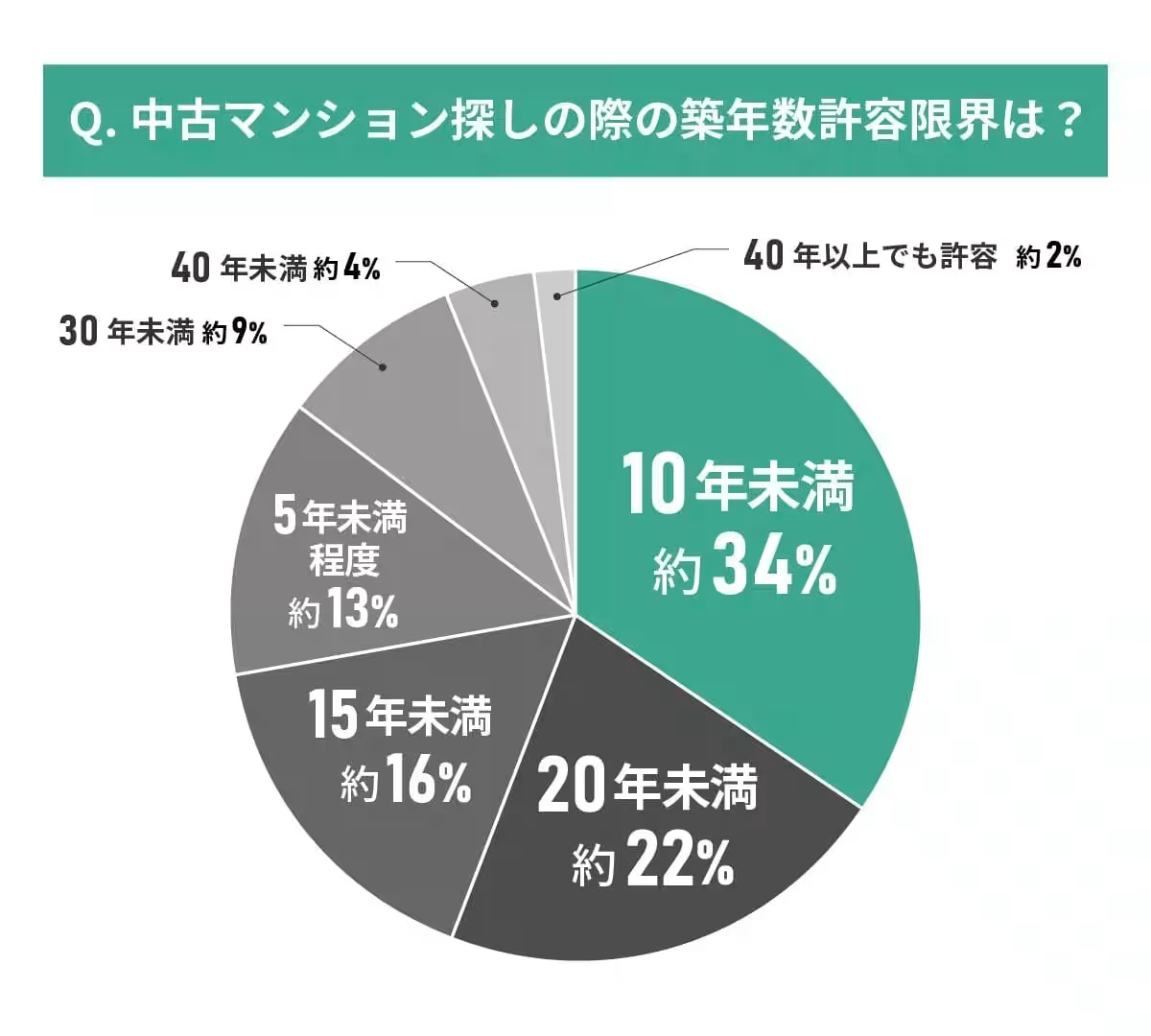
The survey results revealed interesting insights into the expectations of buyers concerning the age of used condominiums. Participants had varying opinions on what they considered acceptable regarding the property's age:
- - Less than 5 years: Approximately 13%
- - Less than 10 years: About 34% (the most common response)
- - Less than 15 years: Nearly 16%
- - Less than 20 years: About 22%
- - Less than 30 years: Approximately 9%
- - Less than 40 years: About 4%
- - 40 years or older: Only about 2%
From the results, it is evident that a significant portion of the respondents prefers relatively newer properties, with about 72% desiring buildings under 15 years old. In contrast, only 2% showed tolerance for properties over 40 years old, indicating a limited demand for older constructions.
Reasons for Age Preferences
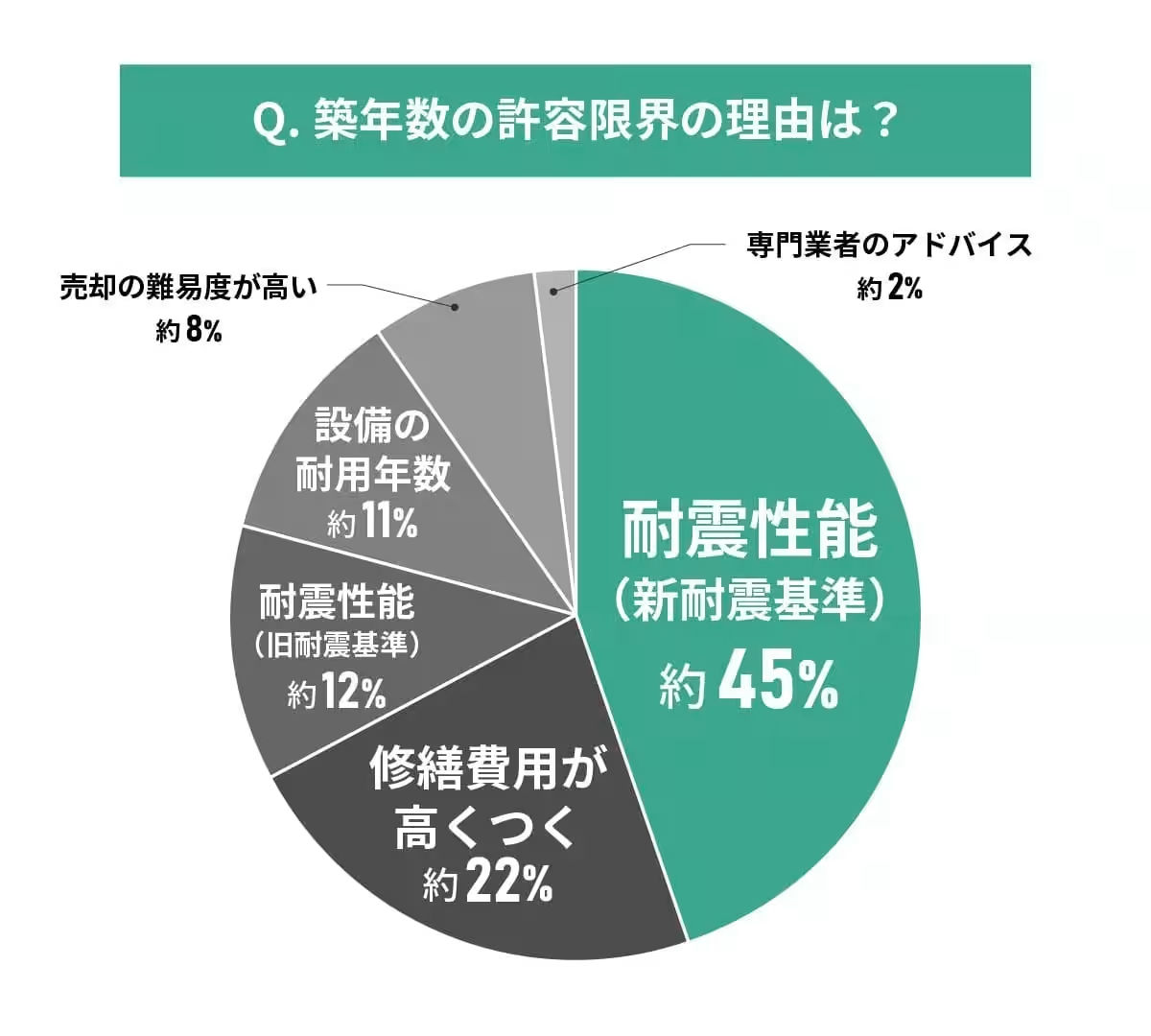
When analyzing the reasons behind age preferences, respondents highlighted several critical factors:
- - Seismic Performance: Roughly 45% valued new seismic standards highly.
- - High Maintenance Costs: About 22% were concerned about potential high repair expenses.
- - Old Seismic Standards: Approximately 12% preferred buildings compliant with new standards.
- - Equipment Lifespan: Over 11% emphasized the importance of durable equipment.
- - Resale Difficulty: Around 8% worried about the resale challenges of older properties.
The emphasis on seismic standards demonstrates heightened safety concerns among buyers, with a combination of new and older standards accounting for over 57% in their decision-making.
Actual Purchases Compared to Preferences
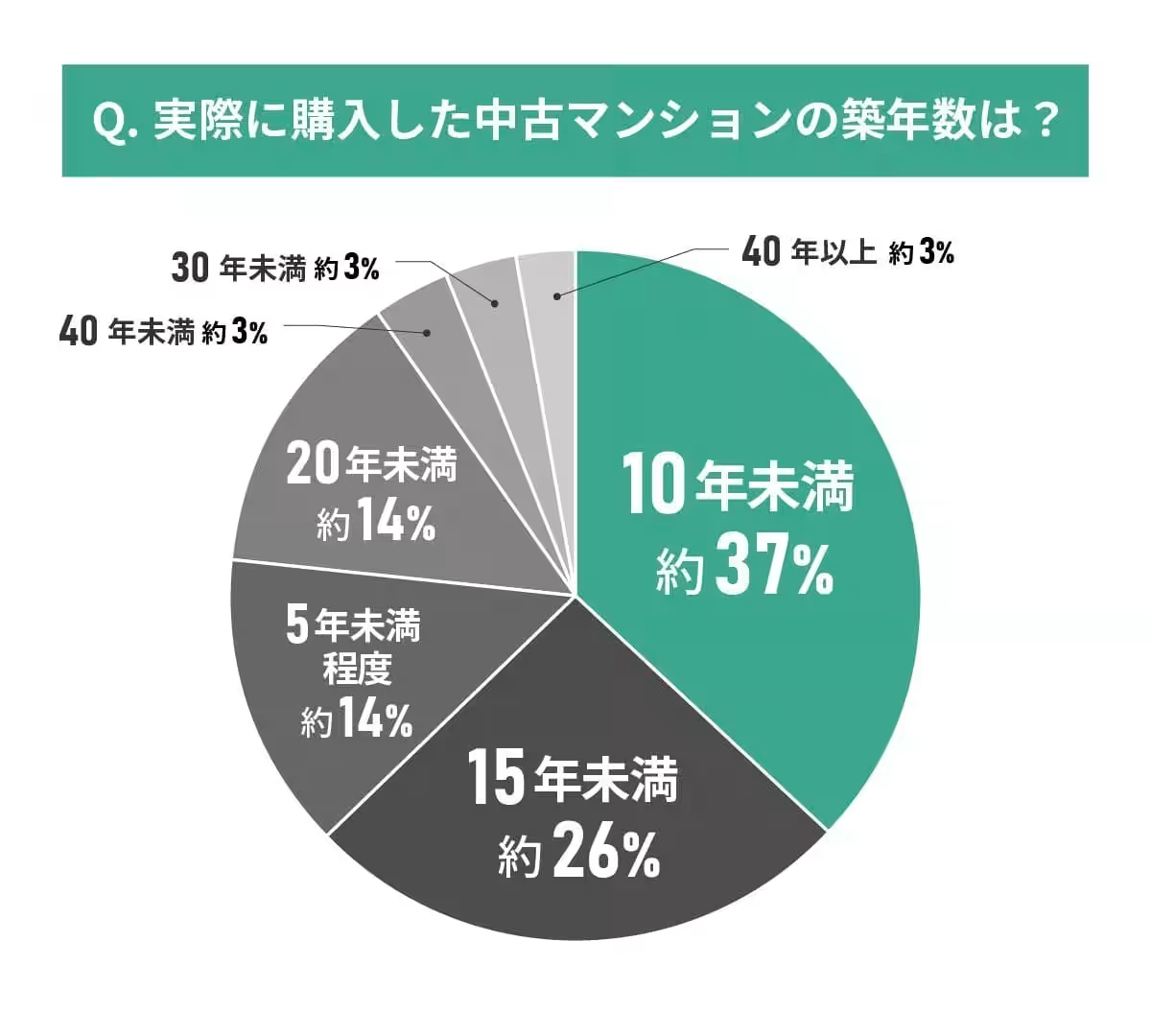
Interestingly, while the survey indicated that 34% were comfortable with properties under ten years old, actual purchases showed about 37% of buyers fell into this category. Furthermore, around 63% of purchasers selected residences that were less than 15 years old, indicating a slight compromise compared to their preferences.
Satisfaction Levels of Buyers
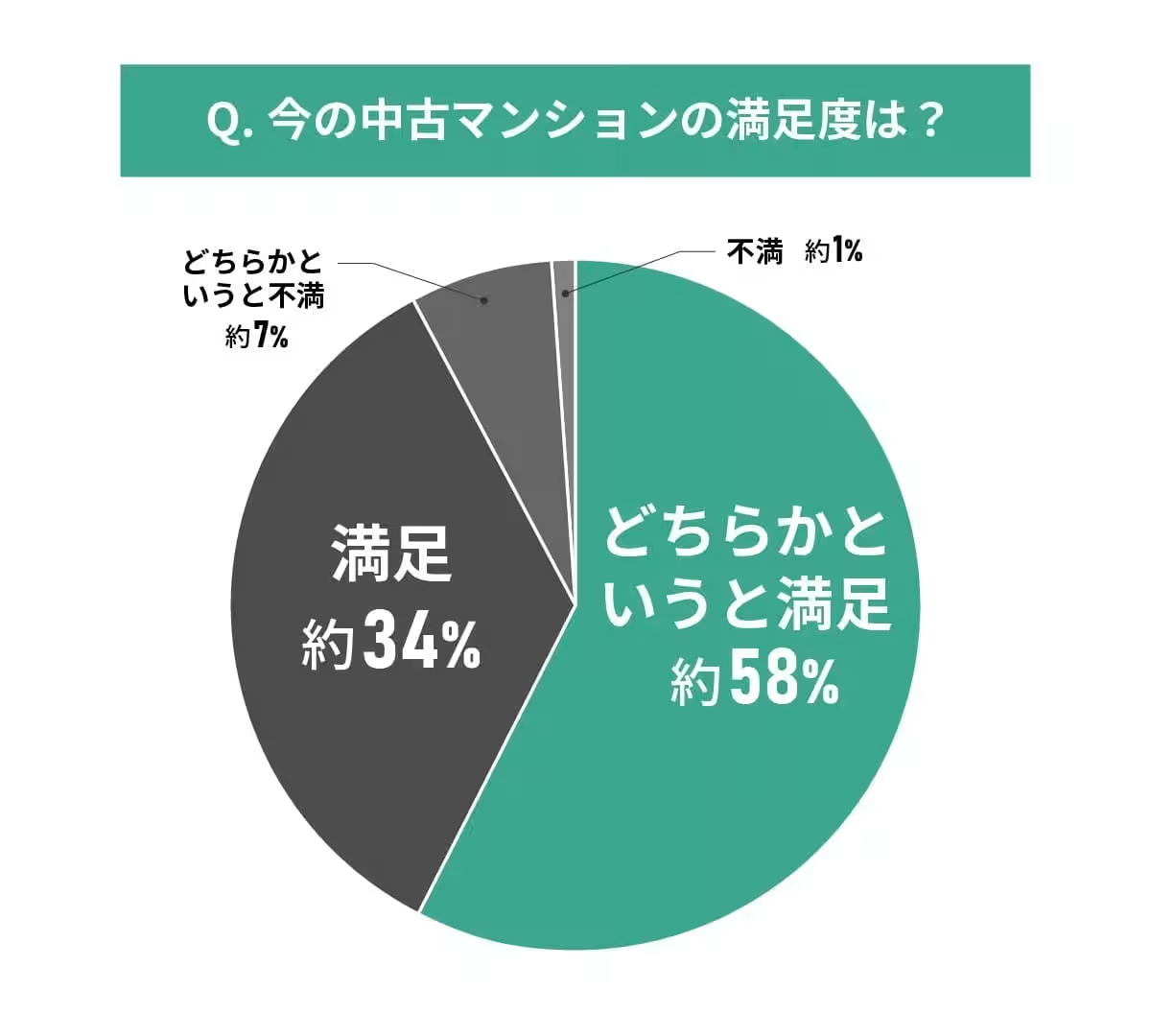
Regarding satisfaction, the survey participants reported impressive results:
- - Satisfied: 34%
- - Somewhat Satisfied: 58%
- - Somewhat Dissatisfied: 7%
- - Dissatisfied: 1%
Positive comments from satisfied buyers included reflections on seismic safety, convenience of location, and cost-effectiveness. For instance, many expressed appreciation for meeting new seismic standards, beneficial locations for commuting, or receiving ideal living spaces for a reasonable price.
Concerns Among Less Satisfied Buyers
Conversely, those who were less satisfied cited issues such as increasing repair costs, noise from neighbors, and dissatisfaction with the building's age and exterior condition. These factors reveal the need for buyers to conduct thorough assessments before finalizing their purchases.
The Importance of New Seismic Standards
A significant point derived from the study highlighted the necessity of new seismic standards established after June 1981. The findings indicated that over half of the respondents consider seismic quality pivotal, which emphasizes the necessity for buyers to confirm compliance with current regulations before making decisions.
Long-term Maintenance Costs
Around 22% of respondents expressed concerns regarding long-term maintenance expenses. It becomes crucial for prospective buyers to evaluate both upfront costs and ongoing expenses associated with maintaining older properties, recognizing that increased age typically leads to heightened frequency and costs of repairs.
Reconciling Ideal Expectations with Real-World Outcomes
Despite some discrepancies between acceptable age limits and actual buying patterns, approximately 92% of participants reported satisfaction with their purchases. This indicates that aspects such as location, price, and overall condition steered buyer contentment alongside the age of the property.
In conclusion, most buyers display a preference for used condominiums less than 15 years old, driven mainly by the desire for enhanced seismic performance and manageable maintenance costs. The overall satisfaction remains high, demonstrating the need for investors to broaden their assessment criteria beyond mere age considerations to refine their purchasing decisions effectively. Buyers contemplating the acquisition of used condominiums should prioritize evaluating seismic performance and repair plans to navigate long-term living expenses successfully.
Topics Consumer Products & Retail)
【About Using Articles】
You can freely use the title and article content by linking to the page where the article is posted.
※ Images cannot be used.
【About Links】
Links are free to use.