



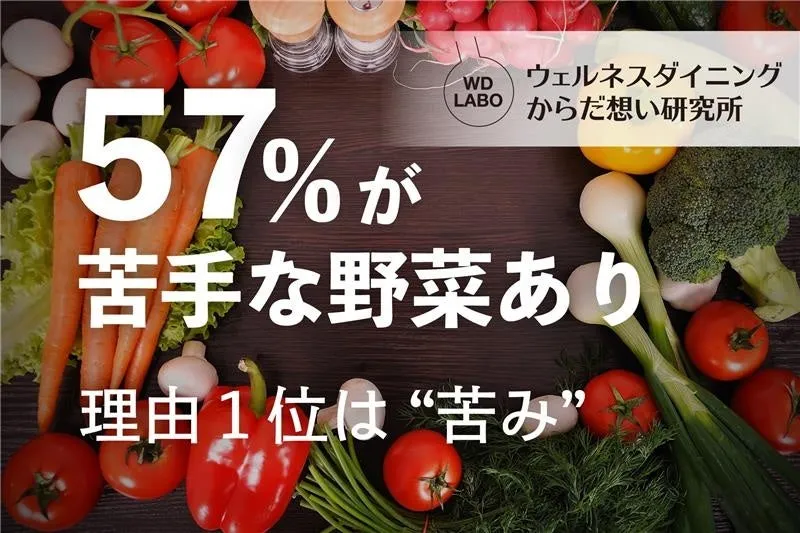
Understanding Picky Eatership: Over Half Dislike Certain Vegetables for Taste Reasons
Understanding Picky Eatership: Survey Insights on Vegetable Dislikes
Vegetables are known for their important role in maintaining good health, yet many people tend to fall short in their daily consumption. According to the Japanese Ministry of Health's initiative 'Health Japan 21,' adults are recommended to consume 350 grams of vegetables daily. However, many fail to meet this guideline, which can partly be attributed to psychological barriers such as disliking specific vegetables.
To address this, Wellness Dining Co., Ltd., located in Sumida, Tokyo, conducted a survey involving 300 individuals nationwide to explore attitudes towards disliked vegetables. The results shed light on the reasons behind these dislikes and potential solutions, while also highlighting the gap in health consciousness.
Survey Findings Summary
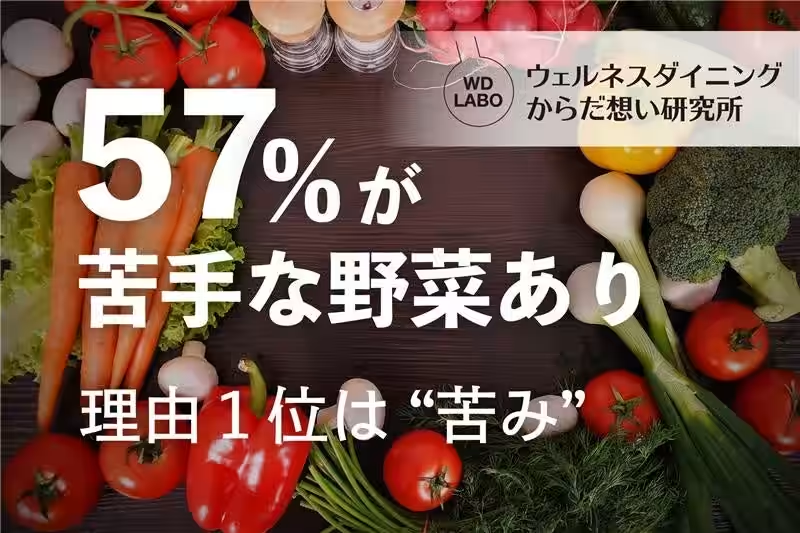
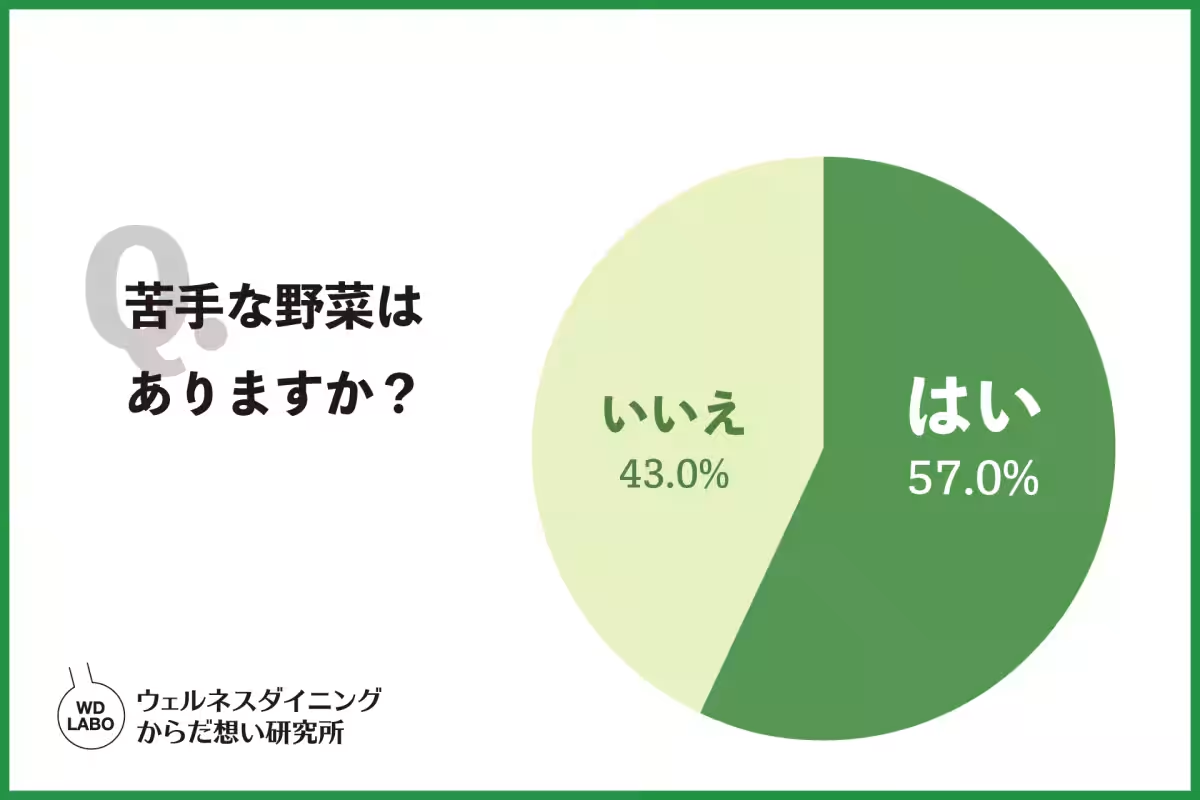
- - 57% of participants reported having a vegetable they dislike, indicating a widespread issue across all age groups.
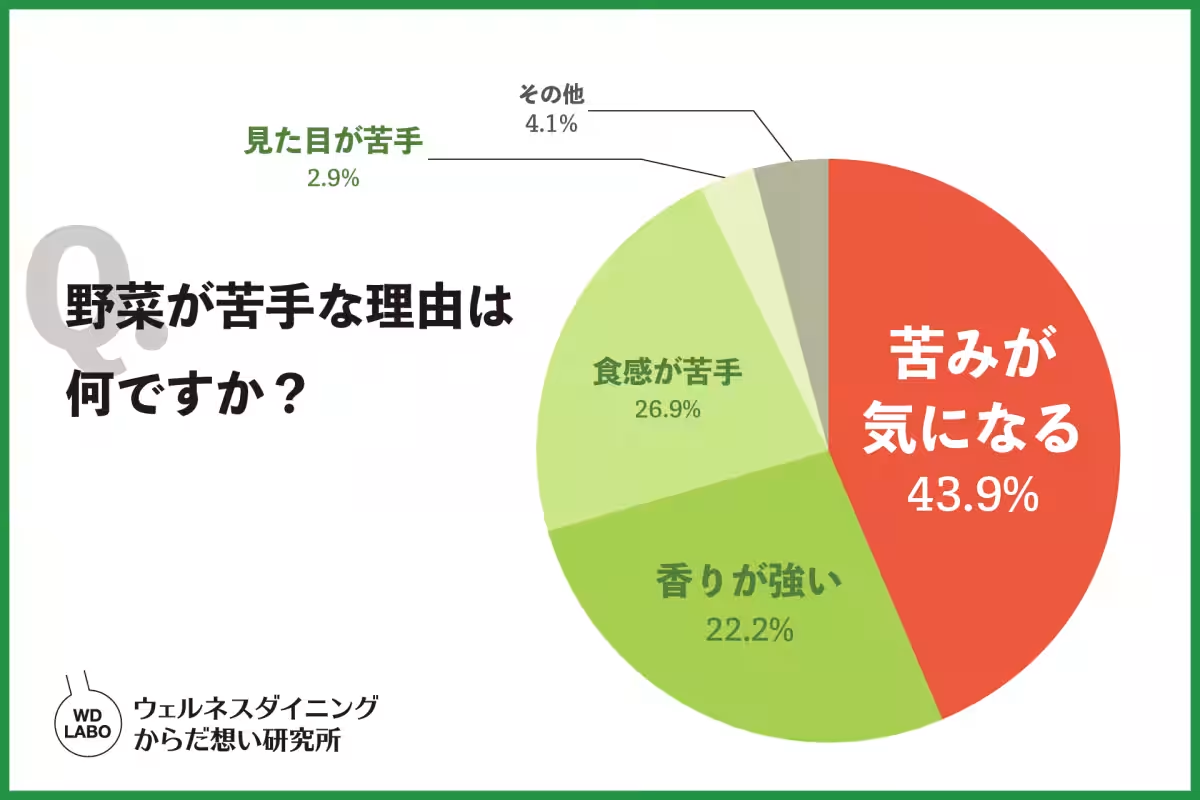
- - The top reason for vegetable aversion was bitterness (43.9%), followed by the influence of aroma and texture.
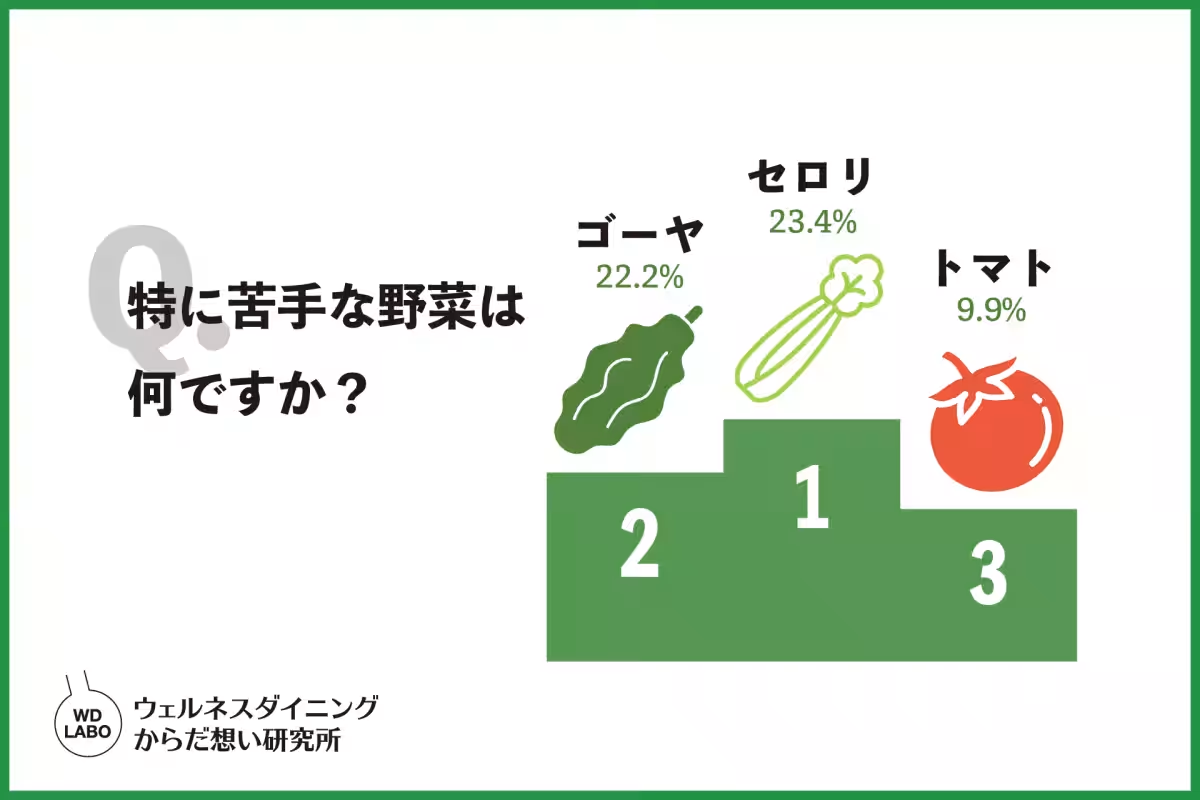
- - The top three disliked vegetables were celery, bitter melon, and tomatoes.
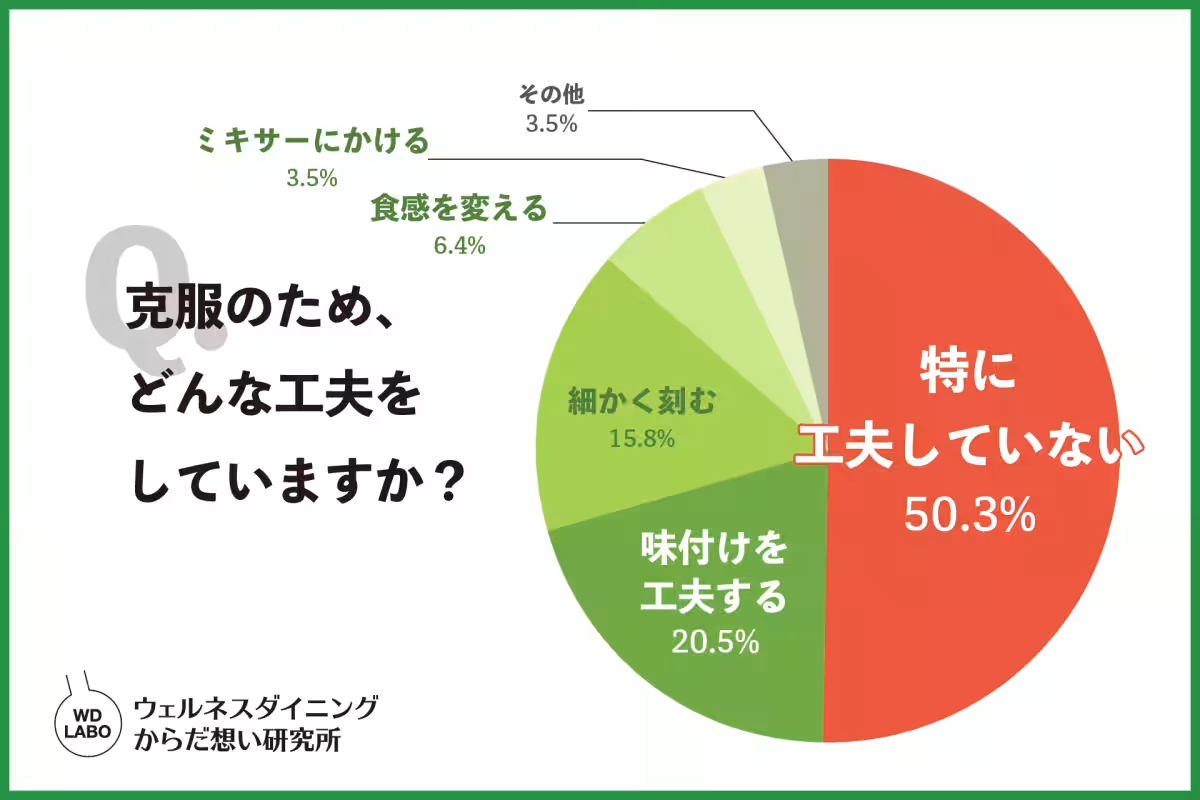
- - 50% stated they were not implementing any specific methods to overcome their dislikes.
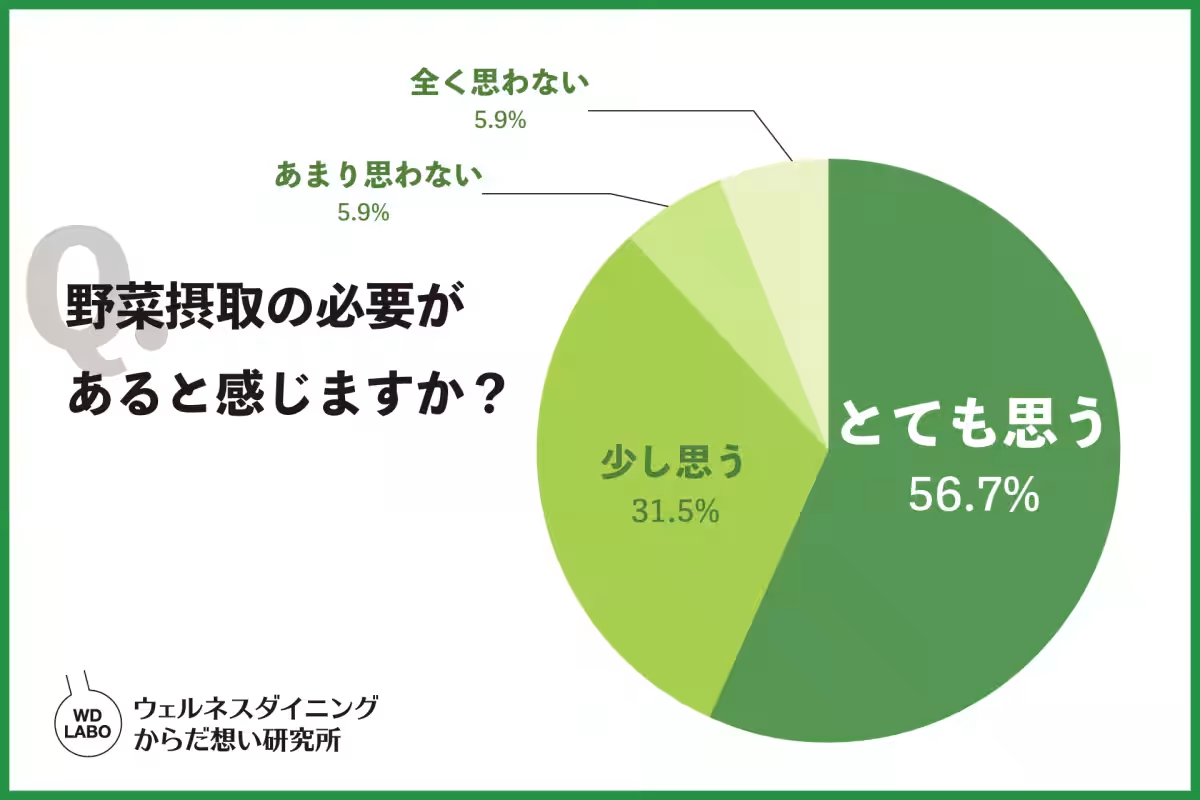
- - Approximately 90% of respondents recognized the importance of vegetable intake, yet this awareness does not translate into practice.
Q1: Do you dislike any vegetables?
- - Surveyed participants revealed that 57% answered positively, showing that about one in two people feel some aversion to specific vegetables. However, it appears that the dislike is often mild, as many do not avoid all vegetables but rather just certain ones. Wellness Dining interprets this as an opportunity, suggesting that personal preferences regarding vegetable flavors and aromas might allow for enjoyable consumption through different cooking methods.
Q2: What are the reasons you dislike vegetables?
- - The most common reason cited was bitterness (43.9%). Vegetables with strong flavors, such as bitter melon and green peppers, may be recognized for their health benefits, yet taste preferences often differ widely. Following bitterness, texture and strong aroma were noted by 26.9% and 22.2% of respondents, respectively. These reasons may indicate a preference for specific cooking techniques over an inherent dislike of vegetables themselves.
Q3: Which vegetables do you particularly dislike?
- - The most commonly disliked vegetables included celery, bitter melon, and tomatoes, known for their strong flavors and aromas. Many respondents also pointed out that these vegetables could be made more palatable through cooking techniques like souping, stir-frying, or juicing. Viewing dislike as a matter of taste uniqueness, rather than a strict aversion, could lead to more accessible vegetable consumption through experimentation with cooking methods and combinations.
Bridging the Gap: Dislikes vs. Health Awareness
Despite understanding the importance of vegetable consumption, many individuals struggle to incorporate them into their diets due to aversions or the perceived difficulty of cooking. The survey highlighted that while some participants have made efforts to overcome their dislikes, a significant portion—approximately 50%—reported not taking any steps.
Q4: What strategies have you employed to overcome your dislikes?
- - A notable 50.3% of respondents indicated that they did not employ any strategies, underscoring a strong tendency to avoid disliked vegetables. Nonetheless, some shared methods such as experimenting with seasonings (20.5%) or finely chopping the vegetables (15.8%). A minority even mentioned blending them into smoothies (3.5%). According to the registered dietitians at Wellness Dining, using seasonings or broth to mitigate bitterness and cooking to soften textures can effectively help individuals overcome their food aversions.
Q5: Do you feel the need to consume more vegetables?
- - Combining the responses of those who strongly (56.73%) or somewhat (31.58%) acknowledge this need suggests that about 90% of participants understand the significance of vegetable intake. Nevertheless, many still face barriers preventing them from meeting their goals. This 'awareness-action divide' presents a critical challenge in daily health improvement efforts.
Conclusion
The survey illuminated the impact of vegetable aversions on everyday diets. Yet, it also indicated that many of the reported dislikes might be alleviated through alternative cooking methods and combinations. For instance, combining bitter melon with eggs or meats can temper its bitterness, and adding celery to soups can help tone down its aroma.
At Wellness Dining, the objective is to ensure even the most challenging vegetables can be enjoyable and easy to incorporate into one’s diet through meal delivery services overseen by registered dietitians. Every meal balances nutrition with palatability, aiming to naturally provide necessary nutrients without adding stress. Moving forward, Wellness Dining is committed to lowering barriers to vegetable intake, contributing to enhanced longevity and enriching daily meals through ongoing research and product development.
Survey Overview
- - Survey Name: Awareness Survey on Disliked Vegetables
- - Conducted by: Wellness Dining Co., Ltd. (Wellness Dining Body-Support Research Institute)
- - Participants: 300 individuals aged 25-65 across Japan (150 male / 150 female)
- - Method: Closed-format questionnaire via the internet
- - Period: April 2025
- - Note: Results have been tallied, so totals may not equal 100% due to rounding.
- - Source Citation: For references and publications, please credit 'Wellness Dining Co., Ltd.' and inform us in advance of your usage.
About Wellness Dining Co., Ltd.
The core philosophy of Wellness Dining is embodied in the motto 'Caring for the Body and Family.' The company specializes in thoughtfully prepared meal deliveries tailored for dietary restrictions and offers soft foods for swallowing issues. Internal registered dietitians are available to ensure that even while managing dietary restrictions, individuals continue to enjoy food and maintain a positive outlook. The overarching goal is not just to sell meal delivery services but to encourage health improvement, providing holistic support in maintaining nutritious eating habits while aspiring to become Japan's foremost provider of nutritional consultations.

Topics Health)
【About Using Articles】
You can freely use the title and article content by linking to the page where the article is posted.
※ Images cannot be used.
【About Links】
Links are free to use.