



Exploring the Adoption and Challenges of Generative AI in Commercial Facilities
Exploring the Adoption and Challenges of Generative AI in Commercial Facilities
In the realm of commercial real estate, the digital transformation is taking a leap forward with the adoption of generative AI technologies. A recent survey conducted by COUNTERWORKS, in collaboration with the Japan Shopping Center Association, sheds light on how generative AI is being utilized across various commercial facilities in Japan. The survey gathered insights from employees of 95 companies, totaling 156 respondents, aiming to unveil the actual state of AI deployment within the industry.
Key Findings of the Survey
Utilization Experience and Frequency
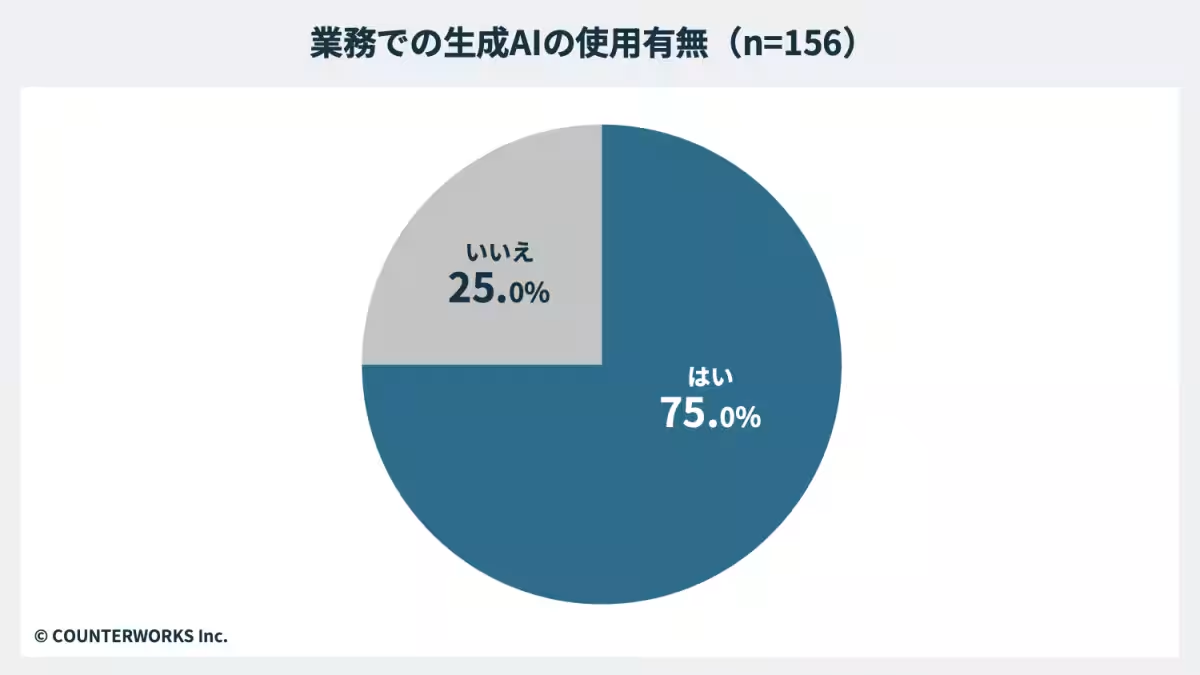
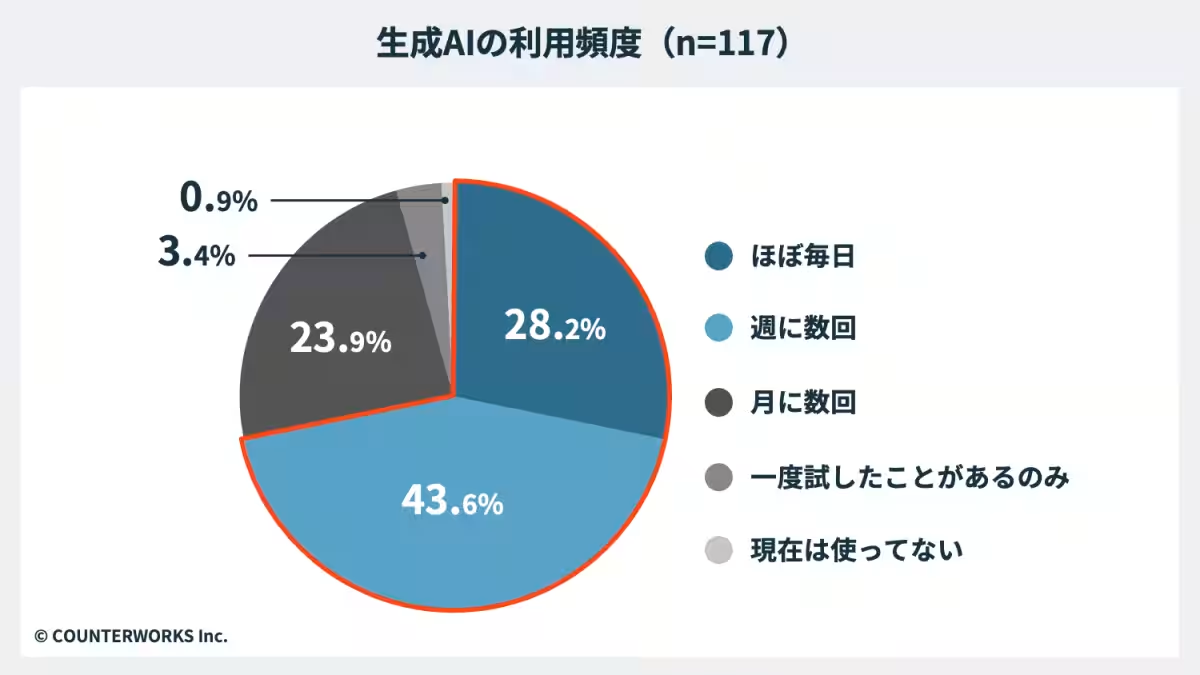
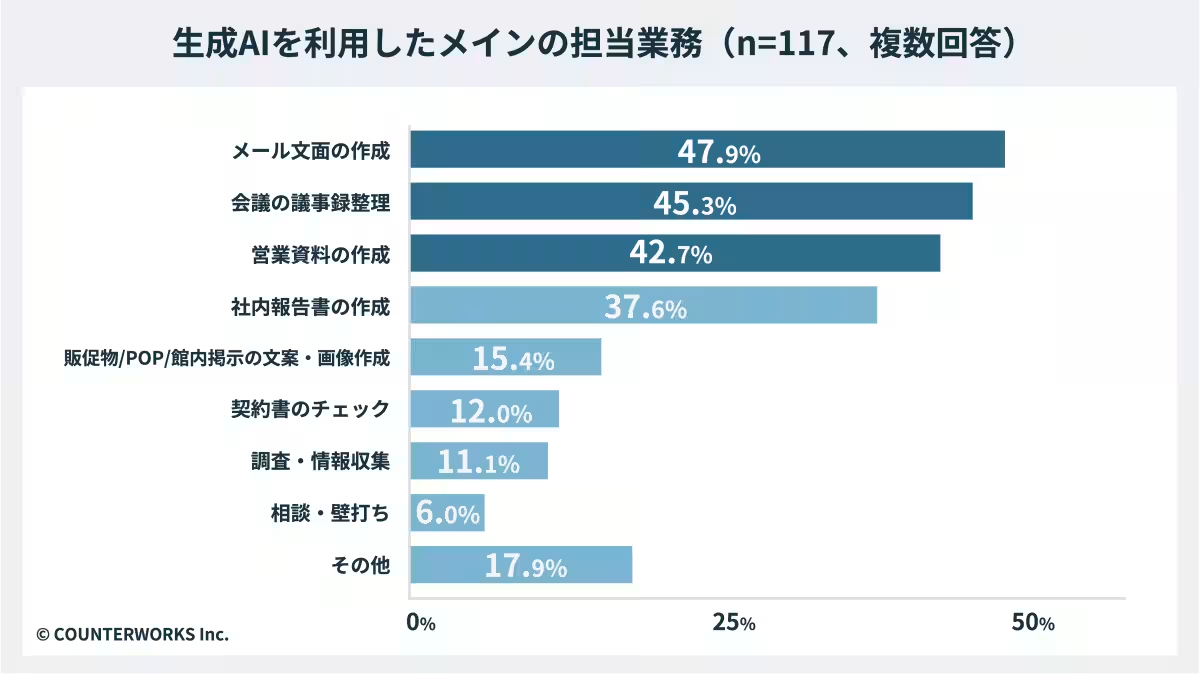
Approximately 75% of the respondents reported having experience using generative AI in their work tasks. Notably, around 71.8% use it almost daily or several times a week. This indicates that generative AI is gradually permeating various practical aspects of operations, particularly among those not deeply familiar with IT. The tools are making significant inroads into routine document-related functions such as report preparation and meeting minutes formatting.
Integration into Workflows
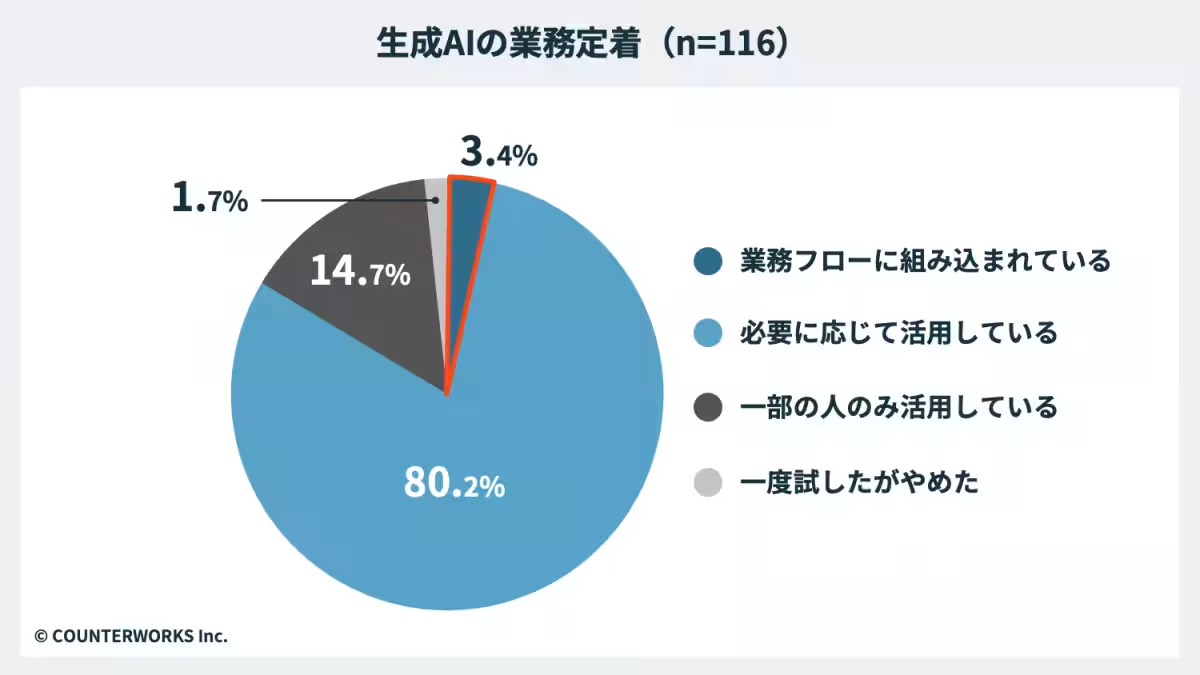
Despite the positive experiences reported, the integration of generative AI into daily business processes remains limited. About 80.2% of users stated they only use it when necessary, while a mere 3.4% have embedded it consistently within their workflows. This suggests that many professionals are leveraging the technology on an individual basis rather than as part of a standardized organizational process, indicating an area for development towards fully integrating AI into operational frameworks.
Perceived Productivity Improvements
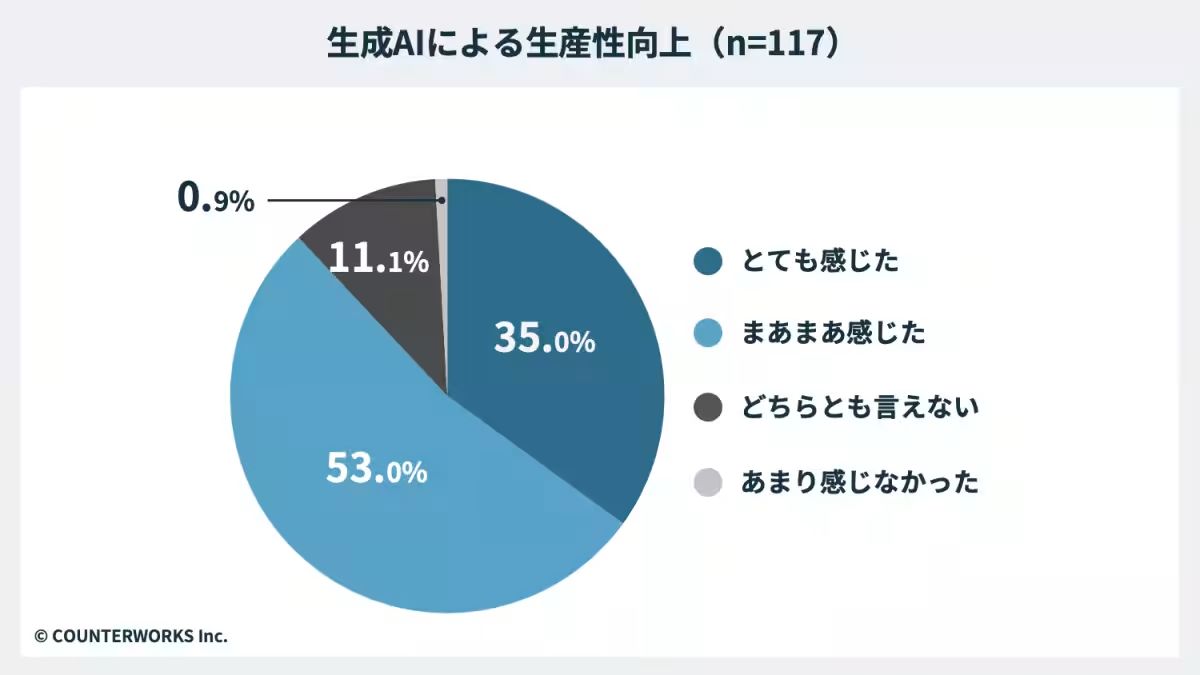
A striking 88% of respondents felt that generative AI significantly boosted their productivity. Specifically, the technology has been beneficial in streamlining tasks like summarizing emails, structuring content, and adjusting expressions. Users indicated that generative AI often lays down the foundational elements of documents, which employees then refine, illustrating a developing workflow that accelerates productivity in preparation tasks.
Commonly Used Tools
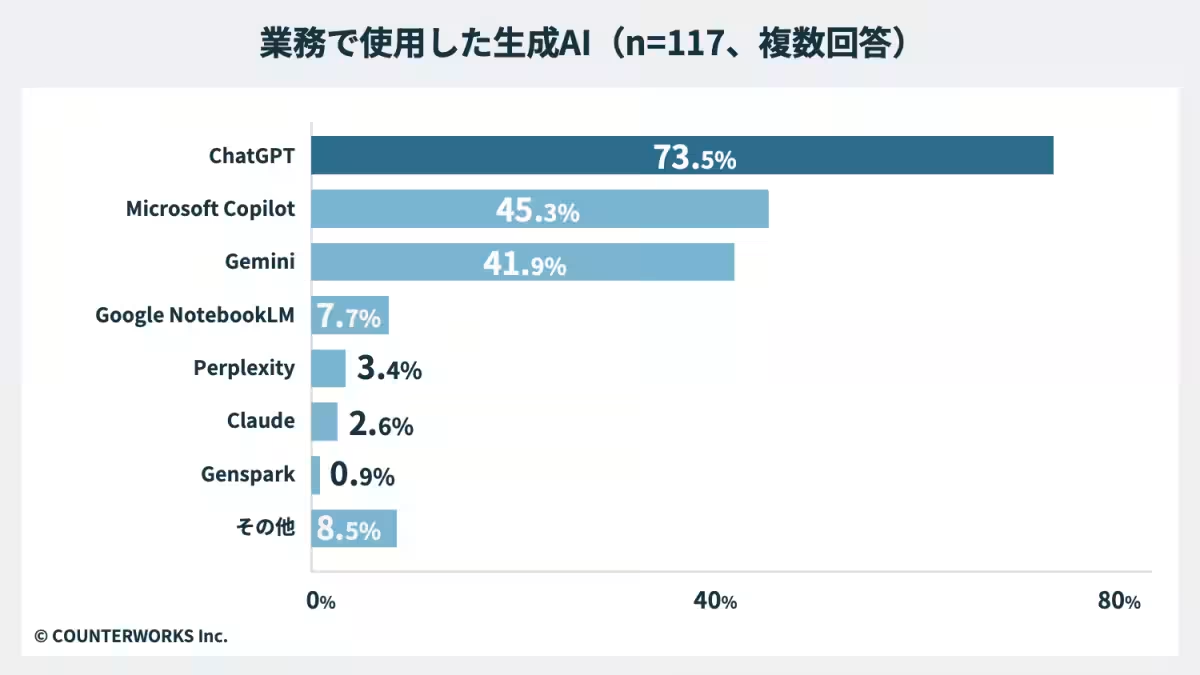
The survey highlighted the most popular tools among respondents, with ChatGPT leading at 73.5%, followed by Microsoft Copilot at 45.3%, and Gemini at 41.9%. These tools are primarily general-purpose generative AI applications, with fewer instances of specialized AI tailored to specific company knowledge or integrated with internal systems. As it stands, many respondents seem to be experimenting with existing tools based on usability and cost, rather than adopting more specialized solutions.
Barriers to Effective Utilization
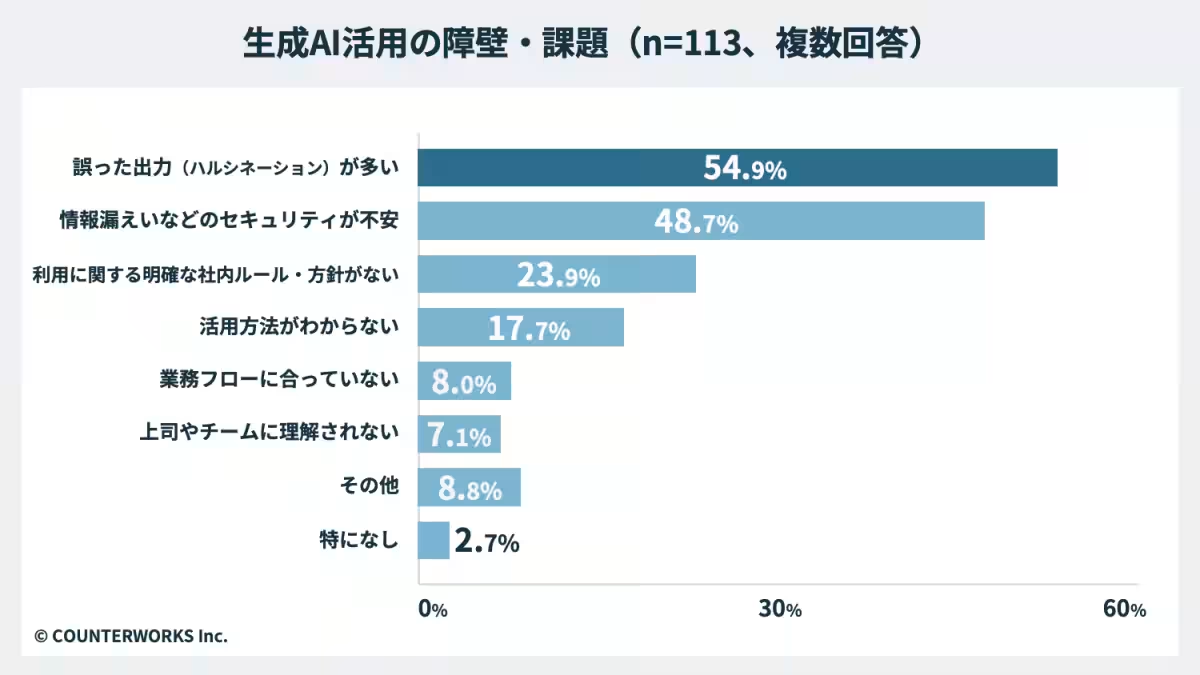
The survey also identified significant challenges in leveraging generative AI. The most substantial barrier was noted to be 'incorrect outputs' or 'hallucinations' at 54.9%, followed by concerns about security risks at 48.7%, and the absence of corporate guidelines at 23.9%. These quality and safety concerns appear to contribute to a cautious approach towards widespread adoption in business practices.
Current State of Non-Users and Their Needs
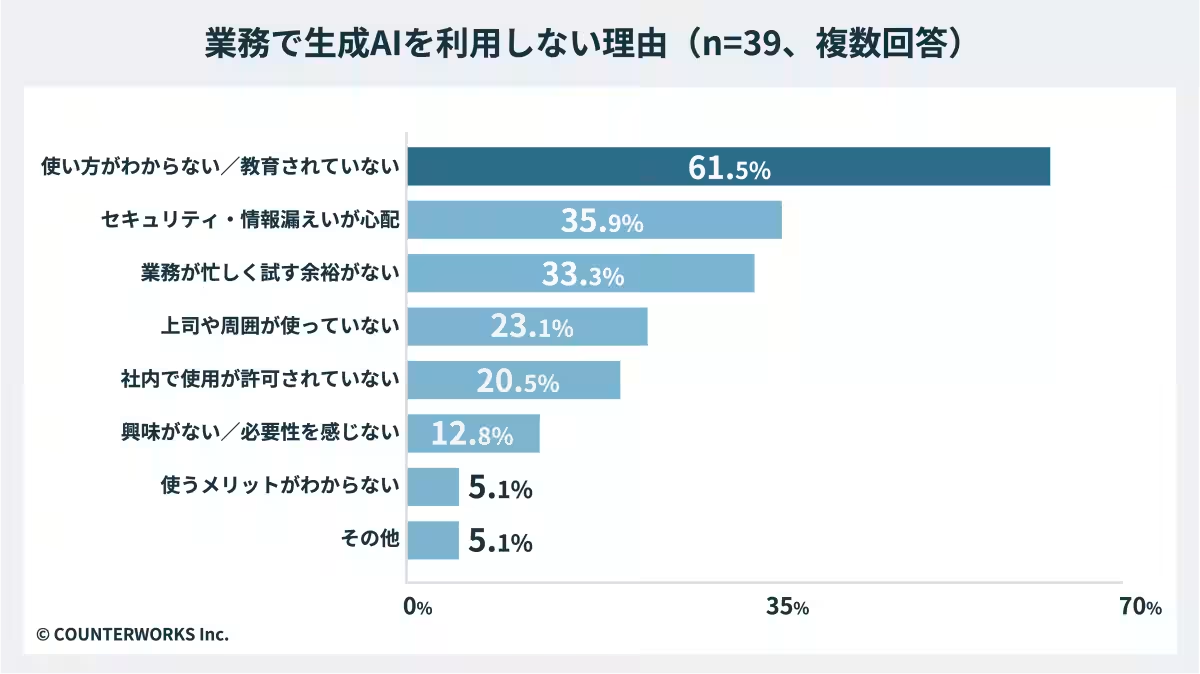
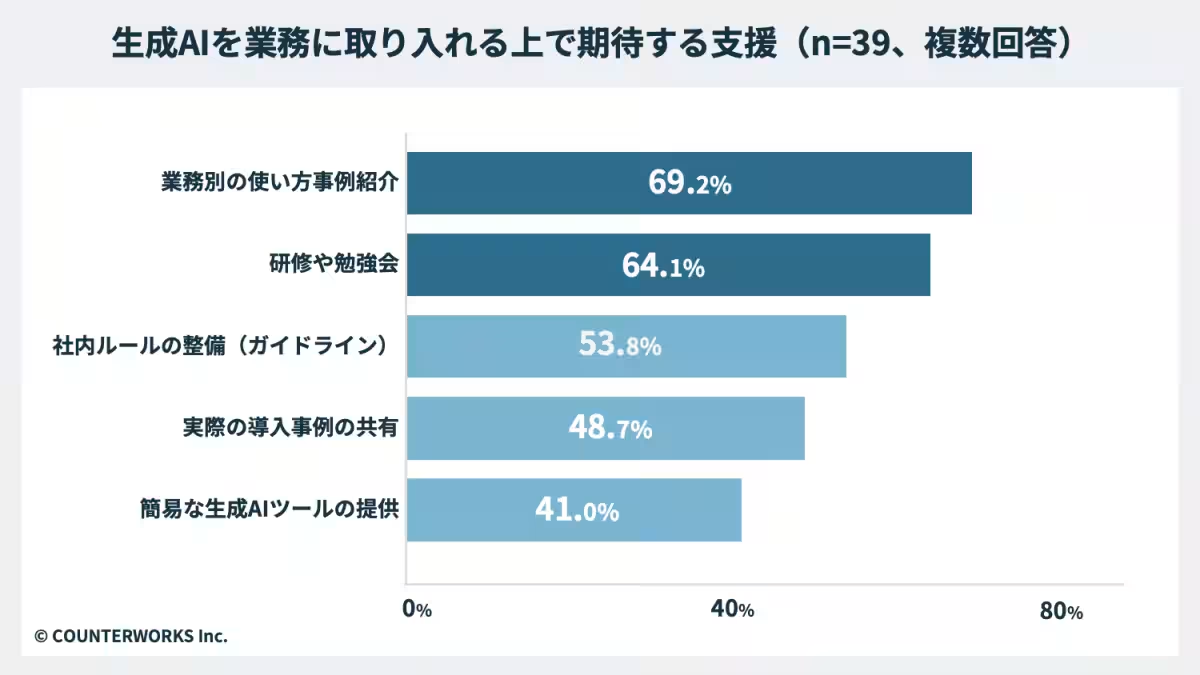
Interestingly, about 25% of respondents had never used generative AI in their work. The primary reasons for this lack of usage were attributed to unfamiliarity with how to use it and fears surrounding security and data breaches. Moreover, over 60% of non-users expressed a desire for support in the form of case studies or training sessions tailored to specific tasks. This suggests that barriers to adoption stem more from a lack of structured learning opportunities to safely utilize the technology rather than merely a lack of understanding of the tools themselves.
Expert Commentary
According to Takayuki Hayashi, Director of the New Business Division at COUNTERWORKS, the industry is moving from simply recognizing that generative AI can be utilized to understanding how to use it effectively. While the survey indicated a notable percentage of users appreciating the technology’s impact on productivity, the current low integration into standardized workflows highlights the need for organizations to shift from individual experimentation to collaborative knowledge sharing within teams.
He emphasizes the importance of developing structures that enable organizations to standardize AI usage, such as refining prompts, normalizing document formats, and reassessing data structures and workflows. This systematic approach will be crucial in elevating overall productivity within the organization.
COUNTERWORKS has recognized these trends and, in 2025, established the akinAI STUDIO, aimed at employing AI in addressing the structural challenges within the commercial real estate sector. By broadening the scope of AI support, the company seeks to facilitate sustainable facility operations through human-AI collaboration.
About COUNTERWORKS
COUNTERWORKS, based in Roppongi, Tokyo, specializes in planning, developing, and operating shop counters and shop counter enterprises. Founded to tackle and innovate within the commercial real estate sector, COUNTERWORKS seeks to modernize operations by leveraging cutting-edge technologies. Their commitment to enhancing retail experiences is clear in their strategic initiatives.
For more information, you can visit COUNTERWORKS' website.
About the Japan Shopping Center Association
The Japan Shopping Center Association is a key resource for those in the shopping center sector providing insights, research, and guidelines relevant to the industry. Their publication SC JAPAN TODAY offers a wealth of data, trends, and legal considerations for industry members. For more about their initiatives, visit their website.
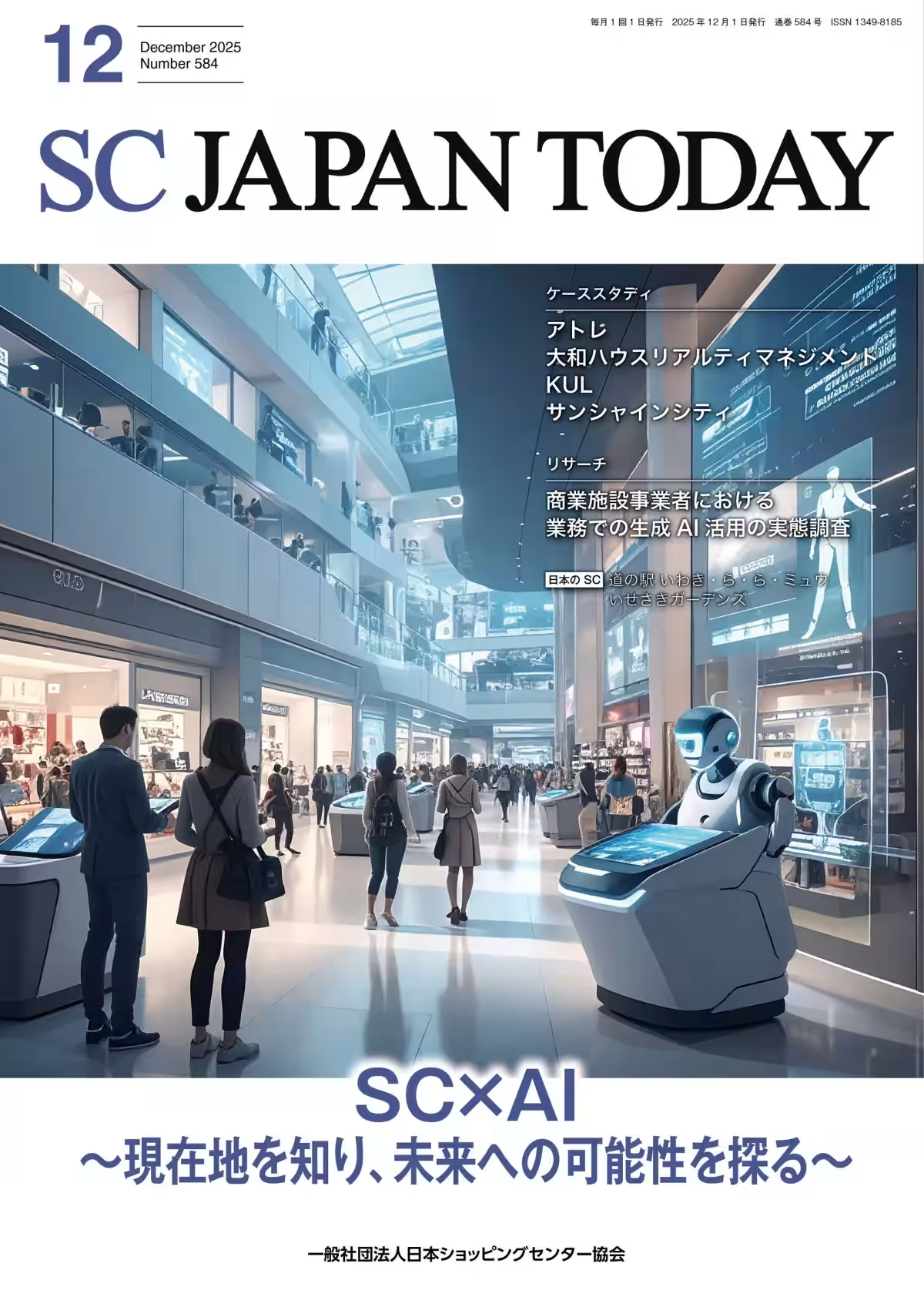
As the SC JAPAN TODAY December 2025 issue features an in-depth review of this survey, it is a must-read for stakeholders in the sector looking to navigate the evolving landscape of generative AI in retail.

Topics Consumer Products & Retail)
【About Using Articles】
You can freely use the title and article content by linking to the page where the article is posted.
※ Images cannot be used.
【About Links】
Links are free to use.