



Drowning Resuscitation: The Decrease of Rescue Breathing and Its Impact on Children's Outcomes
The Importance of Rescue Breathing in Pediatric Drowning Cases
Drowning incidents, particularly among children, can often lead to hypoxic-related cardiac arrest, emphasizing the critical role of effective resuscitation techniques. Recent findings from Okayama University underscore a troubling trend: the significant decline in the rates of rescue breathing (artificial respiration) in out-of-hospital scenarios, especially in pediatric cases.
Background on Drowning and Resuscitation
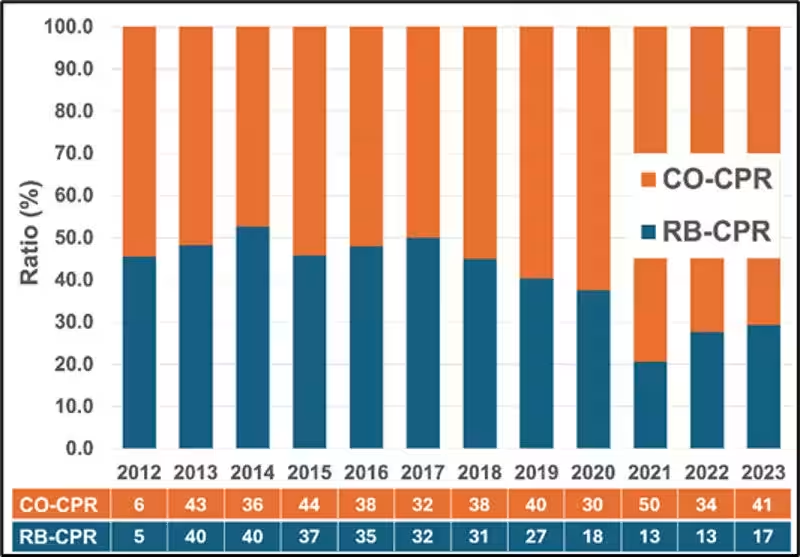
Drowning is recognized as a leading cause of respiratory distress due to oxygen deprivation. The standard cardiopulmonary resuscitation (CPR) procedure includes both chest compressions and rescue breathing, which has been historically vital for improving survival outcomes. However, a notable shift has occurred since 2012, as research utilizing the All-Japan Utstein Registry reveals a decrease in the implementation of rescue breathing during resuscitation attempts, particularly in cases of pediatric drowning.
The period from 2012 to 2023 saw significant changes in resuscitation methods for children who suffered cardiac arrest due to drowning. This decline in artificial respiration is alarming, given that successful resuscitation often hinges on restoring adequate ventilation alongside circulation. The predominance of compression-only CPR among adults, likely influenced by public health campaigns advocating for quick action during cardiac emergencies, has inadvertently led to a reduction in the practice of rescue breathing.
Research Findings
The collaborative research team, comprising experts from Okayama University's Medical and Dental Sciences, along with epidemiologists and disaster medicine specialists, focused on the outcomes of pediatric drowning cases recorded in the All-Japan Utstein Registry. Their findings showed a substantial correlation between the omission of rescue breathing and poor outcomes, such as increased mortality and severe long-term disabilities.
1. Decline in Rescue Breathing: The study indicated that although conventional wisdom supports the dual application of chest compressions and rescue breathing in cases of drowning, trends reflect a troubling decrease in the latter.
2. Chest Compressions Alone: Data further revealed that relying solely on chest compressions without rescue breaths is associated with higher risks of death and significant neurological impairment for child victims.
3. Importance of Witnessed Incidents: Interestingly, the analysis also emphasized that even in situations where the witness did not directly observe the drowning, the initiation of rescue breathing as part of the CPR process remains crucial.
Implications for Public Health and Education
These findings, published in the journal Resuscitation, call into question the current CPR training protocols available to the public. With the decreasing practice of rescue breathing, there is an urgent need for targeted educational initiatives to instruct bystanders and lay responders on the balanced application of both techniques during emergencies. Educating the community to feel more confident in administering rescue breaths can save lives.
Takahiro Obara, a lecturer involved in the study, noted that drowning incidents are unfortunately common and can happen to anyone. The importance of implementing rescue breaths when attempting to resuscitate drowning victims cannot be overstated. The research highlights the necessity for community engagement in pediatric resuscitation training, making it imperative for course content to address the significance of rescue breathing effectively.
Resources and Future Directions
To enhance public awareness and preparedness, increased accessibility to training resources, such as pocket masks, which facilitate safer artificial respiration, is essential. Conversations around creating child-friendly CPR training programs should be prioritized, focusing on the dual techniques that can dramatically alter survival rates and quality of life for pediatric drowning victims.
In conclusion, the recent research from Okayama University accentuates not only the importance of rescue breathing in pediatric drowning cases but also calls for a collective effort to improve public attitudes towards this practice, ensuring children receive the best possible chance in critical situations.





Topics Health)
【About Using Articles】
You can freely use the title and article content by linking to the page where the article is posted.
※ Images cannot be used.
【About Links】
Links are free to use.