



Creating a Sustainable Ecosystem: Biotope Observation Events by PARC System Group in Tsukuba City
Creating a Sustainable Ecosystem: Biotope Observation Events by PARC System Group in Tsukuba City
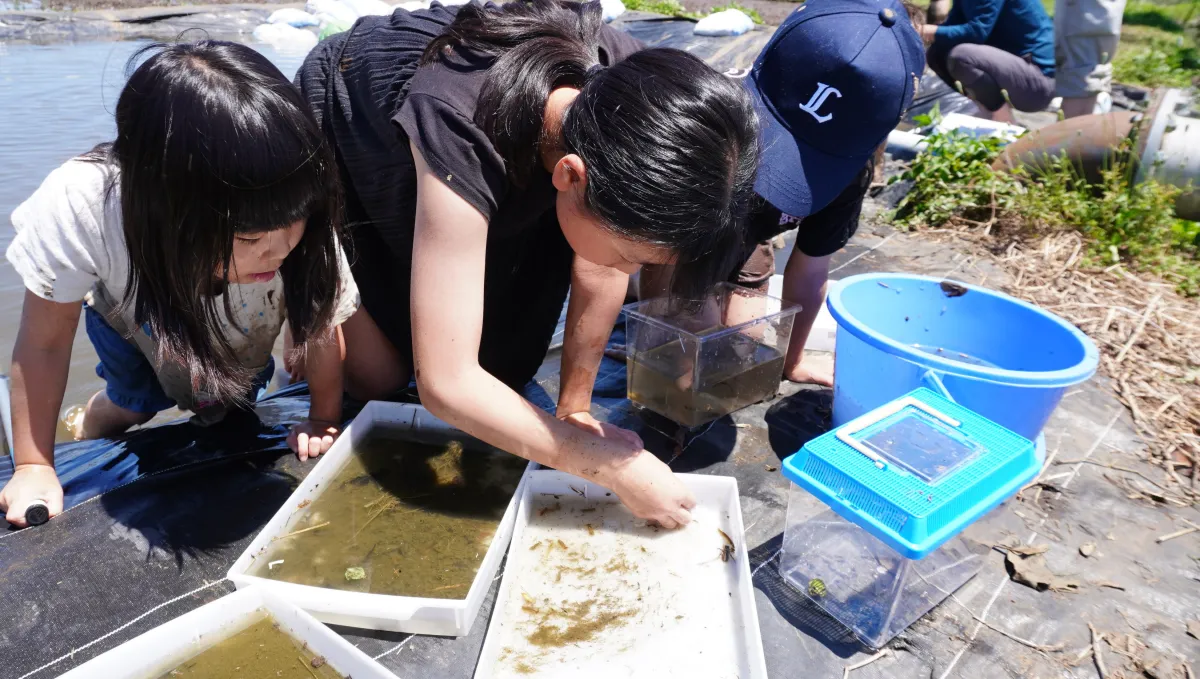
On May 30, a dedicated team from the PARC System Federation conducted a delightful wildlife observation event at a unique—yet handmade—biotope located in rice fields in Tsukuba City, Ibaraki Prefecture. The initiative is in line with PARC System's commitment to realizing a nature-friendly society by promoting agriculture free from pesticides. It was an exciting opportunity for children and volunteers to learn about the biodiversity fostered by traditional rice farming practices.
A Hands-On Ecological Experience
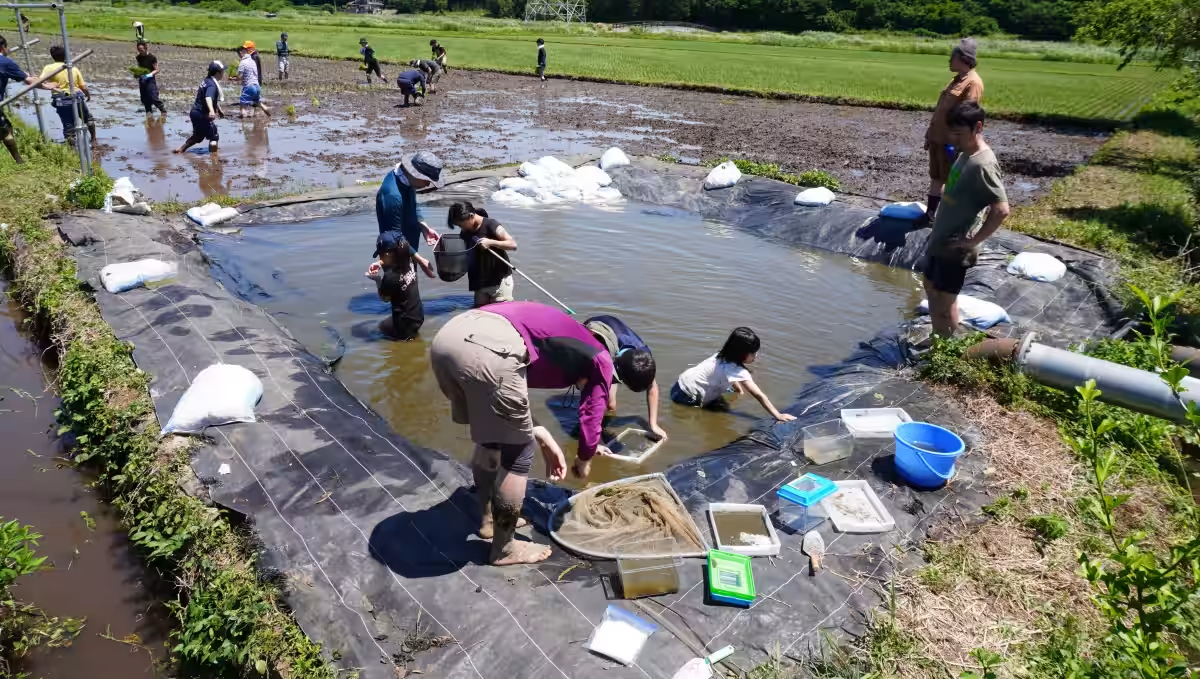
Constructed in March 2025 by a group of enthusiastic PARC staff members, this handmade biotope occupies an area of rice fields rented from the NPO Satoyama Revitalization and Food Safety Association, which is also based in Tsukuba City. This initiative has been supported by related organizations, where staff engage in agricultural assistance. Using heavy machinery, they created a small ecosystem by excavating soil and lining the area with vinyl to channel water from the rice fields.
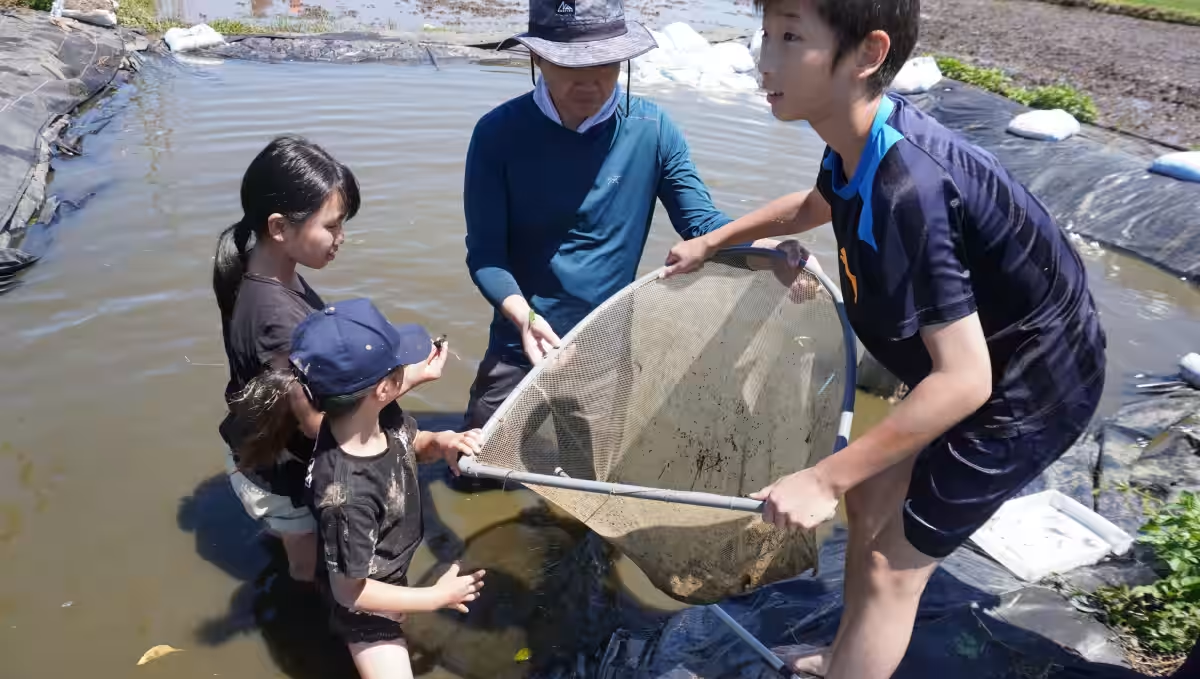
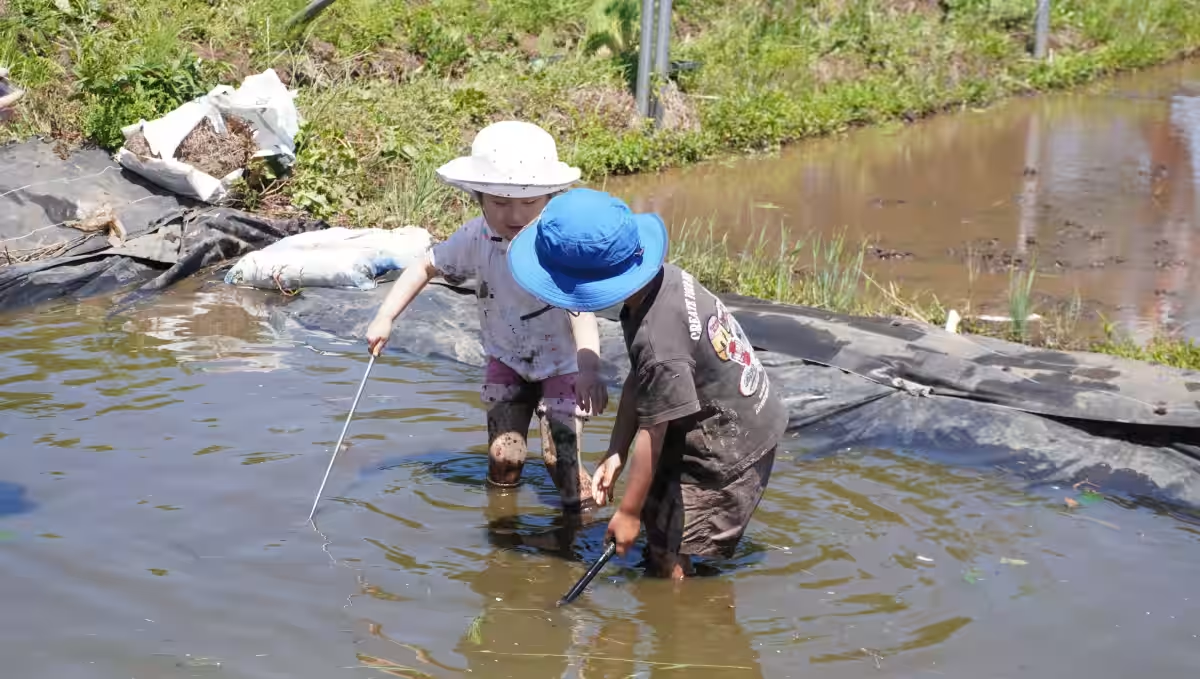
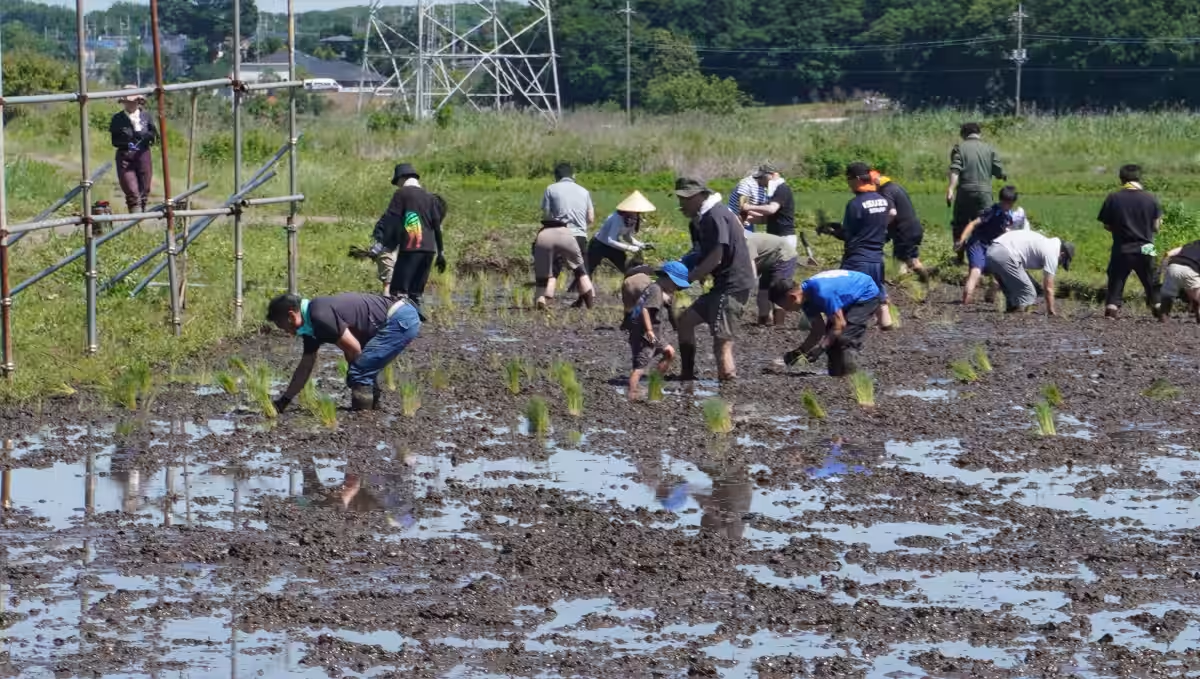
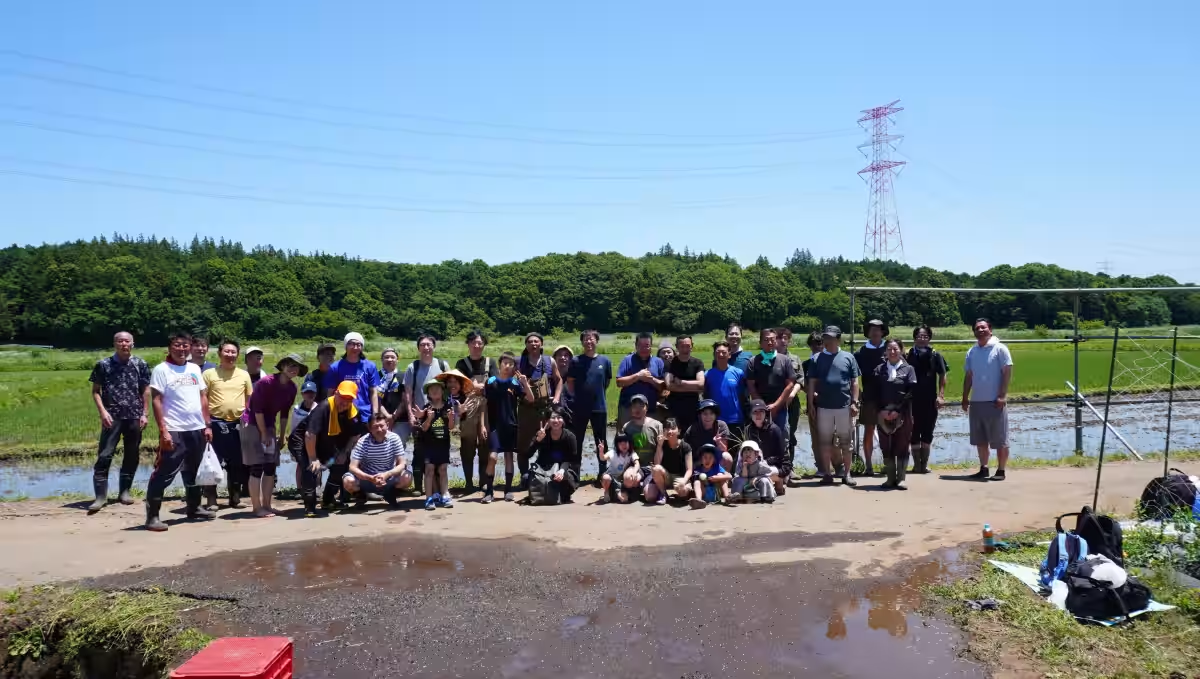
Around 40 participants joined the observation event, coinciding with rice planting activities. Barefoot and excited, both children and staff delved into the fields to investigate the living organisms thriving in this carefully crafted habitat. During their exploration, the team successfully identified various creatures such as water striders, pond beetles, and tadpoles—all drawn to the nourishing water sourced from the adjacent rice fields.
The Promise of Biotope for Fireflies
After rice planting, there’s a crucial process where water is temporarily drained from the fields to promote strong root development, known as 'naka-bari.' It is essential to ensure that aquatic creatures such as loaches and dragonfly larvae find refuge in the biotope, preserving the ecosystem. This approach not only enables a diverse living environment for fishes but also nurtures the ecosystem, which fosters the growth of dragonflies and frogs, enriching biodiversity.
Between July and August, the adjacent rice field becomes a serene landscape where Heike fireflies dance. With the introduction of reed snails as a food source, it is anticipated that the biotope could soon become a dazzling habitat for fireflies, enhancing the natural beauty of the PARC-supported agricultural fields. Continuous research is committed to ensuring that a diverse range of creatures finds a place in the biotope, establishing it as an inviting ecosystem devoid of synthetic chemical pesticides.
Promoting Environmental Conservation Awareness Among Staff
The Biotope Observation Team was set up as an initiative through the PARC Collective, a voluntary activity framework launched in the fiscal year 2024 designed for staff engagement. The goal is to work collectively beyond departmental boundaries to achieve the PARC System's Vision 2030, which focuses on nurturing a community that supports the core themes of 'food,' 'production,' and 'mutual assistance.'
This team comprises five staff members from various departments who are keen to enhance understanding of the importance of monitoring biodiversity in rice fields—a continued effort spearheaded by PARC since 2004 in collaboration with production areas. By involving staff from diverse backgrounds in wildlife assessments and caring for the biotope, PARC aims to expand its environmental conservation efforts throughout its network.
Future Directions for Sustainable Agriculture
PARC System continues to champion environmentally friendly agricultural practices within its partnerships, avoiding the use of pesticides wherever possible. The wildlife assessments undertaken are not merely academic; they aim to visually represent the necessity of preserving biodiversity within agricultural realms. Leveraging collective staff participation in this initiative helps to build awareness and bolster PARC's dedication to sustainable agriculture alongside consumers and producers.
As PARC System strives forward, it aims to enhance collaboration among consumers, staff, and producers, nurturing progressive, sustainable agricultural practices across Japan.
About PARC System Federation
- - Headquarters: 2-2-6 Okubo, Shinjuku, Tokyo
- - Chairman: Atsuyuki Shibusawa
- - Total Business Volume: 260.42 billion yen (as of March 2025)
- - Members: 1.762 million
- - Supporting Organizations: Including PARC System Tokyo, Kanagawa, Chiba, Saitama, Ibaraki, Tochigi, Yamanashi, Nagano, Gunma, Fukushima, Shizuoka, Niigata, and others.
Visit Our Website

Topics Environment)
【About Using Articles】
You can freely use the title and article content by linking to the page where the article is posted.
※ Images cannot be used.
【About Links】
Links are free to use.