



Exploring the Trend of Ingredient-Centric Skincare in Japan
Understanding the New Skincare Trend in Japan
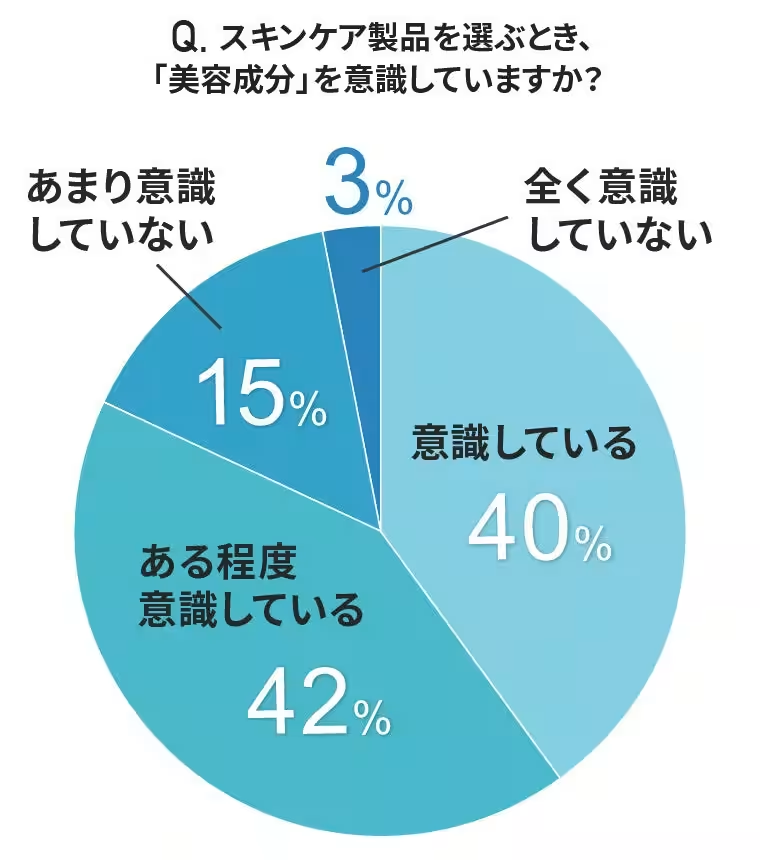
The recent survey conducted by Central Medience Communications through their health-oriented media platform, "Karada ni Ii Koto," sheds light on the changing landscape of skincare product selection in Japan. This study focuses on consumer behavior towards cosmetic ingredients, emphasizing that more than 80% of individuals are now conscious of the ingredients in their skincare products.
Survey Overview
Conducted between June 13 and June 18, 2025, the survey targeted 182 ambassadors from "Karada ni Ii Koto," and used a web-based questionnaire to gather insights from across the country. The findings reveal significant trends in consumer priorities when choosing skincare products.
Consumer Awareness of Cosmetic Ingredients
The emergence of the "ingredient-centric" purchasing trend is not limited to beauty enthusiasts but is gaining traction among the general public. When asked, "Do you consider beauty ingredients while selecting skincare products?", 40% of respondents said they are fully aware, while an additional 42% noted they have some level of awareness. Only 3% admitted to being completely unconcerned about the ingredients, demonstrating high awareness regarding cosmetics.
Priorities in Cosmetic Selection
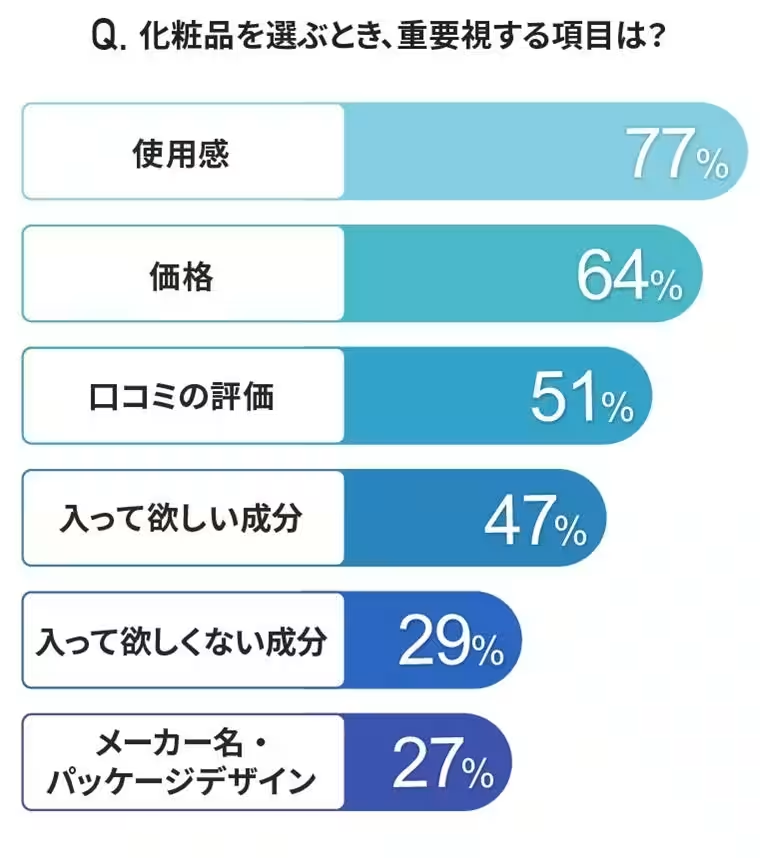
When it comes to selecting cosmetics, users prioritize their concerns as follows:
1. Texture and Feel (77%)
2. Ingredients (47%)
3. Price (64%)
Interestingly, a staggering 84% emphasized the importance of safety and irritation-free use when incorporating beauty ingredients. Additionally, respondents exhibited cautious behavior, focusing significantly on effective usage methods and the concentration of active ingredients.
Popular and Desired Beauty Ingredients
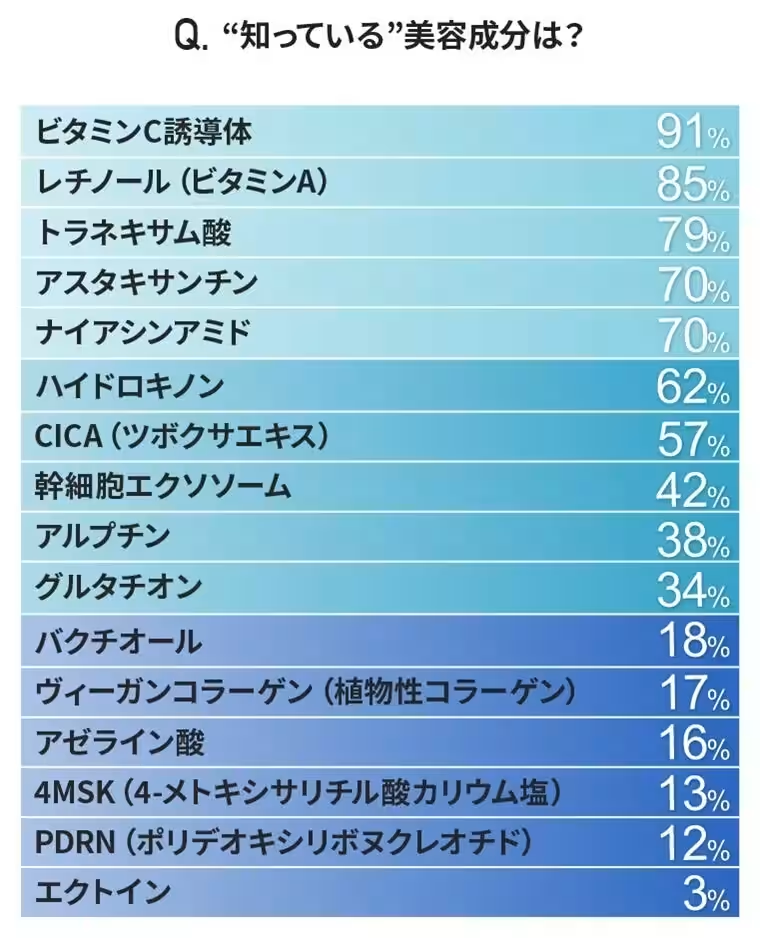
Among the beauty ingredients consumers are aware of, Vitamin C derivatives rank first, with 91% recognizing them, followed closely by Retinol (Vitamin A) at 85% and Tranexamic Acid at 79%. These confidence ratings also correlate with actual usage, indicating that 62% of individuals use Vitamin C derivatives and 51% use Retinol. On the other hand, when asked about ingredients they wish to learn more about or want to try, stem cell exosomes topped the list at 24%, followed by Retinol at 13% and both Vitamin C derivatives and vegan collagen at 10%.
The intentions behind these preferences are notable—stem cells are associated with youthful skin, while customers associate Retinol with wrinkle reduction, and Vitamin C derivatives are sought after to eliminate dark spots.
Makeup vs. Skincare: A Distinct Difference
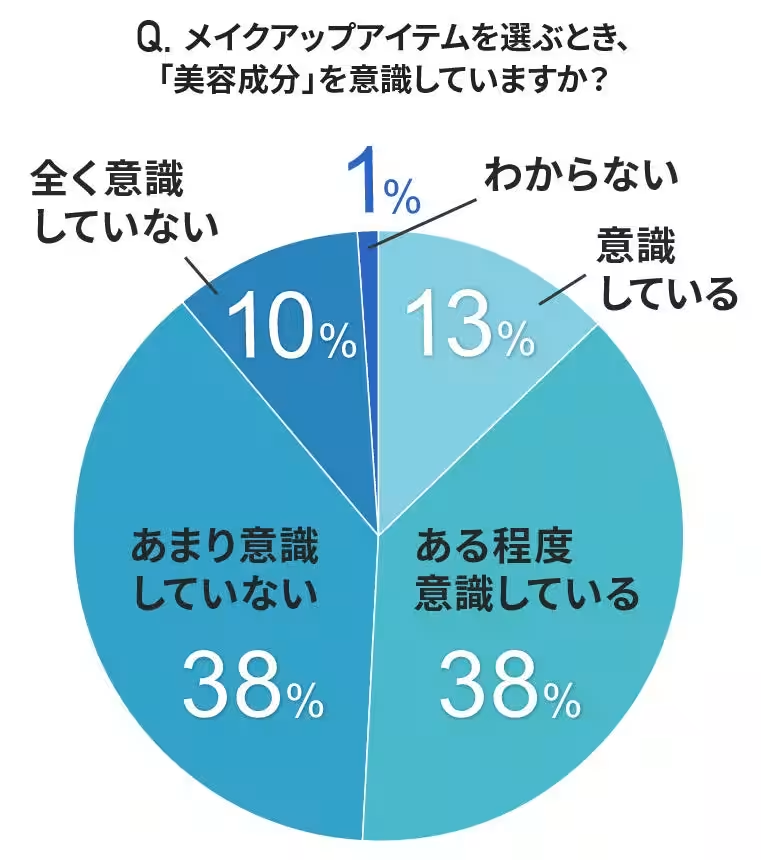
When exploring makeup products, however, the trend shifts. Only 13% stated they are conscious of beauty ingredients, with 38% noting they are somewhat aware and the same amount admitting to a lack of awareness. This demonstrates a discrepancy in how consumers prioritize ingredients for makeup compared to skincare.
Conclusion
"Karada ni Ii Koto" serves as a vital resource for individuals seeking reliable health information amidst the increasing spread of misinformation. With over 2,000 expert-reviewed articles, the platform is dedicated to guiding users who may feel overwhelmed by conflicting advice on health and beauty. Additionally, more than 1,000 ambassadors contribute to the dialogue, further expanding the platform’s reach and reliability.
For anyone navigating the world of skincare and beauty, understanding the significance of ingredients is becoming crucial. As consumers become more educated, brands must adapt and focus on transparency in their formulations to meet the expectations of this new generation of skincare enthusiasts.
Explore more on Karada ni Ii Koto and stay informed about smart skincare choices.
Topics Consumer Products & Retail)




【About Using Articles】
You can freely use the title and article content by linking to the page where the article is posted.
※ Images cannot be used.
【About Links】
Links are free to use.