



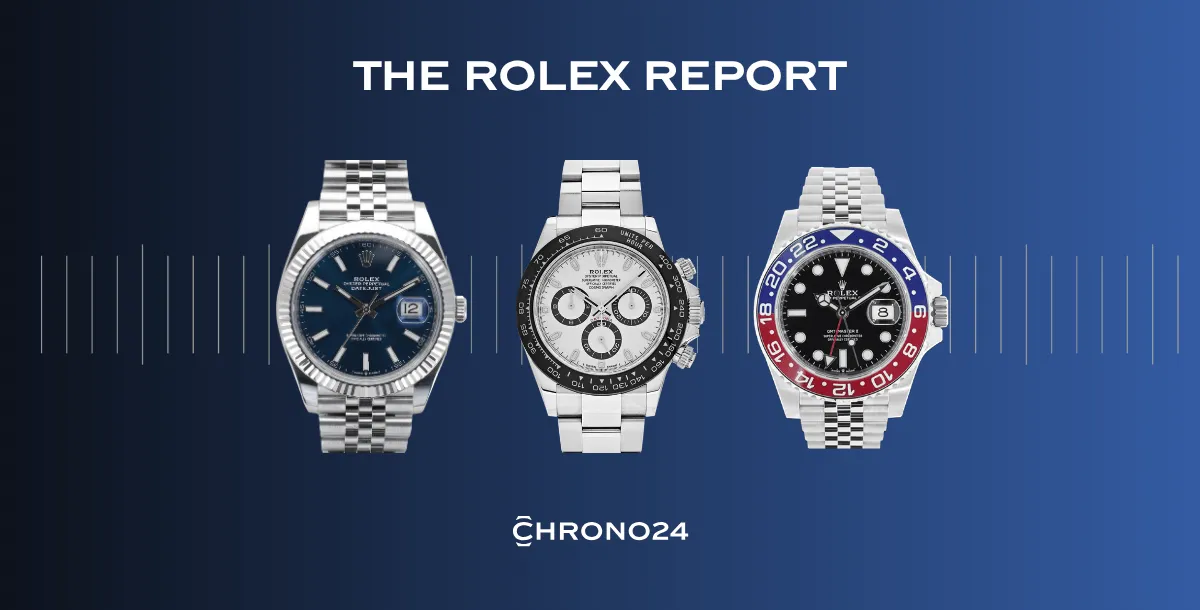
Chrono24's Watch Report Reveals Changing Trends Among Rolex Buyers
Chrono24's Rolex Report 2026: The Shifting Landscape of Luxury Watch Purchases
Chrono24, a leading online marketplace for luxury watches, has released its highly anticipated "Rolex Report 2026" which analyzes transaction data from millions of dealings on its platform between 2018 and the second quarter of 2026. This release comes amidst evolving market conditions, providing valuable insights into the current status and future trends surrounding Rolex watches.
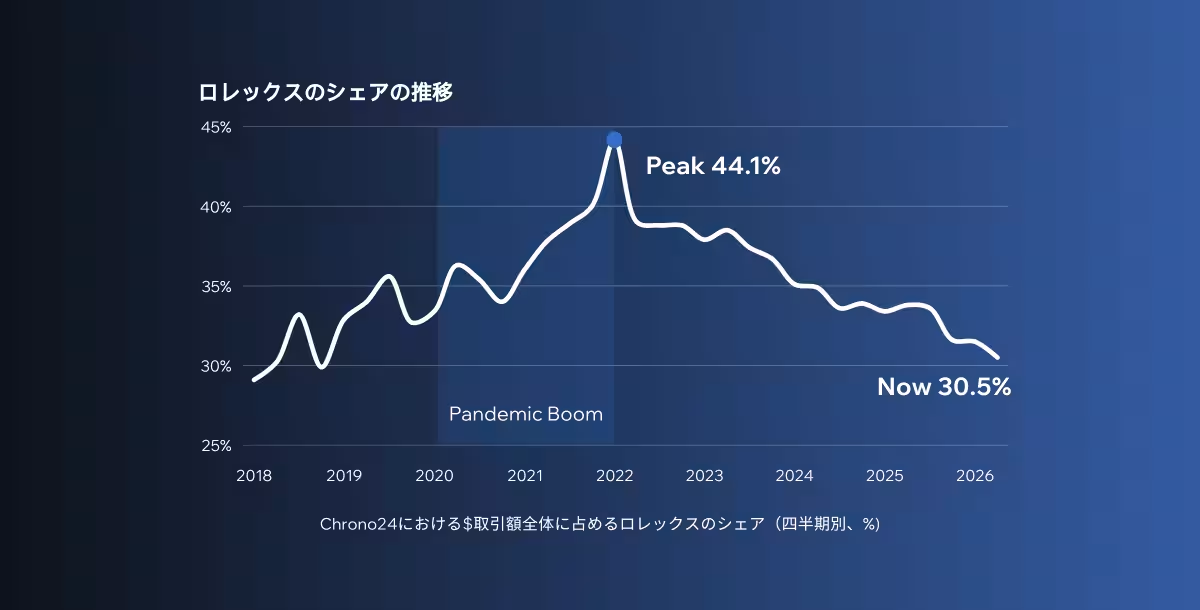
One of the key findings reveals that the pandemic-induced premium prices for Rolex have completely dissipated. While the brand still maintains a commanding presence in the luxury watch market, its dominance is gradually diminishing across all segments. Notably, younger buyers, particularly those under 30, are no longer exclusively spending their budgets on Rolex, opting instead to diversify their purchases among various brands.
Changing Spending Patterns Among Young Buyers
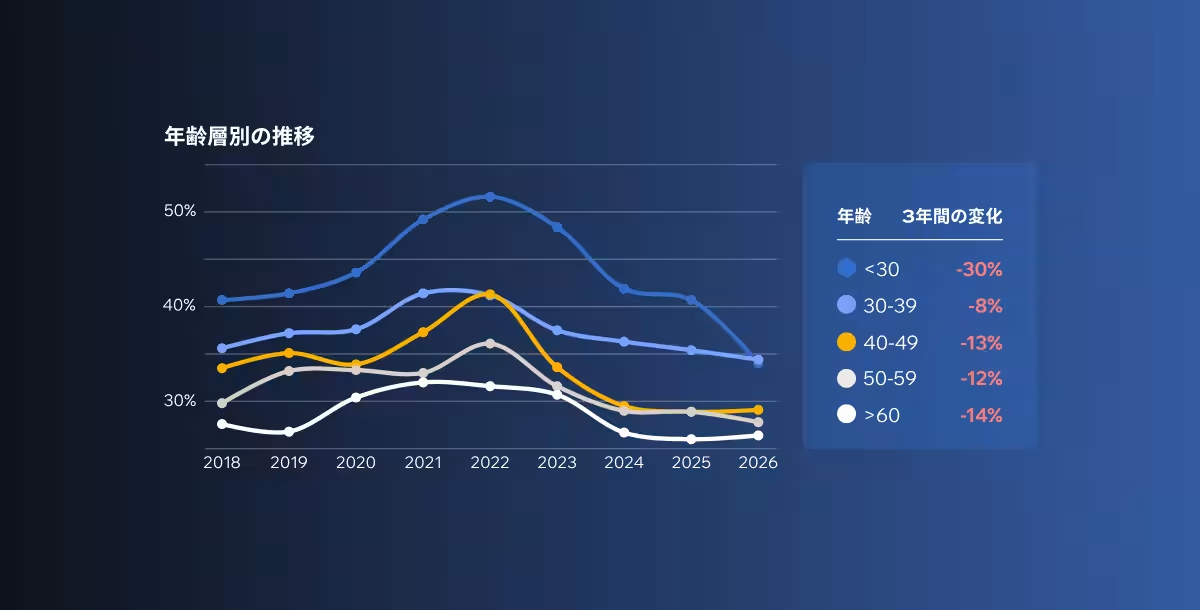
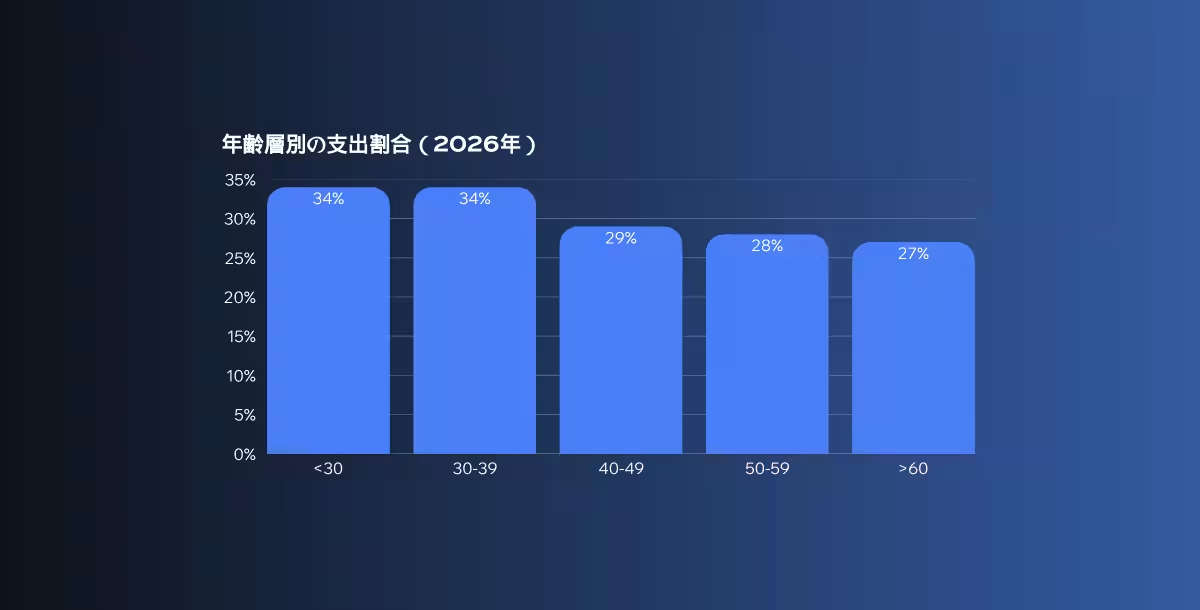
30-year-old buyers have distinctly reduced their spending on Rolex watches. At the height of interest in 2022, these consumers allocated nearly half of their watch budget to Rolex; this figure has now plummeted to approximately 34%, marking a significant reduction of about 30% over the last three years. This trend is the most pronounced among all age groups, illustrating a shift in priorities and interests among younger purchasers.
Starting in 2023, Rolex's market share has seen a decline of 3-8 percentage points across all price ranges. In contrast, competitors such as Cartier, Patek Philippe, Audemars Piguet, and Vacheron Constantin have all surged in prominence.
Regional Market Insights
According to the report, North American buyers still account for the highest proportion of Rolex transactions, now comprising 35.4% of the total, an increase from about 27% in 2018. Conversely, the share has dramatically decreased in Asia, dropping from the low thirty percentage range to around 20%.
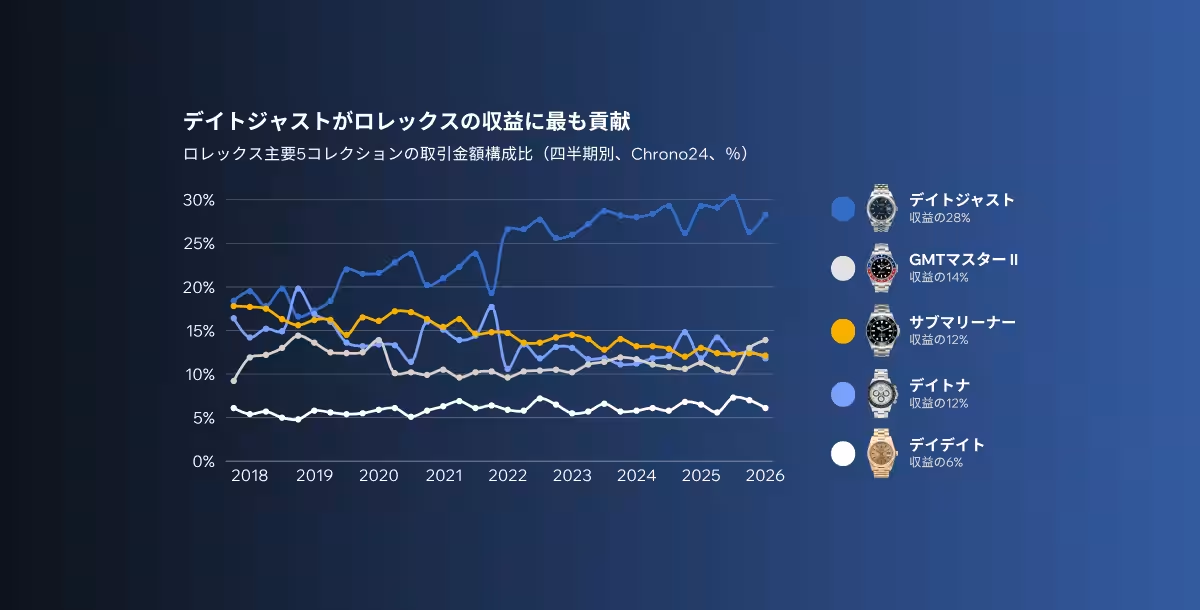
Interestingly, there's a noticeable transition in demand from sport-oriented models to the classic Datejust collection. Currently, the Datejust represents about 28% of Rolex transaction values on Chrono24, marking it as the most sought-after collection among their offerings.
Market Stability Post-Pandemic
After experiencing years of price surges and supply constraints during the pandemic, the luxury watch market is finding a sense of stability. The rise in Rolex prices, which has now surpassed pre-pandemic levels by approximately 55%, signals that despite the dip in market share, demand continues to grow. Over the past year, prices have increased by 7%, indicating enduring interest in Rolex watches.
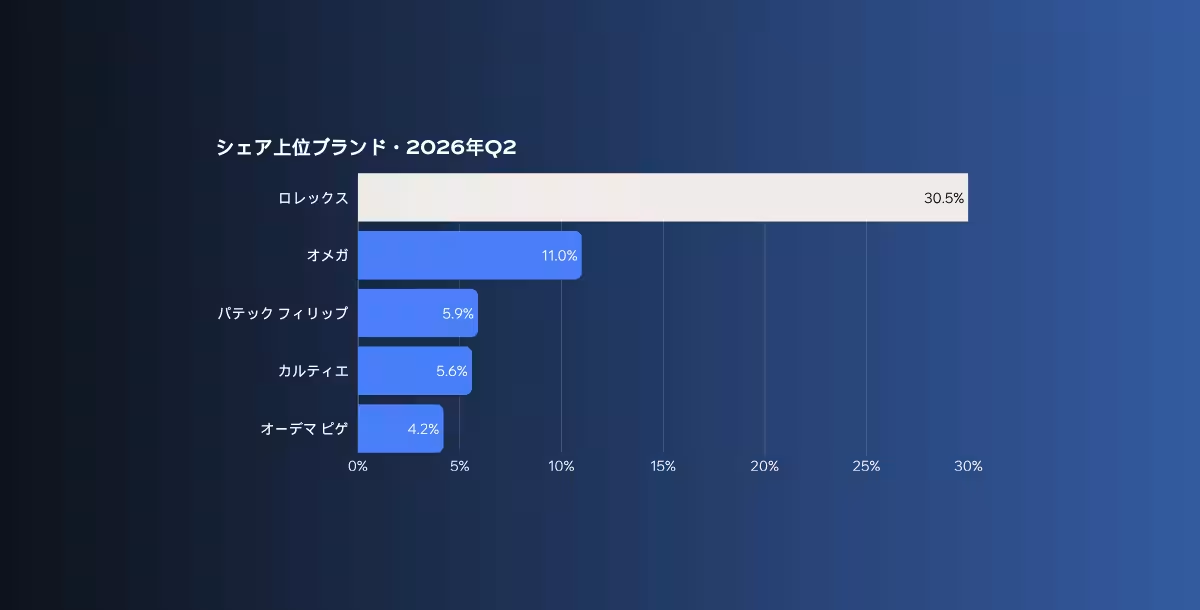
Chrono24's marketplace data shows that Rolex still holds about 31% of transaction share, followed closely by Omega at around 11% and Patek Philippe at approximately 6%. However, this landscape is witnessing substantial changes.
Buying Behavior and Market Dynamics
The decline in Rolex's share appears more a result of competitive brand growth rather than Rolex's reduction in market power. Not only are young buyers showing a propensity to explore other brands and styles, but they are increasingly leaning towards more formal watch designs, indicating a shift in preferences that further reflects the values and aesthetics of the younger generation.
Women are also significantly shifting their spending behaviors. Female purchasers currently allocate around 37.5% of their watch budget to Rolex, surpassing male buyers who spend 30.1%. Both figures have returned to pre-pandemic levels, showcasing a broader trend towards gendered price differences in luxury watch purchases.
Conclusion: A Maturing Market
As we analyze the report's findings, it becomes evident that the luxury watch market, centered around iconic brands like Rolex, is evolving and maturing. With buyers now embracing a wider range of options based on personal values instead of merely following trends, we see a more equalized marketplace emerging. The key takeaway is that while Rolex remains an influential benchmark, buyers are diversifying their choices, prompting other brands to step up and innovate.
As per Balazs Ferenczi, Head of Brand Engagement at Chrono24, "The pandemic's pricing premium has vanished entirely, and this shift is distinctly evident among generations of buyers. Young consumers, previously the backbone of market enthusiasm, are now turning their attention to other brands and classic models like the Datejust. Rolex continues to guide market trends, but spending is becoming broader, reflecting a heightened interest in variety."
The complete "Rolex Report 2026" can be downloaded from Chrono24's official website, providing further insights into these market dynamics.
- ---


Topics Consumer Products & Retail)








【About Using Articles】
You can freely use the title and article content by linking to the page where the article is posted.
※ Images cannot be used.
【About Links】
Links are free to use.