



Designing Darkness: Innovative Public Spaces with Phosphorescence in Tokyo
Designing Darkness: Innovative Public Spaces with Phosphorescence in Tokyo
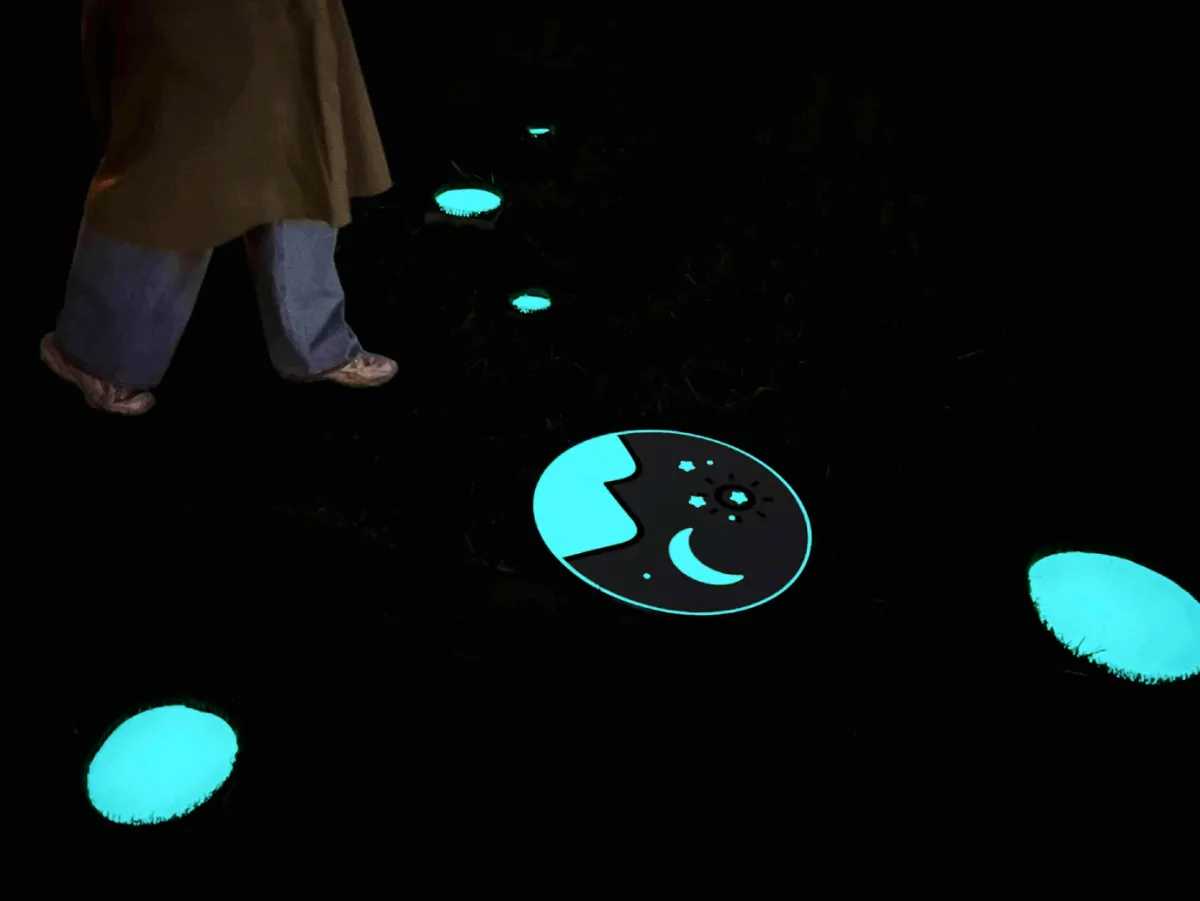
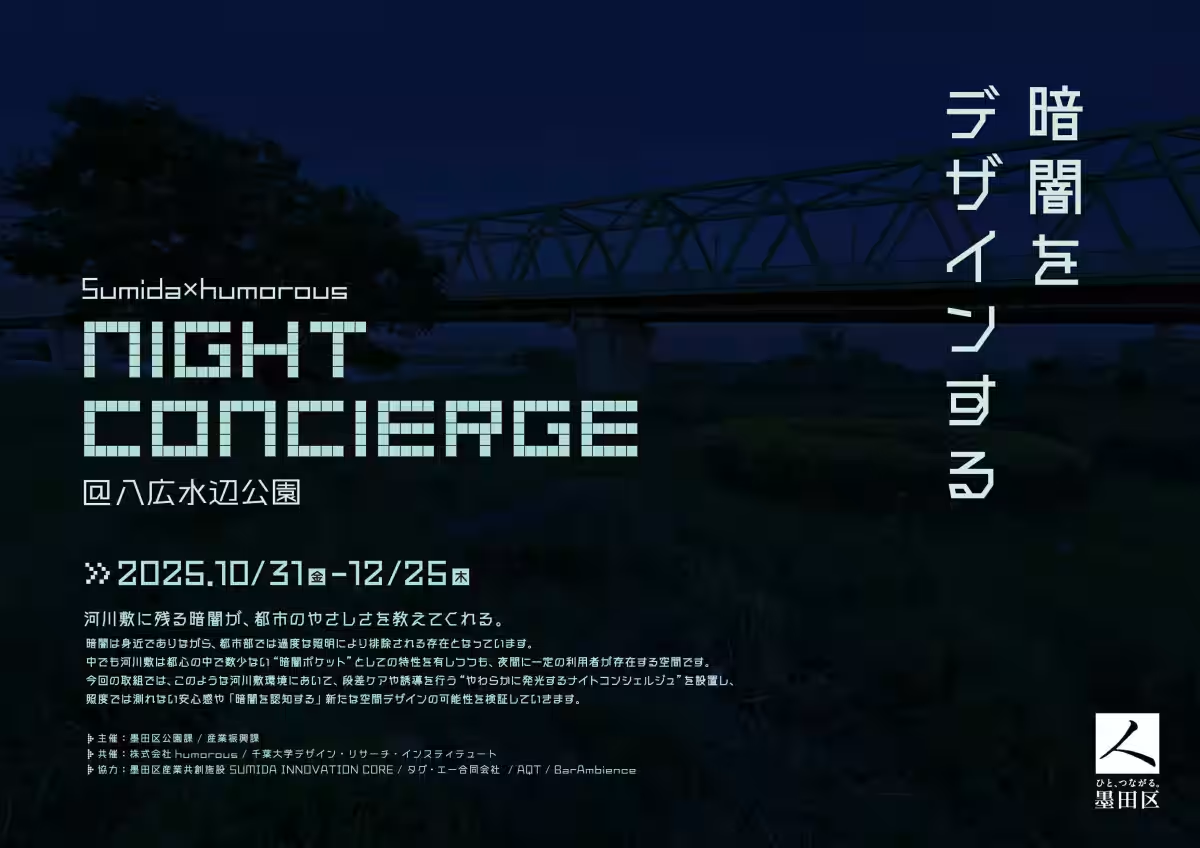
In a groundbreaking initiative, the Sumida City of Tokyo (Mayor: Tohru Yamamoto), in collaboration with Humorous Inc. (CEO: Yuki Tamura) and Chiba University’s Environmental Design Laboratory, is experimenting with an innovative concept in urban public space design. The project launches in the Arakawa Yotsukibashi Green Space, harnessing phosphorescent materials to illuminate the beauty and safety of nighttime without relying on traditional electricity. The theme, "Designing Darkness", embraces the coexistence with the night instead of resisting it, aiming to create new spatial designs that foster a sense of security and allure in urban settings. With participation from local creators, the initiative is poised to set a precedent adaptable to public spaces throughout Japan.
Recognizing the Importance of Riverbanks and the Limitations of Lighting Infrastructure
Japan boasts approximately 13,935 rivers, with riverbanks spanning vast territories of the nation. These areas, while encompassing about 10% of the land as flood-prone zones, also house nearly half of the country's population and 75% of its assets.
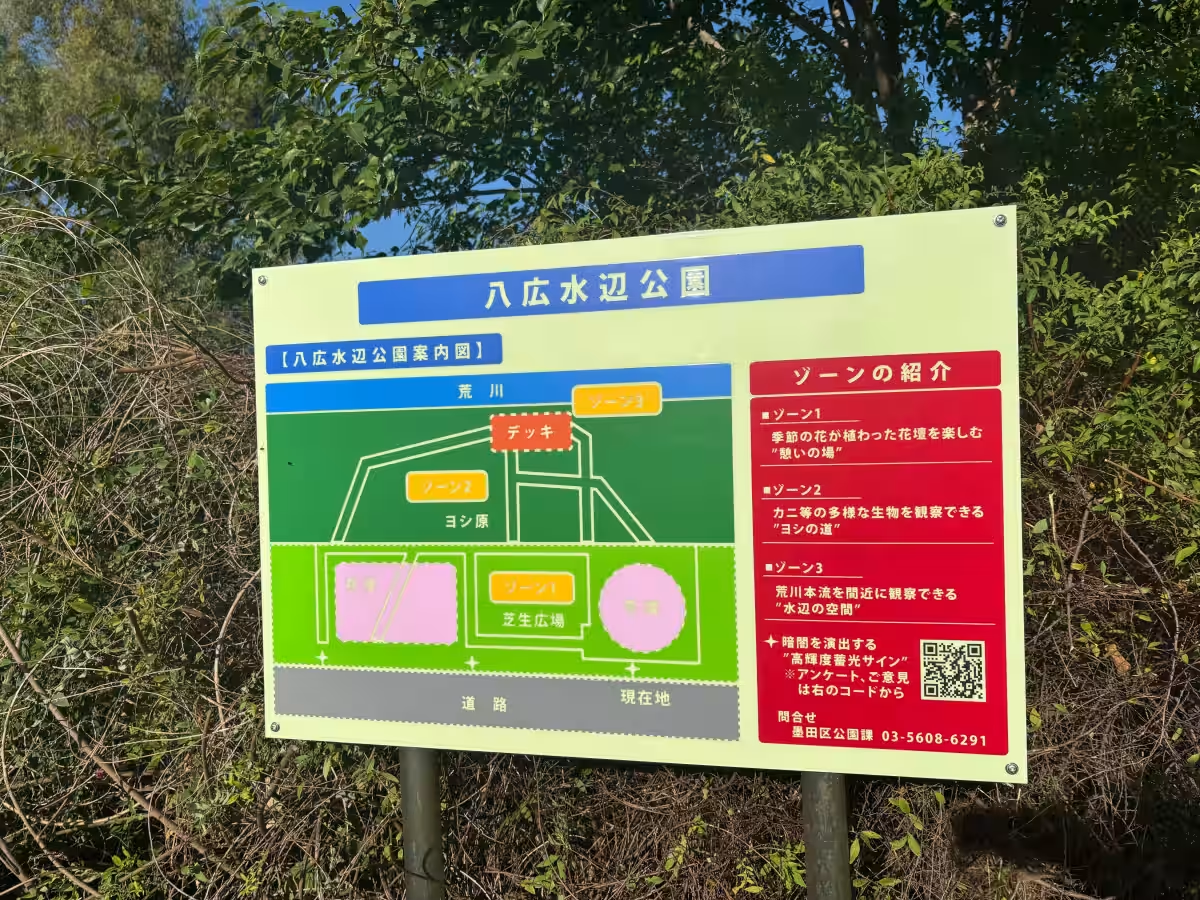
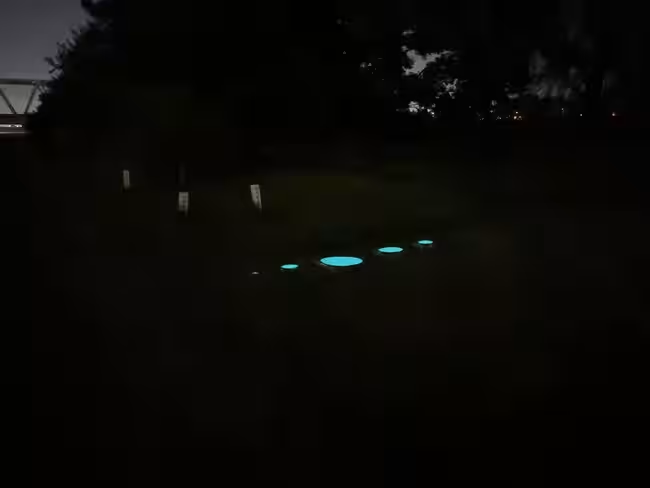
Located in the lower Arakawa River basin, the Yotsukibashi Green Space in Sumida District is notable for its darkness at night, which contrasts starkly with its urban surroundings. Many visitors engage in activities like jogging and walking in this area, indicating a demand for night-time usability that is mirrored across Japan’s riverbanks. However, installing extensive lighting infrastructure comes with numerous limitations—including electricity supply, maintenance costs, and considerations around light pollution. In fact, it's estimated that there are between 11 million to 12 million street lights nationwide, and despite advancements in LED technology, many installations remain outdated, adding to the complexity of urban safety linked to illumination.
Thus, a paradigm shift is necessary—from “illuminating” to “utilizing” darkness. This project directly addresses this fundamental change in perspective, promoting a design approach that interweaves safety in dimly lit public areas without following the standard lighting solutions.
Harmonizing Non-lighting Solutions with Phosphorescence
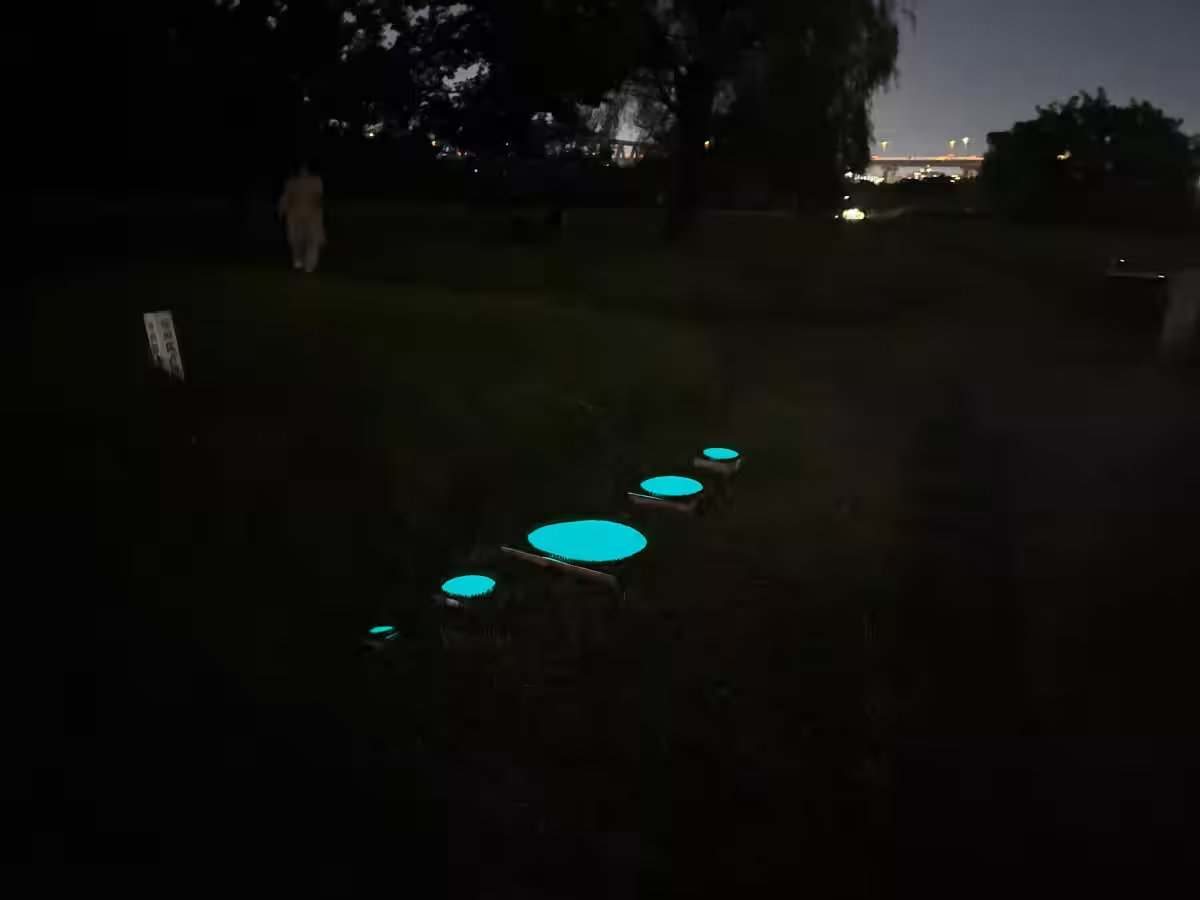
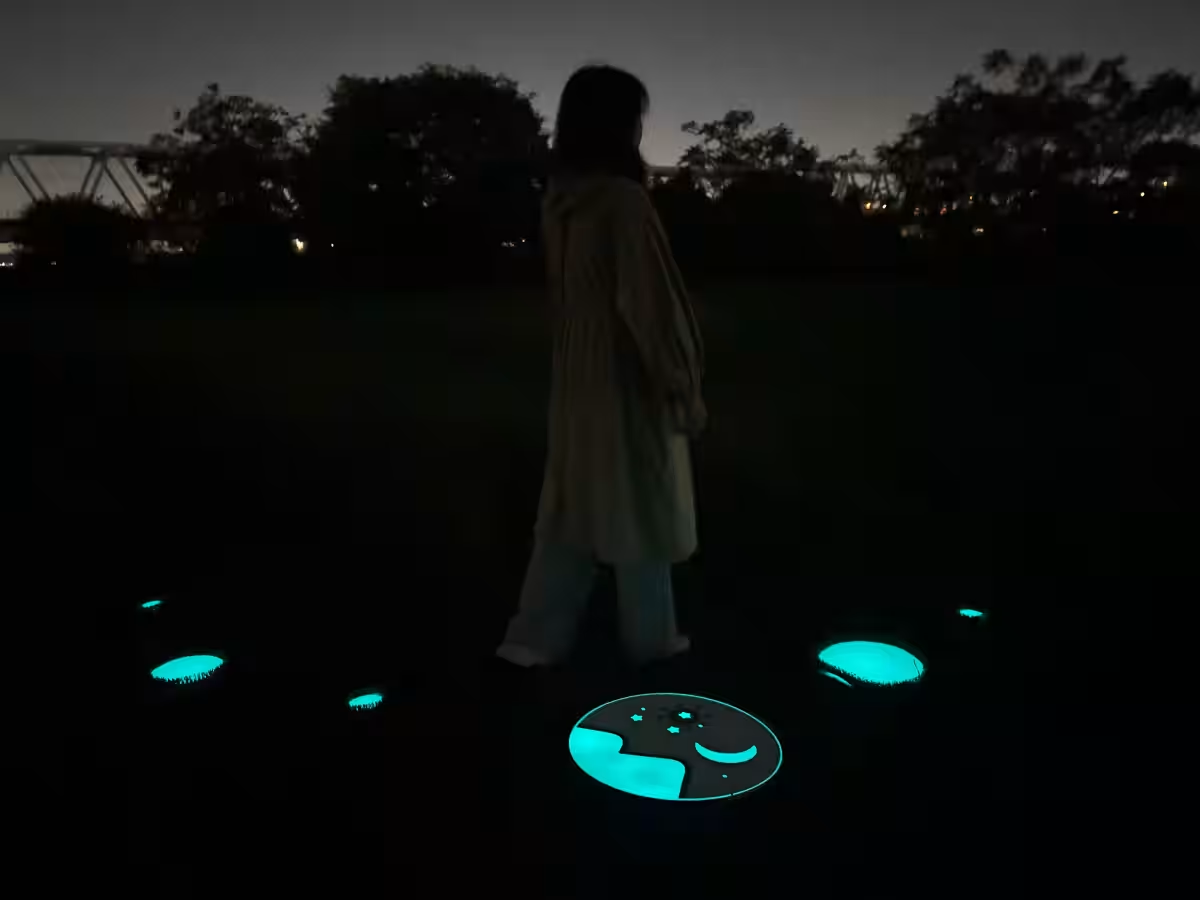
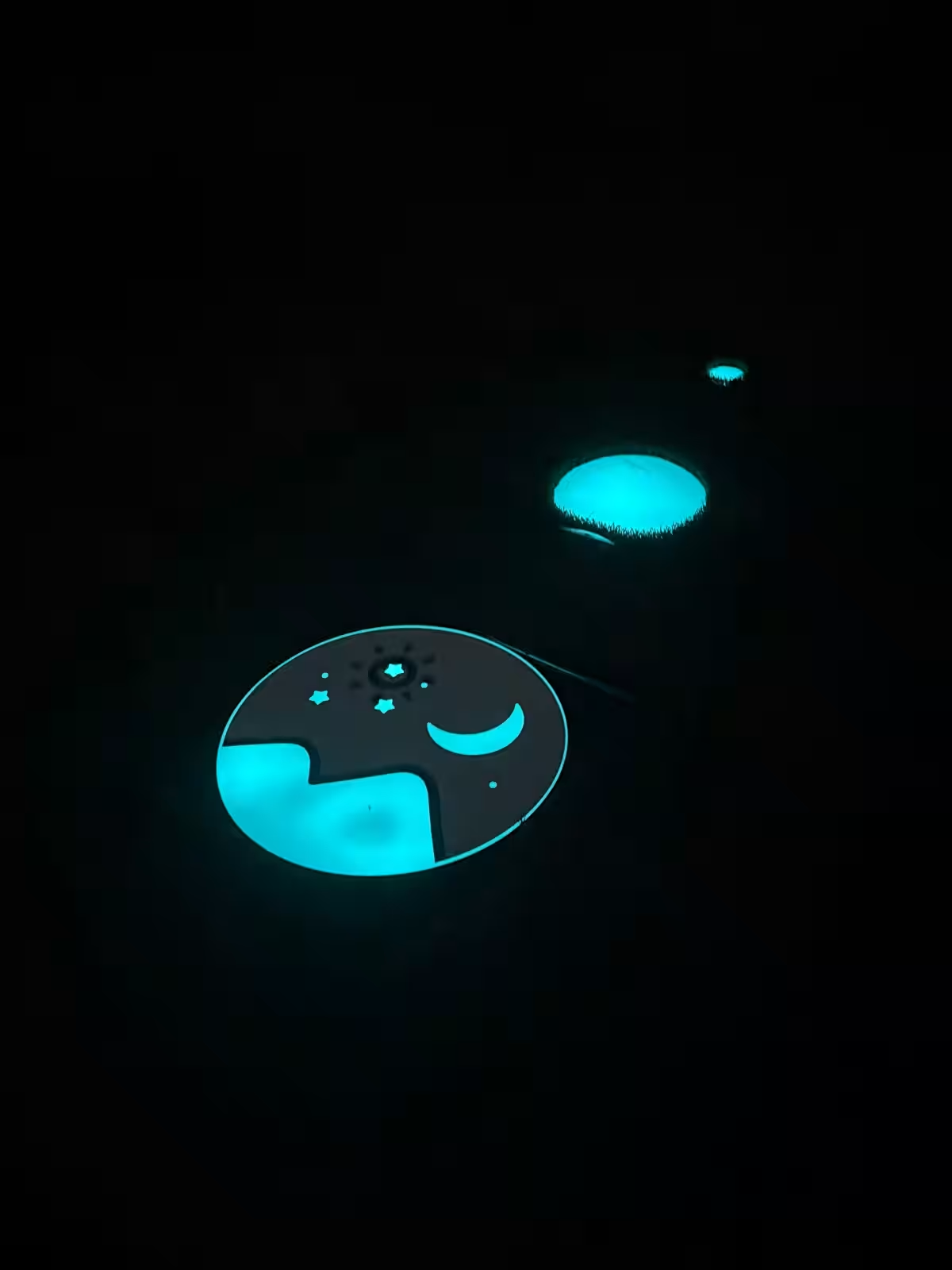
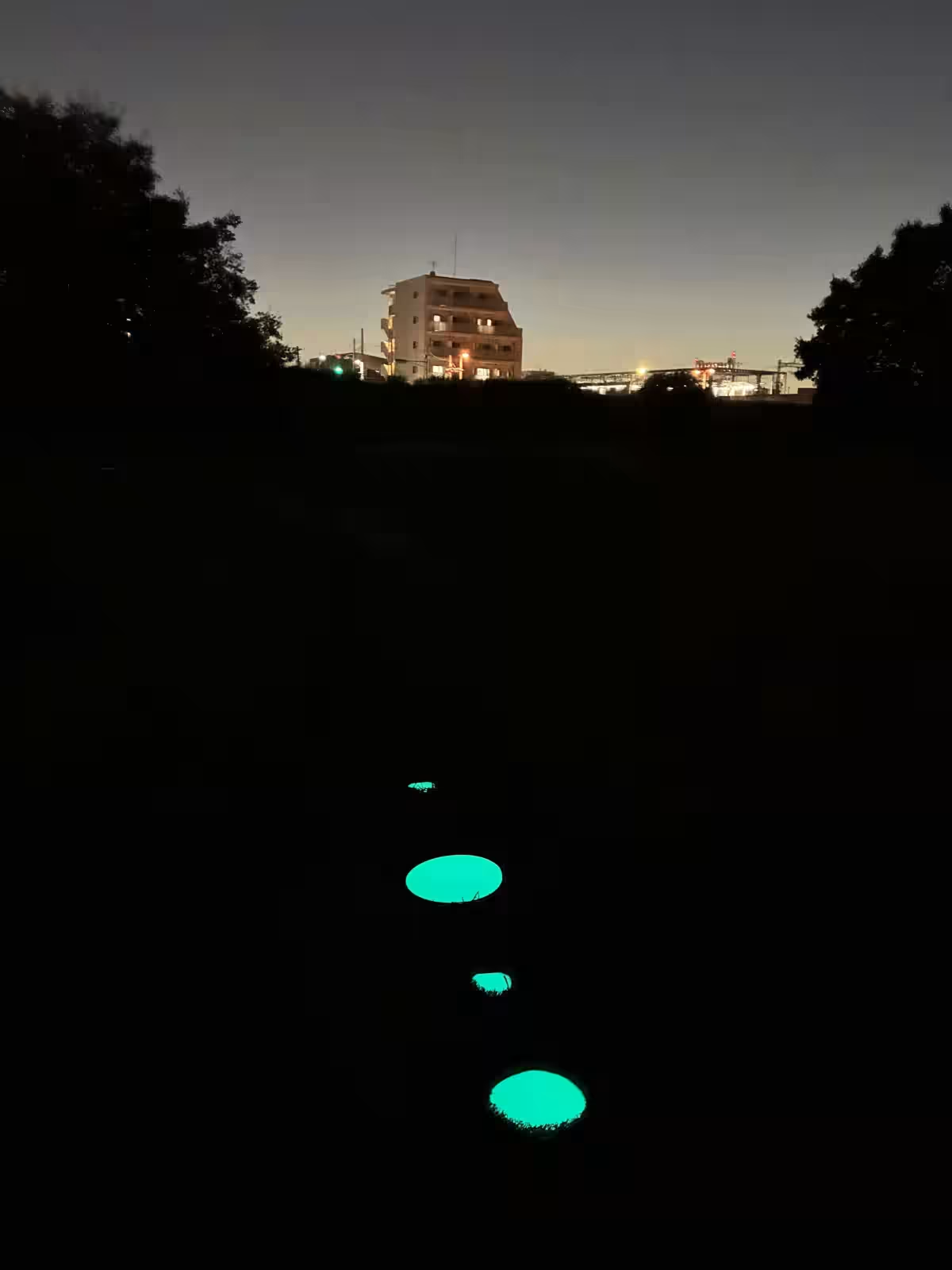
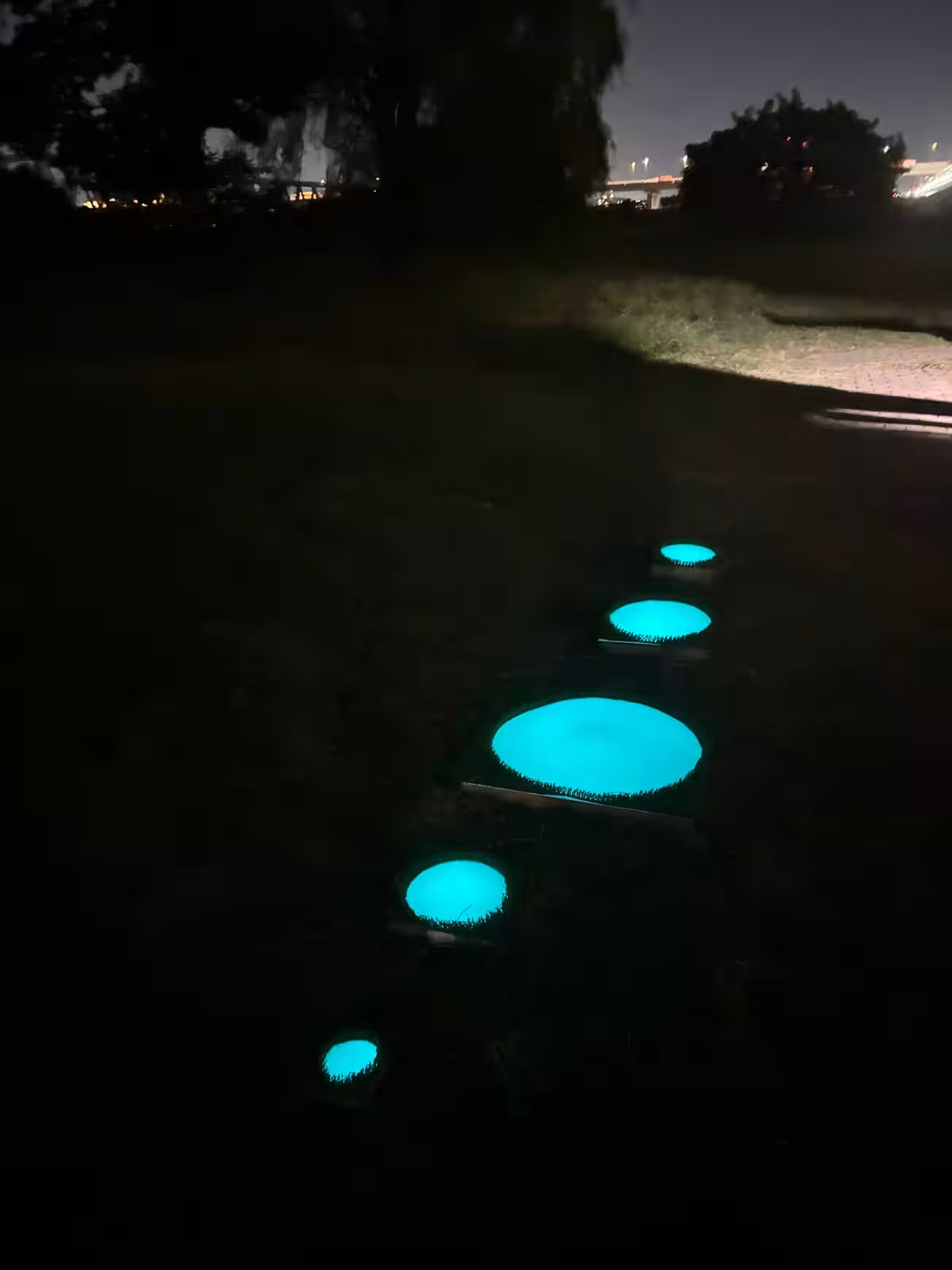
The project posits that darkness should not be eliminated but rather embraced. Instead of creating artificial brightness, it intends to craft a space that allows for a recognizable, safe darkness through phosphorescence. The features include accommodating safe movement and guiding visitors via softly glowing signage, thereby fostering a sense of security not measurable by light alone.
Two types of units are to be introduced in the area:
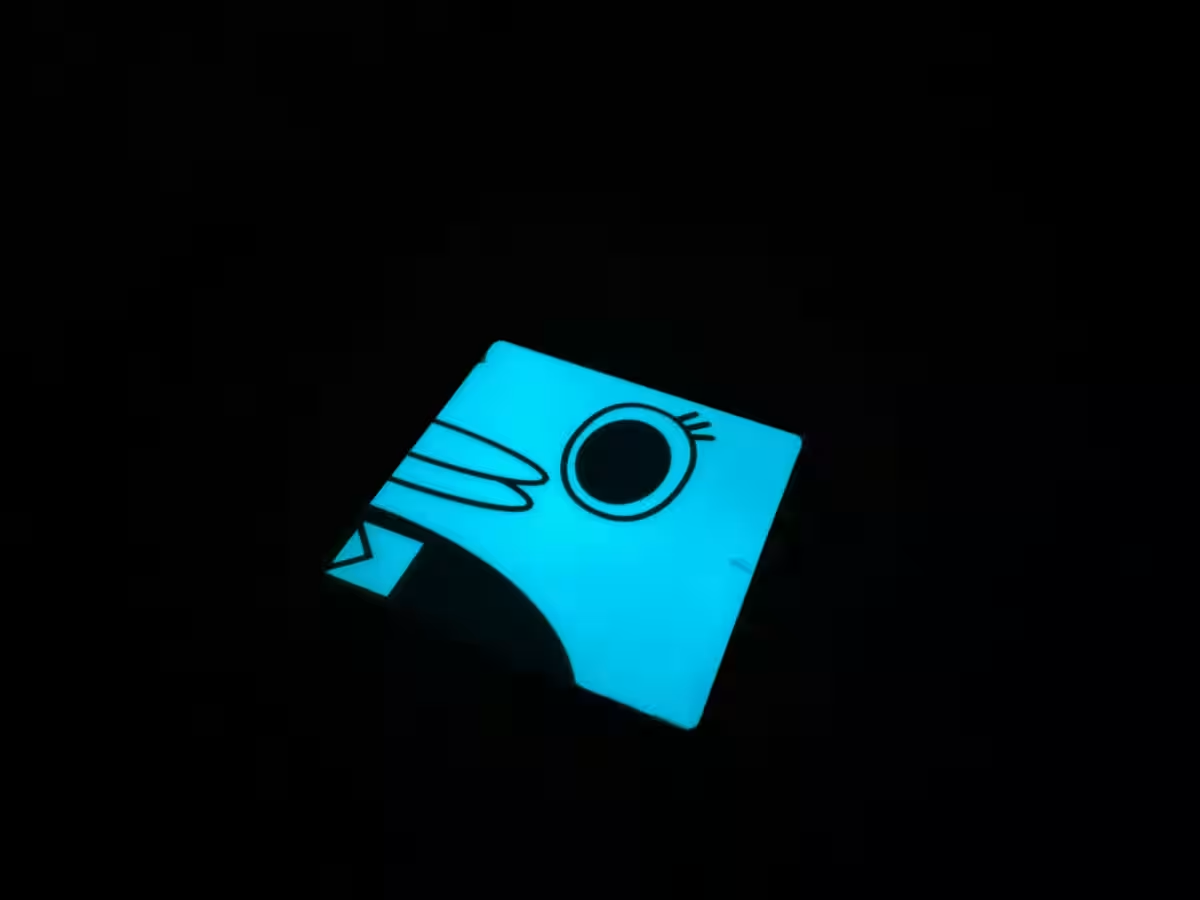
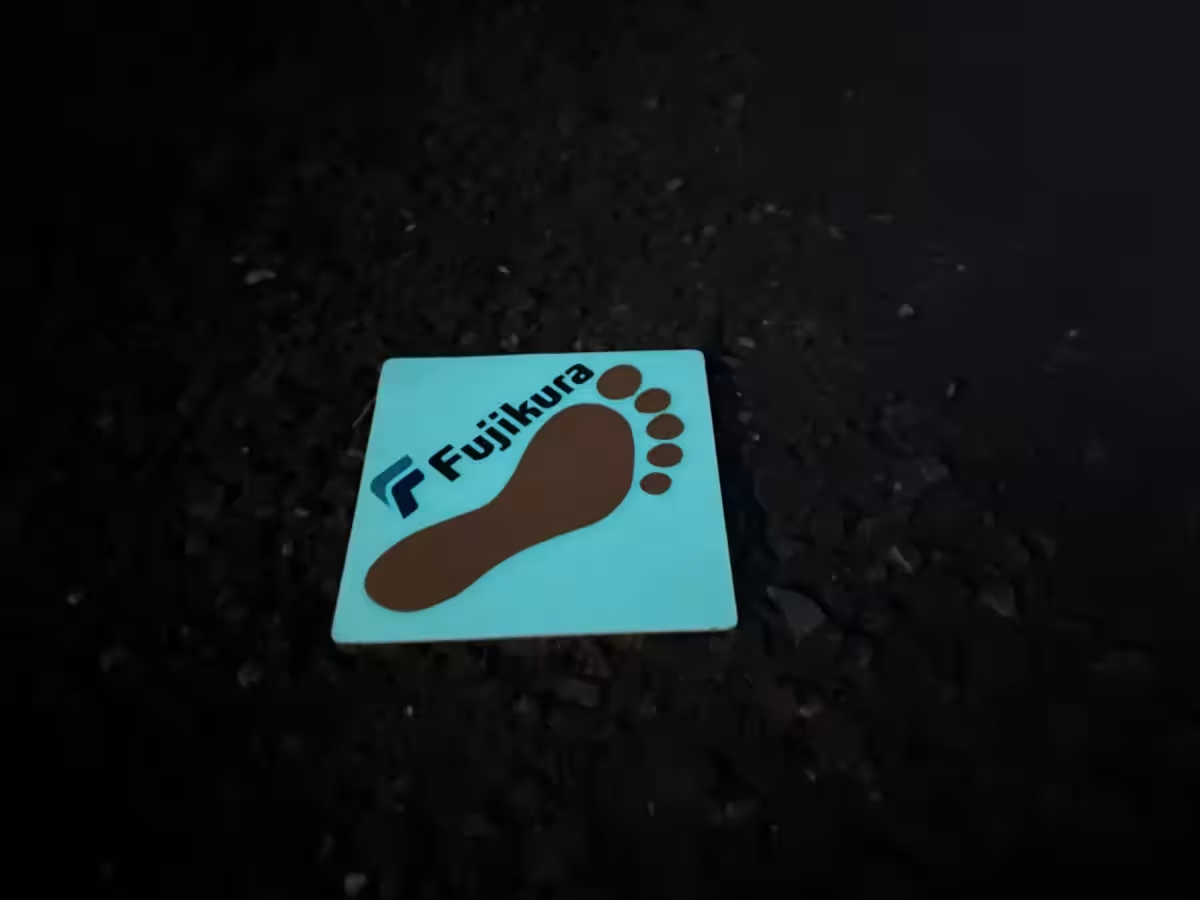
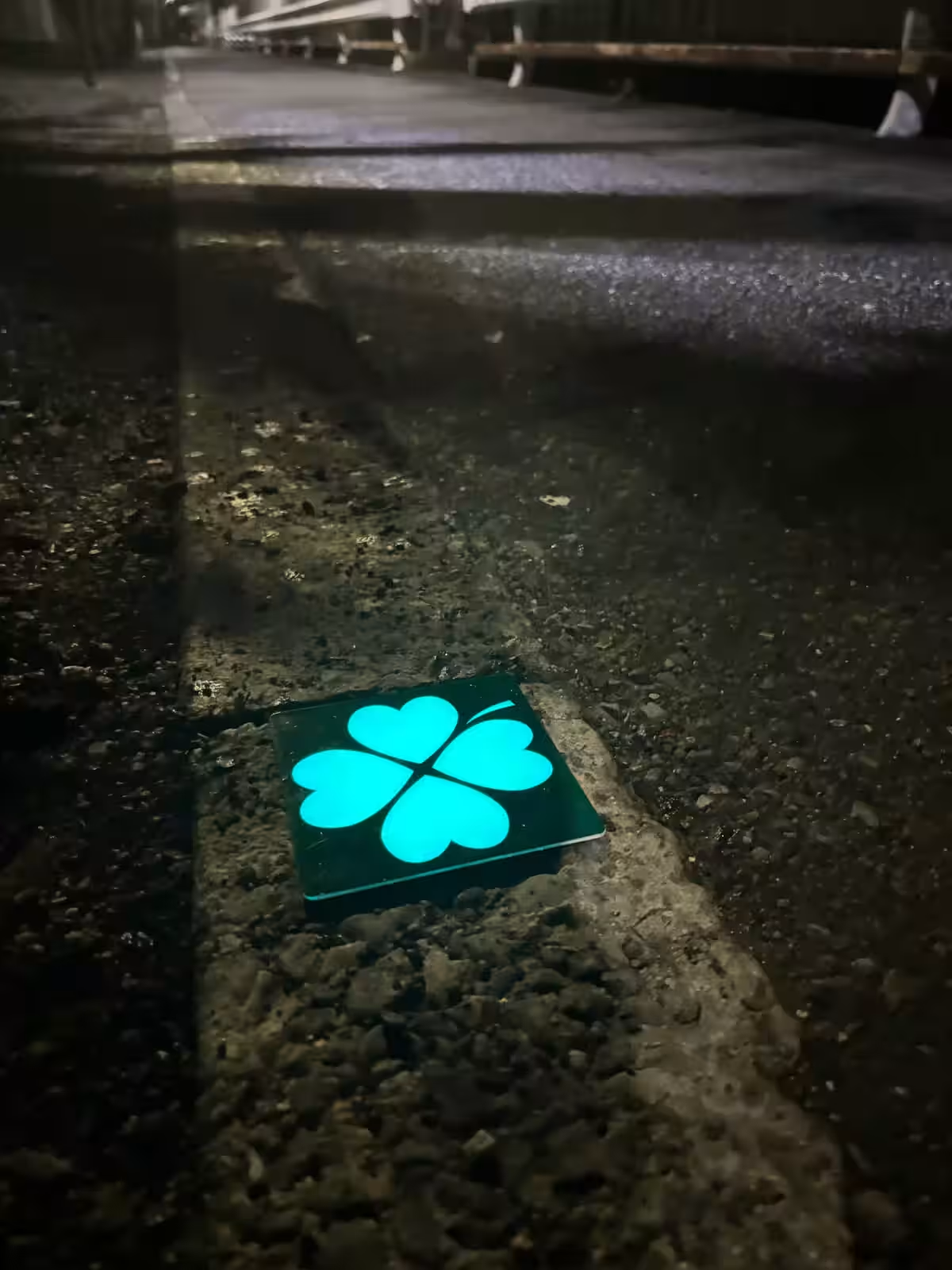
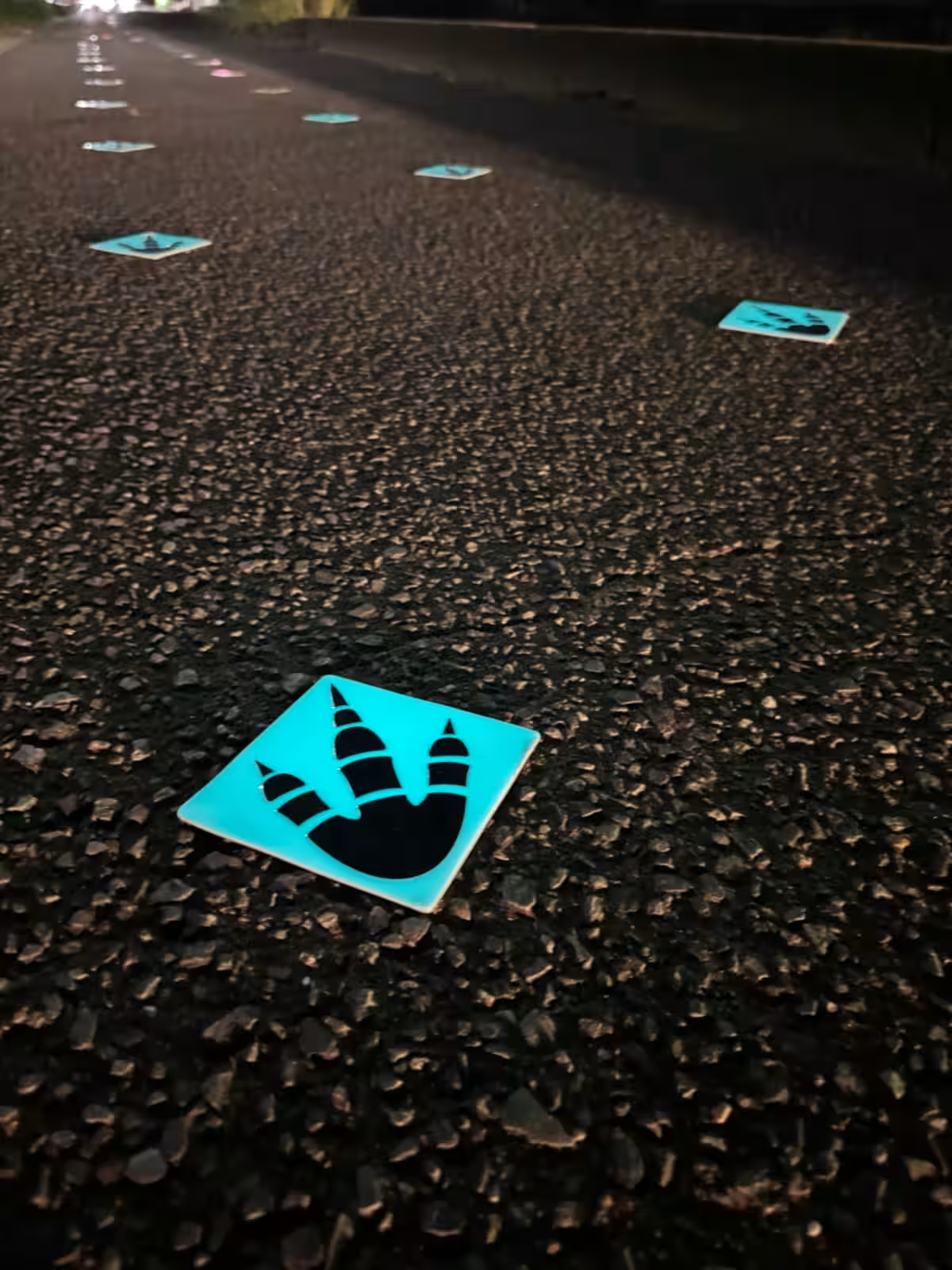
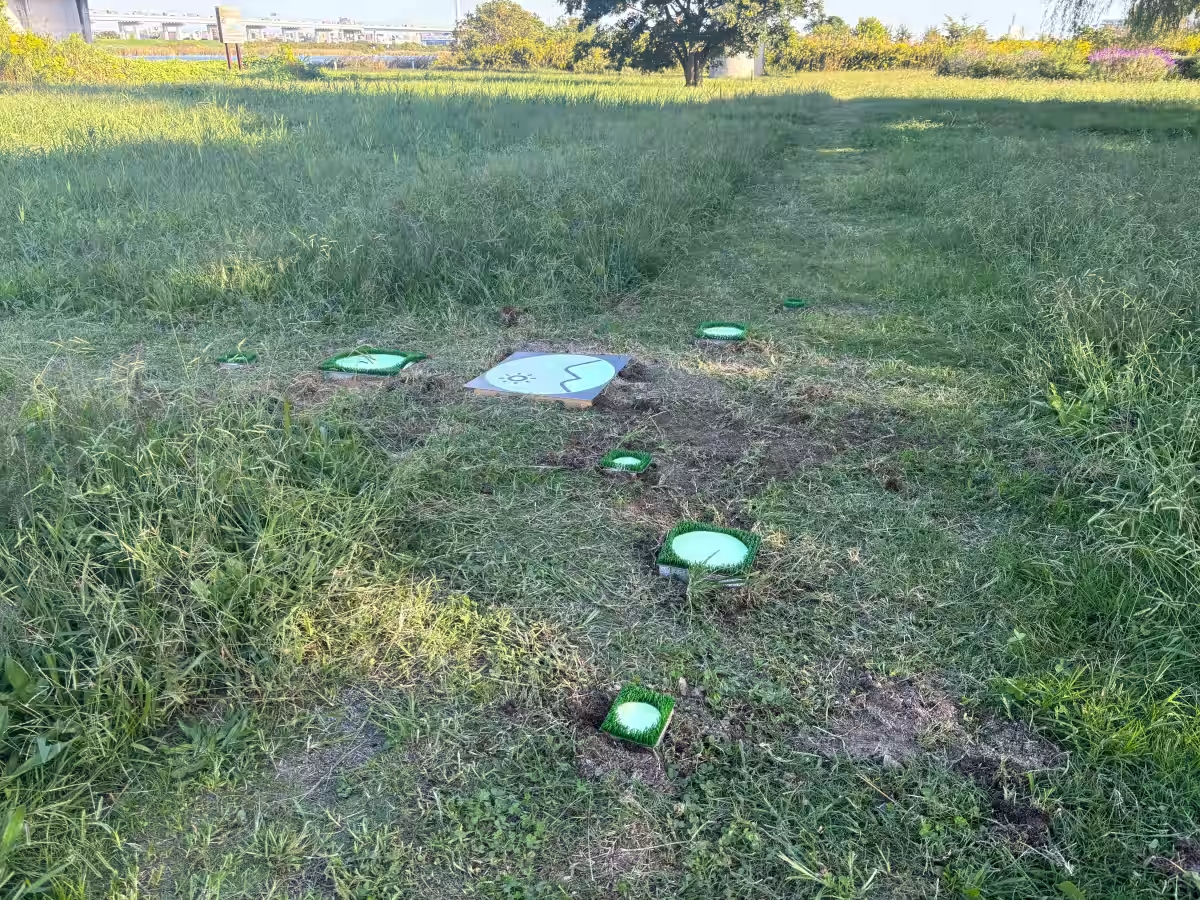
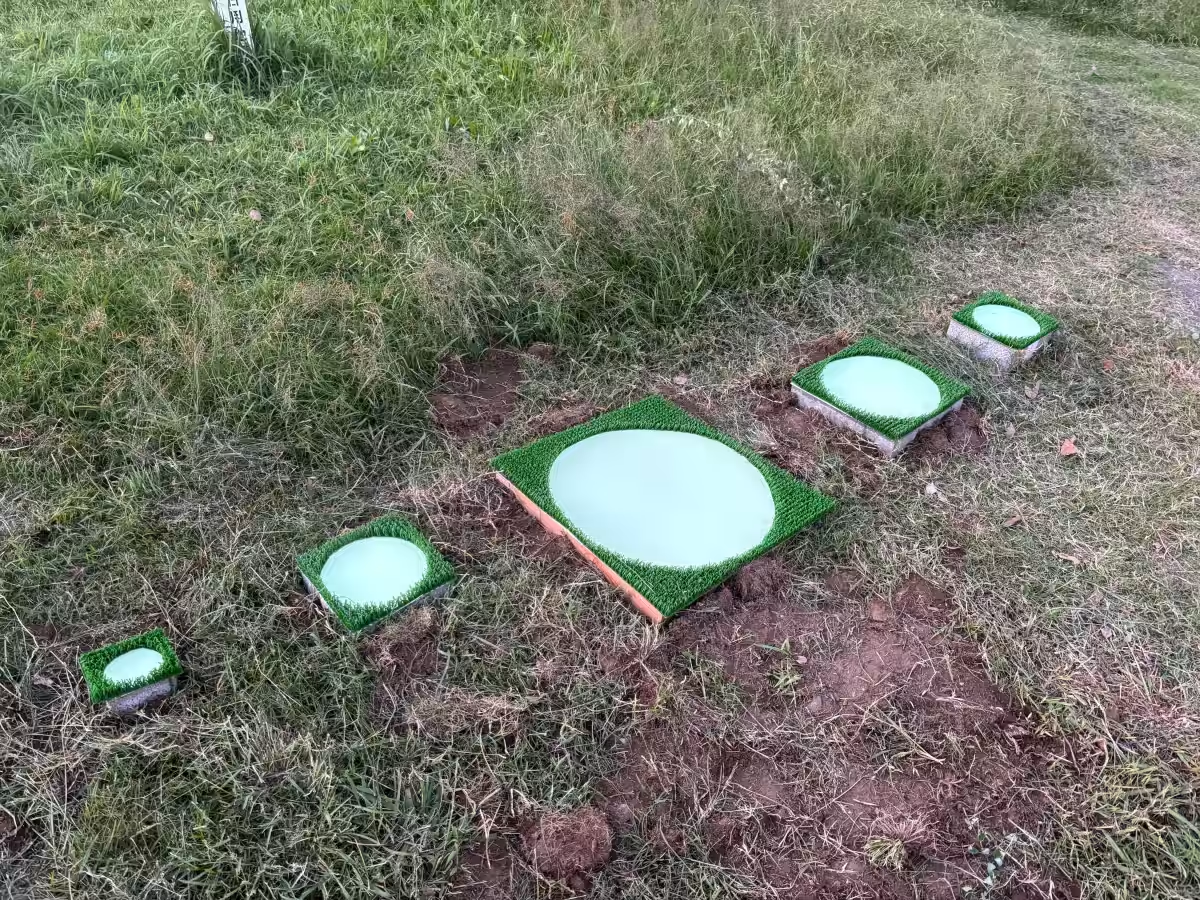
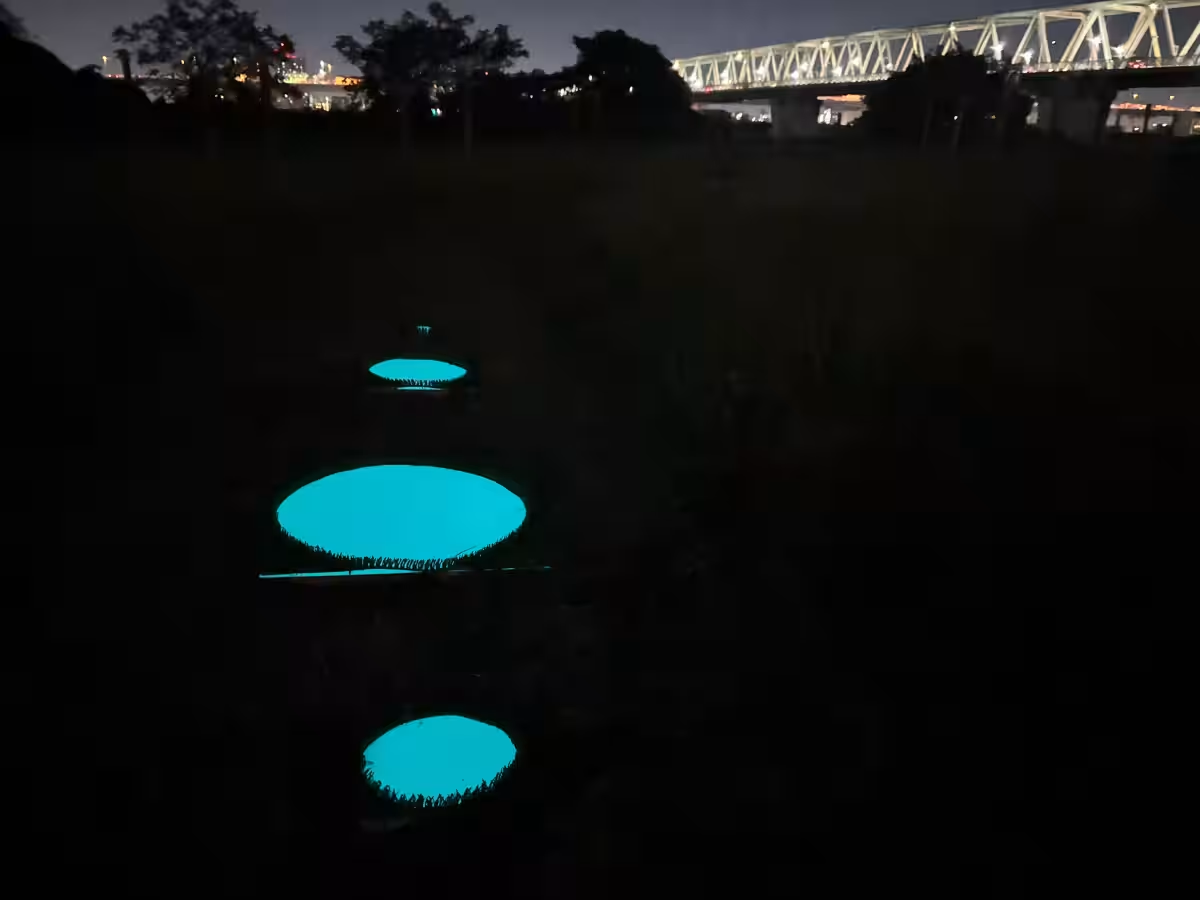
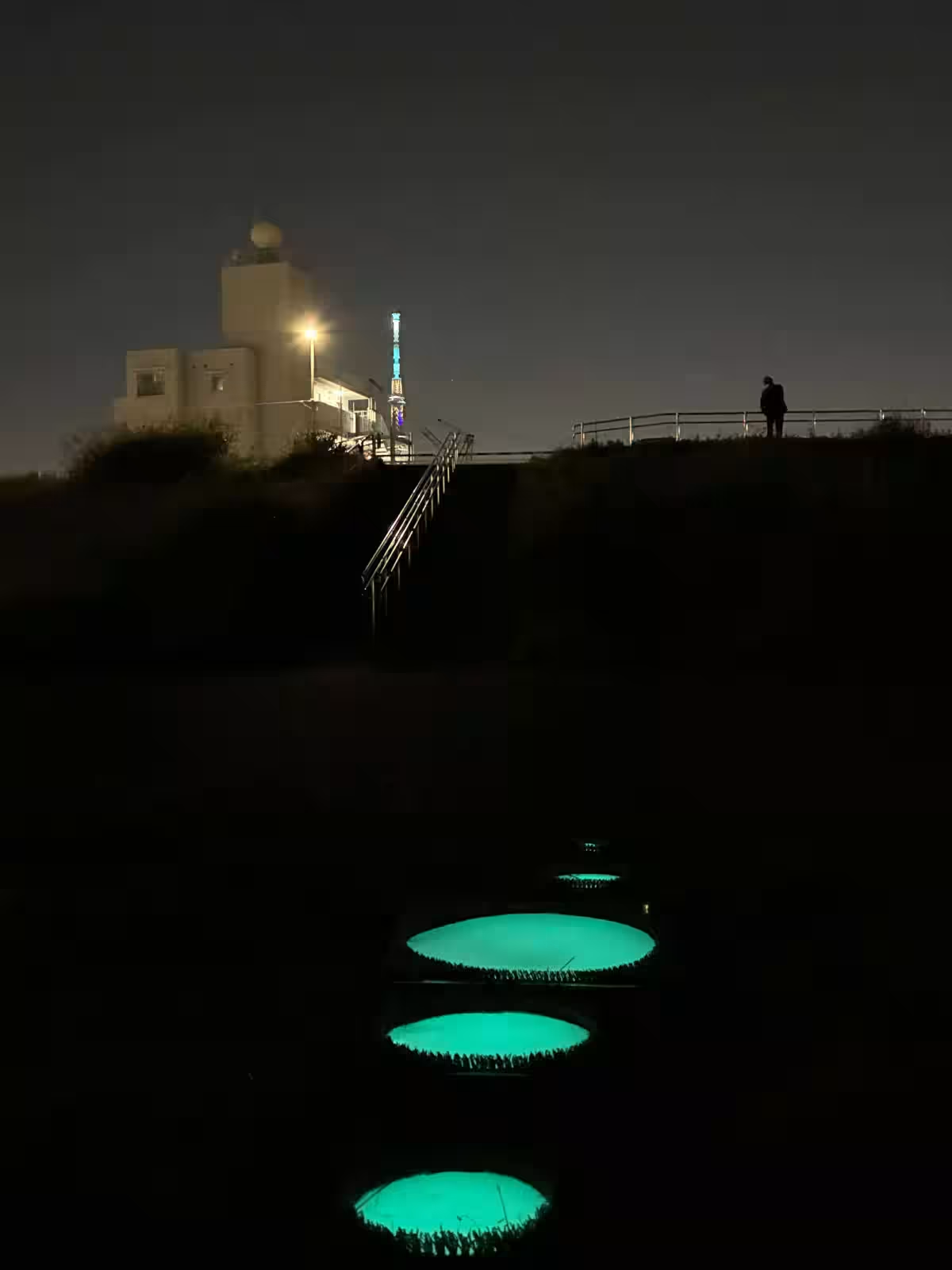
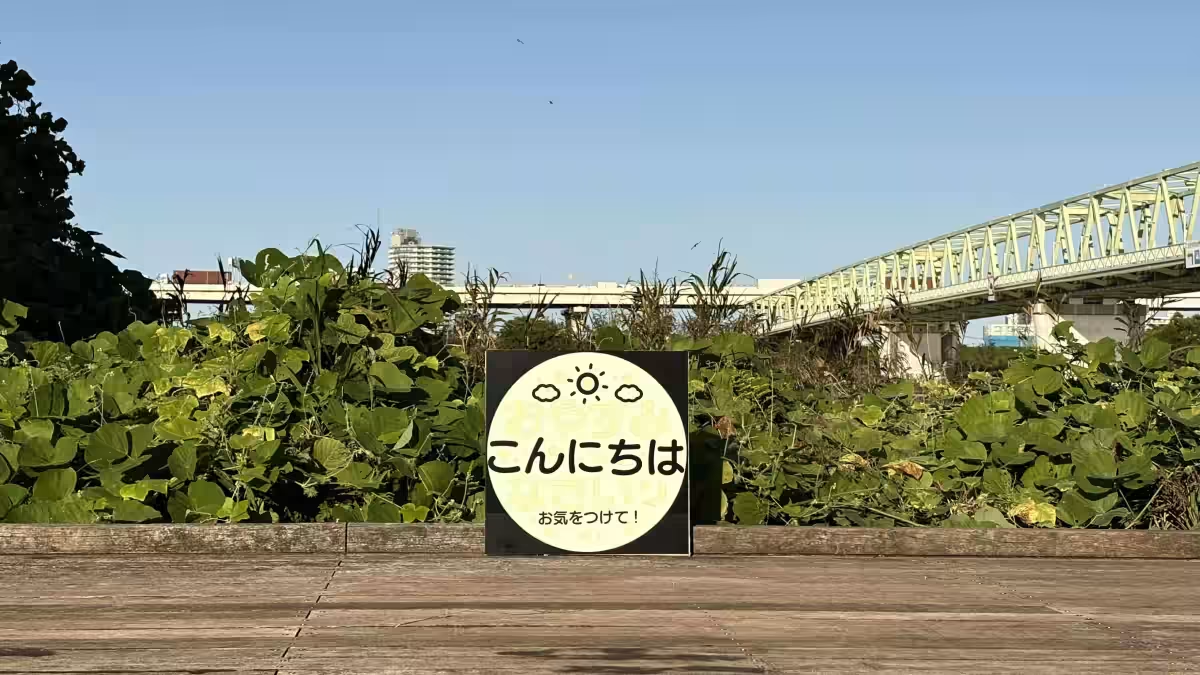
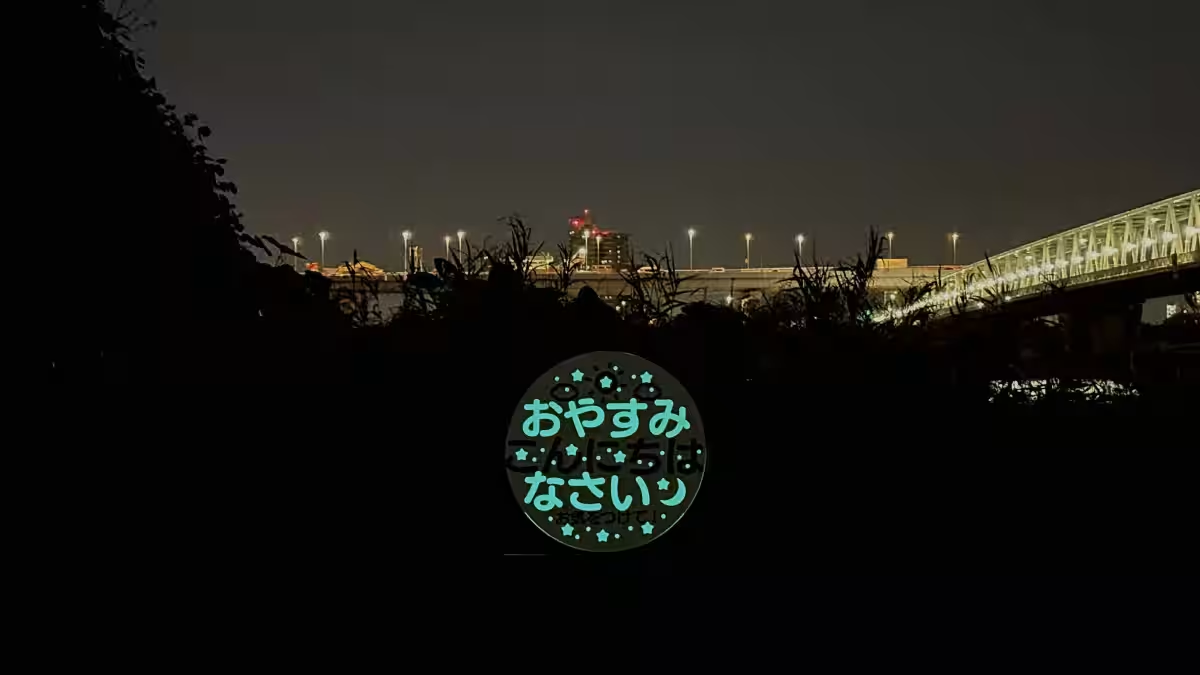
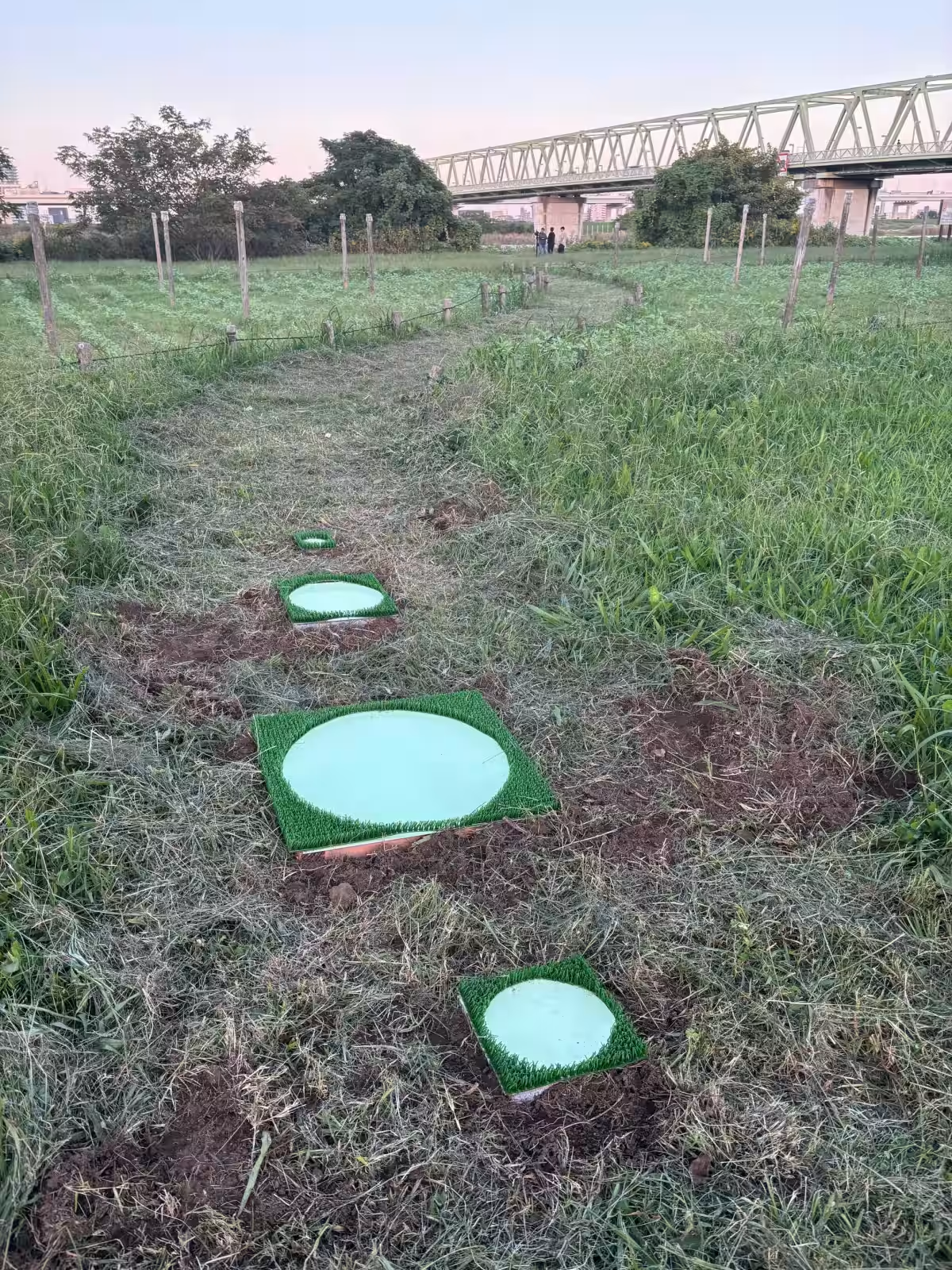
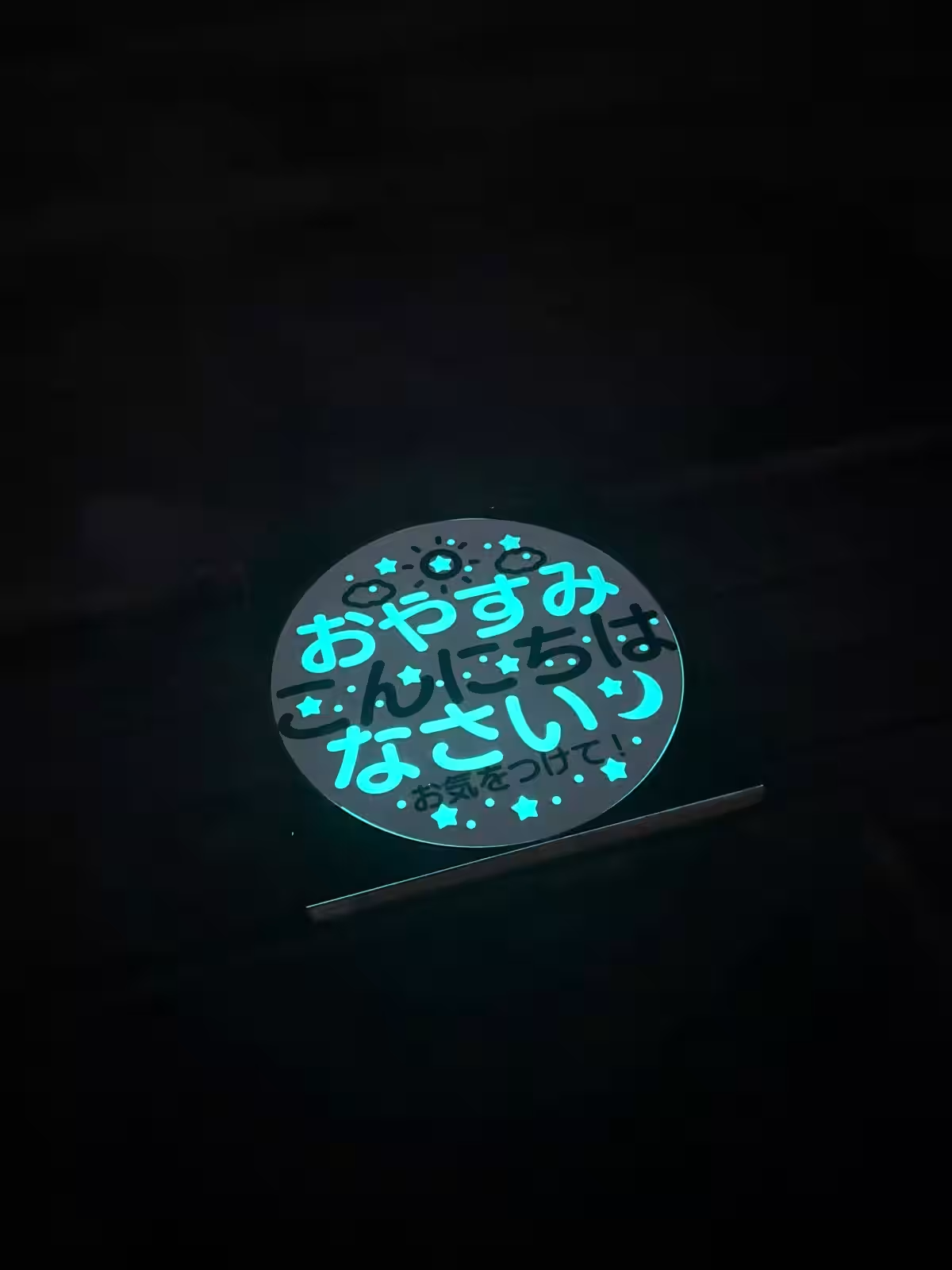
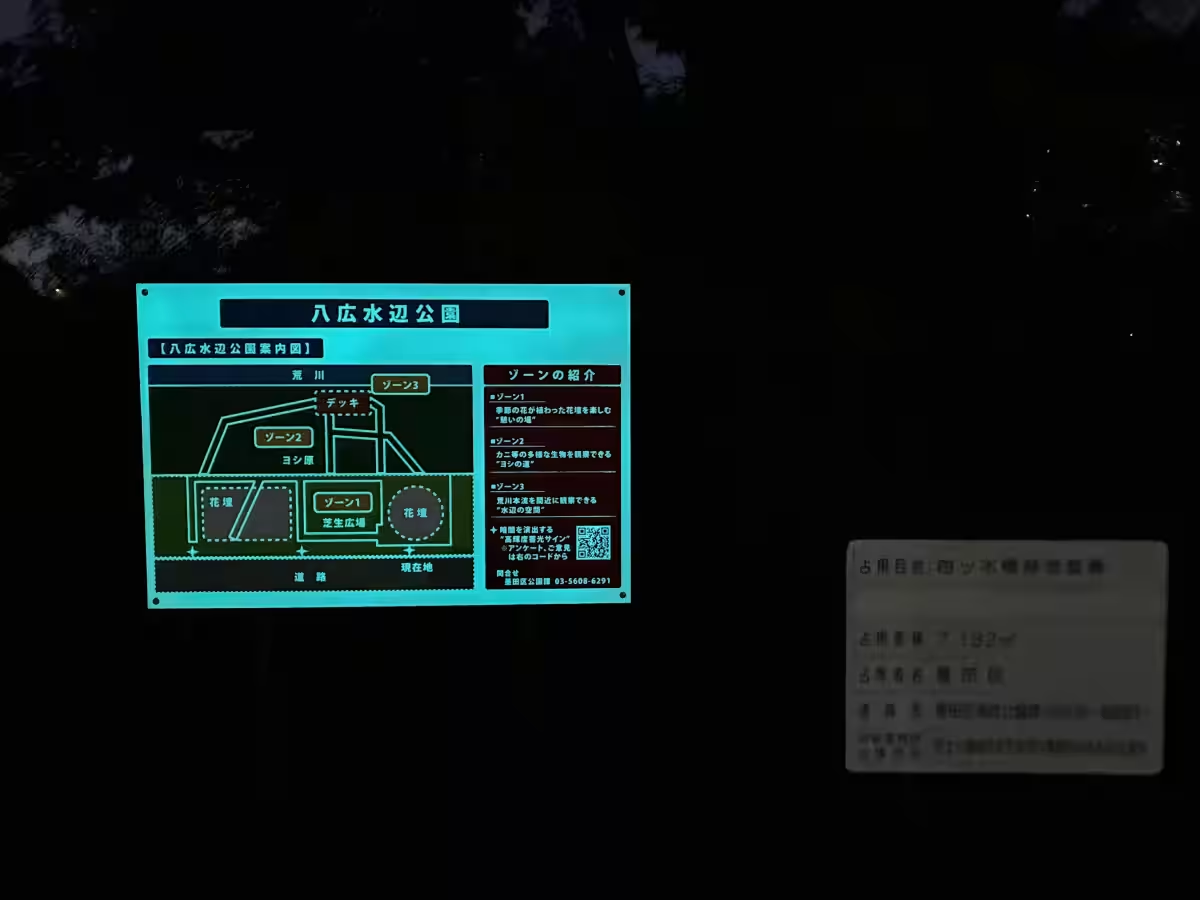
1. Circular escort units will be installed at over 40 locations throughout the park. They will guide visitors day and night, creating a rhythm of light that connects various attractions within the park.
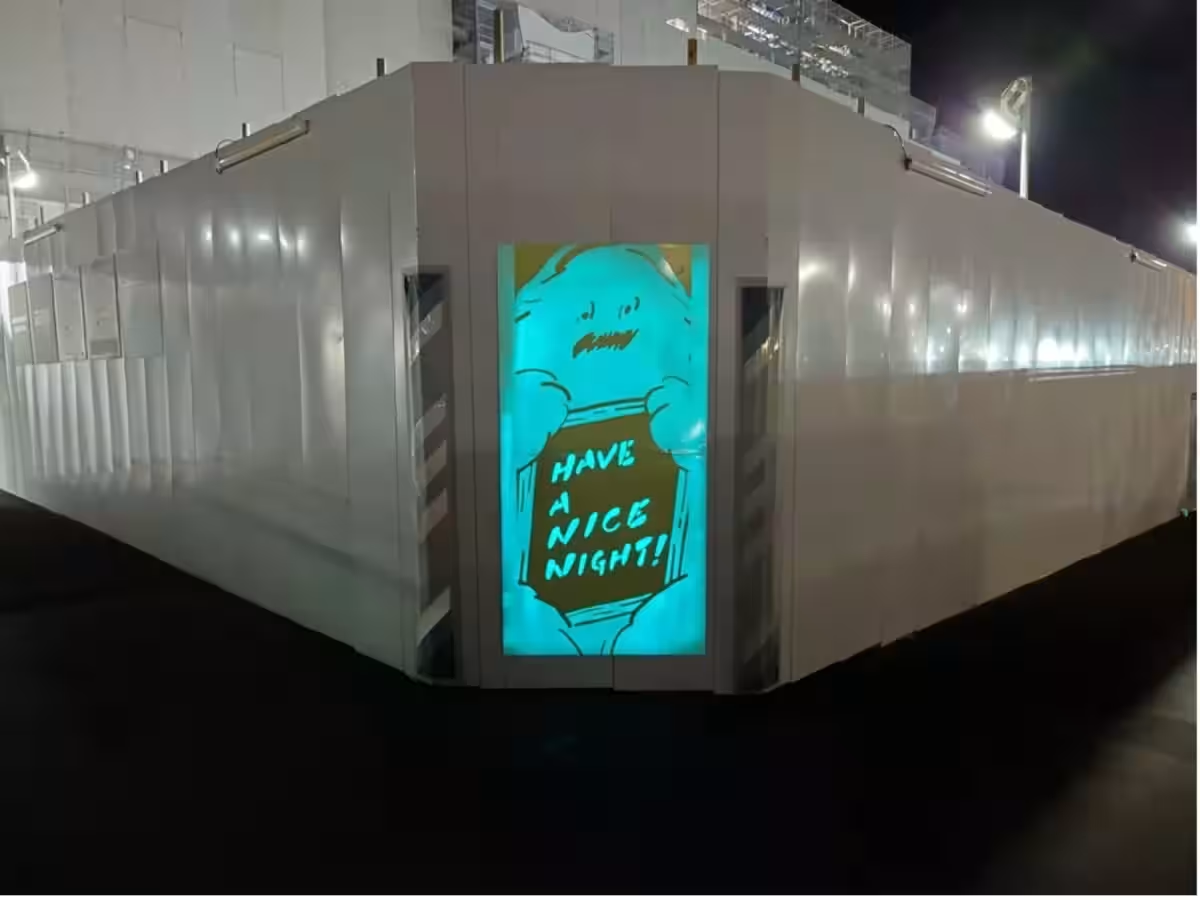
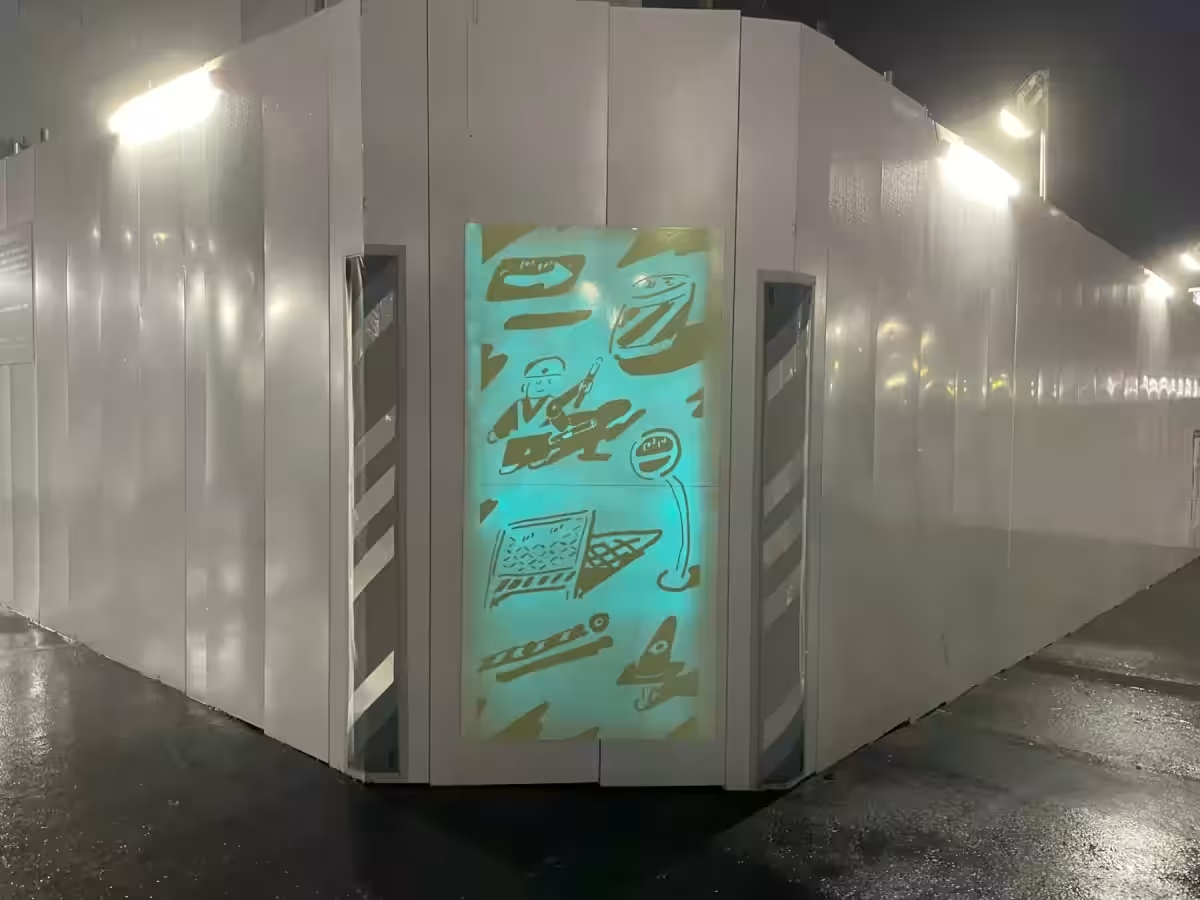
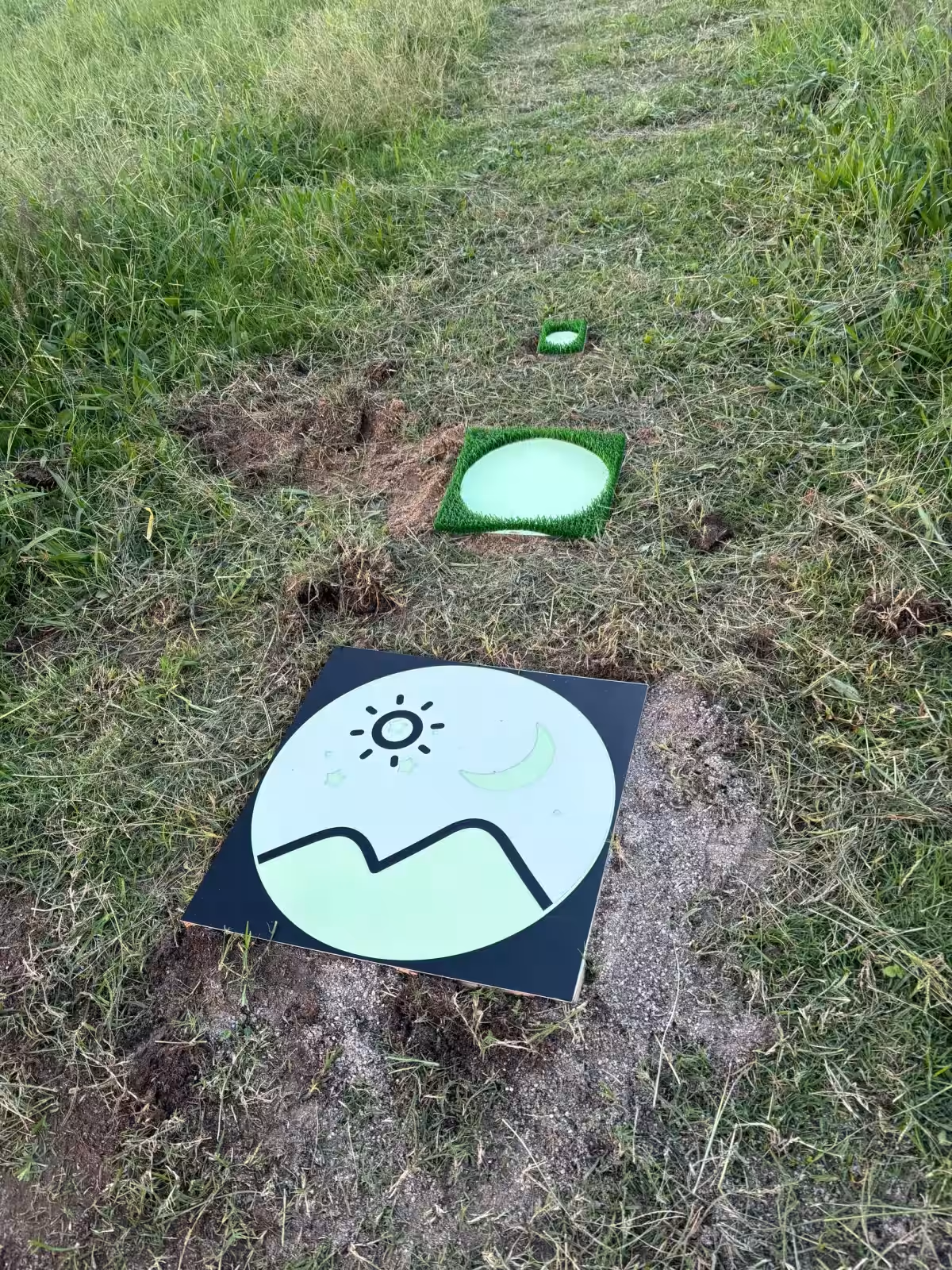
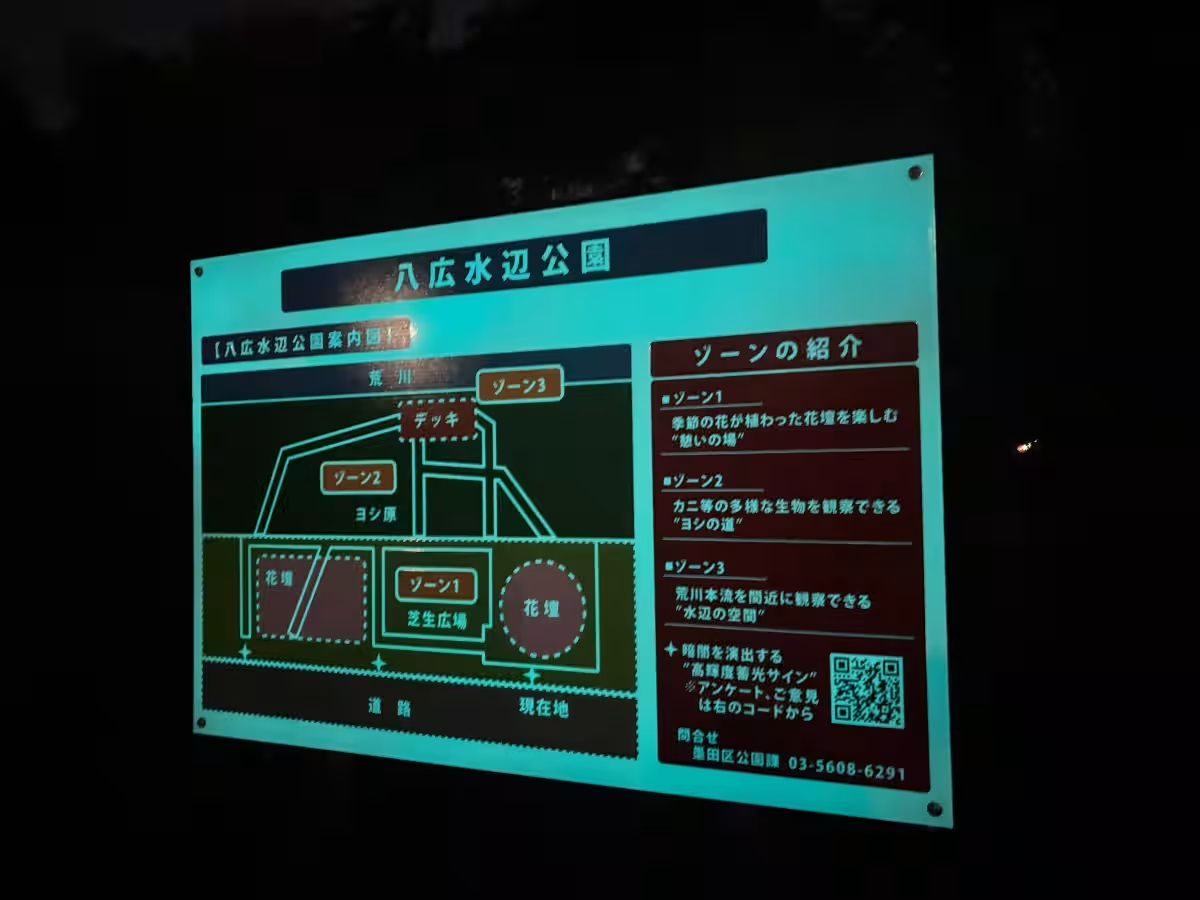
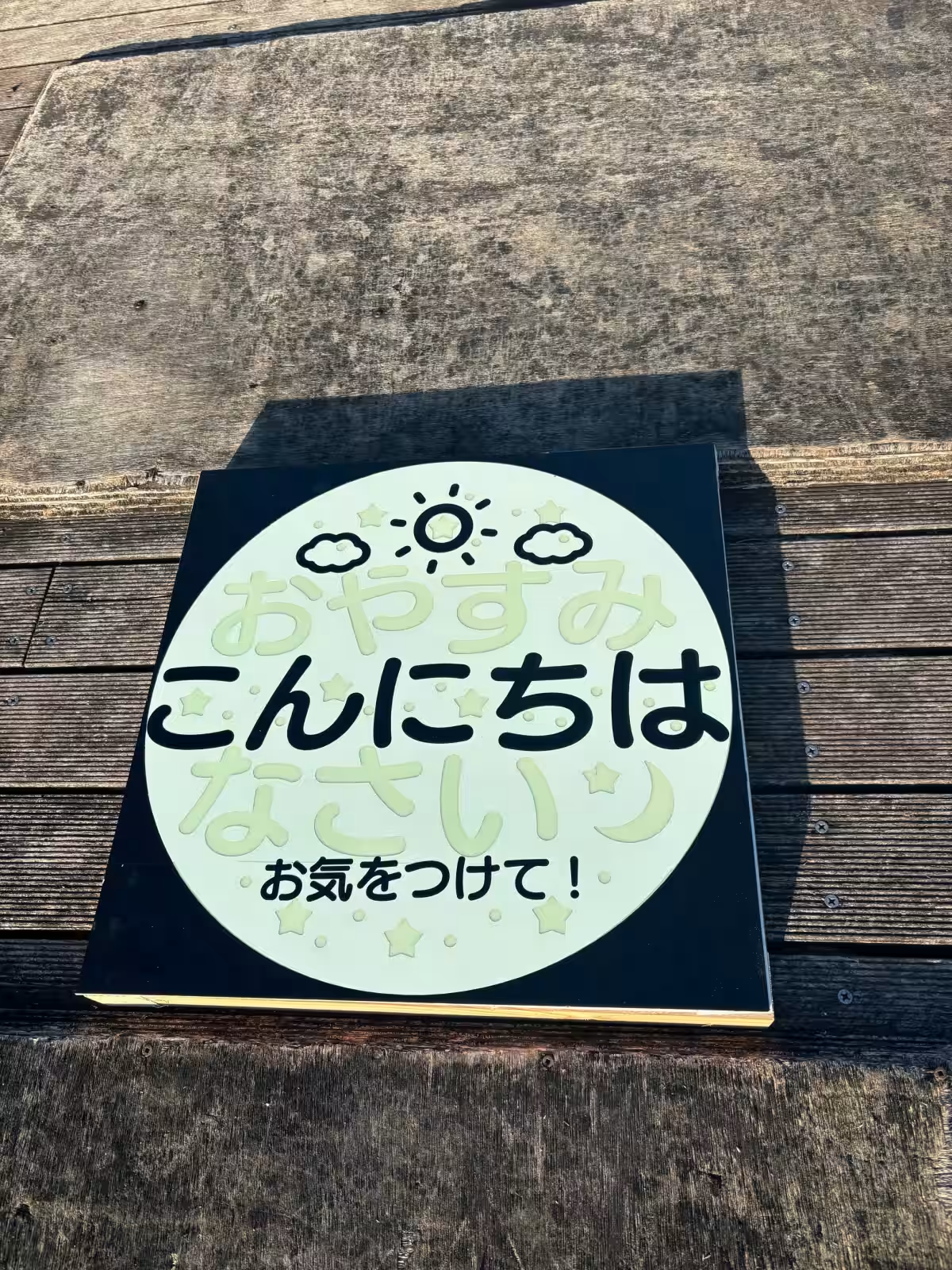
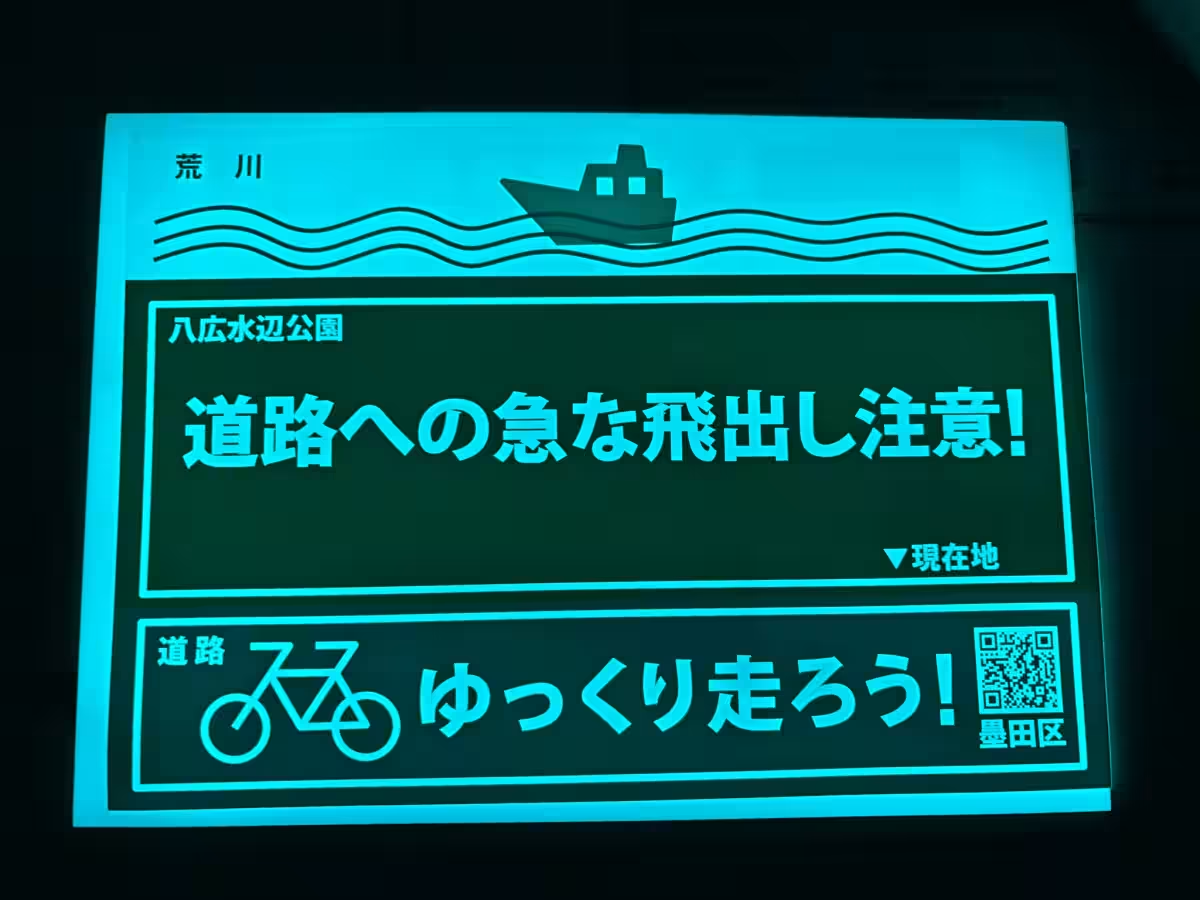
2. A large 90cm x 60cm sign at the entrance will serve as an information board during the day and a glowing sign at night, utilizing a removable special film that allows for surface changes. This flexibility is a key advantage, enabling managers to share temporary messages based on current needs, ultimately reducing maintenance costs while offering a pioneering structure. Both units will feature high-brightness phosphorescent technology, ensuring durability and weather resistance without electricity.
A Novel Design Approach to Space Activation
The project redefines nighttime urban experiences, aiming to integrate darkness as a design element rather than merely compensating for it with illumination. By thoughtfully placing units and balancing brightness, the ambition is to create a seamless spatial experience that transforms from day to night. Specially treated phosphorescent plates will display messages based on time, such as

Topics Consumer Products & Retail)
【About Using Articles】
You can freely use the title and article content by linking to the page where the article is posted.
※ Images cannot be used.
【About Links】
Links are free to use.