



Okayama University J-PEAKS Symposium Accelerates University Reform and Research Innovation
The Okayama University J-PEAKS Symposium: A Step into the Future of University Reform and Research Innovation
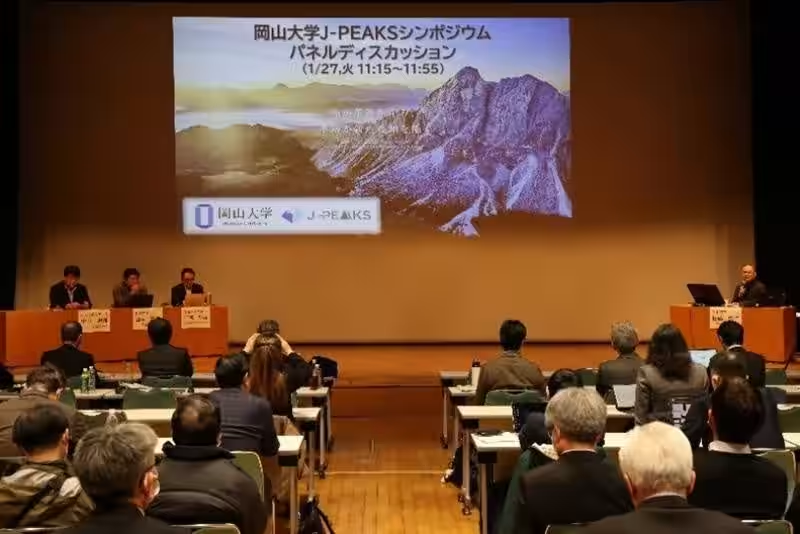
On January 27, 2026, Okayama University hosted the J-PEAKS Symposium, a pivotal event aimed at discussing university reform and enhancing research collaboration. Conducted in both physical and online formats at the Okayama Convention Center, the symposium gathered over 300 participants, showcasing a collective effort to share insights and foster connections among universities involved in the J-PEAKS initiative, supported by the Ministry of Education, Culture, Sports, Science and Technology (MEXT).
Background and Objectives
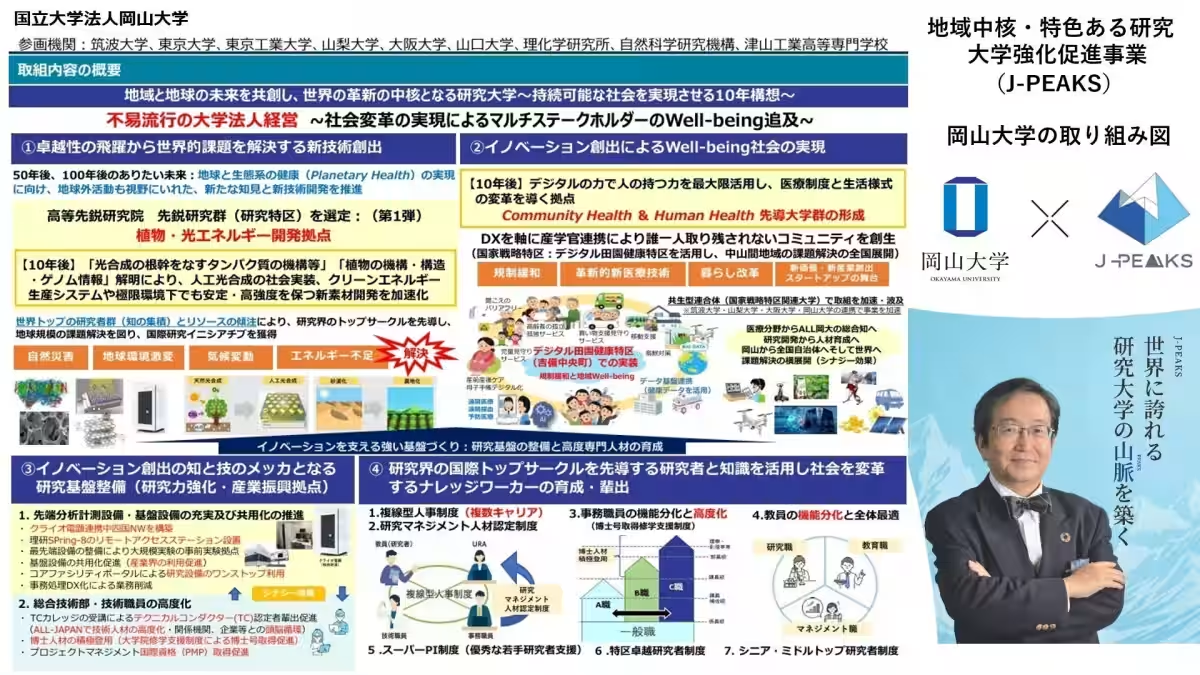
The J-PEAKS project, or Regional Core and Distinctive Research Universities Strengthening Promotion Project, aims to establish a collaborative network of research universities that contributes to the enhancement of Japan's overall research capabilities. The symposium facilitated an exchange of ideas about the successes and challenges experienced in this initiative, emphasizing the importance of collaboration and innovation in academia.
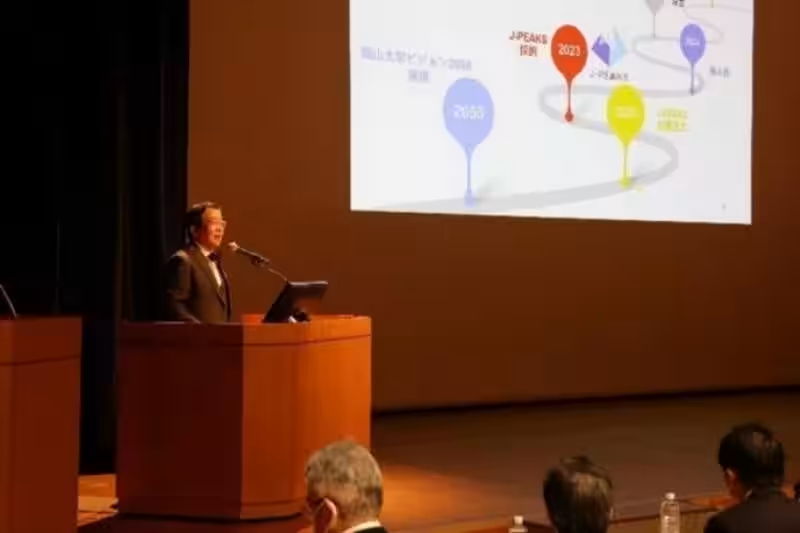
The event began with an engaging virtual message from an avatar created by students from the university’s Data Science Department, representing President Yasuyuki Nasuno. Following this creative introduction, President Nasuno delivered an inspiring speech, highlighting the university’s commitment to reform and its vision for shaping the future of Japan’s research universities.
Keynote Speeches
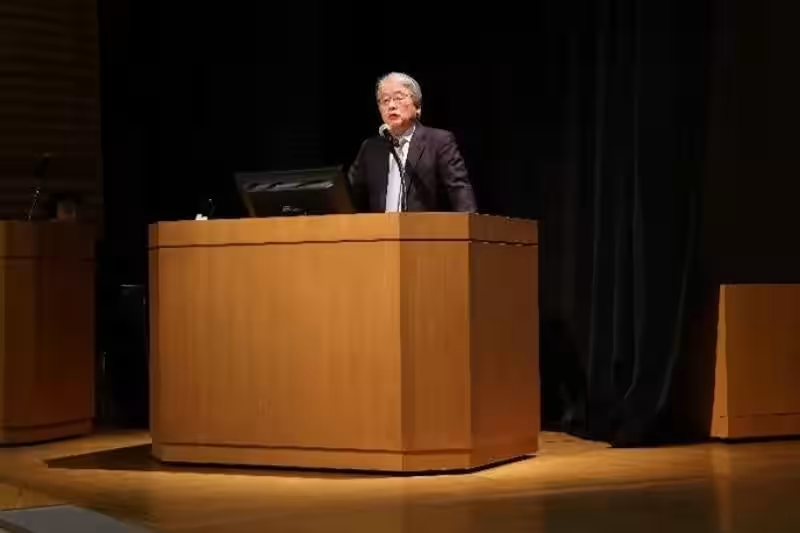
The symposium featured keynote addresses from prominent figures in higher education management. Takahiro Kamiyama, a senior councilor from the Cabinet Office, delivered a thought-provoking lecture titled Game Evolution from the Frontier of University Management. He discussed the shifting paradigms of university management that began in 1980s America and argued that the traditional university model is reaching a critical point as societal expectations evolve.
President Nasuno also took the stage, presenting University Management Reform Leveraging J-PEAKS. His talk spotlighted significant initiatives underway at Okayama University, such as the establishment of management certification programs for research and development, the creation of innovative partnerships through coexistence-type alliances, and reforms aimed at improving university governance. Emphasizing a shift from competition among universities to a spirit of co-creativity, he expressed the imperative of embracing bold reforms that may involve initial discomfort but ultimately lead to impactful results.
To wrap up his speech, President Nasuno borrowed a motivational quote from baseball legend Senichi Hoshino, asserting that challenges can be transformed into opportunities—a sentiment that resonated deeply with the attendees.
Panel Discussion
The afternoon session featured a panel discussion with distinguished guests including Tomomi Miyake, vice president of Kyushu Institute of Technology, special advisors from Chiba University and Nagaoka University of Technology. Guided by Norihito Sato, a vice president and senior URA at Okayama University, the panel addressed the topic, What can J-PEAKS universities do together for social transformation? The vigorous discussion centered on collaborative strategies for societal change and the formation of a new scholarly community through universities working in unison.
Post-discussion, the team from the Japan Society for the Promotion of Science (JSPS) emphasized the importance of continuous support and engagement in the context of nurturing innovative environments across affiliated universities.
Afternoon Sessions and Workshops
The afternoon program was divided into four thematic venues that featured a variety of workshops. These included the 3rd Okayama University-Shinshu University Partnership Symposium, and sessions dedicated to local revitalization initiatives through university collaboration, as well as workshops aimed at fostering the skills necessary for future innovation.
These workshops not only encouraged deep dives into specific topics but also aimed to strengthen networking among administrative stakeholders engaged in the J-PEAKS initiative.
Conclusion
The J-PEAKS initiative embodies a collective effort to reinforce and innovate Japan's research university landscape. As illustrated in this symposium, Okayama University remains committed to its long-term vision for 2050, which seeks to contribute substantially to both regional and global innovation.
The continuous evolution of Okayama University, in tandem with the challenges emerging from the J-PEAKS initiative, is a compelling journey that promises to reshape the future of academic research in Japan. We invite everyone to remain engaged and follow the progress of this ambitious undertaking, as it strives to make a meaningful impact on society.
For further details on the symposium and its various sessions, please visit the links provided for more insights and updates on the innovative practices being pursued under the J-PEAKS program.

Topics Other)
【About Using Articles】
You can freely use the title and article content by linking to the page where the article is posted.
※ Images cannot be used.
【About Links】
Links are free to use.