



Understanding Children's NISA: Monthly Investment Insights from Across Japan
Exploring Children's NISA: Future Education Funding in Japan
As Japan gears up for the launch of Children's NISA in 2027, a survey conducted by Fukoku Life through its platform 47Life sheds light on how families are planning their contributions. With the new savings initiative targeting children aged 0-17, the average monthly investment across the nation is projected at ¥14,012. The research included feedback from parents in their 20s to 50s across all 47 prefectures, revealing a broad interest in education funding strategies.
Monthly Contributions and Regional Variances
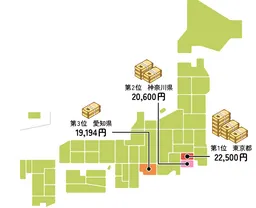
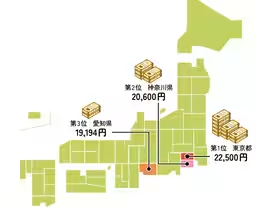
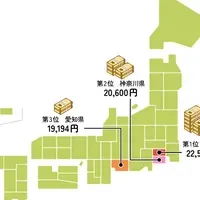
The findings show significant variances in planned contributions by region, underscoring Japan's economic diversity. Topping the list is Tokyo, where families plan to invest an impressive ¥22,500 monthly, whereas Kumamoto ranks last with a considerably lower average of ¥8,661. Other notable contributors include Kanagawa (¥20,600), Aichi (¥19,194), and Fukuoka (¥18,485).
Awareness and Intent to Participate
The survey highlighted that 56% of respondents are aware of Children's NISA, with varying levels of knowledge—10% are well-informed about the specifics, while 46% only recognize the name or basic concept. Interestingly, only 32% expressed a clear intention to utilize the scheme once it launches. Many parents remain apprehensive, with 34% indicating they do not plan to open an account for this purpose.
Parental Strategies for Education Funding
Respondents were also asked about methods they are considering for securing education funds for their children. The most popular choices include:
- - Educational Insurance (1,657 votes)
- - Bank Deposits/Time Deposits (1,545 votes)
- - No specific strategy (828 votes)
- - New NISA (666 votes)
- - Children's NISA (663 votes)
Correlation Between Income and Investment
The data suggests a relationship between family income levels and planned contributions. For those earning below ¥10 million annually, the majority intend to contribute between ¥5,000 and ¥20,000 per month. In contrast, families with incomes exceeding ¥10 million are more likely to consider contributions above ¥20,000, indicating a strong correlation between income, understanding of the system, and planned investment amounts.
The Future: Strategy Beyond Single Options
The survey highlights that merely focusing on the choice between Children's NISA, bank savings, or educational insurance is inadequate. Families are encouraged to build a secure financial foundation first, using savings vehicles such as bank deposits and educational insurance, before exploring options like Children's NISA for more growth-oriented prospects. This holistic approach can support a more stable future for children's education and well-being.
The data also suggests that regions with a higher awareness of Children's NISA tend to plan for larger contributions, highlighting how education on financial products can impact family investment behavior.
Conclusion
As we approach the launch of Children's NISA, understanding these trends and the factors influencing family investment decisions is crucial. By fostering a comprehensive grasp of this policy’s implications and the broader landscape of education funding, families can better prepare for their children's future.
For more details, you can read the full survey results on 47Life.

Topics Financial Services & Investing)
【About Using Articles】
You can freely use the title and article content by linking to the page where the article is posted.
※ Images cannot be used.
【About Links】
Links are free to use.