



Exploring IoT Leak Monitoring System at Shizuoka's Water Technology Seminar
Introduction
On January 22, 2026, a significant event took place in Shizuoka City, where the Shizuoka Prefectural government organized a seminar focused on water technology. One of the highlights of this seminar was the presentation of the IoT remote leak monitoring system known as 'LeakNet Cellular (LNL-C)' by Fujitecom Corporation, based in Tokyo's Chiyoda Ward. The seminar attracted numerous attendees from local municipalities, marking a pivotal opportunity for sharing innovative technology aimed at improving water infrastructure.
Overview of the Seminar
During the presentation, the complexities surrounding aging water supply systems were addressed, alongside real-life case studies from municipalities that implemented the LeakNet Cellular system. The audience was engaged as they learned how this advanced cloud-based system utilizes digital transformation (DX) technology to monitor and mitigate leaks, which can prevent significant societal losses.
The speaker from Fujitecom expressed gratitude to all the attendees for their keen interest and insightful questions, recognizing the importance of collaborative efforts in confronting challenges in water infrastructure management.
Focus on LeakNet Cellular (LNL-C)
Understanding the Technology
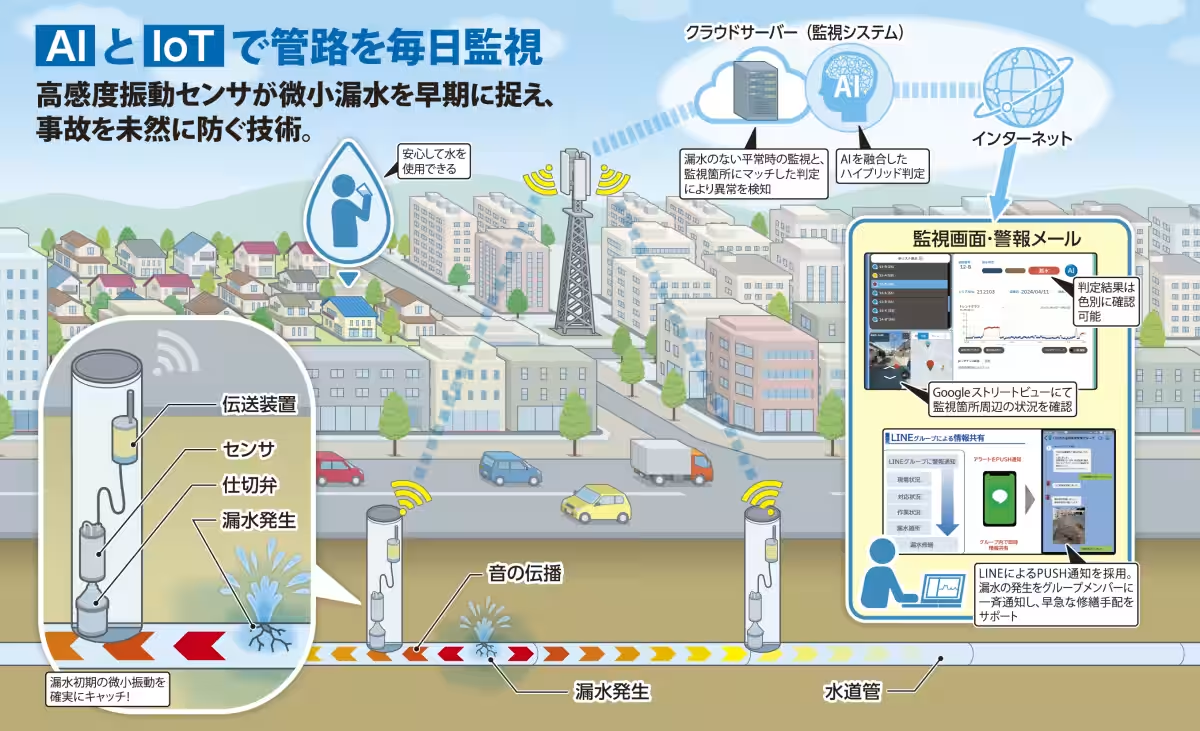
The LeakNet Cellular system features IoT sensors strategically placed within water pipes to detect minute vibrations caused by leaks. These high-sensitivity sensors continuously monitor these vibrations, transmitting their data to a cloud platform. Utilizing a hybrid judgment system that combines proprietary algorithms with artificial intelligence (AI), the system can quickly assess potential leaks and alert users via email or social media channels. This immediate notification capability is crucial for facilitating rapid on-site responses, significantly reducing the likelihood of large-scale incidents.
Benefits of Implementing LNL-C
Fujitecom outlined four key benefits municipalities could expect from implementing the LNL-C system:
1. Leak Prevention: Daily monitoring of aging pipelines and periods without leak surveys helps to lower the risk of leak-related accidents.
2. Enhanced Longevity of Water Facilities: By utilizing AI and IoT technologies to regularly assess the condition of water infrastructure, municipalities can ensure their facilities remain in good health.
3. Strengthened Crisis Management: Continuous monitoring through AI facilitates early detection of anomalies, allowing municipalities to respond swiftly and appropriately to potential issues.
4. Operational Efficiency: The system allows for prioritizing inspection areas, leading to a more effective management of resources and maintenance activities.
Conclusion
The presentations at the Shizuoka Water Technology Seminar highlighted the importance of integrating modern technology into municipal water management systems. As municipalities face increasing challenges from aging infrastructure, solutions like LeakNet Cellular offer a proactive and efficient approach to ensuring the integrity of water delivery systems. Furthermore, this technology reinforces the need for continuous assessment and timely interventions, underscoring the significance of incorporating IoT solutions in the public utility sector.
Company Overview
Company Name: Fujitecom Corporation
CEO: Shinichi Moriyama
Address: 2-20 Kanda Sakumacho, Chiyoda-ku, Tokyo, 101-0025
Established: March 1961
Business Focus: Development and sales of leak detection equipment, support for DX in water infrastructure, solution provision for AI analysis
Website: Fujitecom
Contact Information
For inquiries, please reach out to the Fujitecom Sales Promotion Group:
- - Phone: 03-5825-2588
- - Email: [email protected]

Topics Consumer Technology)
【About Using Articles】
You can freely use the title and article content by linking to the page where the article is posted.
※ Images cannot be used.
【About Links】
Links are free to use.