



The Positive Impacts of Side Jobs on Main Careers: Insights from a Survey
The Positive Impacts of Side Jobs on Main Careers: Insights from a Survey
In a recent survey conducted by G-Boon, a company based in Koto City, Tokyo, it was found that a staggering 90% of employees engaged in side jobs believe that these activities positively influence their primary work. This survey targeted working professionals aged between 20 to 50 who have experience in secondary employment, revealing key insights into the motivations and impacts of side jobs.
Background of the Survey
With the push for work style reforms and the increasing acceptance of side jobs by large corporations, more companies are opening up to the idea of secondary employment for their employees. However, concerns still linger among management regarding the potential for side jobs to distract from primary responsibilities. Yet, early findings suggest that diverse experiences gained from side jobs may foster innovation and boost motivation in main jobs, making it essential to assess these impacts comprehensively.
Summary of Findings
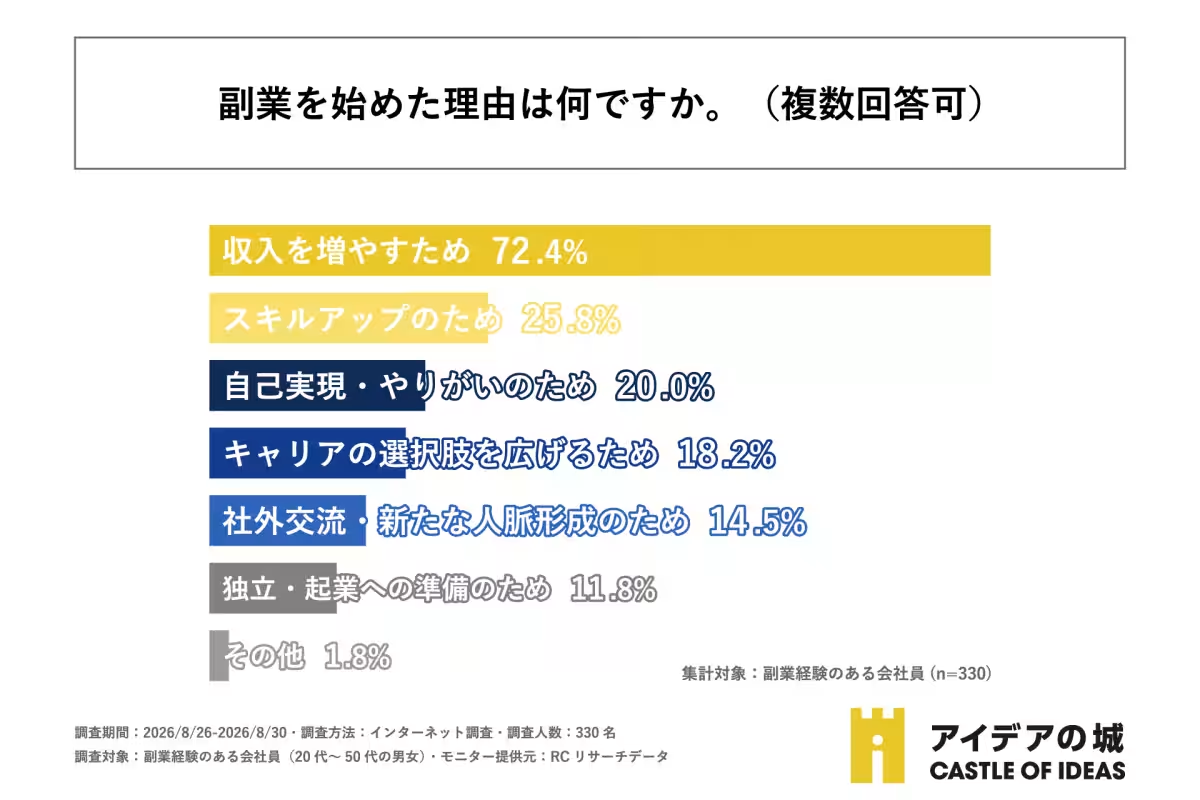
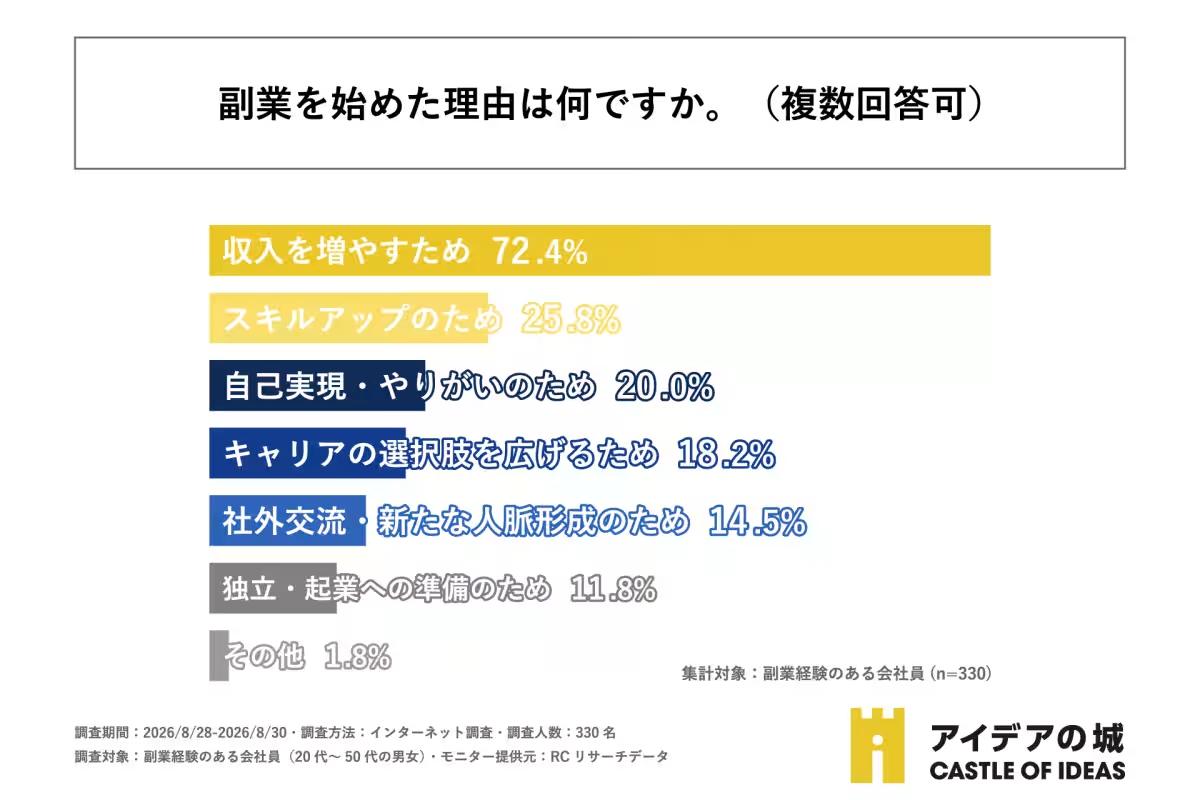
- - Over 70% of surveyed employees started side jobs to increase their income.
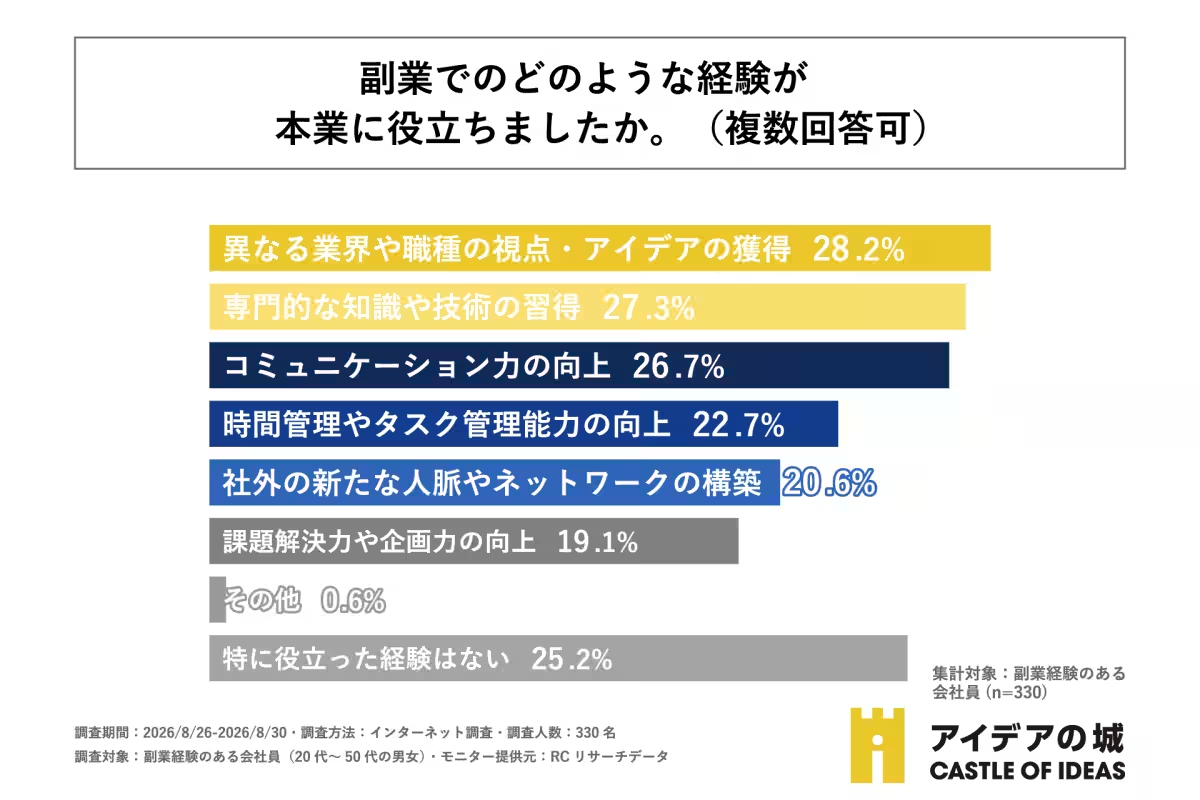
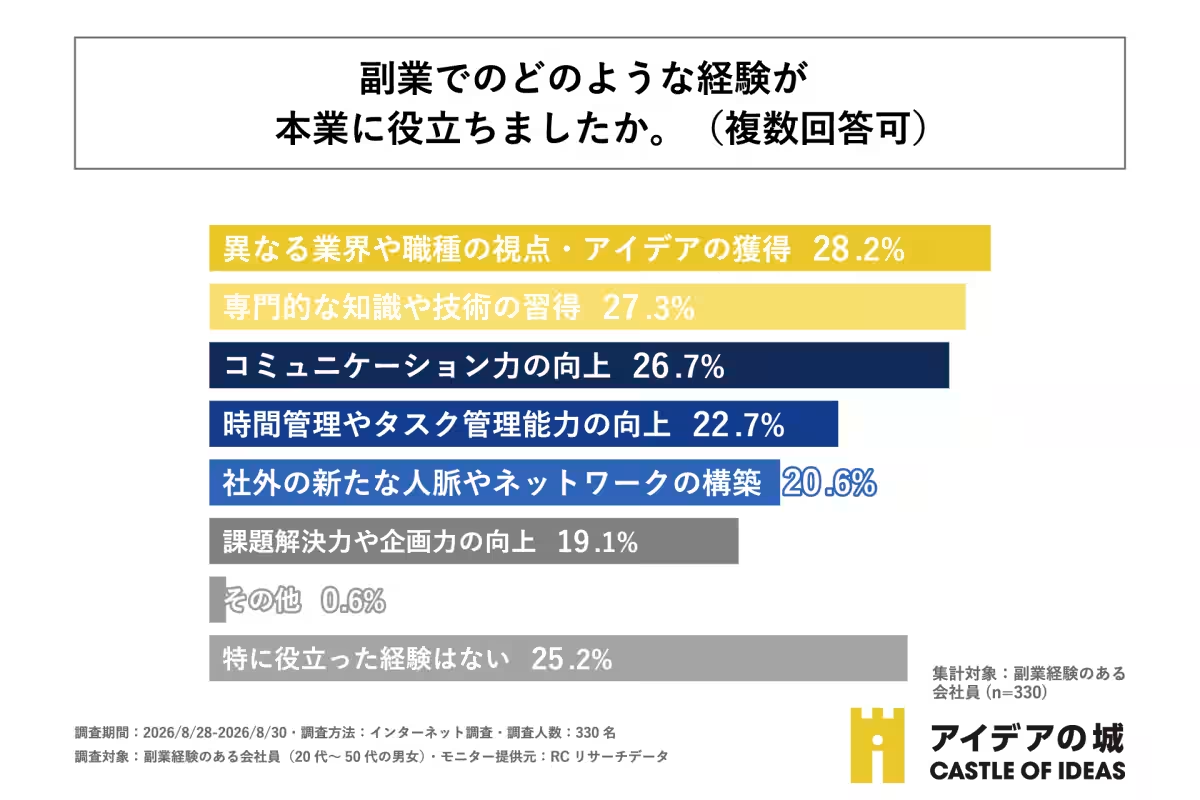
- - About 75% reported that their side job experiences have contributed in some way to their primary work, with benefits including gaining insights from diverse industries and acquiring specialized skills.
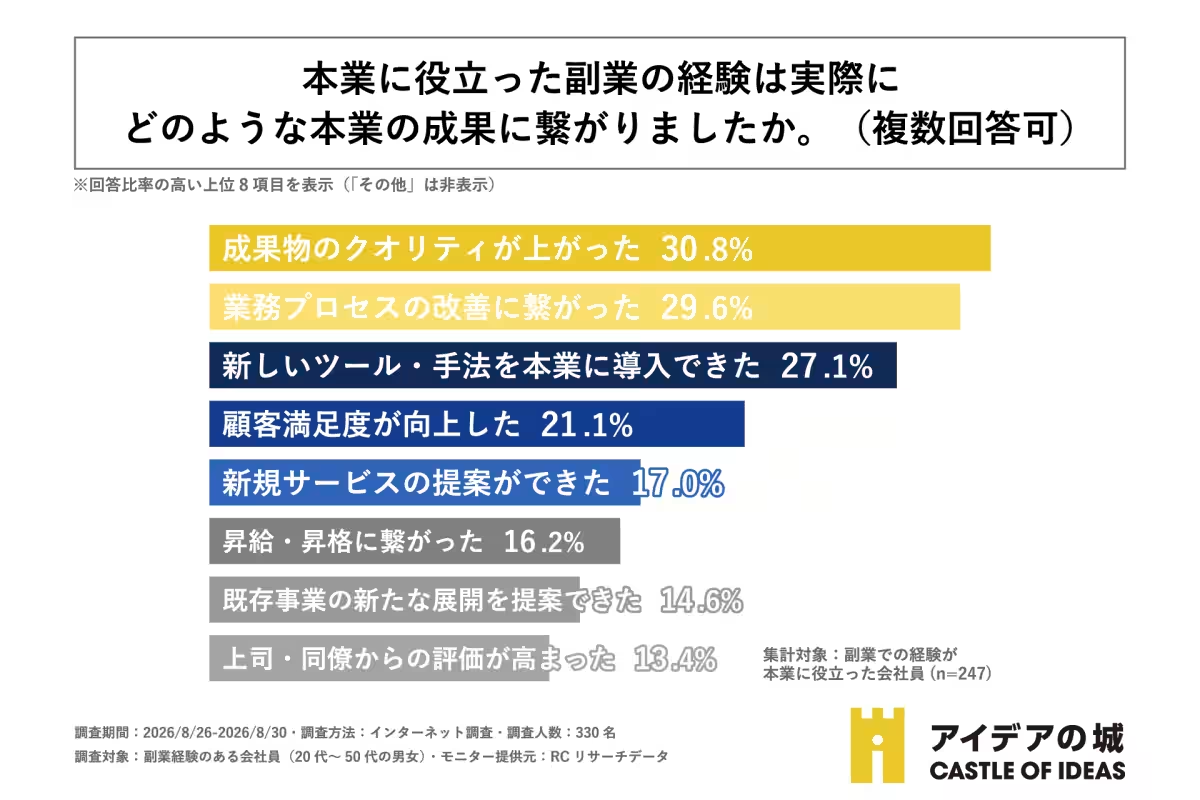
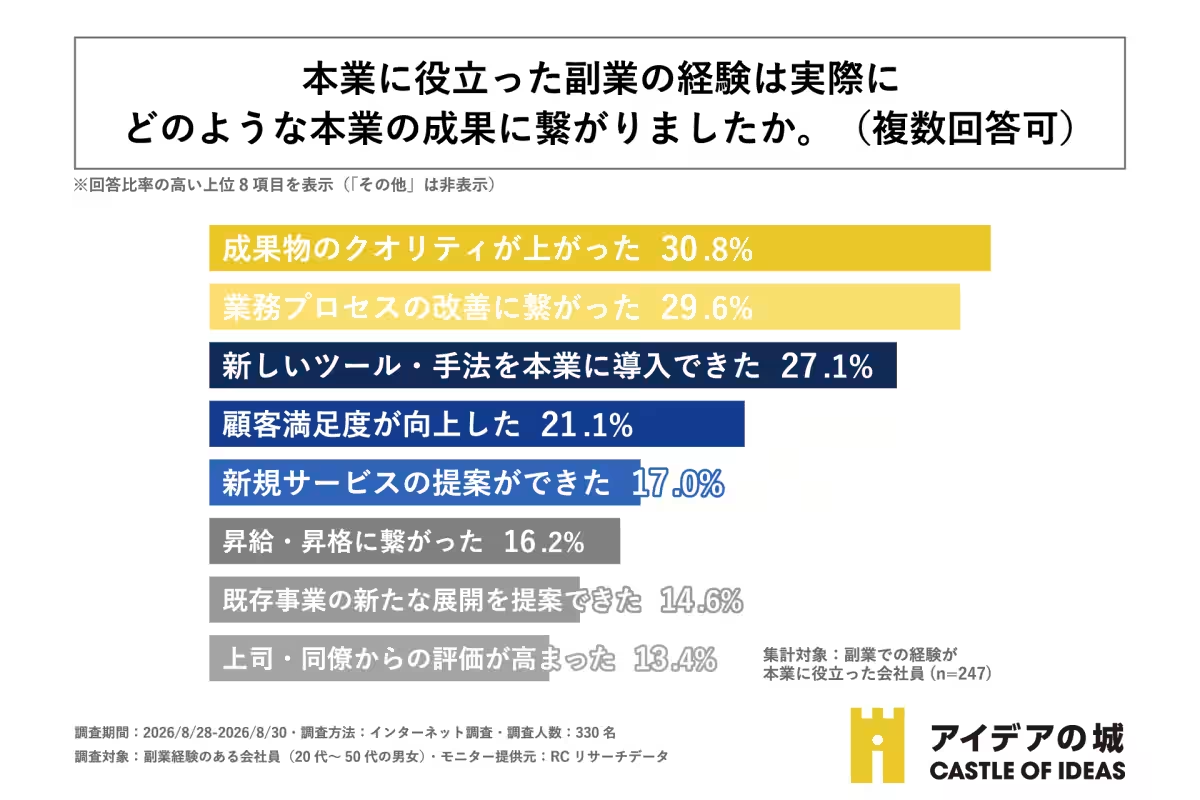
- - The top three improvements cited by those who found their side jobs beneficial were: 1) Enhanced quality of outputs, 2) Improved work processes, and 3) Introduction of new tools and methods into their primary jobs.
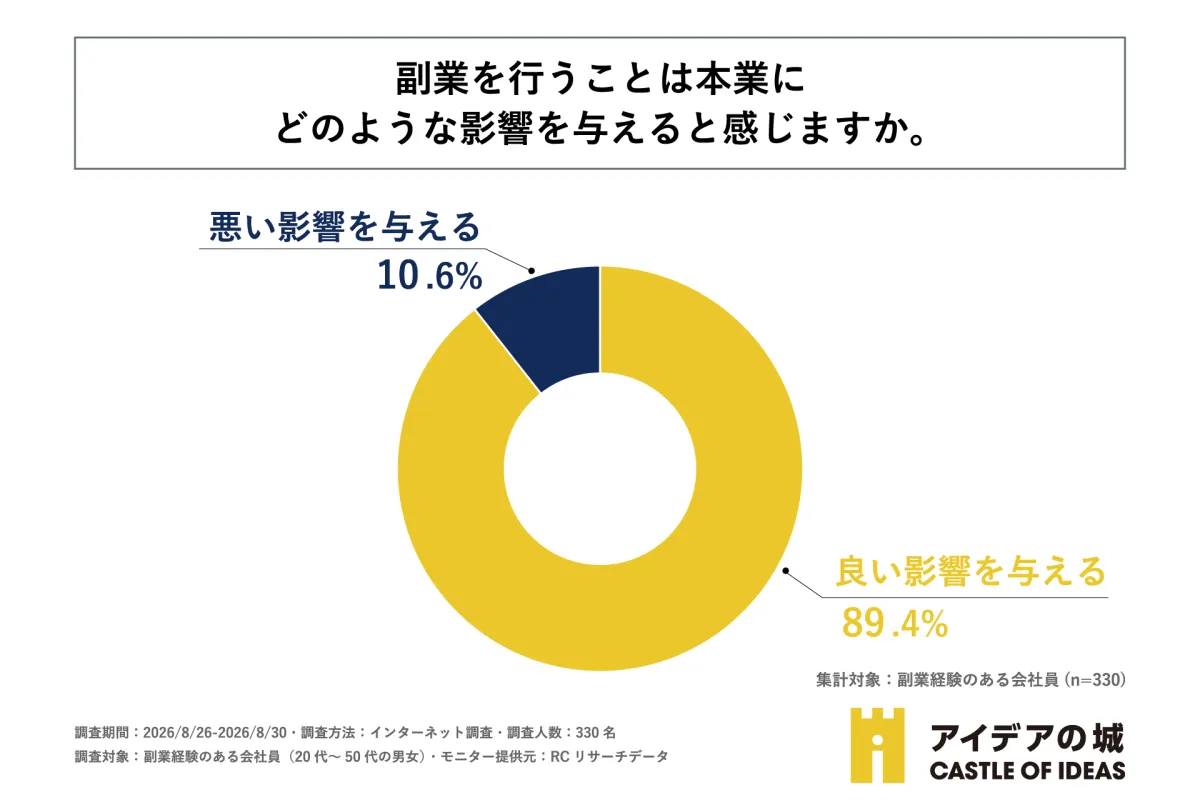
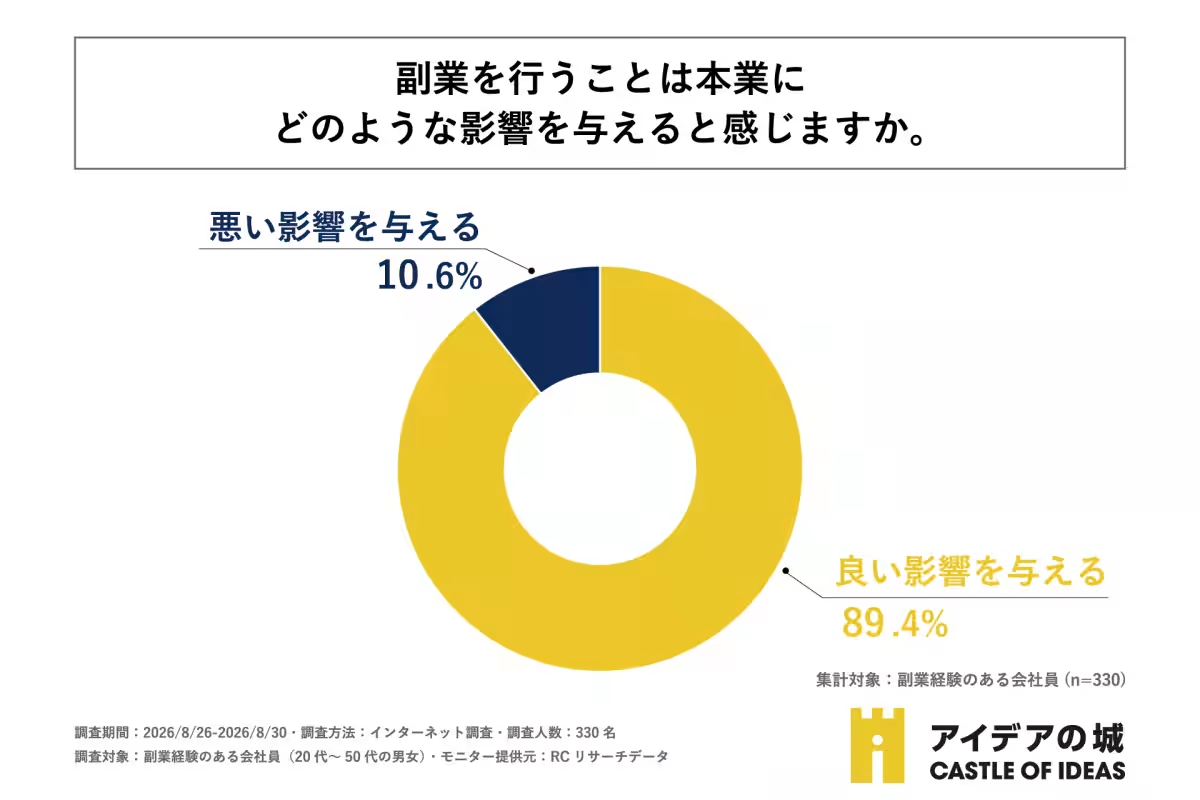
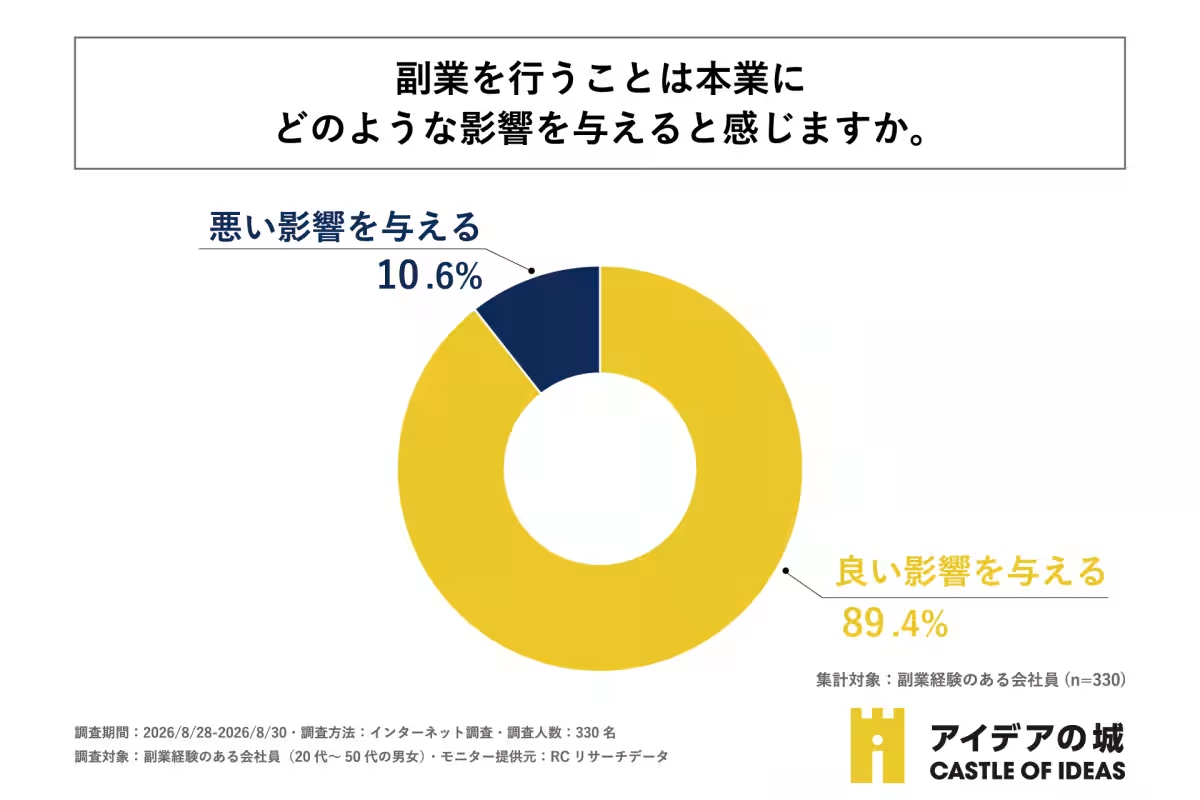
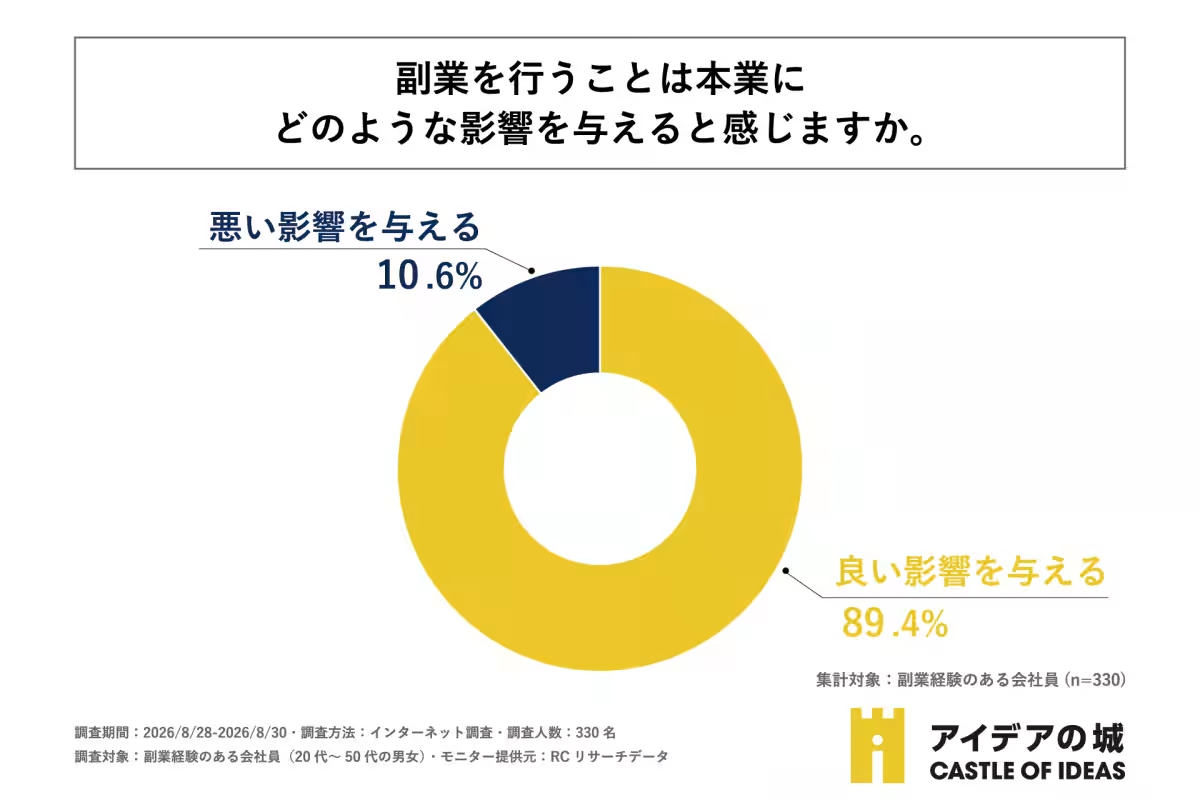
- - Close to 90% of participants believe that engaging in side jobs positively impacts their main careers.
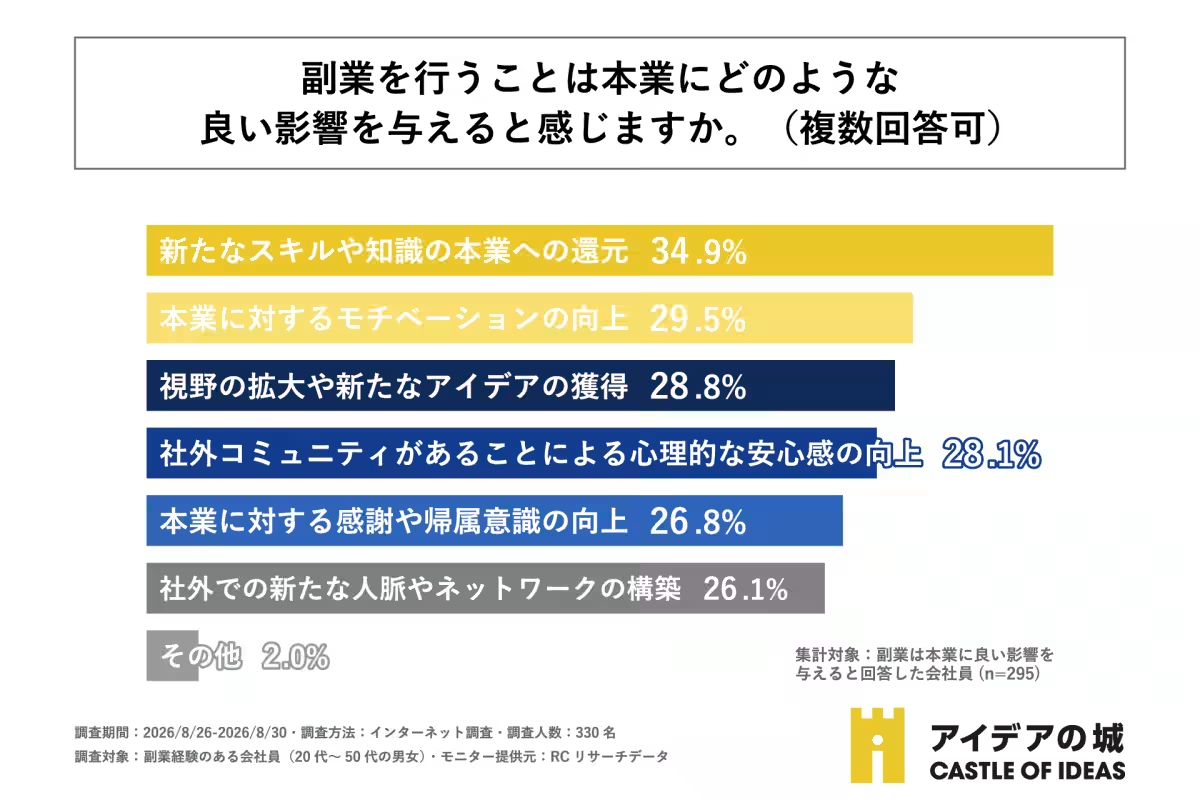
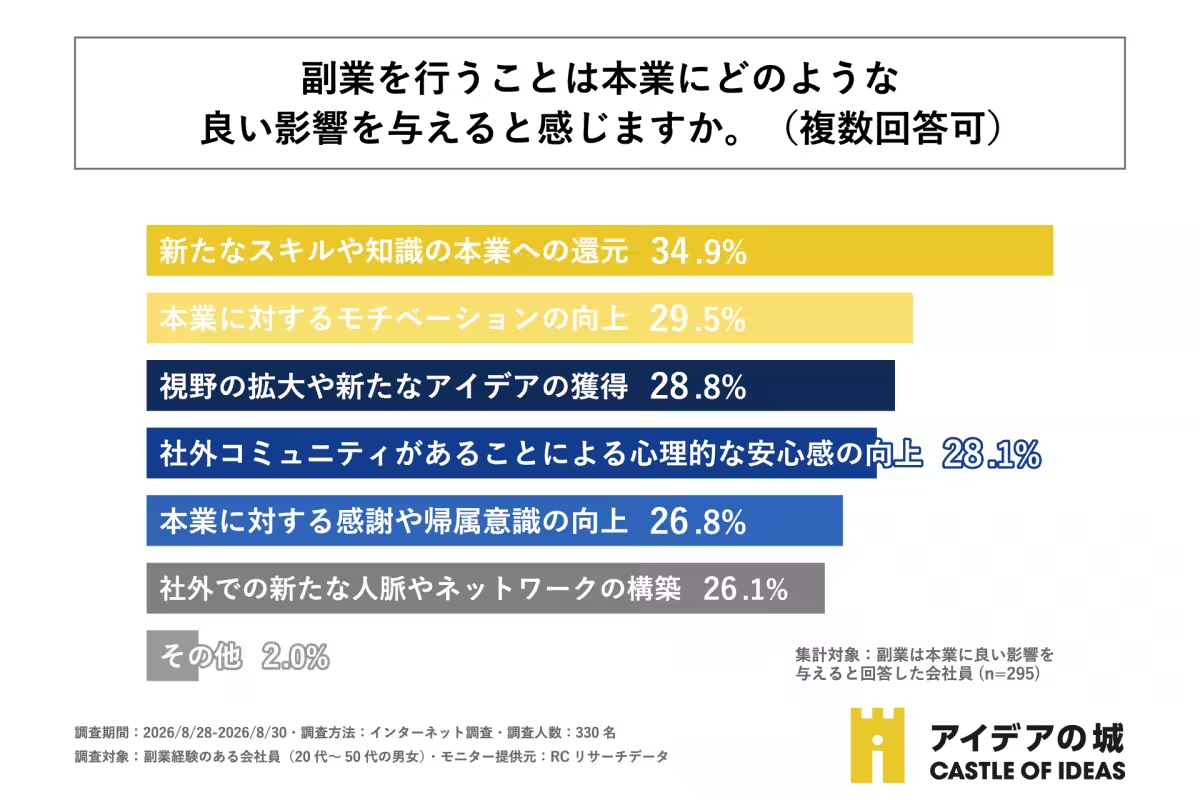
- - Positive influences pinpointed include the return of new skills and knowledge to their primary work and enhanced motivation.
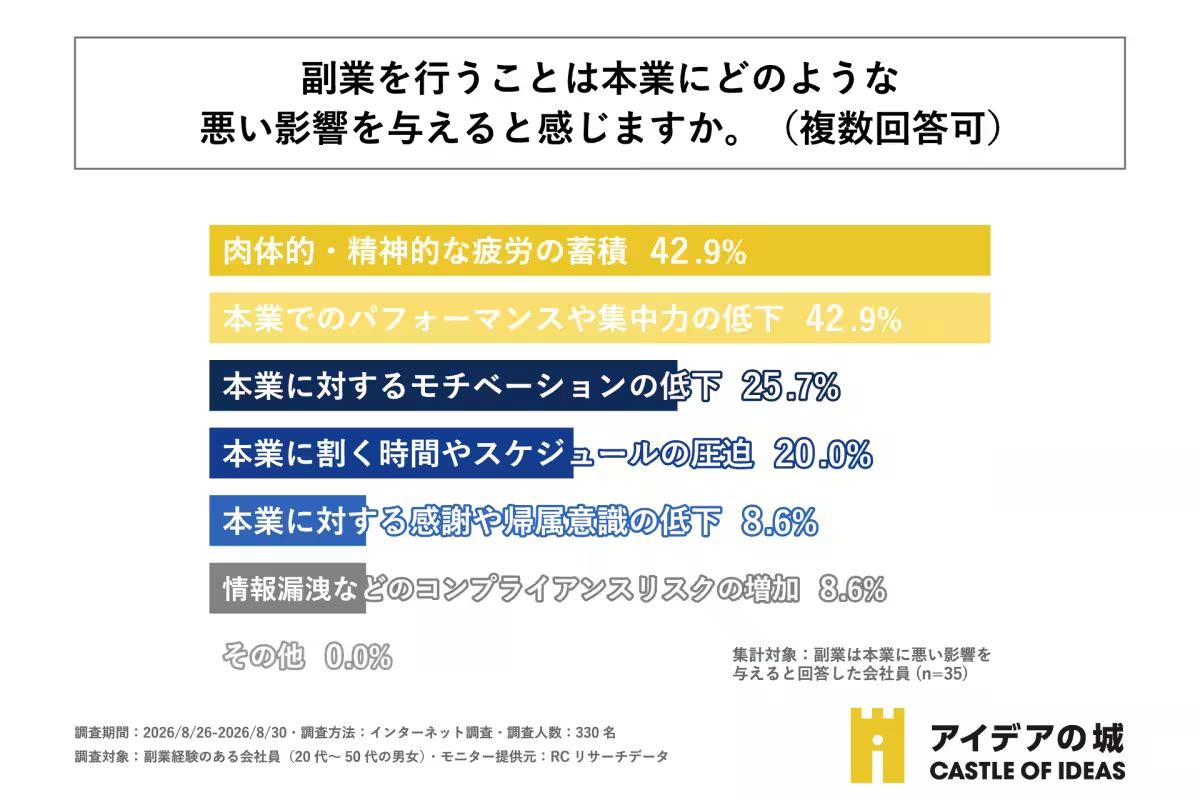
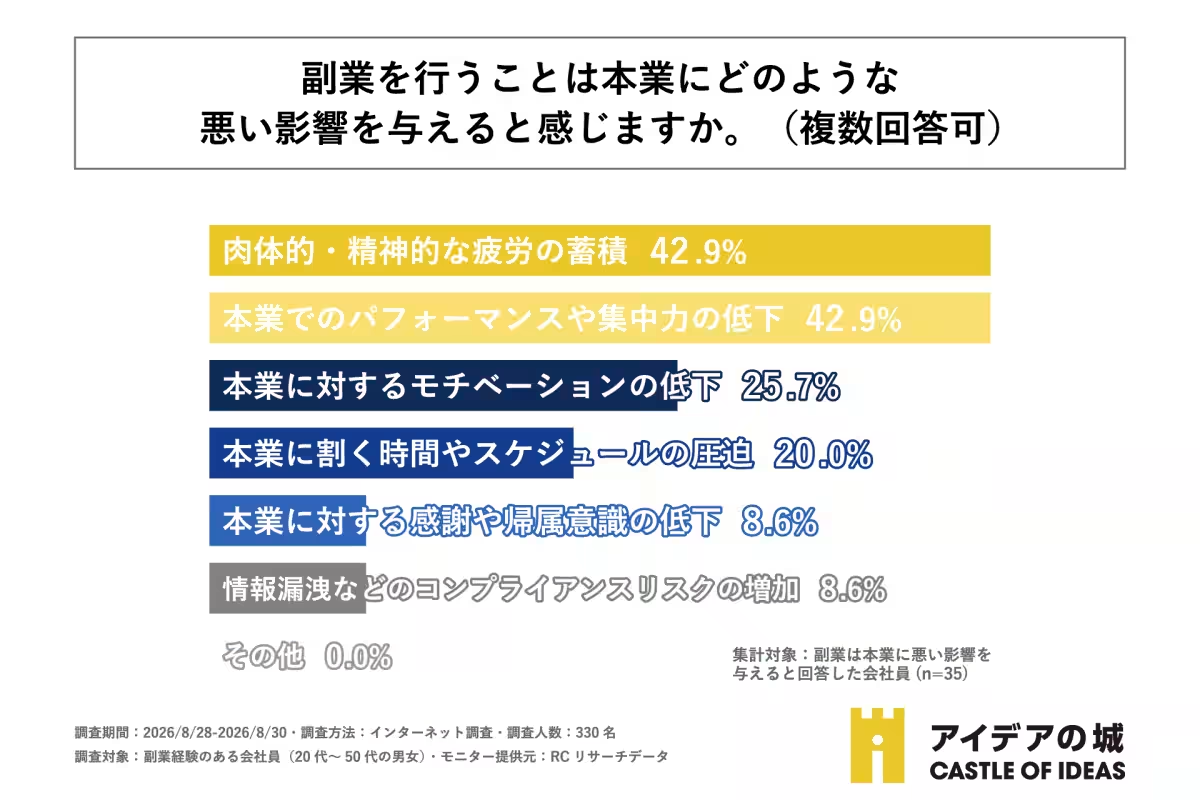
- - Conversely, negative impacts reported included physical and mental fatigue and decreased performance and concentration in primary jobs.
Motivations for Starting Side Jobs
When asked about their motivations for starting side jobs, the top results were illuminating.
1. To increase income (72.4%) - The primary driver for over 70% of participants was financial enhancement.
2. Skill development (25.8%) - Many employees are looking at side jobs as an avenue for personal development.
3. Self-fulfillment (20.0%) - A noteworthy portion of respondents sees side jobs as a means to realize their interests and aspirations.
Benefits Realized from Side Jobs
Among employees who found their side jobs beneficial, the survey unveiled valuable outcomes:
1. Quality Enhancement (30.8%): Many employees reported that the quality of their work outputs improved.
2. Process Improvements (29.6%): Insights from their side experiences led them to refine their work processes.
3. Integration of New Tools (27.1%): A significant number of employees successfully introduced innovative tools and methods they've learned into their main work environments.
Perceptions of Impact
Significantly, about 89.4% of employees expressed that side jobs yield positive influences on their main careers. The main benefits identified were:
1. Skill Returns (34.9%): New skills and knowledge from side jobs are applied to their primary work.
2. Increased Motivation (29.5%): Engagement in diverse work fosters renewed enthusiasm for their main jobs.
3. Broadened Perspectives (28.8%): Employees noted that such experiences develop broader viewpoints and foster new ideas, along with psychological safety from being part of an external community (28.1%).
Recognizing Negatives
On the flip side of the spectrum, those who reported negative impacts attributed them to:
1. Fatigue (42.9%): A common concern was the accumulation of physical and mental fatigue from juggling multiple jobs.
2. Decreased Performance (42.9%): Many felt their main job performance and concentration dipped due to the burden of additional work.
3. Reduced Motivation (25.7%): A small yet significant group mentioned a decline in motivation towards their main job due to addition work stress.
Conclusion
This survey sheds light on the multifaceted nature of side jobs. While the majority of employees are driven by the desire for increased income, the resultant experiences offer various benefits, contributing positively to their primary careers. Over 75% of participants recognize that insights gained from side jobs are invaluable, with improvements seen in the quality of work and operational processes. However, it is crucial to address the negative consequences, especially concerning fatigue and decreased concentration, to create a balanced professional ecosystem.
G-Boon's Ideation Castle stands as a prime example of fostering creative environments, enhancing networking opportunities, and encouraging innovative ideas among various professionals, thereby paving the way for increased workplace engagement and growth.



Topics People & Culture)









【About Using Articles】
You can freely use the title and article content by linking to the page where the article is posted.
※ Images cannot be used.
【About Links】
Links are free to use.