



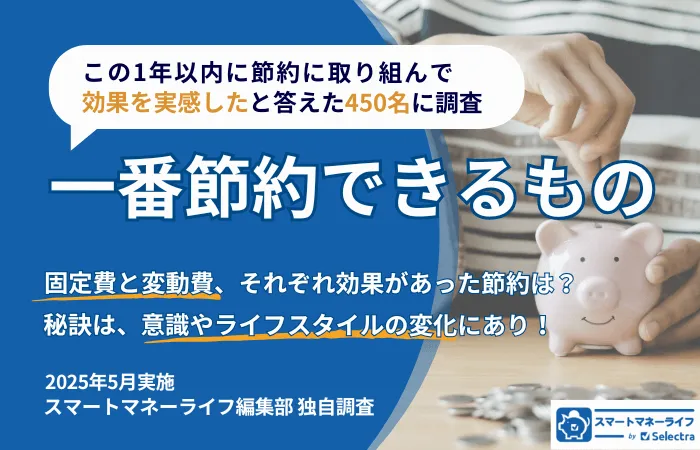
Discover the Top Savings Tips Unearthed by a Survey of 450 Participants
Discovering the Best Ways to Save Money: Insights from 450 Participants
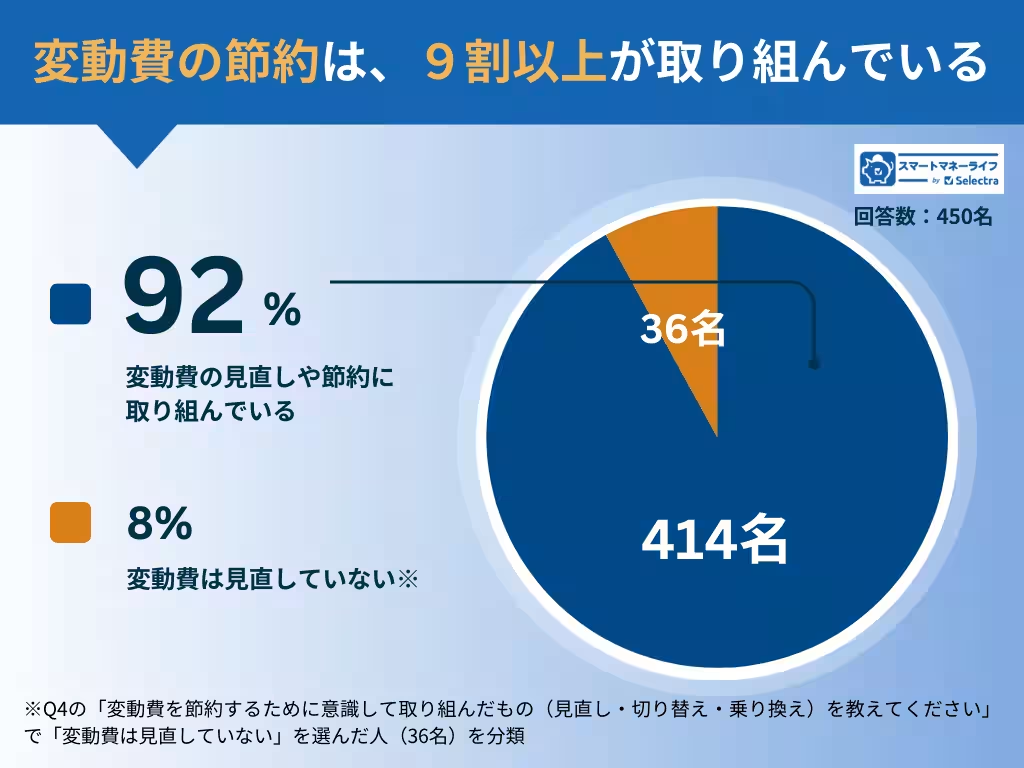
In a recent survey conducted by Selectra Japan, a leading financial information media company based in Shibuya, Tokyo, insights were gathered from 450 people who realized significant savings over the past year. The study delved into both fixed and variable costs, revealing which costs could be saved the most effectively and the lifestyle changes that contributed to successful saving.
Key Findings from the Survey
Which Fixed Costs Provide the Most Savings?
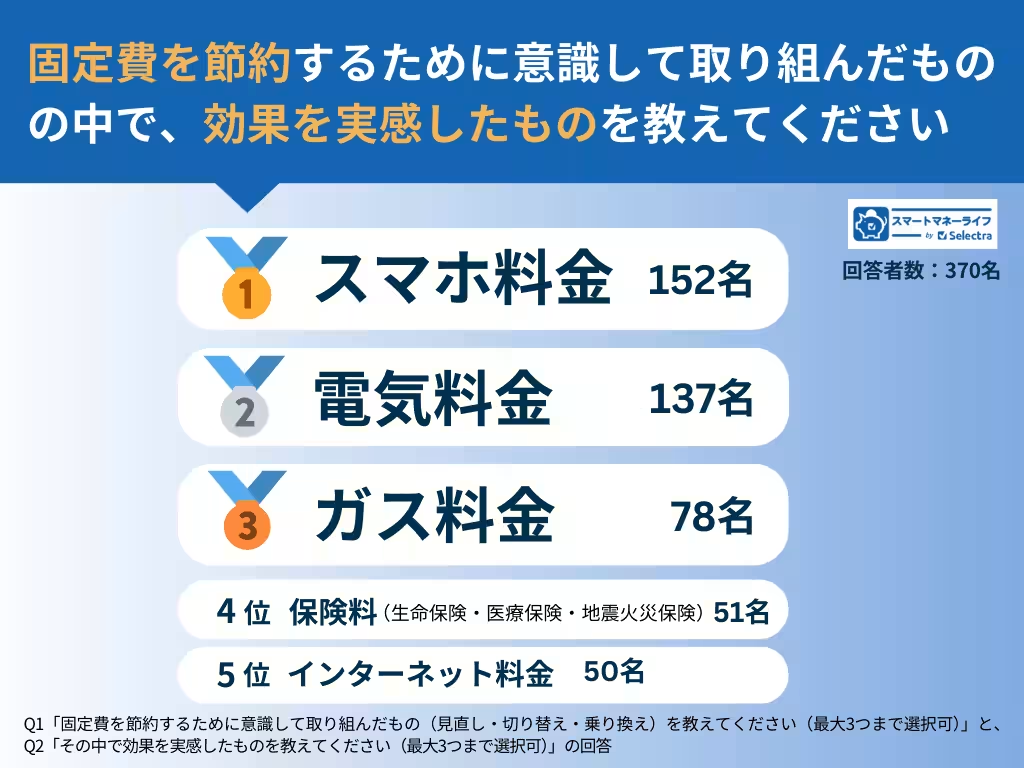
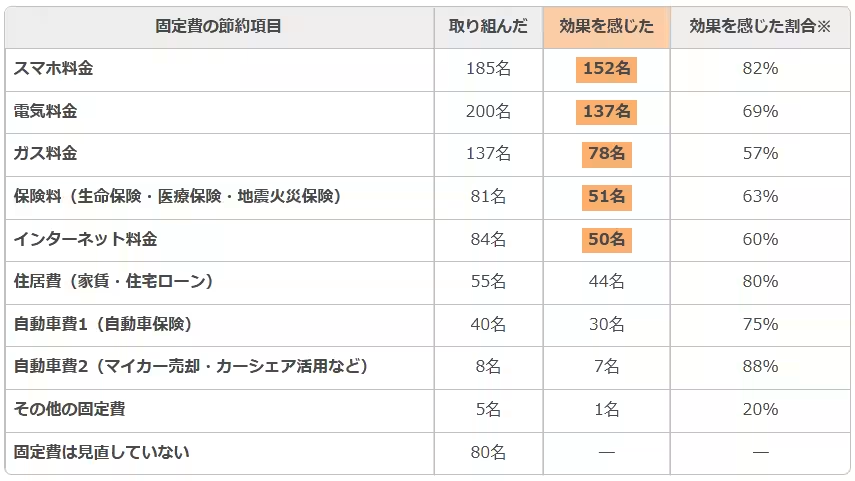
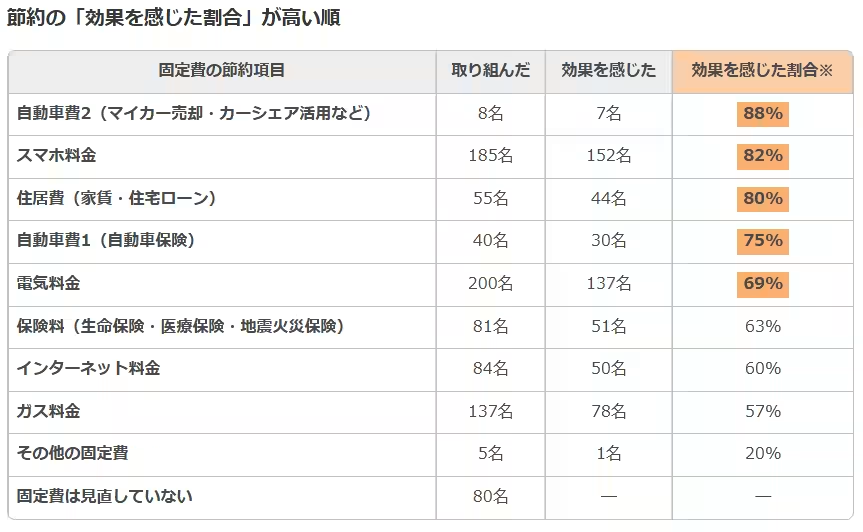
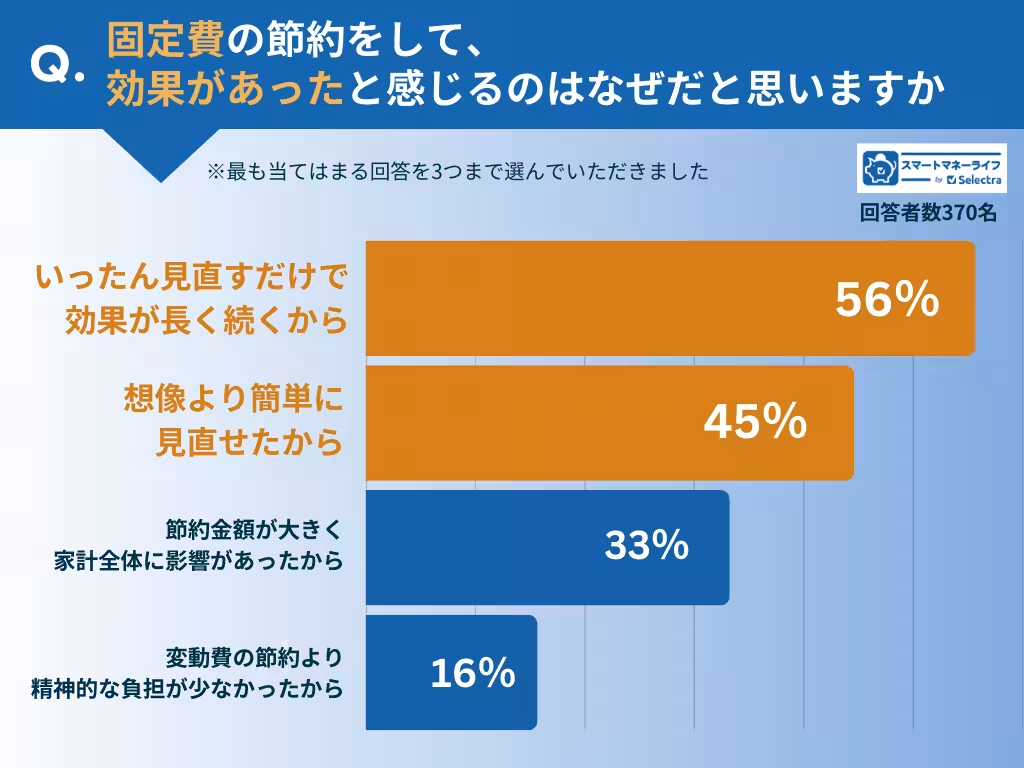
The participants unanimously agreed that mobile phone bills represent the most significant savings potential in fixed costs. An impressive 82% of those who adjusted their mobile plans reported a noticeable reduction in expenses. Participants cited the ongoing benefits of their savings, which lasted long after the initial adjustments were made. The ease of switching service providers due to the abolition of two-year contracts also contributed to the accessibility of these savings.
Following mobile phone costs, other notable fixed costs where participants found savings included electricity, gas, and internet bills, which also benefit from easy switching mechanisms and everyday consumption discipline.
Finding Savings in Variable Costs
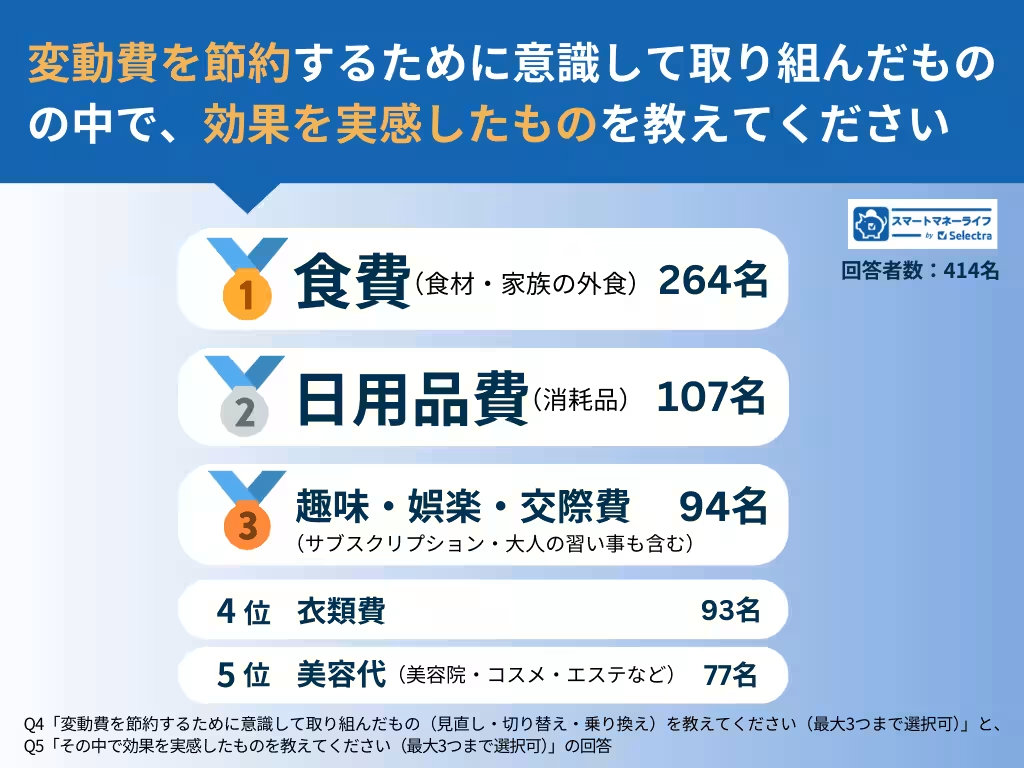
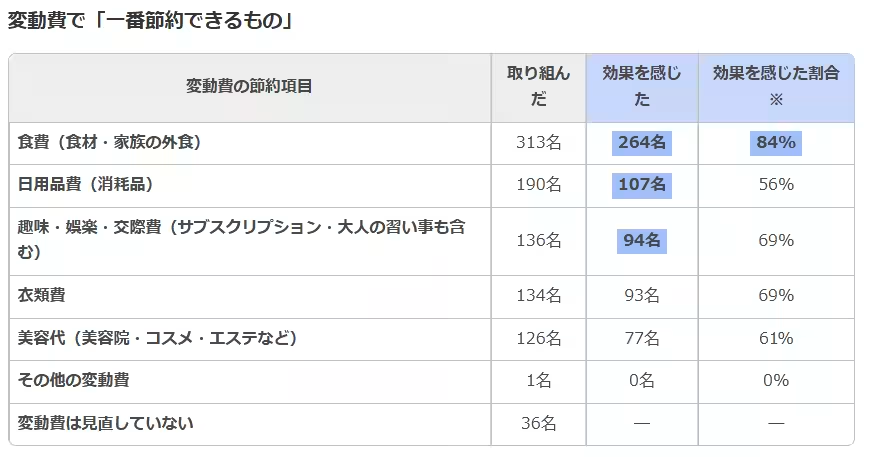
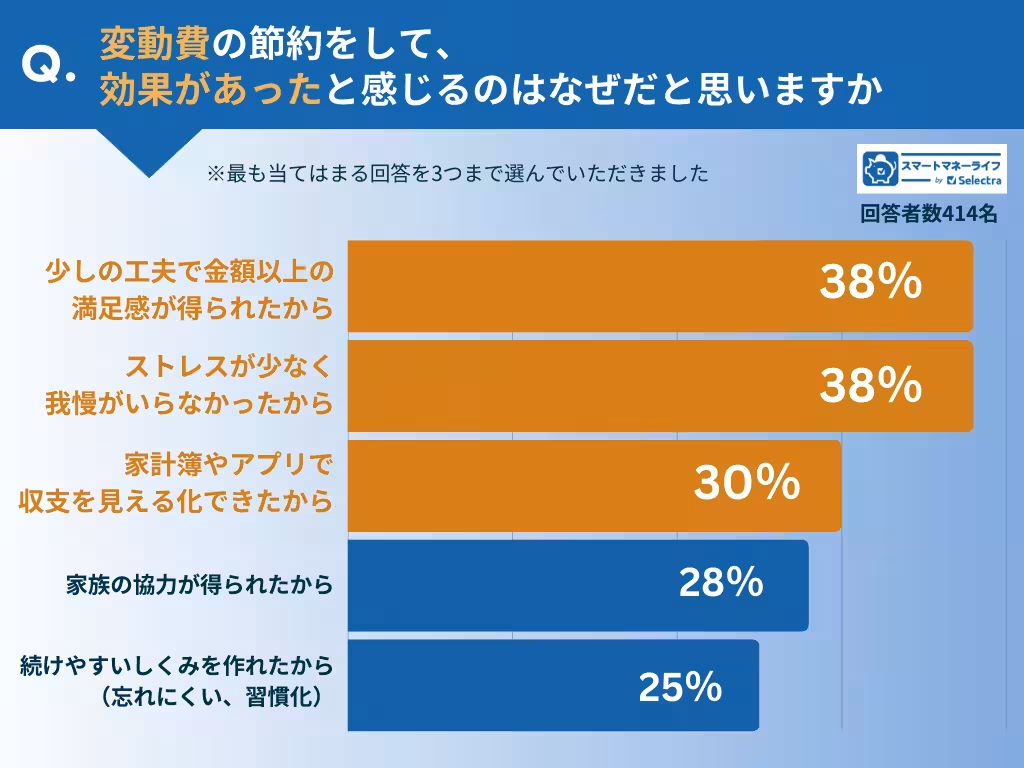
When it comes to variable costs, such as food and entertainment, participants highlighted food expenses as the most manageable area for savings. A whopping 84% of those who aimed to cut food costs felt they could do so through simple changes in their habits, such as cooking more at home and reducing the frequency of eating out. Engaging in mindful spending and finding satisfaction in smaller, more deliberate purchases was a common theme among participants who reported satisfaction with their spending.
A Shift in Consciousness
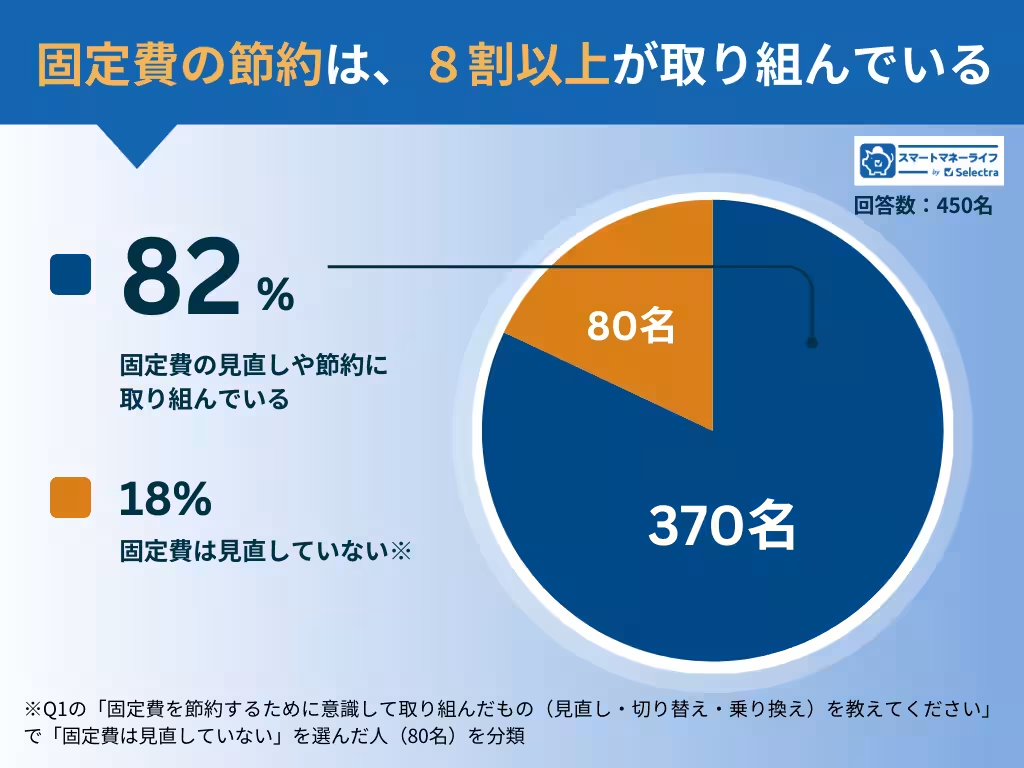
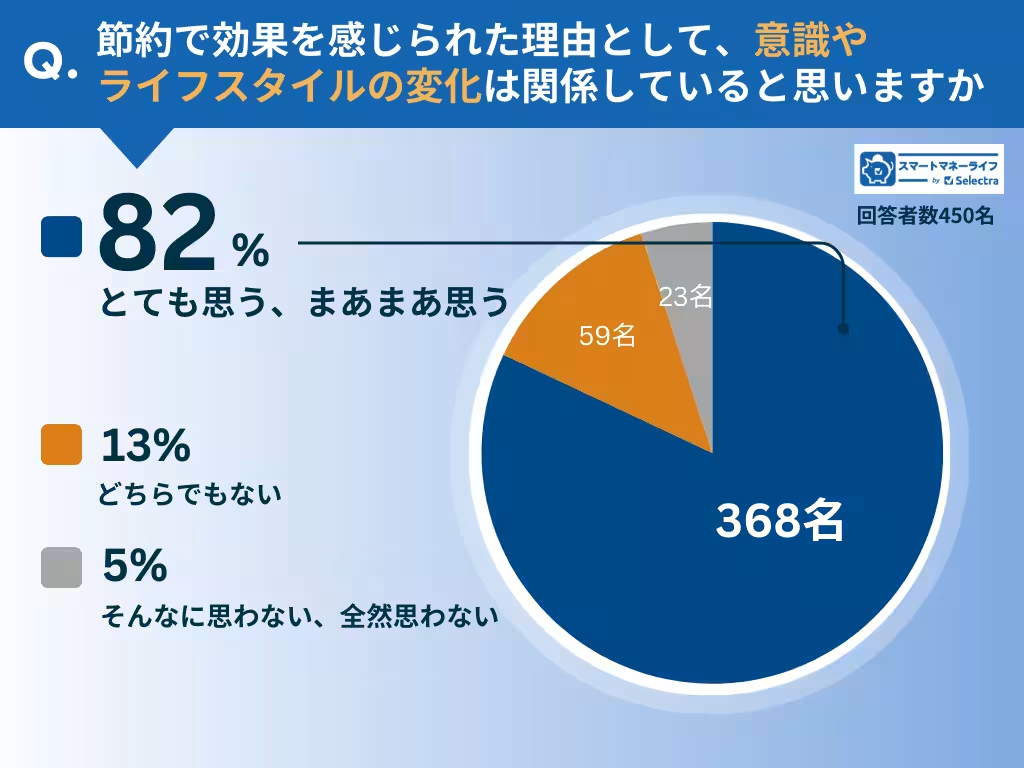
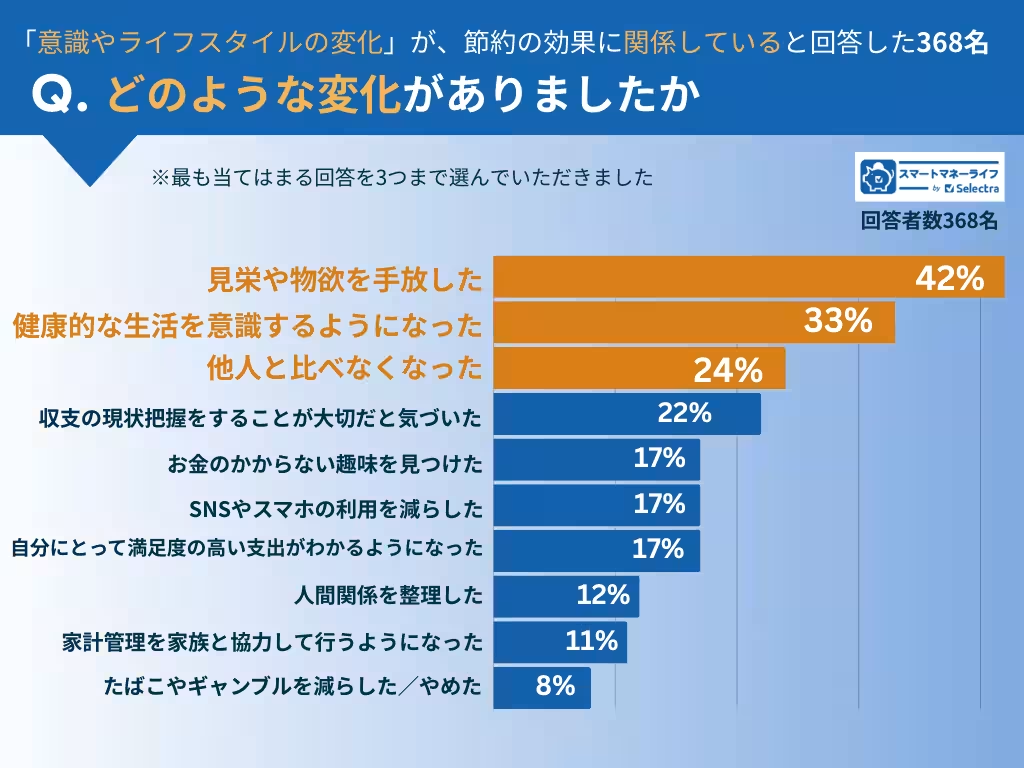
An interesting trend emerged from the responses: over 80% of participants indicated that their success in savings was closely tied to a shift in their mindset or lifestyle. This transformation often included letting go of material desires and vanity, resulting in a more health-conscious and fulfilled way of life. By prioritizing value over flashiness, individuals reported a significant reduction in spending on unnecessary items.
Tips to Sustain Savings Efforts
To seamlessly continue their saving journeys, participants shared various strategies:
- - Visualizing Goals: Tracking savings and seeing money accumulate instilled a sense of purpose and motivation.
- - Eliminating Unnecessary Purchases: Identifying what was genuinely needed versus what was not played a significant role in their financial choices.
- - Avoiding Comparisons: Going beyond social media standards helped many focus on their own financial wellness.
- - Creating a Flexible System: Establishing an environment where saving was a natural habit without feeling constrained was crucial.
Lessons Learned from the Survey
The survey concluded with clear insights: when it comes to saving, both fixed and variable expenses require strategies tailored to their unique characteristics. Fixed costs provide long-term benefits and can be reduced significantly with minimal effort, while variable costs demand ongoing attention and adjustments to daily habits. Ultimately, the key lies in mindset—a fundamental reshaping of values and priorities will lead to more conscientious spending and ultimately, greater financial freedom.
For those looking to initiate their saving journey, the report encourages starting with a simple look at both fixed and variable expenses. Emphasizing a thoughtful assessment of what is necessary and avoiding the pitfalls of lifestyle inflation can empower individuals to regain control over their finances.
For more detailed insights and personal anecdotes from the 450 participants, visit Smart Money Life.
Conclusion
The collective voices of the 450 respondents emphasize that effective saving is not just about cutting costs but about cultivating a healthier relationship with money. By engaging in mindful spending and embracing simplicity, many have found themselves not just saving money, but also enhancing their quality of life.


Topics Consumer Products & Retail)
【About Using Articles】
You can freely use the title and article content by linking to the page where the article is posted.
※ Images cannot be used.
【About Links】
Links are free to use.