



Exploring the Gap in Career Conversations Between Managers and Subordinates in Japan
The Communication Gap in Career Development in Japan
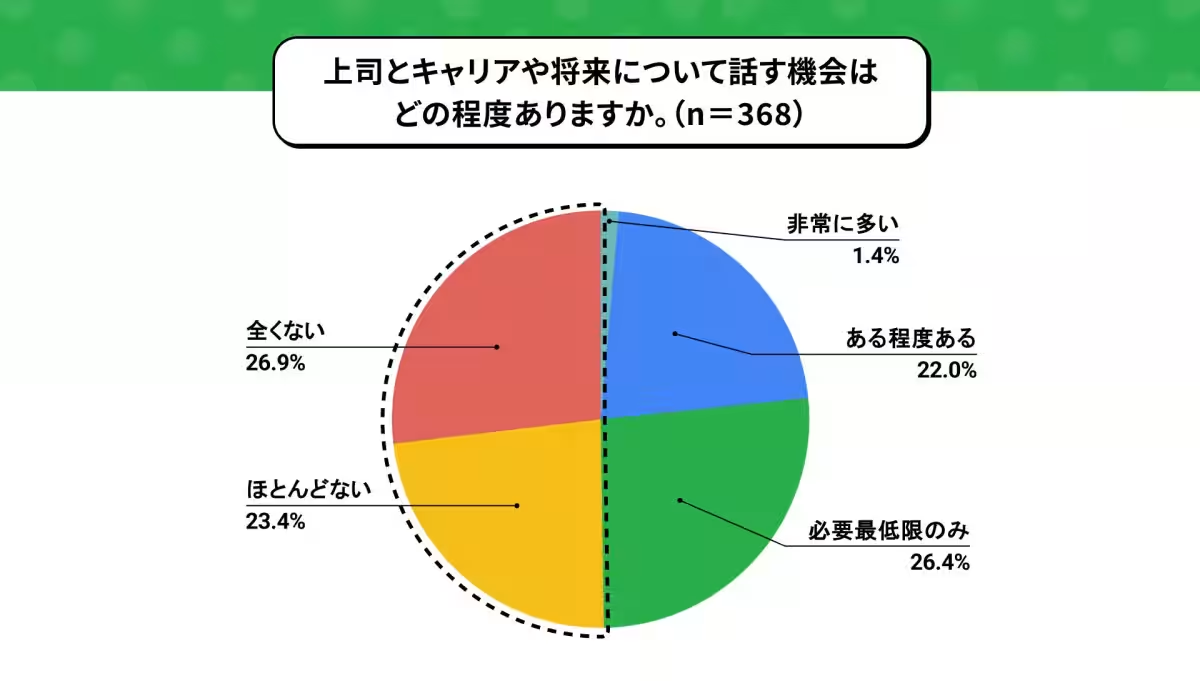
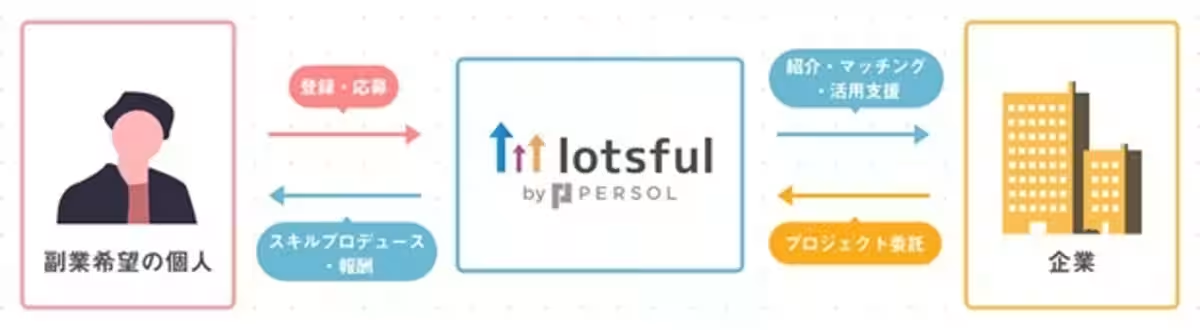
Amidst a rising trend for career autonomy, many employees in Japan express a critical lack of dialogue with their managers about their careers. A recent survey conducted by Lotsful Company, part of the Persol Group, found that approximately half of employees reported having no opportunities to discuss their future with supervisors. This statement is troubling, particularly given the vision of ‘working while smiling’ espoused by Lotsful.
Survey Overview
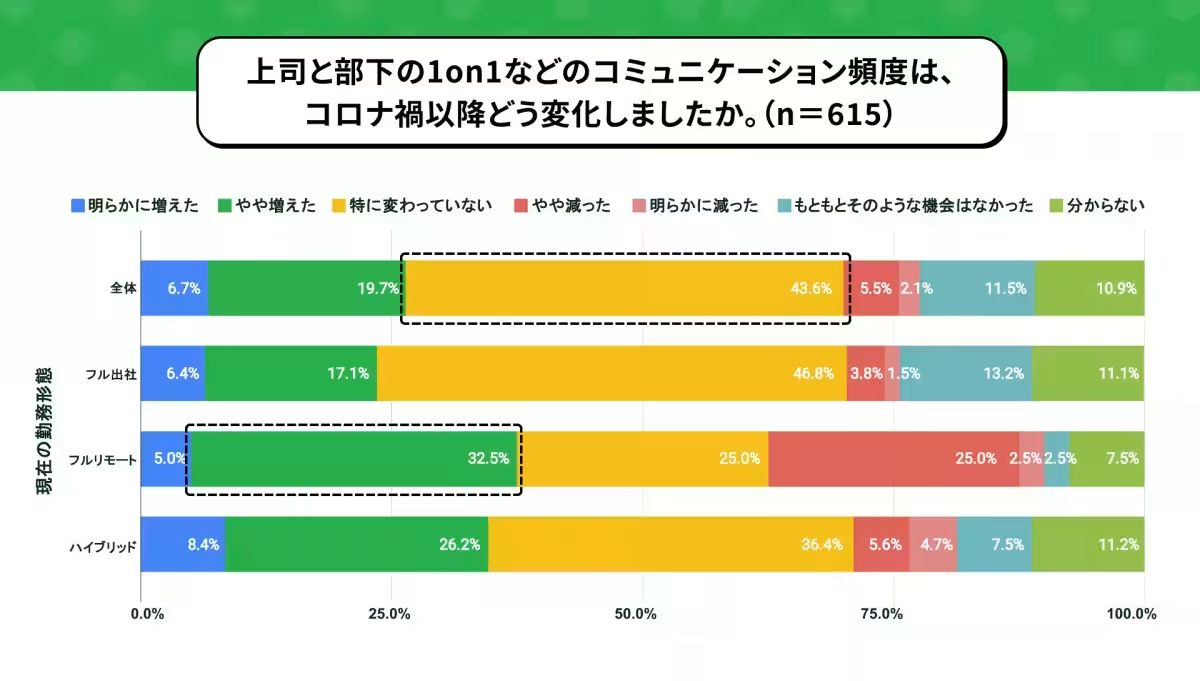
The survey, which involved 660 employed respondents aged between 20 and 40, aimed to shed light on the state of communication regarding career growth in Japan's corporate culture. The results indicate that despite the backdrop of the COVID-19 pandemic, communication patterns between managers and employees have not significantly changed, with 43.6% of participants noting that the frequency of one-on-one communications remains the same.
Communication Patterns
Interestingly, among fully remote workers, there has been a slight increase in communication. These individuals have adapted to the new remote environment by increasing their interactions to cultivate a sense of team cohesion. It suggests that while employees still engage with their work-related tasks and evaluations during discussions, personal career conversations are often neglected.
Dominance of Work-centric Discussions
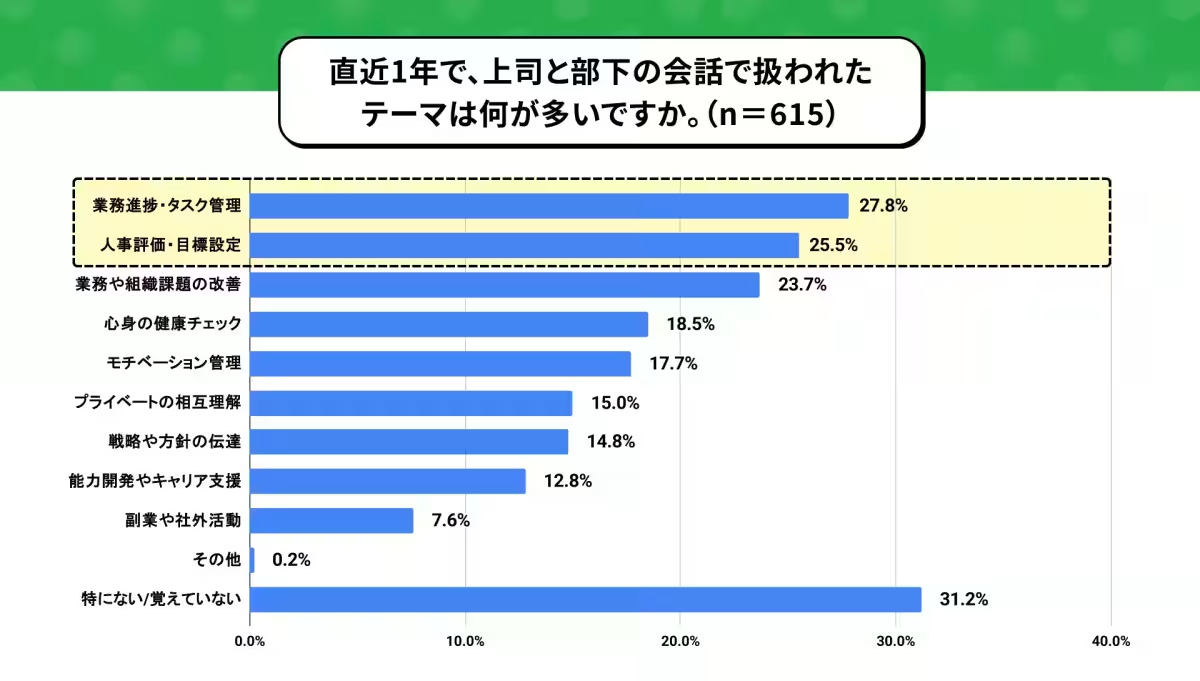
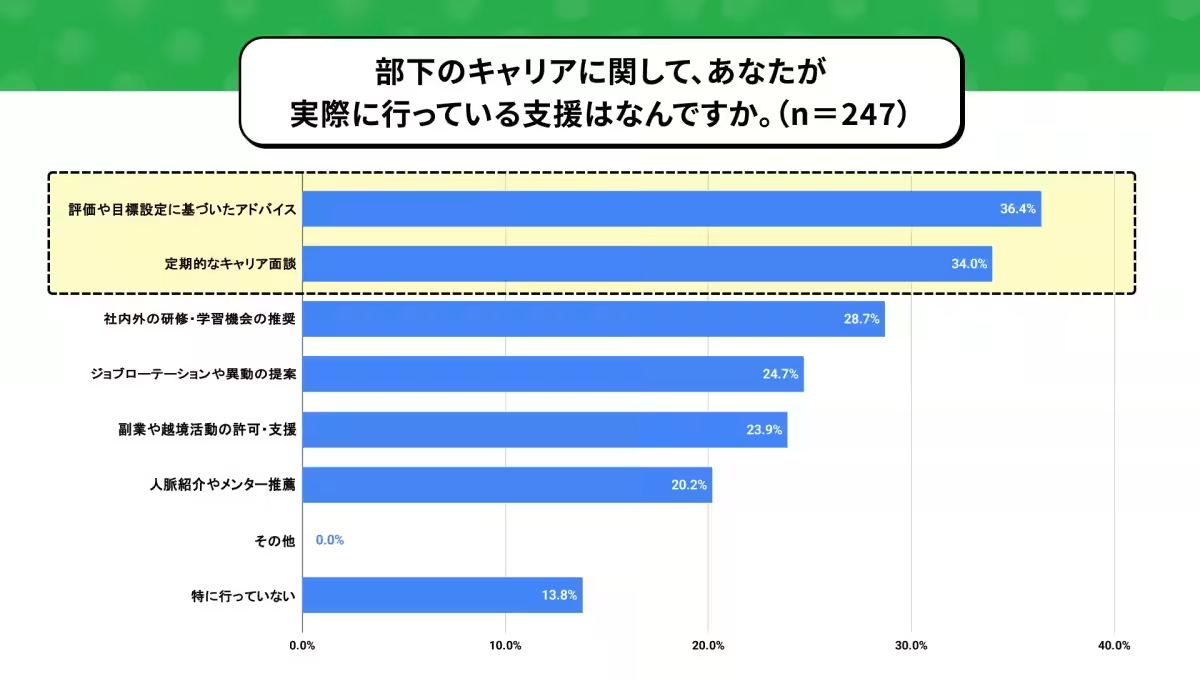
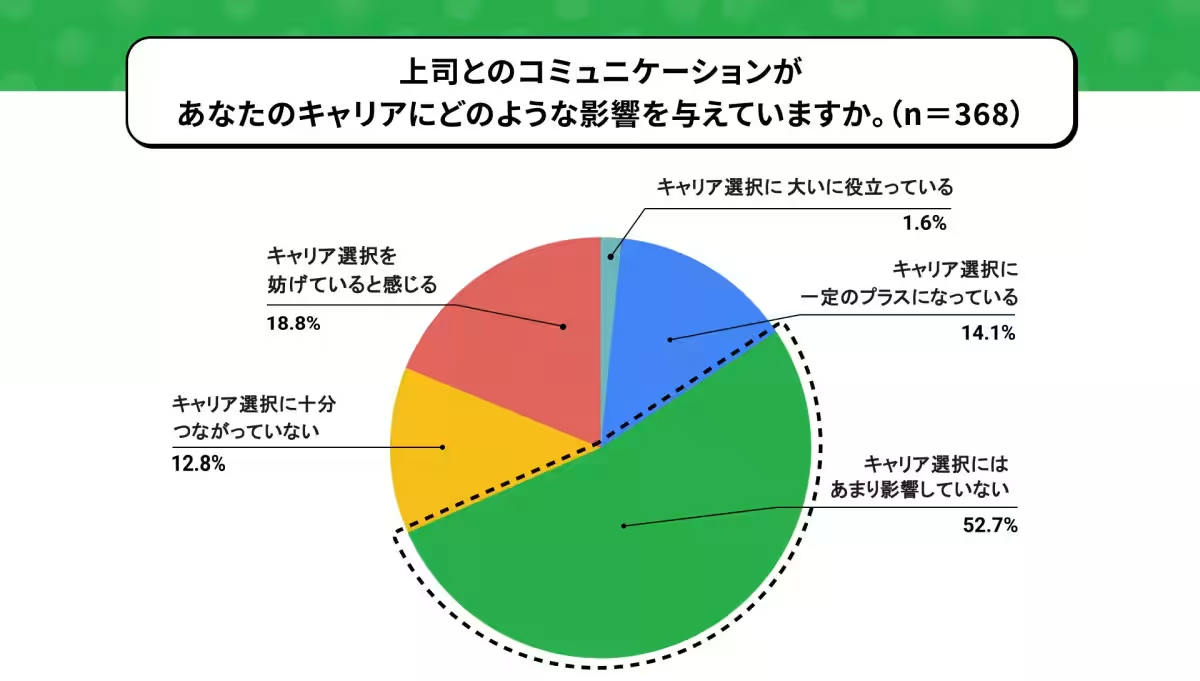
When asked about the core topics of discussions with their managers over the past year, participants indicated that conversations predominantly focused on project progress, task management (27.8%), and performance evaluations and goal setting (25.5%). Alarmingly, over 50% of employees admitted that they have not discussed their career trajectories with their managers, revealing an alarming gap in career dialogue. Furthermore, about 52.7% stated that their communication with superiors does not significantly influence their career choices.
Barriers to Open Communication
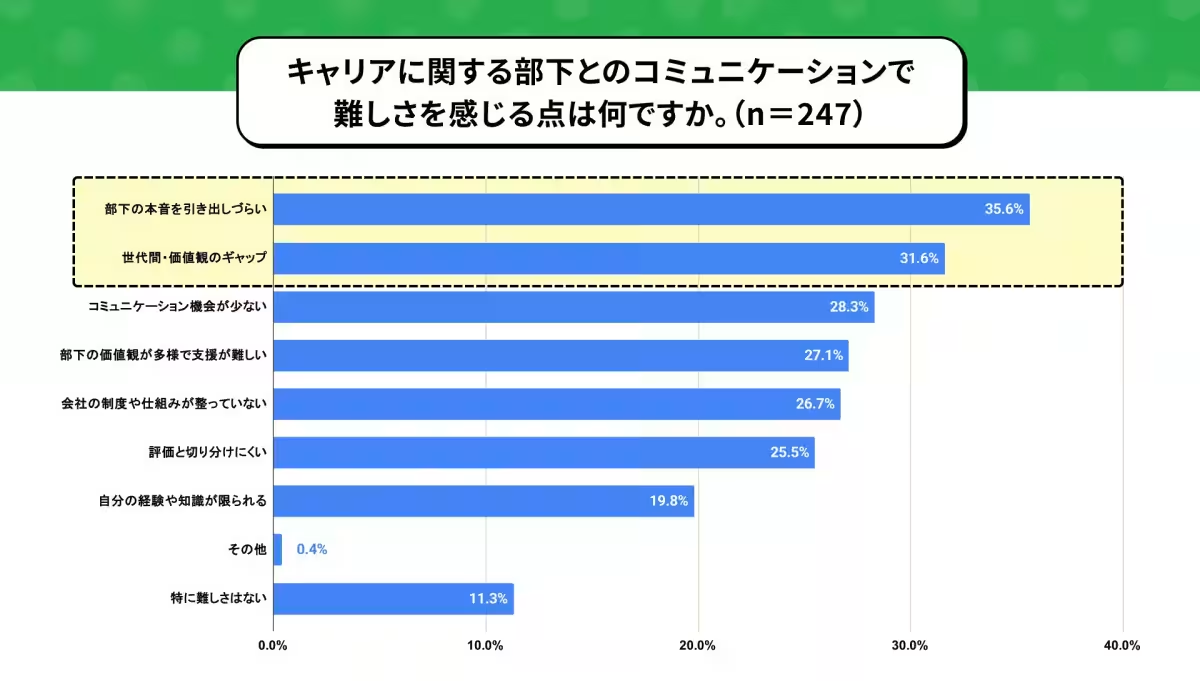
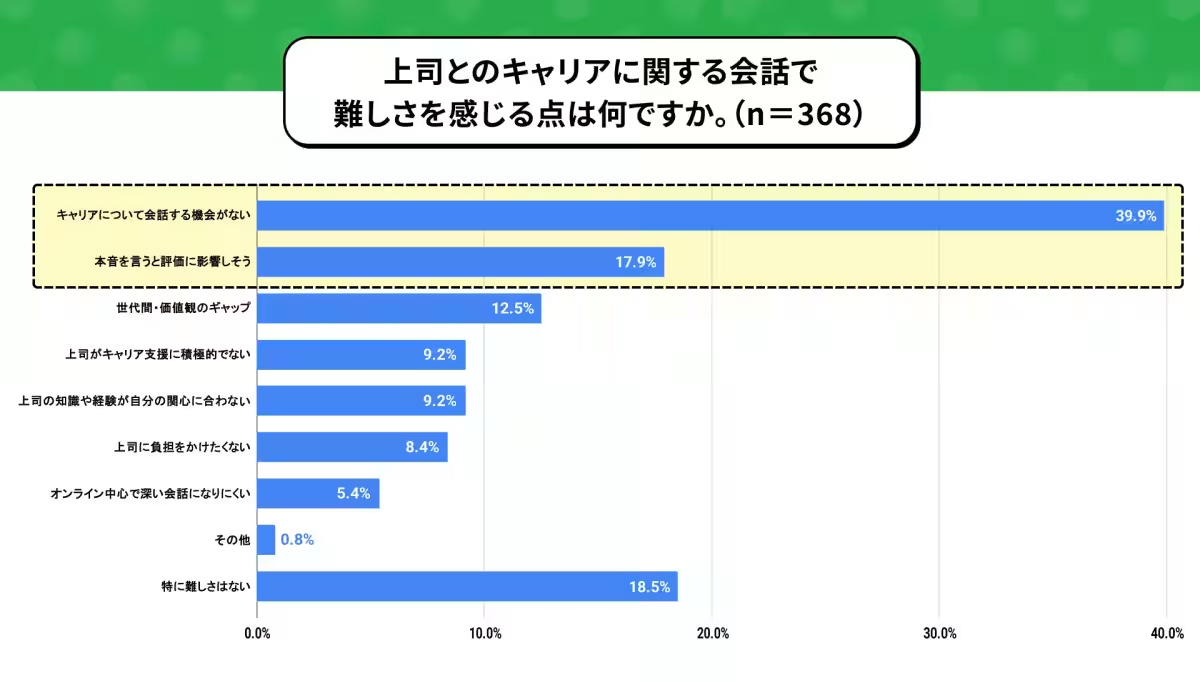
The survey also highlighted the struggles managers face in eliciting candid feedback, with 35.6% admitting that they find it challenging to draw out the genuine thoughts of their team members. Conversely, employees reported feeling that there are not enough opportunities to discuss their careers, compounded by fears that expressing their true feelings could have negative repercussions on their evaluations.
Interest in Side Jobs vs. Practical Application
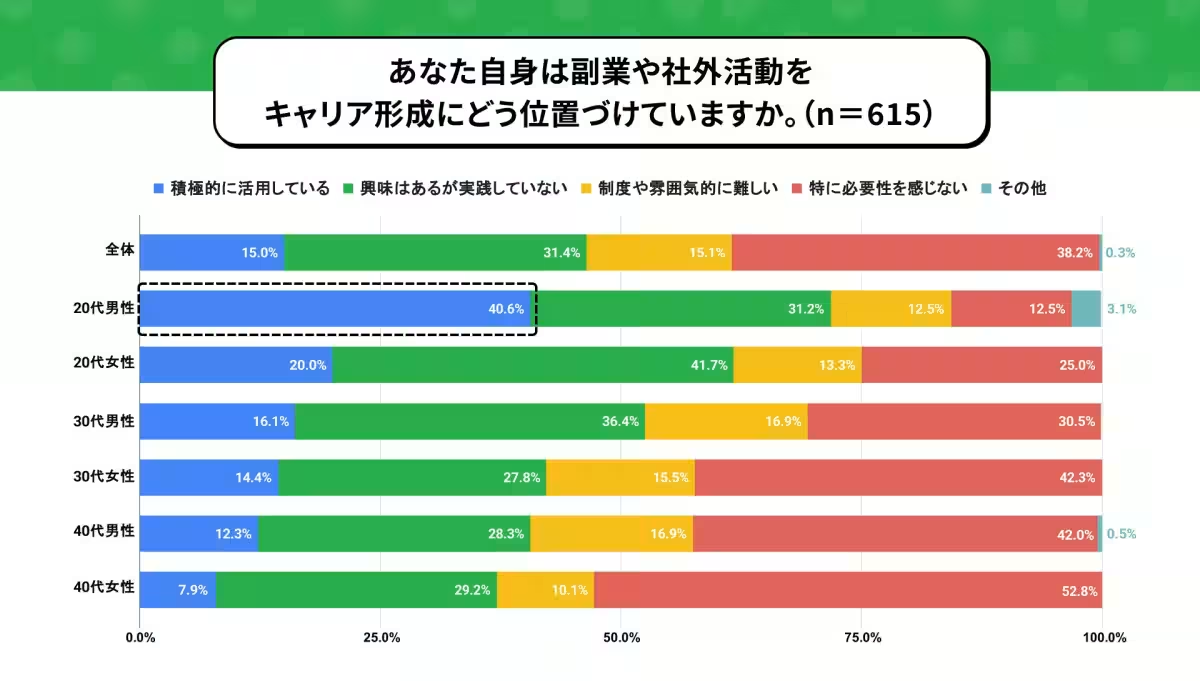
While there's marked interest in side jobs and external activities as a means of career development, the practical application remains low. About 38.2% of respondents felt that side jobs were unnecessary, while a significant number expressed interest yet have not acted on it. In fact, the survey revealed that individuals in their 20s are the most inclined to value side jobs, with many men actively pursuing them, while a substantial portion of women remain interested yet inactive due to external barriers.
Importance of Psychological Safety in Career Conversations
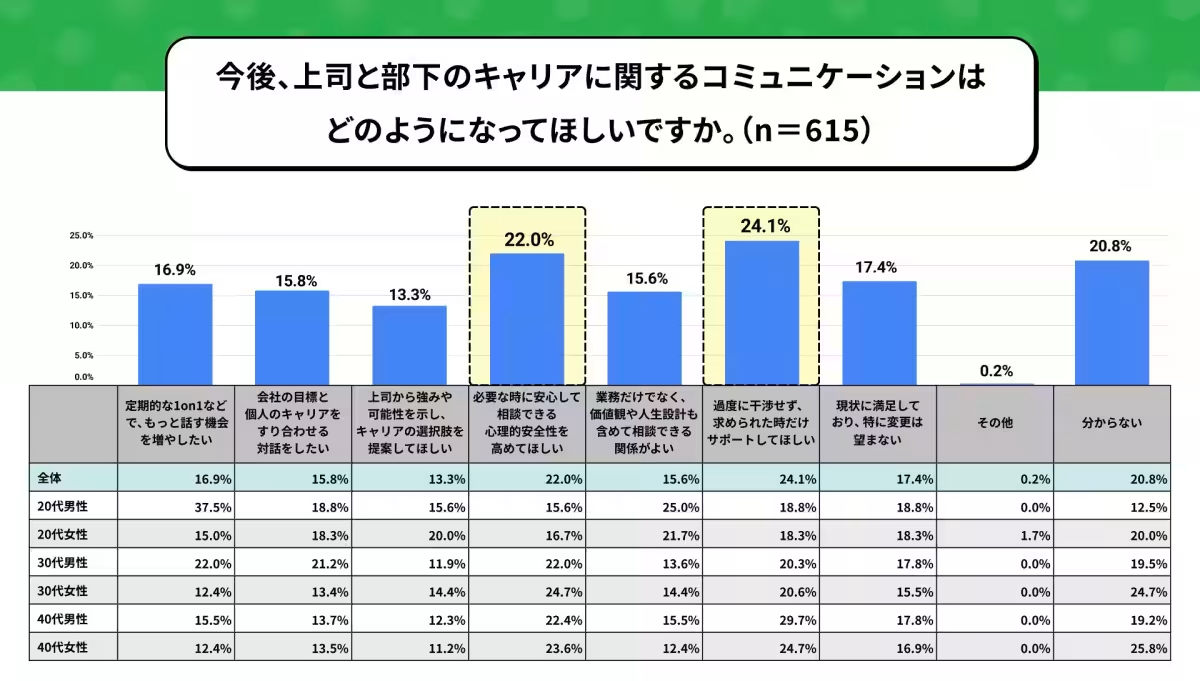
When considering future expectations for career-related discussions, many respondents emphasized the importance of psychological safety over micromanagement. A notable 24.1% preferred a management style that refrains from invasive support but is available when required. This sentiment varied across age groups, suggesting that younger individuals seek more frequent dialogues, while older employees prioritize trust over interference.
Conclusion
The findings indicate a considerable need for businesses to foster an environment conducive to open communication regarding career development. Immediate actions should focus on promoting dialogues that transcend mere work-related updates, encouraging meaningful conversations surrounding personal and professional aspirations. As Lotsful continues to facilitate these vital interactions among employees, the emphasis should shift from management oversight to nurturing supportive frameworks that empower employees to take ownership of their career journeys. Supporting these initiatives not only cultivates independence but can yield deeper employee satisfaction and retention in the long run.

Topics Business Technology)

【About Using Articles】
You can freely use the title and article content by linking to the page where the article is posted.
※ Images cannot be used.
【About Links】
Links are free to use.