



Search User Preferences: Efficiency in Content Engagement and Retention Insights
Understanding Search Users' Behavior: An In-Depth Analysis
In a recent survey conducted by Nile Corporation, a Tokyo-based company specializing in DX and marketing, the behavior of search users was analyzed to understand their preferences when it comes to engaging with online articles. By surveying 980 participants aged 20 to 60, the study aimed to uncover the critical factors that influence whether users continue reading or opt to exit the content.
Key Findings from the Survey
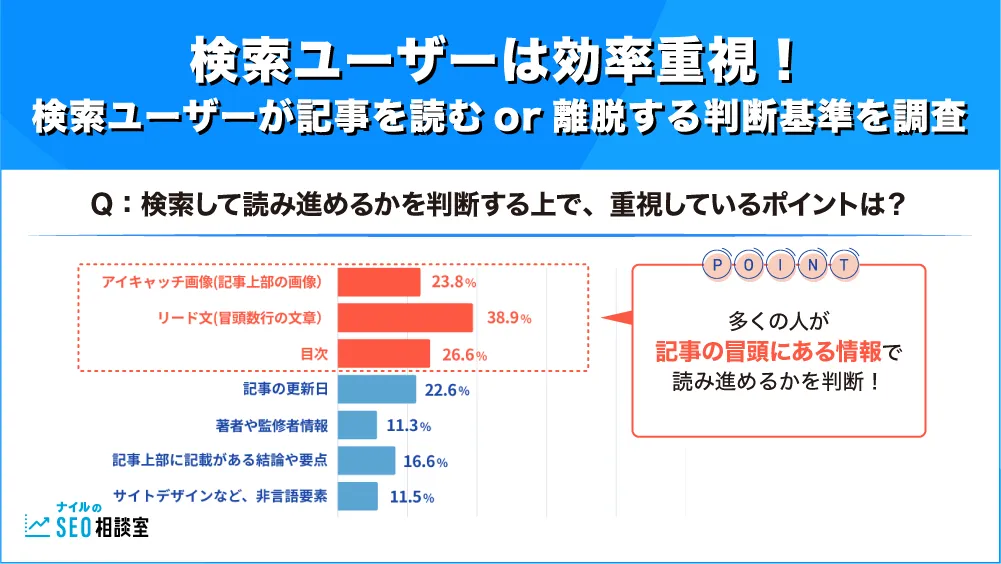
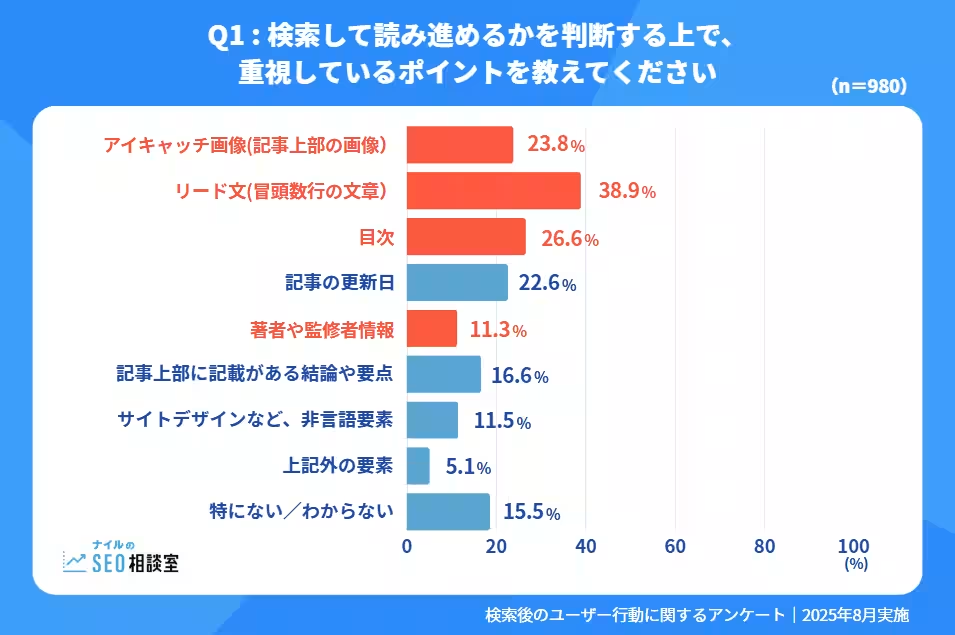
The survey, held between August 13 and 19, 2025, revealed that search users prioritize efficiency when digesting online articles. The most significant indicators for users deciding to continue engage with an article include:
1. Lead Paragraph (38.9%)
2. Table of Contents (26.6%)
3. Eye-Catching Images (23.8%)
4. Article Update Date (22.6%)
These findings indicate that users usually have a specific question in mind when they reach a page through search results. The lead paragraph and table of contents serve as quick guides for users to determine whether the content aligns with their informational needs.
Furthermore, visual elements and the recency of the information are crucial as users react favorably to articles that present information effectively without unnecessary delays.
The Role of Authors and Contributors
Interestingly, the survey showed that only 11.3% of respondents considered the authorship or editorial oversight to be a major factor in their reading choice. This suggests that general trust in an article is formed based on factors like its visibility in search rankings, potentially influenced by Google’s E-E-A-T guidelines that prioritize high-quality, reputable sources.
Despite the lack of emphasis on author credibility, it remains essential for media outlets to enhance their authority employing qualified authors or editors in content creation to support SEO efforts.
User Reading Habits
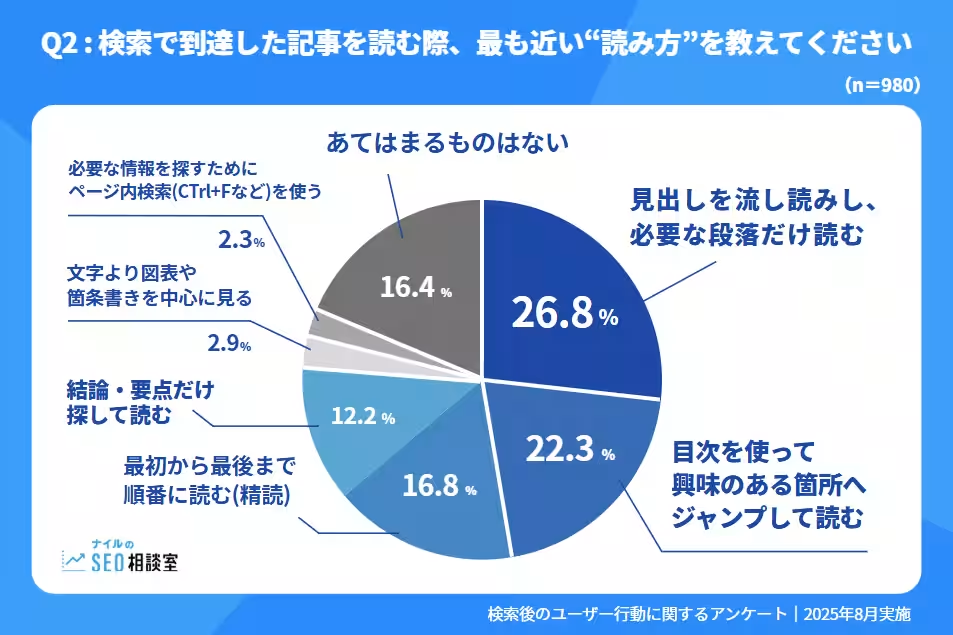
When examining how users engage with articles, the survey found that the most common behavior was skimming headings and reading only relevant paragraphs (26.8%), followed by utilizing the table of contents to jump to interesting sections (20.5%) and reading in order from the beginning to the end (16.5%).
This pattern signifies that search-driven users favor approaches that allow them to swiftly locate information; structured articles with clear headings and content outlines are more likely to be embraced.
However, it’s notable that a segment of users (16.5%) do prefer to read articles in full, particularly for themes that require complex understanding or when the content is provided by a trustworthy source.
Factors Leading to User Drop-off
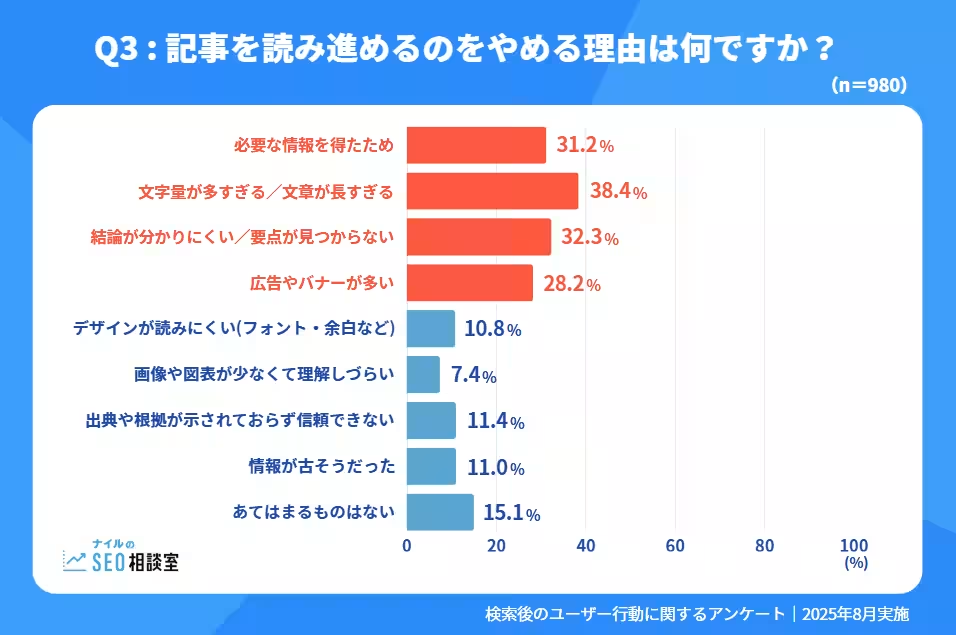
The survey also explored why users might choose to disengage with articles. The leading reason was the excessively long text (38.4%), followed by confusion overpowering the conclusion or finding essential points (32.3%), and achieving the desired information (31.2%).
Notably, gaining relevant information and leaving content due to content saturation represents a positive outcome for user experience, emphasizing their “task-completion” behavior. Moreover, excessive advertisements or intrusive banners (28.2%) can contribute significantly to user frustration, urging them to abandon the article.
Importance of Visual Presentation
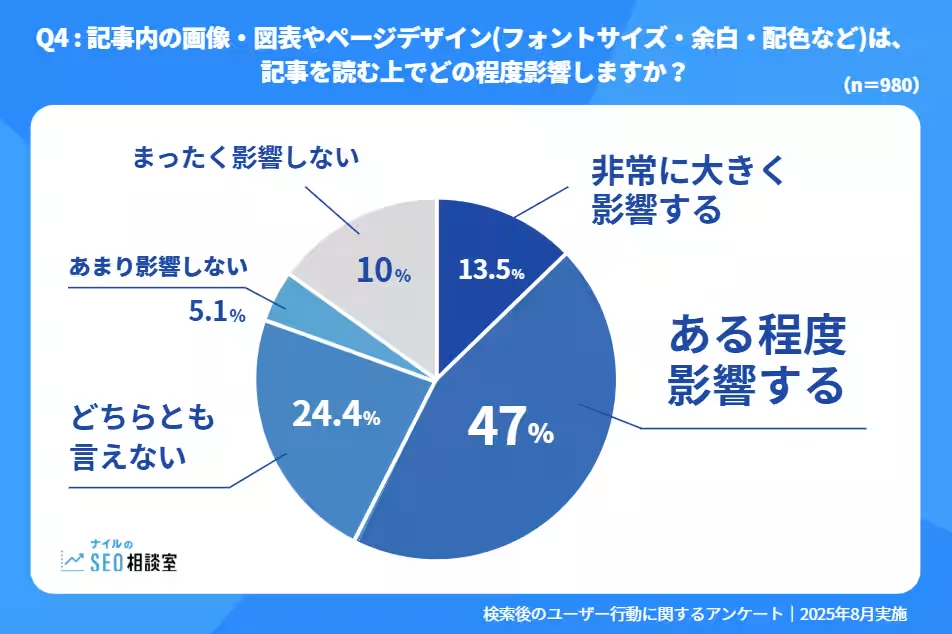
The influence of visual factors was also analyzed, with over 60% of participants indicating that aesthetics, such as font size and whitespace, substantially affect their reading experience. Proper design can enhance readability and, by extension, increase engagement and user satisfaction with the content.
Visual elements are vital for facilitating the efficient absorption of complex information, proving that they are not just decorative, but necessary for providing valuable user experience.
Prioritizing Efficient Access to Information
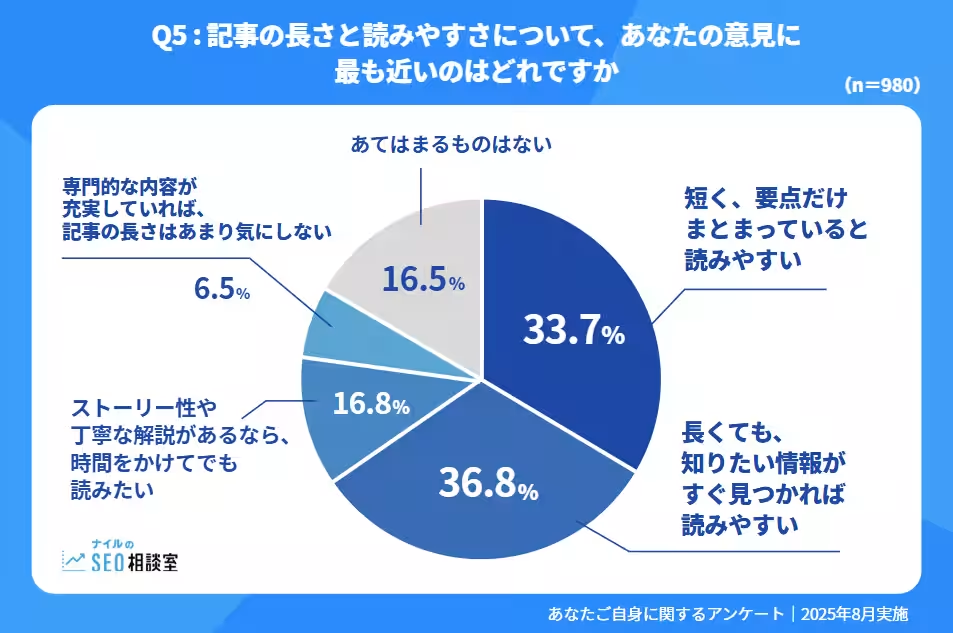
The core theme arising from user preferences is the necessity for quick access to crucial information. The most common preference was for articles to be succinct and straightforward (33.7%), supporting the notion that users value immediate access to answers over comprehensive narratives or detailed analyses. Users clearly seek efficiency in navigating and retrieving information, valuing direct answers more than flowery prose or detailed storytelling.
In summary, optimizing the content design based on user behavior encourages a structure where key takeaways are easily accessible, showing that a successful article must balance brevity with an opportunity for deeper exploration for those who seek it. Emphasizing this dual approach will cater to a broader range of reader needs.
Conclusion
The insights presented underscore the significant trend among search users towards valuing efficiency and clear communication in content. The findings highlight that creators must not only represent what information is presented but also how it is structured and conveyed to meet user expectations effectively.
To create content that resonates with search users, utilizing clear headings, concise lead sections, and visually appealing designs will cater to the demand for efficiency and engagement, ultimately improving user satisfaction.
- ---
About Nile Corporation
Nile Corporation, founded in January 2007, specializes in digital transformation and marketing strategies. With extensive experience in consultant services, they have supported over 2,000 companies in enhancing their online presence and achieving transformative results. For more information or inquiries about our services, visit Nile Corporation.
Topics Business Technology)
【About Using Articles】
You can freely use the title and article content by linking to the page where the article is posted.
※ Images cannot be used.
【About Links】
Links are free to use.