



Aji-no-Moto's Study Reveals Impact of Rice Restrictions on Happiness Levels
The Impact of White Rice Restrictions on Happiness: Insights from Aji-no-Moto's Recent Study
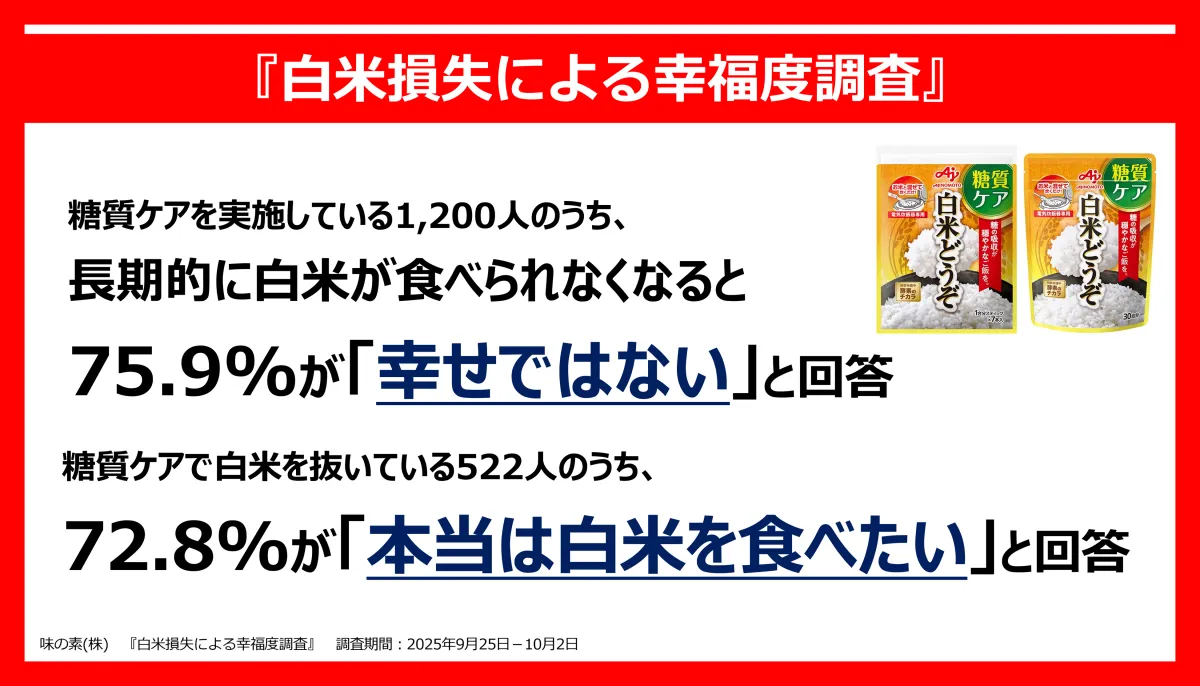
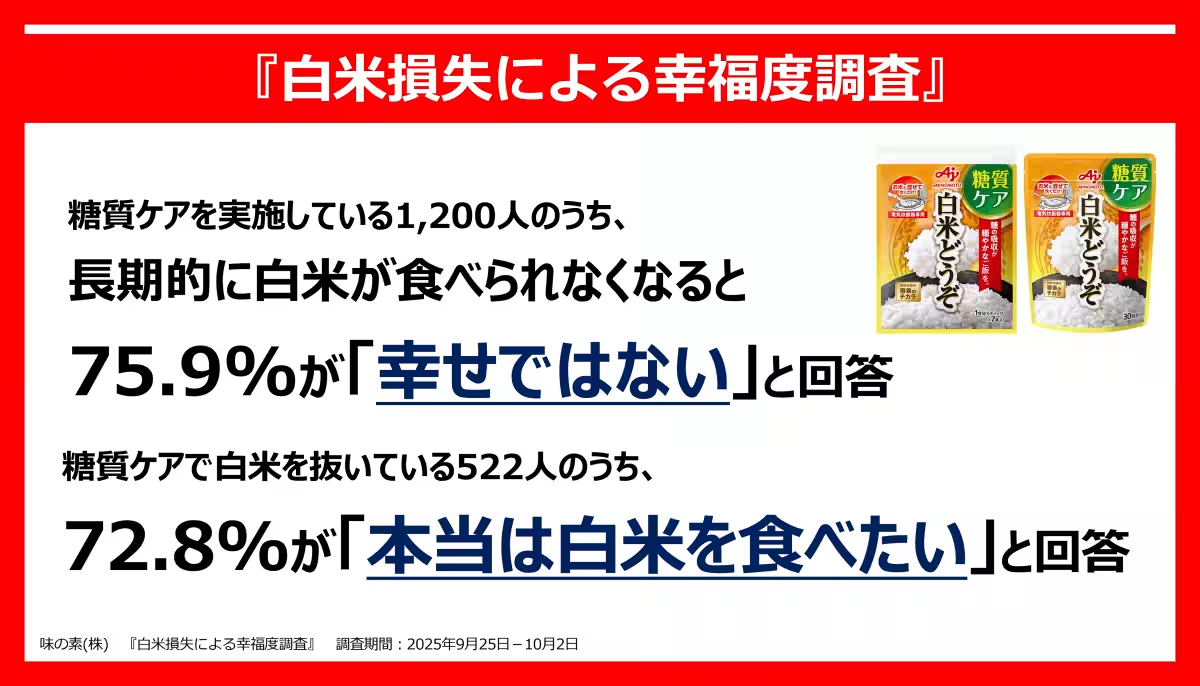
In a world increasingly conscious of dietary choices, Aji-no-Moto Co., Inc. has brought to light the emotional toll that restricting white rice can have on individuals engaged in carbohydrate management. Conducted with the intent to understand the value of white rice in the lives of those navigating dietary changes, the 'Happiness Survey Regarding Loss of White Rice' utilized data from 1,200 respondents actively managing their carbohydrate intake.
Key Findings from the Survey
The results of the survey revealed profound insights into the relationship between white rice consumption and overall happiness. Key statistics highlighted the emotional burden faced by those limiting their consumption of white rice:
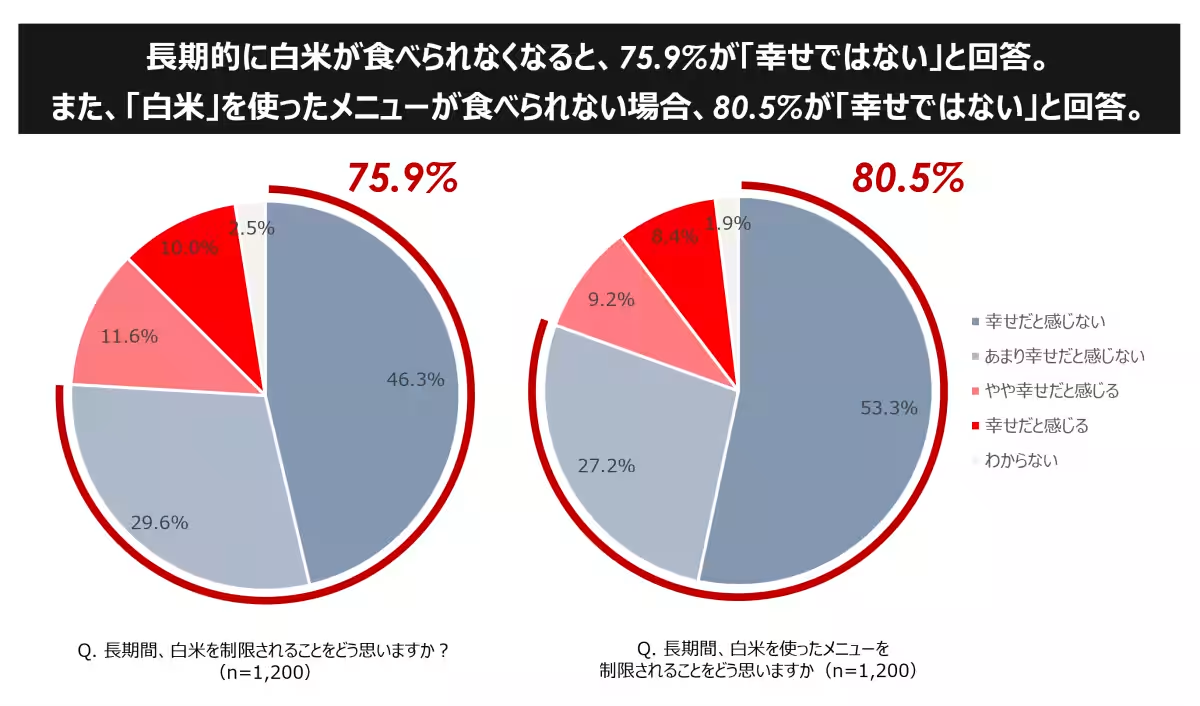
- - 75.9% of participants expressed that they feel "unhappy" if they are unable to consume white rice long-term.
- - An overwhelming 80.5% reported feeling unhappy when unable to enjoy rice-based dishes.
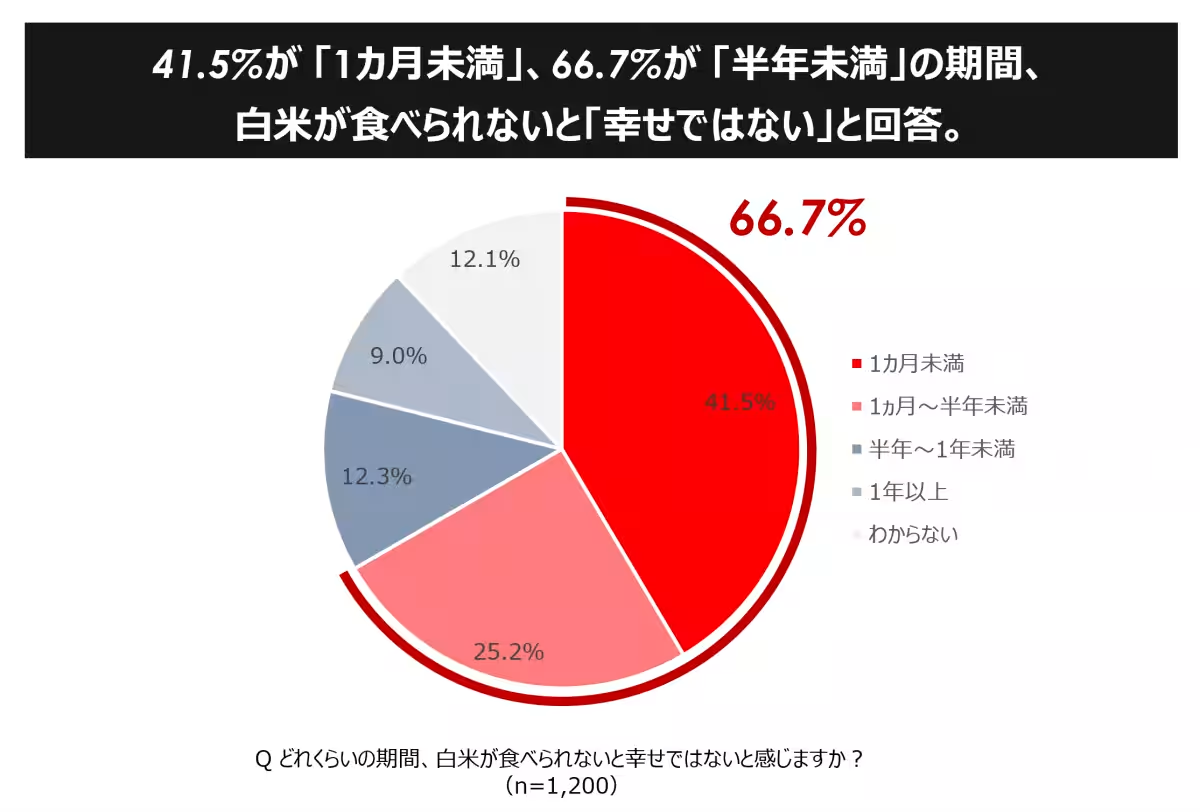
- - Notably, 41.5% felt dissatisfied when rice was absent from their diet for less than a month, while 66.7% remained unhappy within a six-month period.
These statistics underscore the emotional significance of white rice in dietary habits, suggesting that for many, its exclusion equates to a decrease in life satisfaction.
The Reasons Behind Decreased Happiness
Participants described various situations contributing to their feelings of unhappiness, offering a clear view of the social and personal implications of dietary restrictions:
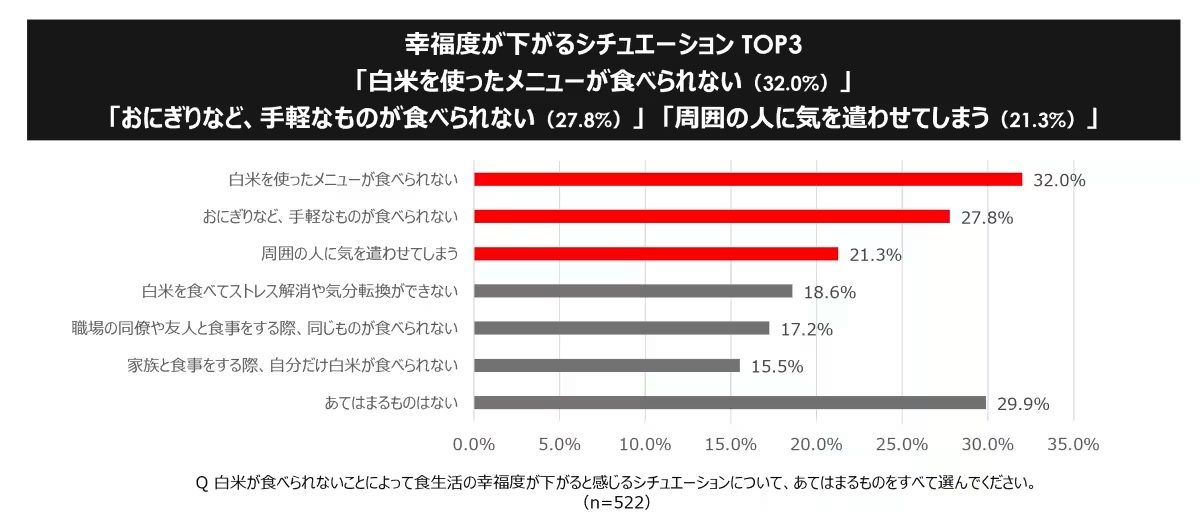
1. Inability to Enjoy Traditional Dishes: A staggering 32.0% of respondents cited not being able to enjoy rice-based dishes as a leading reason for decreased happiness.
2. Lack of Convenient Meal Options: An additional 27.8% noted that missing out on convenient rice dishes, such as onigiri, affects their enjoyment of food.
3. Burdening Others: 21.3% felt that their dietary restrictions placed unnecessary stress on those around them during meals.
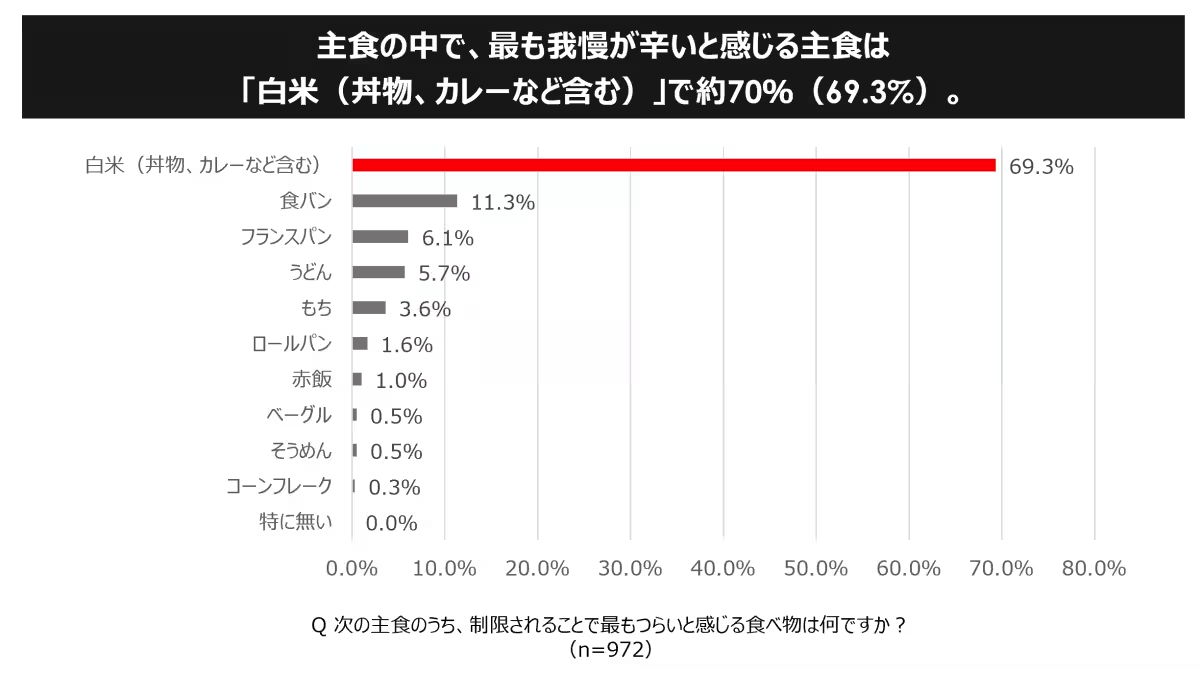
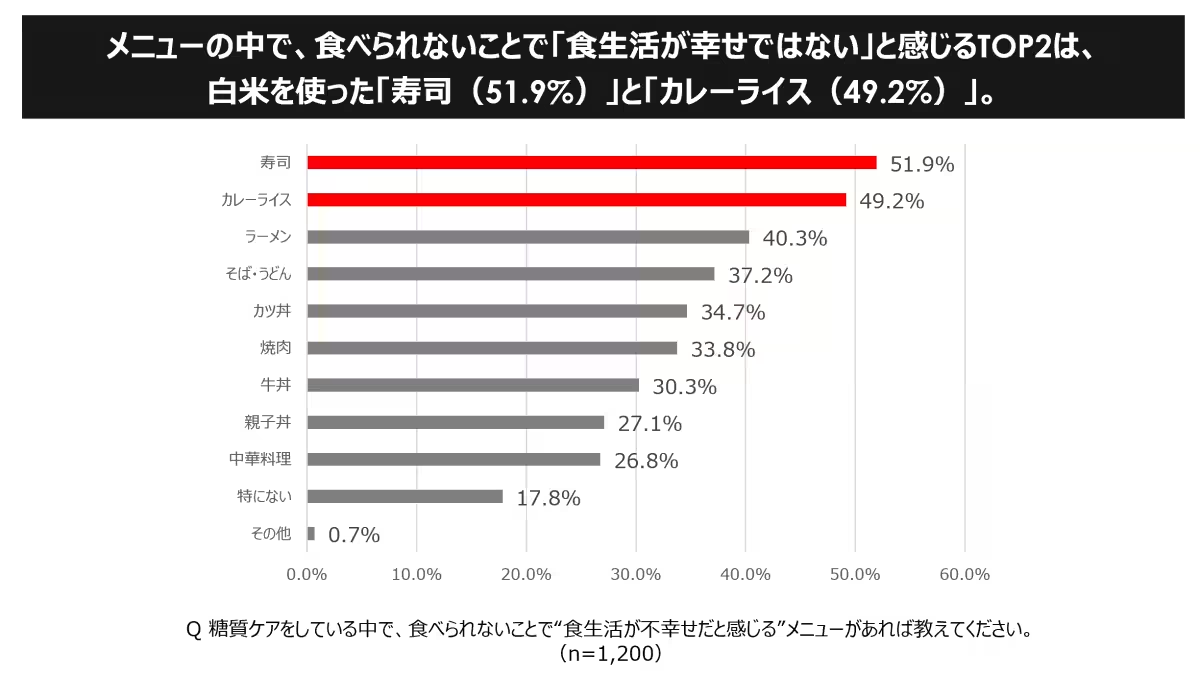
The emotional weight of these restrictions becomes clearer when considering that nearly 70% of participants identified white rice as their most difficult food to abstain from, including popular dishes like curry and stir-fries.
True Desires of Carbohydrate Managers
Amid the restrictions, profound desires for white rice remained prevalent among those managing their carb intake:
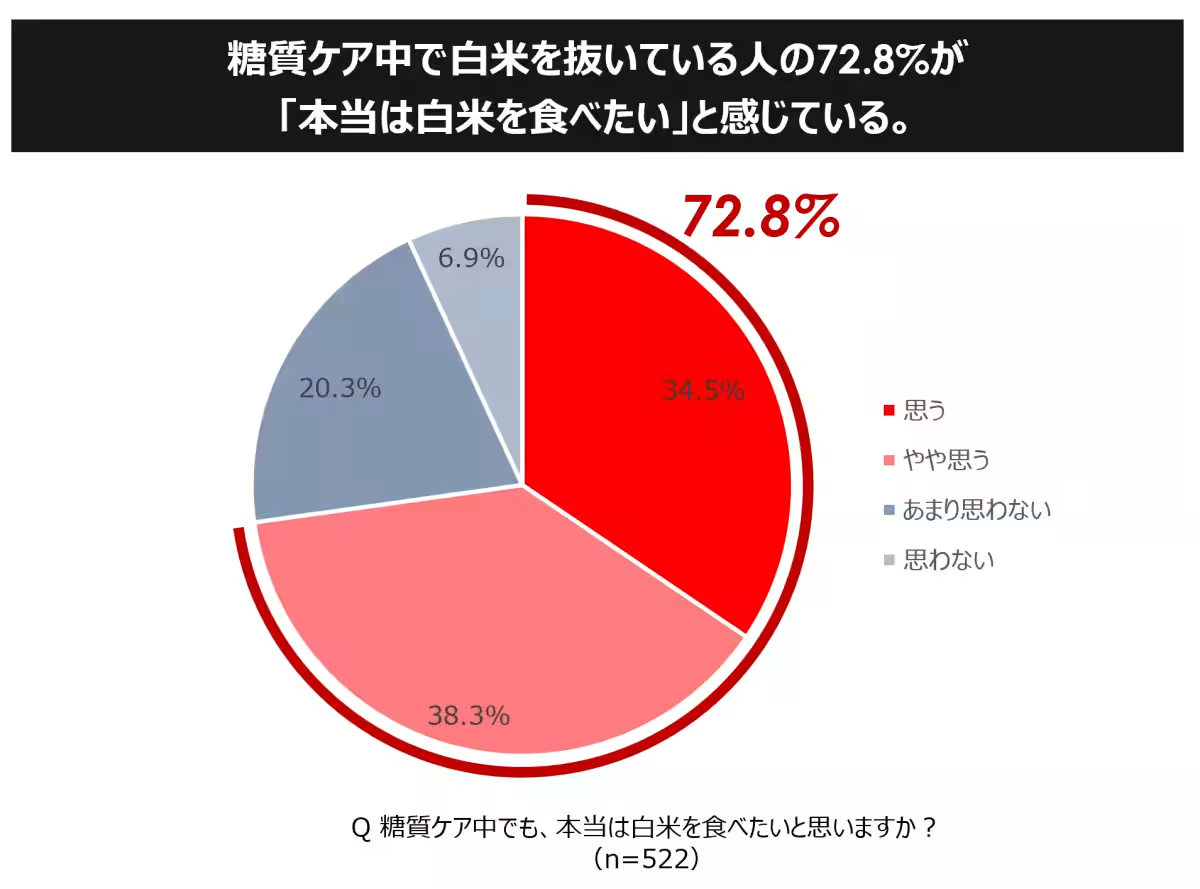
- - A significant 72.8% expressed a longing to consume white rice, despite their dietary constraints.
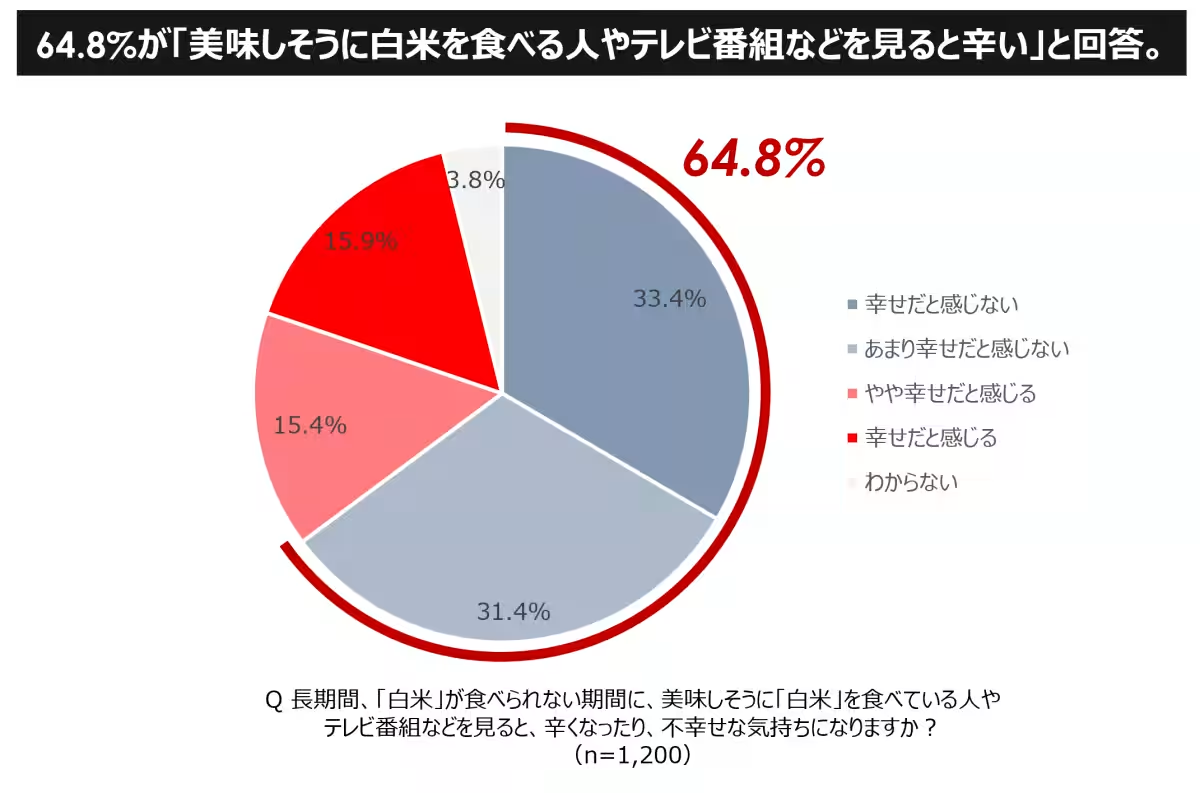
- - 64.8% admitted feeling disheartened when seeing others enjoy rice in media or social settings.
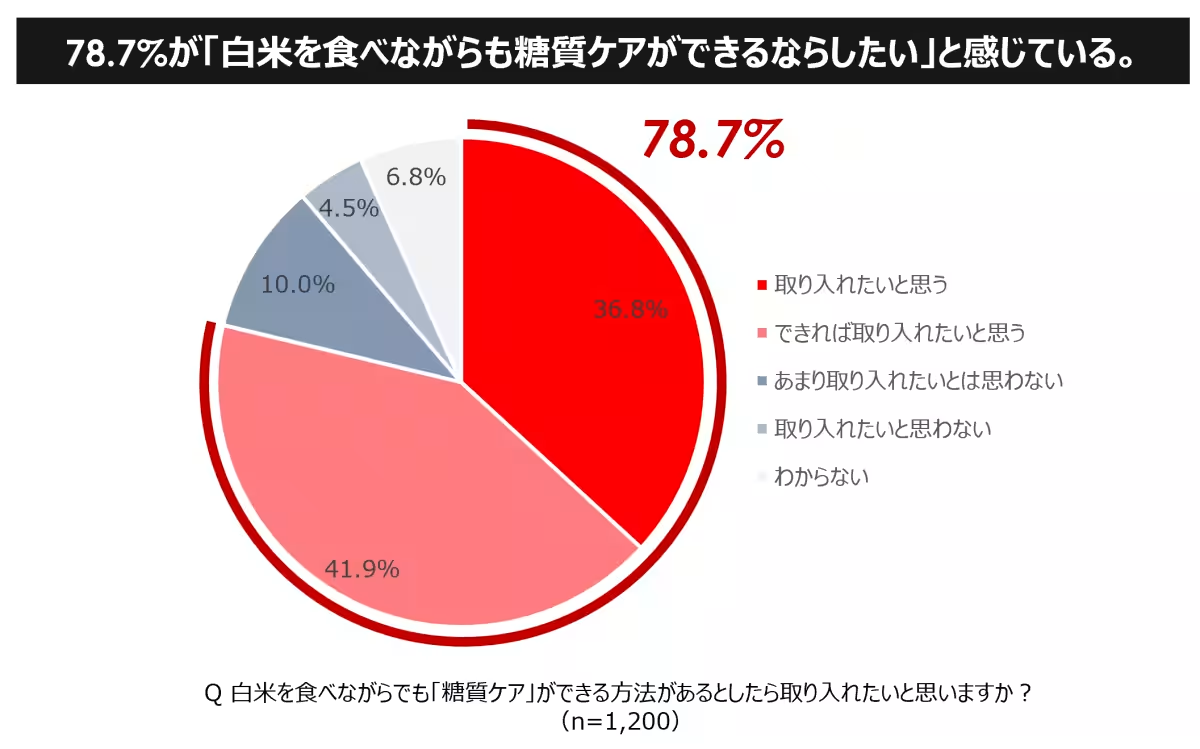
- - Most significantly, 78.7% indicated they would prefer to maintain their carbohydrate management if it allowed for white rice consumption.
The data illustrates a strong emotional connection to this staple food, revealing the depth of cravings that remain even when individuals strictly manage their diets.
Responses to Dietary Challenges
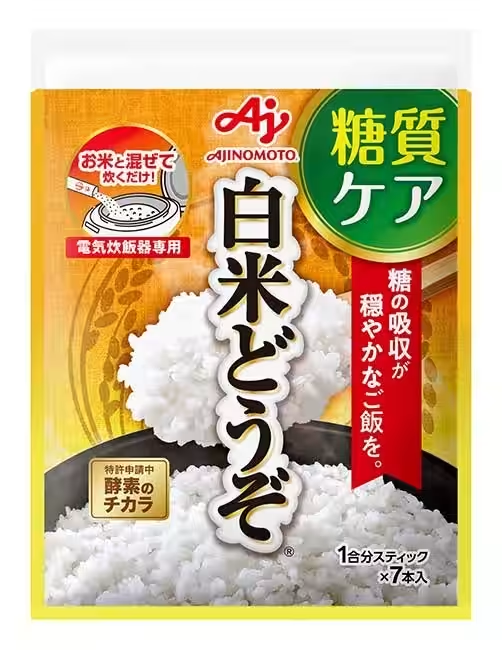
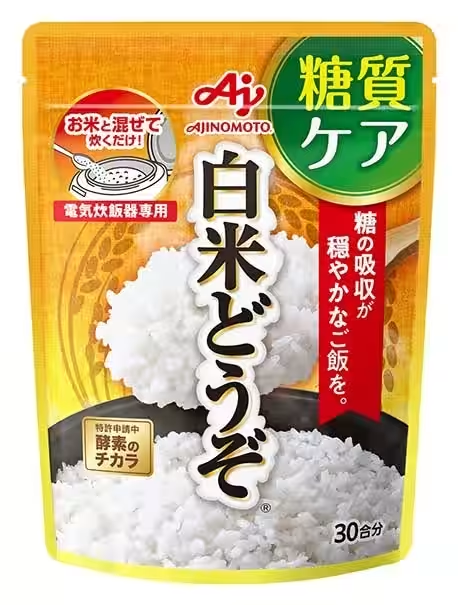
In response to the findings, Aji-no-Moto launched the 'White Rice Please®' initiative, aimed at creating more enjoyable and satisfying dietary options for those managing their carbohydrate intake. The campaign encourages participants to share their experiences and the obstacles they face in a supportive community setting, leveraging social platforms to foster dialogue around this vital topic.
The partnership with popular food figures like Yoshinori Kobayashi allows for a shared narrative that resonates emotionally with individuals navigating dietary constraints.
Conclusion
The 'Happiness Survey Regarding Loss of White Rice' offers compelling insights into the deeper emotional and social ramifications of restricting dietary staples like white rice. As dietary management becomes increasingly common, understanding the impact of such choices on overall happiness is crucial. Aji-no-Moto presents an opportunity not just to reconsider nutritional guidelines but to embrace the joy that traditional foods can bring to our lives.
Topics Consumer Products & Retail)
【About Using Articles】
You can freely use the title and article content by linking to the page where the article is posted.
※ Images cannot be used.
【About Links】
Links are free to use.