



Understanding the Storage Needs of Buyers in Used Condos: Insights from Recent Survey
Understanding Storage Needs in Used Condos
In a recent study conducted by MEMOCO, in collaboration with Sumunara, over 118 participants shared their experiences regarding the selection and comfort of used condominiums. This survey took place over several months and aimed to assess not only the satisfaction level concerning storage space but also the factors influencing these decisions.
Survey Overview
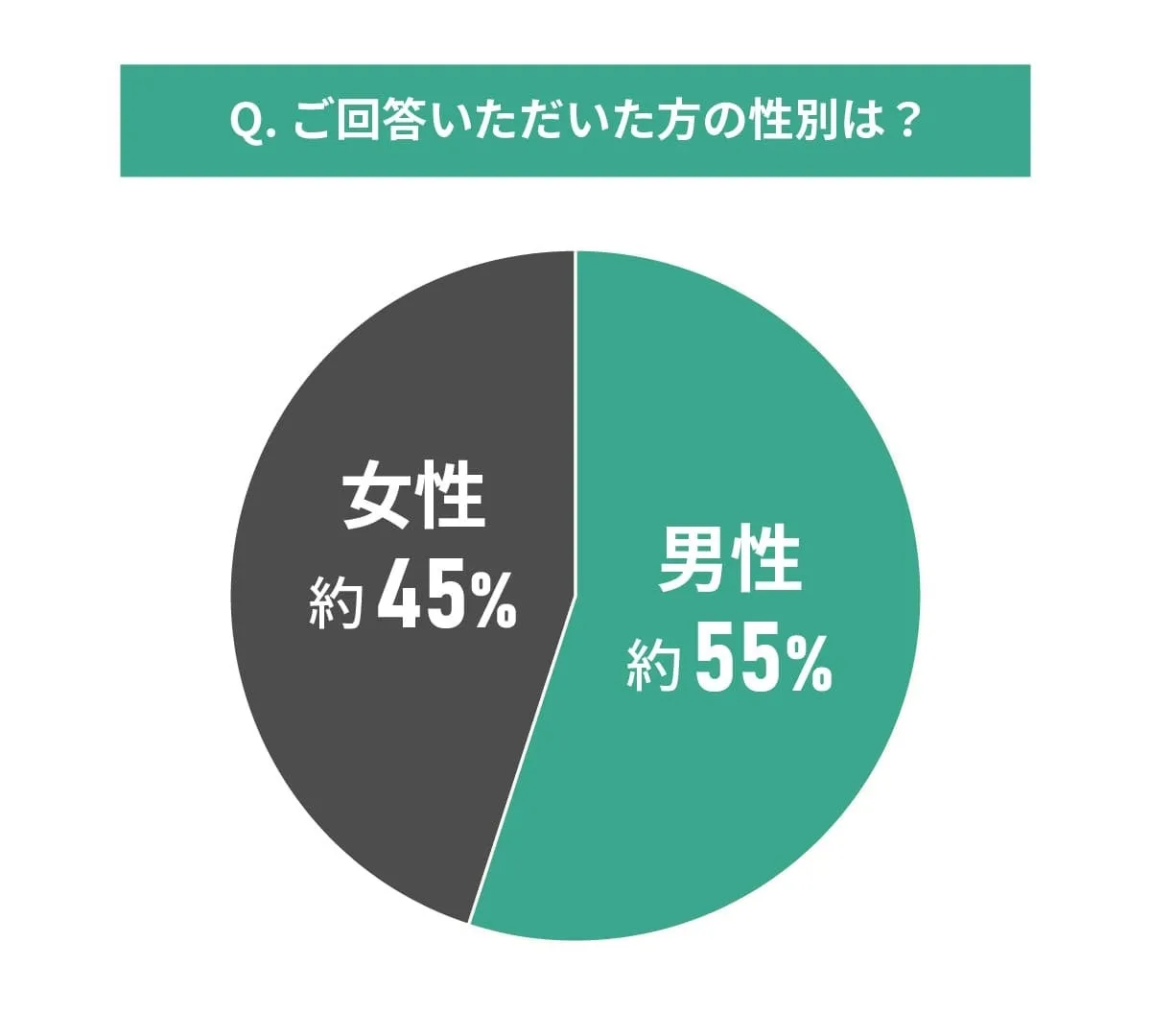
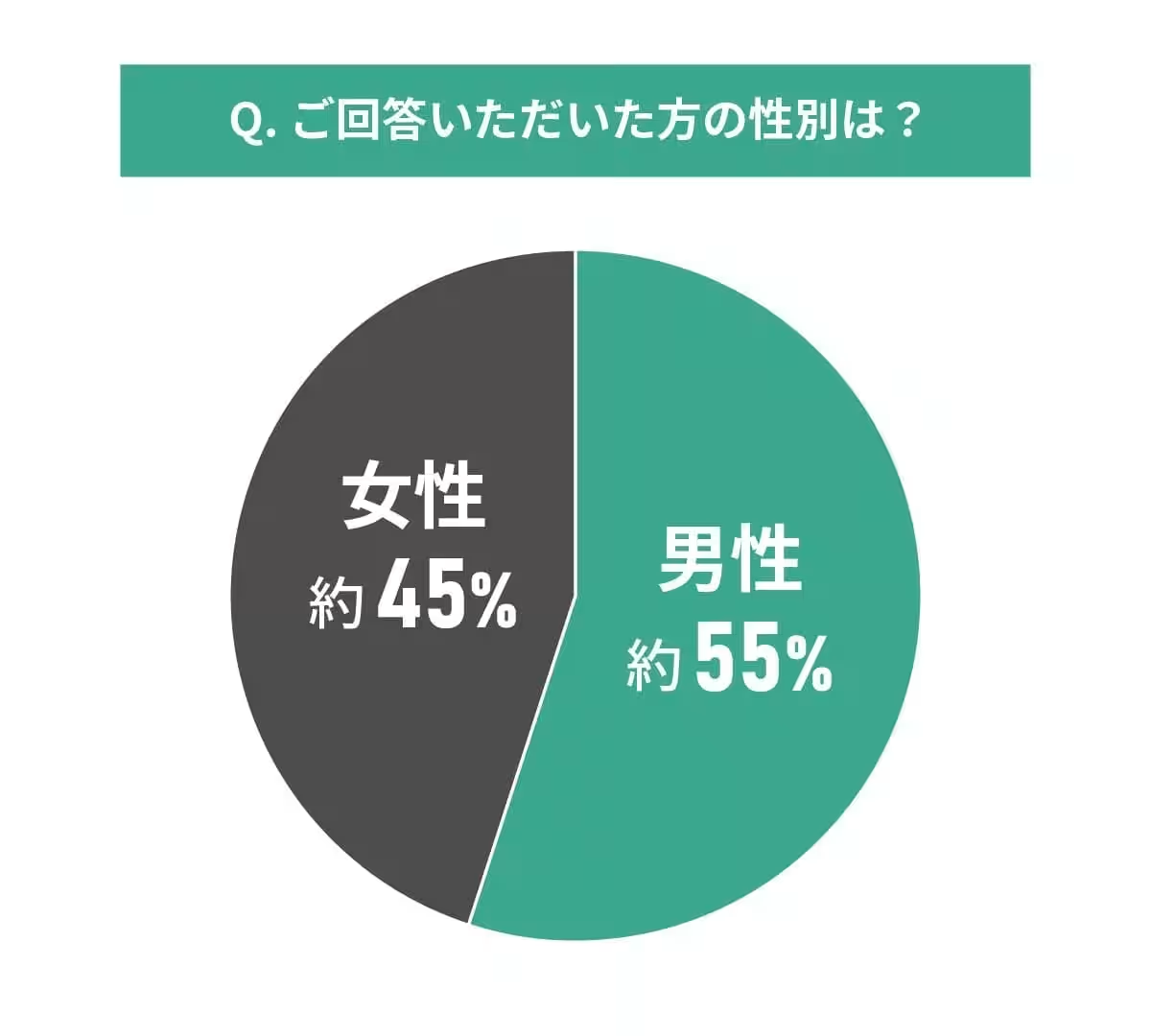
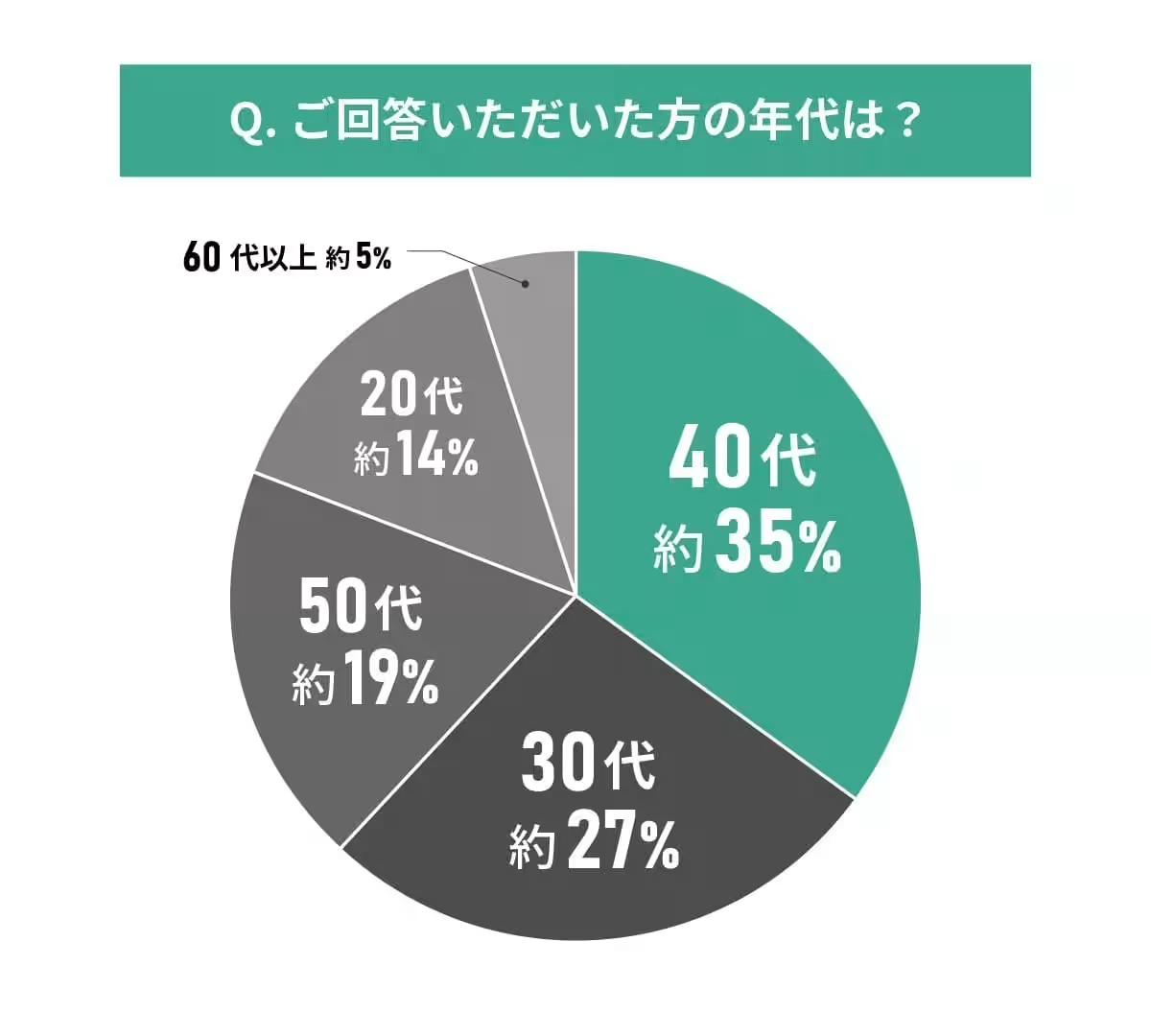
The survey was executed between January 29, 2025, and October 10, 2025, and involved a balanced representation of genders, with 55% male and 45% female respondents. The age distribution revealed a significant focus on middle-aged individuals, with 14% in their 20s, 27% in their 30s, 35% in their 40s, 19% in their 50s, and 5% above 60 years.
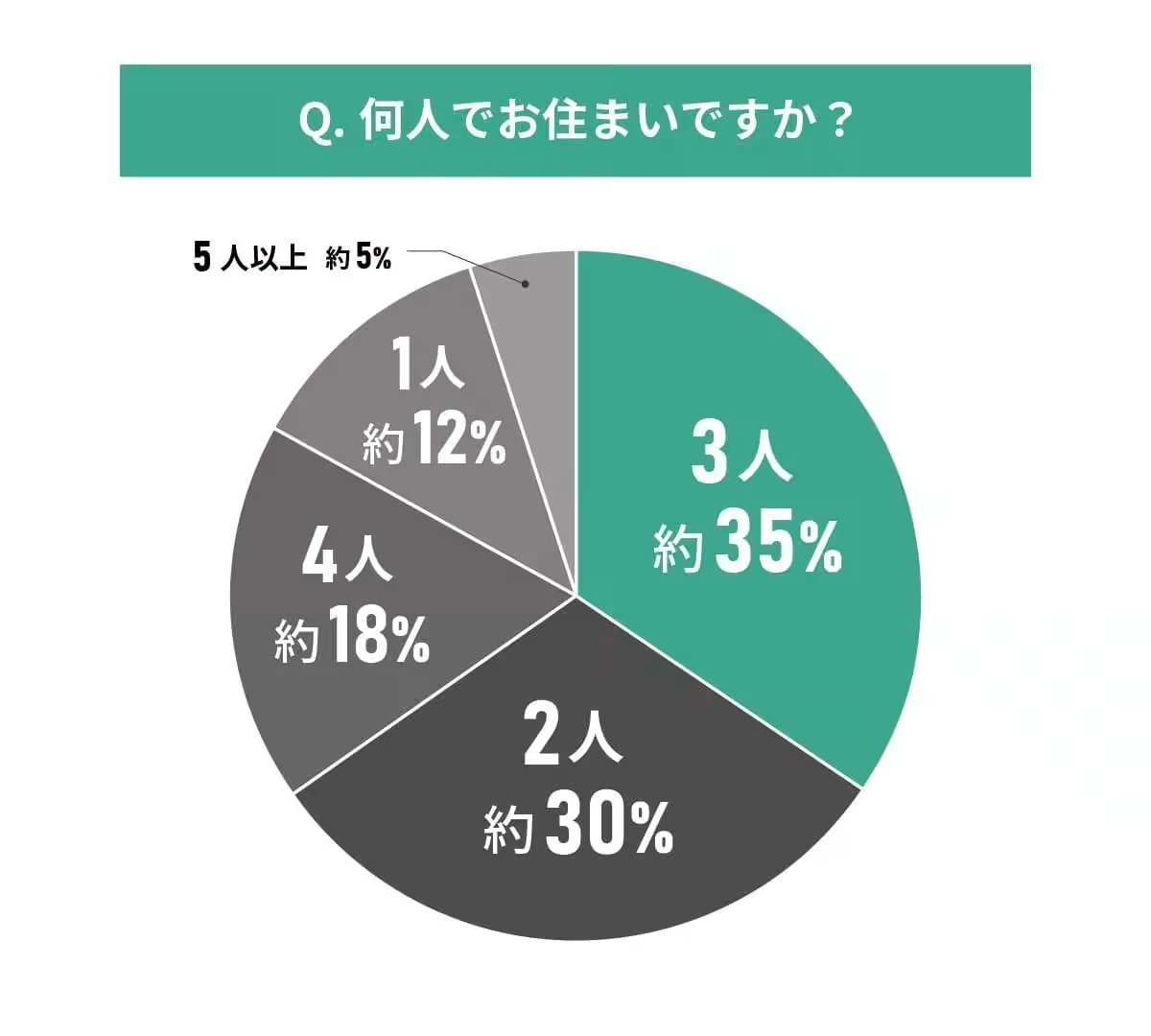
The household structure showed that 3-member families were the most common, making up 35% of respondents, followed by 31% living in 2-member households. This demographic insight prompts a clear understanding that storage space needs are highly impacted by family composition.
Satisfaction with Storage Spaces
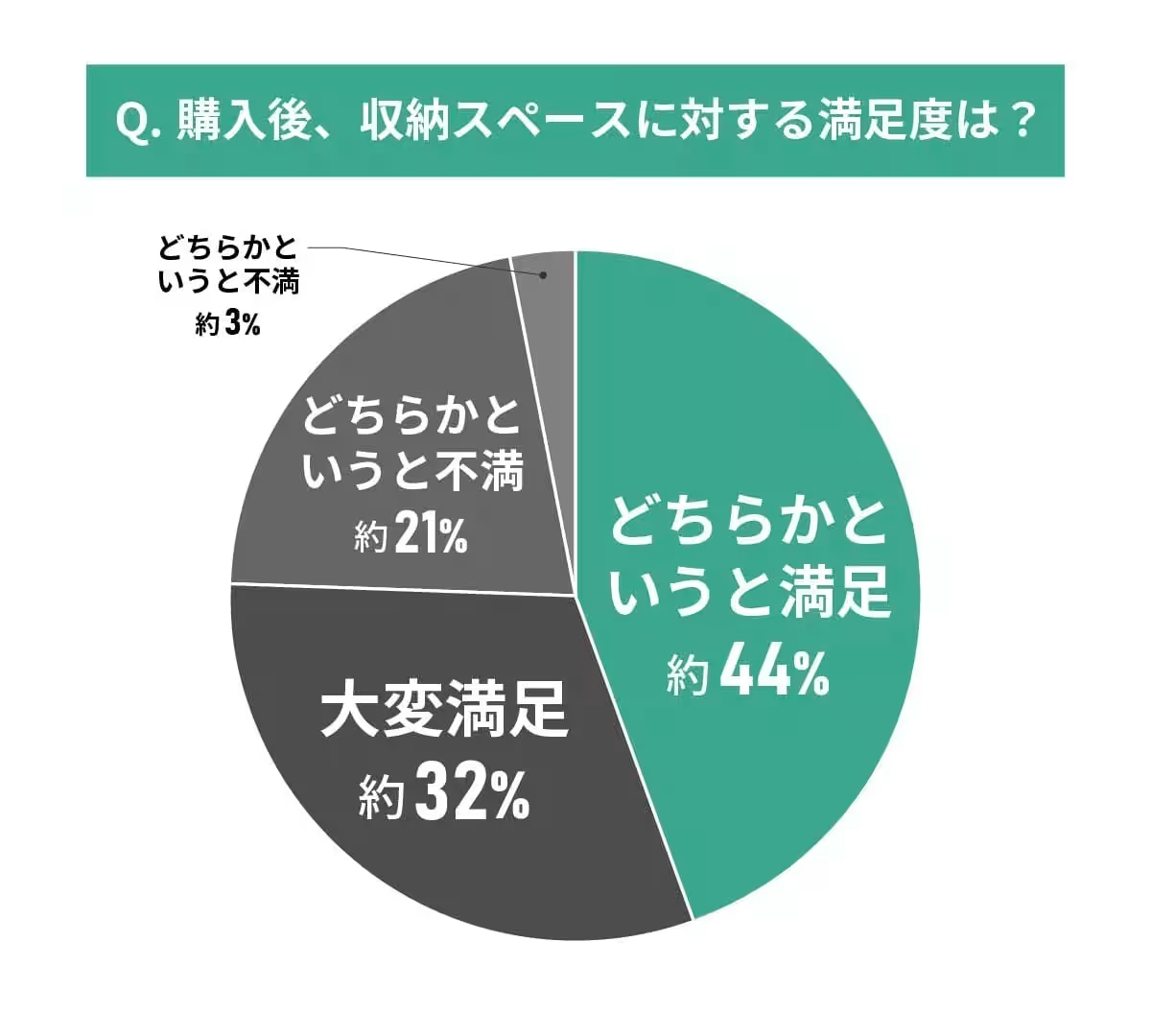
The survey sought to evaluate how satisfied homeowners were with their storage solutions after moving in. General findings indicated that approximately 75% of the participants felt satisfied or very satisfied with their storage capabilities. The reasons stemmed from having ample storage options, such as built-in shelves and adequate closet space.
Conversely, around 24% expressed dissatisfaction regarding the sufficiency of storage space, which often arose from changing life situations, such as children requiring more space as they grow.
Positive Feedback
Most respondents appreciated having multiple storage areas throughout their homes. Many noted that features like large shoe boxes and bedroom closets significantly influenced their overall satisfaction. Some respondents echoed that their current condo provided more storage than their previous living arrangements, improving their day-to-day functionality.
Areas of Concern
Dissatisfaction stemmed primarily from opinions that storage was insufficient; particularly households with children expressed on-going concerns about gradually running out of space. As life evolves, realized needs for storage often exceed the originally perceived adequacy of space at the time of purchase.
The households with more members faced more pronounced challenges than smaller households, underlining the necessity for tailored storage solutions depending on family size and requirements.
The Role of Storage Awareness in Property Selection
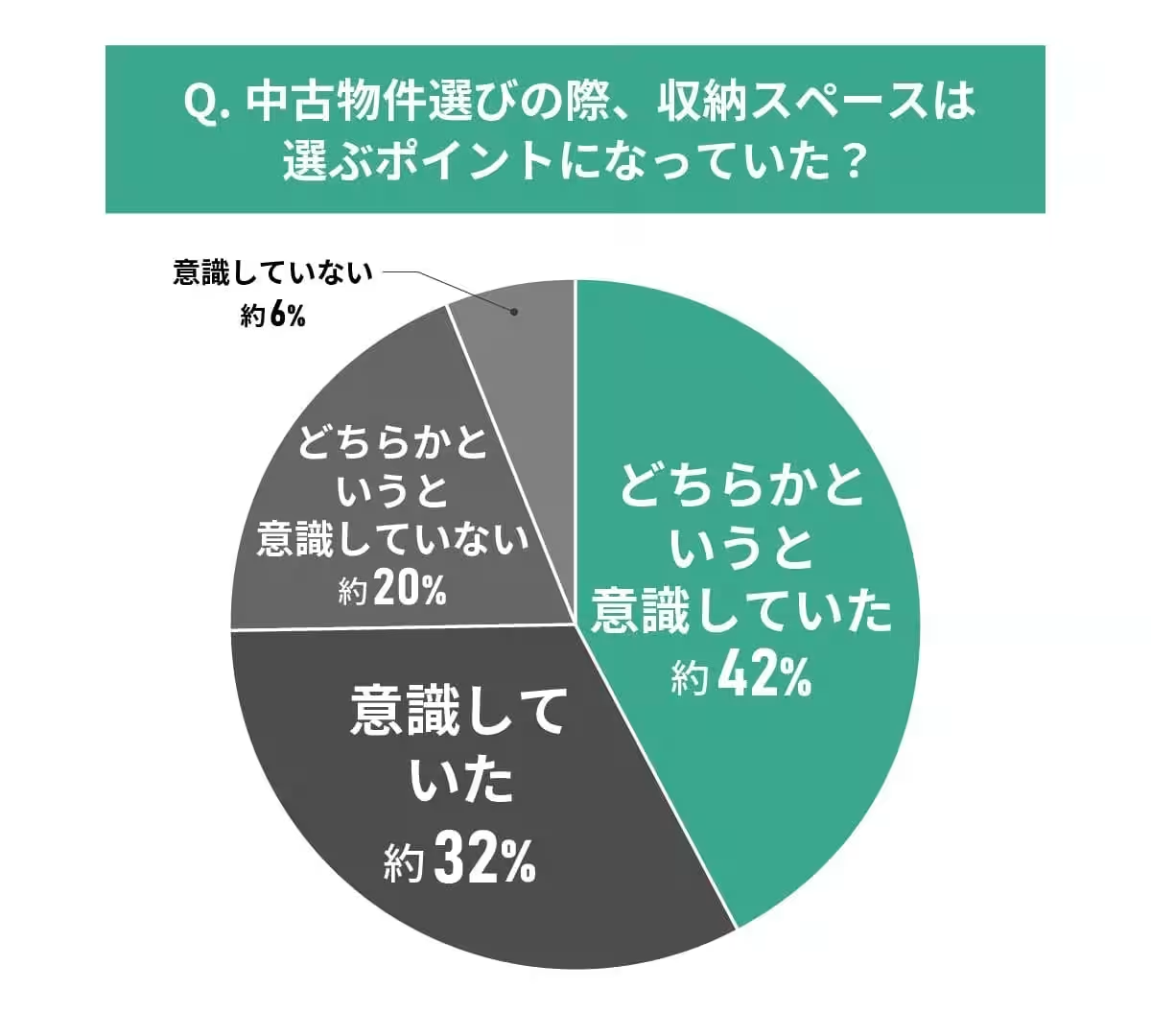
When evaluating properties, approximately 74% of respondents indicated they actively considered storage space during their selection process.
Motivations Behind Storage Awareness
Most noted that the amount of belongings, previous living experiences, and the visual appeal of organized spaces prompted their focus on this aspect. Many had also learned from previous cramped living conditions the significance of adequate storage. Respondents emphasized not only their current needs but also a foresight into potential increases in possessions, often citing children growing up and acquiring more items.
Neglecting Storage Considerations
On the other hand, around 25% were indifferent towards storage matter, primarily prioritizing property location or cost. Customers who practiced minimalism also noted that they didn’t require much storage, thus leading to lower awareness about storage necessities.
The Connection Between Awareness and Satisfaction
The results highlighted a significant correlation between prior awareness of storage and post-purchase satisfaction. Approximately 80% of the buyers who were conscious about storage needs reported being satisfied or very satisfied with their choices made after the move.
Importance of Pre-Purchase Checks
Comments from satisfied customers often mentioned they had thoroughly reviewed storage options during their visits, ultimately leading to reduced discrepancies between expectation and reality after moving in. Factors such as number, size, and location of the storage options were frequently cited as essential aspects checked pre-purchase.
Lessons from Oversighted Buyers
Nevertheless, those who overlooked storage considerations sometimes regretted their decision later, especially as their household items increased post-move. This underlines the importance of prediction and understanding potential future needs when making a purchasing decision.
Types of Storage and Their Usability
The survey illuminated that certain types of storage provided heightened satisfaction for buyers.
Popularity of Walk-In Closets
Many respondents expressed fondness for units equipped with multiple walk-in closets, particularly families with numerous clothes. This type of storage offers ample space for organization, allowing for ease of access, which enhances everyday convenience.
Usability of Traditional Storage
The traditional Japanese storage spaces (oshiire) also remain relevant, with their utility in offering sufficient space. However, concerns over limited traditional storage underscore the necessity for complementary modern storage solutions.
Accessibility of Entrance Storage
The convenience of having ample storage near entrances has been a strong satisfaction point; participants have highlighted its usability for seasonal items and outdoor necessities.
Functionality of Utility Rooms
Storage rooms (nando) featured in many condos afforded users a place for items deemed non-essential for everyday use, proving instrumental for keeping living areas uncluttered.
Unique Aspects of Used Condominiums
Participants pointed out inherent challenges with storage space in used condominiums associated with structural constraints as compared to houses.
Benefits of Renovated Properties
Respondents praising their renovated condos noted that smartly arranged storage aligned with contemporary lifestyles demonstrated significant satisfaction. Renovations often integrate modern storage designs which accommodate a range of possessions more efficiently.
Requirement for Additional Furniture
The adequacy of built-in storage results in less demand for additional furniture; accordingly, buyers prefer properties with extensive built-in options to maximize usable living space.
Key Insights for Buyers
1. Considering Future Needs: Purchasers should account for potential increases in belongings due to growth in family size or lifestyle changes.
2. Clarity on Checklist for Pre-Viewing: Clearly define what to inspect during property viewings—sizes, access, and layout of storage solutions.
3. Visualizing Future Use: Envision personal living patterns and storage needs to create an accommodating, organized space.
4. Determine Priorities: Identify which factors—price, location, or storage—are crucial in alignment with one’s lifestyle.
To summarize, storage space plays a pivotal role in the satisfaction levels of used condominium purchasers. A significant majority, over 74%, have made informed decisions regarding this aspect, leading 75% of them to express satisfaction. Proper planning and thoughtful consideration of personal and potential future needs are paramount when selecting properties to enhance the quality of living. Future buyers are encouraged to utilize these insights to align housing selections with their storage requirements and lifestyle preferences.
Topics Consumer Products & Retail)
【About Using Articles】
You can freely use the title and article content by linking to the page where the article is posted.
※ Images cannot be used.
【About Links】
Links are free to use.