



Insights on Japanese Tea Preferences Among Different Age Groups in Japan
Japanese Tea Preferences in Japan: A Comprehensive Study
A recent survey conducted by Cross Marketing, targeting men and women aged 20 to 69 nationwide in Japan, delves into the nation’s tea-drinking habits and preferences. As the season for freshly harvested tea approaches, many citizens are likely enjoying their favorite brews. The study covers various aspects, including preparation methods, types of tea consumed regularly, consumer priorities when purchasing tea leaves or tea bags, and the contexts in which they enjoy their tea.
Survey Findings
1. Tea Drinking Methods
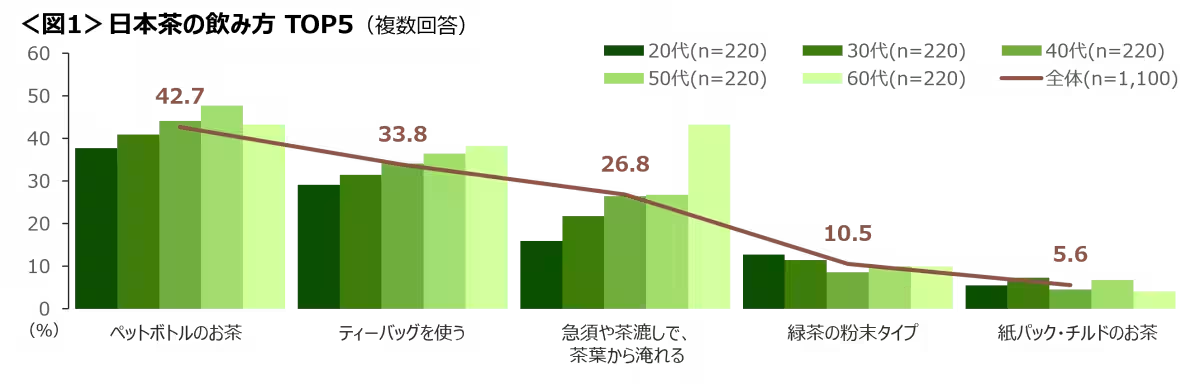
The survey found that 42.7% of respondents prefer bottled tea, making it the most popular choice. Close behind is the use of tea bags, favored by 33.8% of participants. When looking at age demographics, the 60s age group shows a higher preference for brewing tea from loose leaves using a teapot or strainer, with 43.2% opting for this traditional method, compared to significantly lower rates among younger individuals in their 20s.
2. Types of Tea Consumed
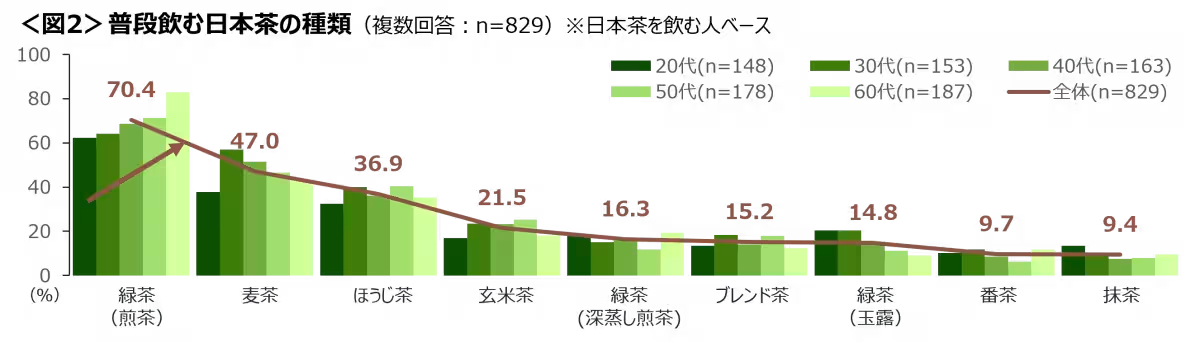
Green tea, specifically sencha, is the clear favorite, with 70.4% of participants declaring it their go-to choice. Other teas like barley tea and hojicha are also popular, each chosen by approximately 30-40% of respondents. Interestingly, older individuals lean heavily towards green tea, while younger drinkers in their 20s and 30s show a slightly higher inclination towards gyokuro (premium green tea).
3. Attitudes Toward Japanese Tea
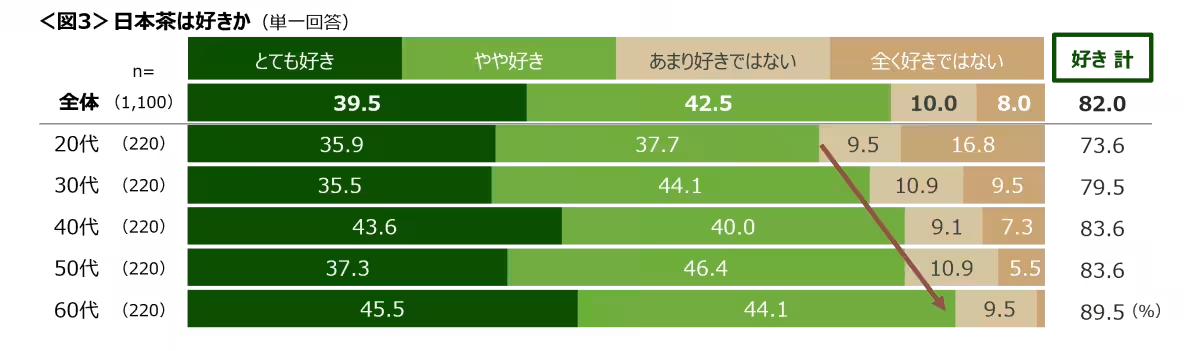
A notable 82% of participants express their love for Japanese tea, with 39.5% stating they are very fond of it. There is a clear trend where appreciation for tea increases with age; however, even among those in their 20s, a commendable 73.6% indicated they enjoy it.
4. Purchasing Preferences
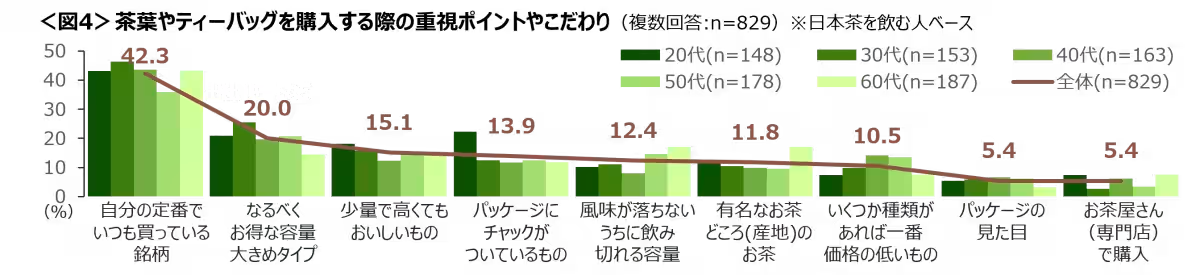
When it comes to buying tea leaves or bags, 42.3% of respondents prioritize their usual brand. Following this, many consumers prefer larger, cost-effective packages or are willing to pay a premium for smaller quantities of high-quality tea. Interestingly, consumers in their 20s often favor packages with resealable zippers, while the 60s age group particularly values tea from well-known regions.
5. Contexts for Enjoying Tea
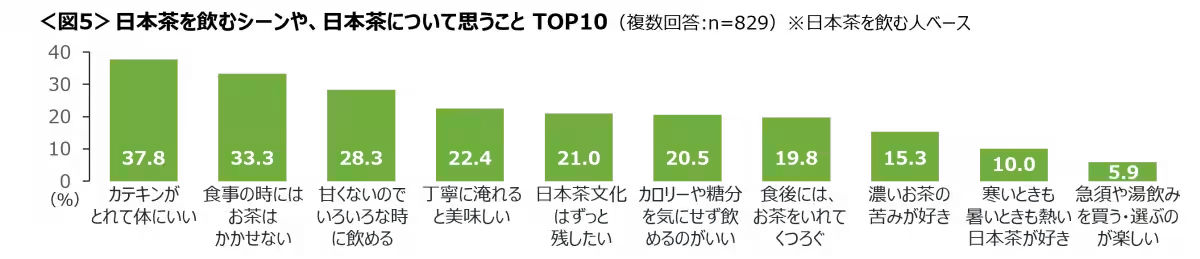
The top three reasons for drinking Japanese tea include its health benefits due to catechins, its indispensable role during meals, and its versatility as a non-sweet beverage that can be enjoyed at various times throughout the day. This highlights a growing recognition of its health advantages and adaptability in different scenarios.
Conclusion
In summary, the survey paints a vivid picture of Japanese tea consumption habits across different age brackets, showcasing a pronounced preference for traditional brews among older consumers while younger generations adopt convenient options like bottled and bagged teas. As the country continues to revitalize its tea culture, it’s clear that the love for Japanese tea remains strong across all ages.
About the Study
Conducted from April 25 to April 27, 2025, this survey was executed via Internet research, receiving responses from 1,100 participants throughout Japan. The results demonstrate that familiarity and tradition play significant roles in the continuing popularity of Japanese tea.
Company Overview
Cross Marketing Inc. is based in Shinjuku, Tokyo, Japan, and specializes in marketing research. Established in April 2003, the company is led by CEO Mikihiro Igarashi. For more insights or inquiries, you may contact them through their website or press office.
Topics Consumer Products & Retail)





【About Using Articles】
You can freely use the title and article content by linking to the page where the article is posted.
※ Images cannot be used.
【About Links】
Links are free to use.