



Celebrating Resilience: Parmigiano Reggiano Day in Tokyo Unveiled
Celebrating Resilience: Parmigiano Reggiano Day in Tokyo
On October 27, 2025, a momentous occasion took place in Ginza, Tokyo, as the Parmigiano Reggiano Cheese Association held the inaugural "Parmigiano Reggiano Day in Tokyo" at the Italian restaurant, Giaggiolo Ginza. This event was born from a desire to support cheese producers in the aftermath of the devastating Emilia-Romagna earthquake in 2012, marking the first celebration of its kind in Japan.
From Tragedy to Global Celebration
This day of celebration was established in response to a historical incident where 360,000 wheels of Parmigiano Reggiano were destroyed due to the earthquake. Renowned chef Massimo Bottura rallied individuals worldwide to raise awareness and support for affected producers and their communities, cementing a legacy that stretches beyond just a memory of loss.
Event Highlights
Traditional Cheese Cutting Ceremony
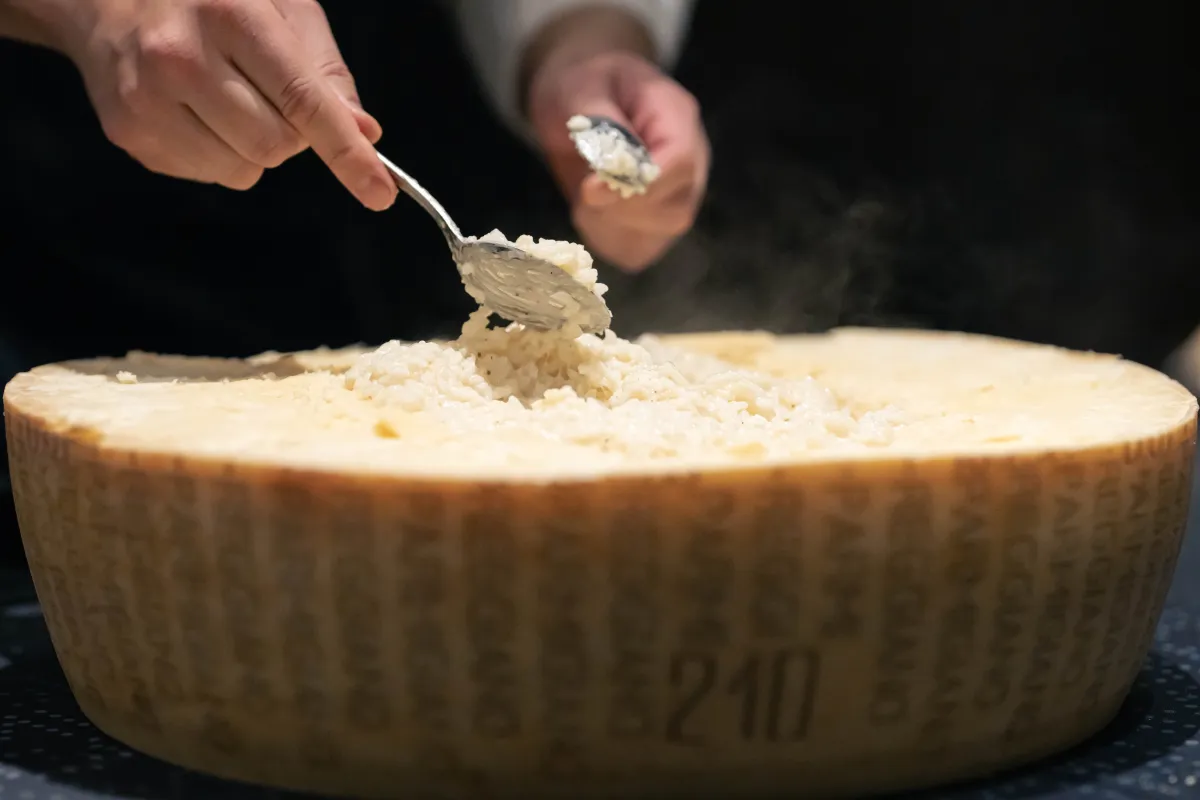
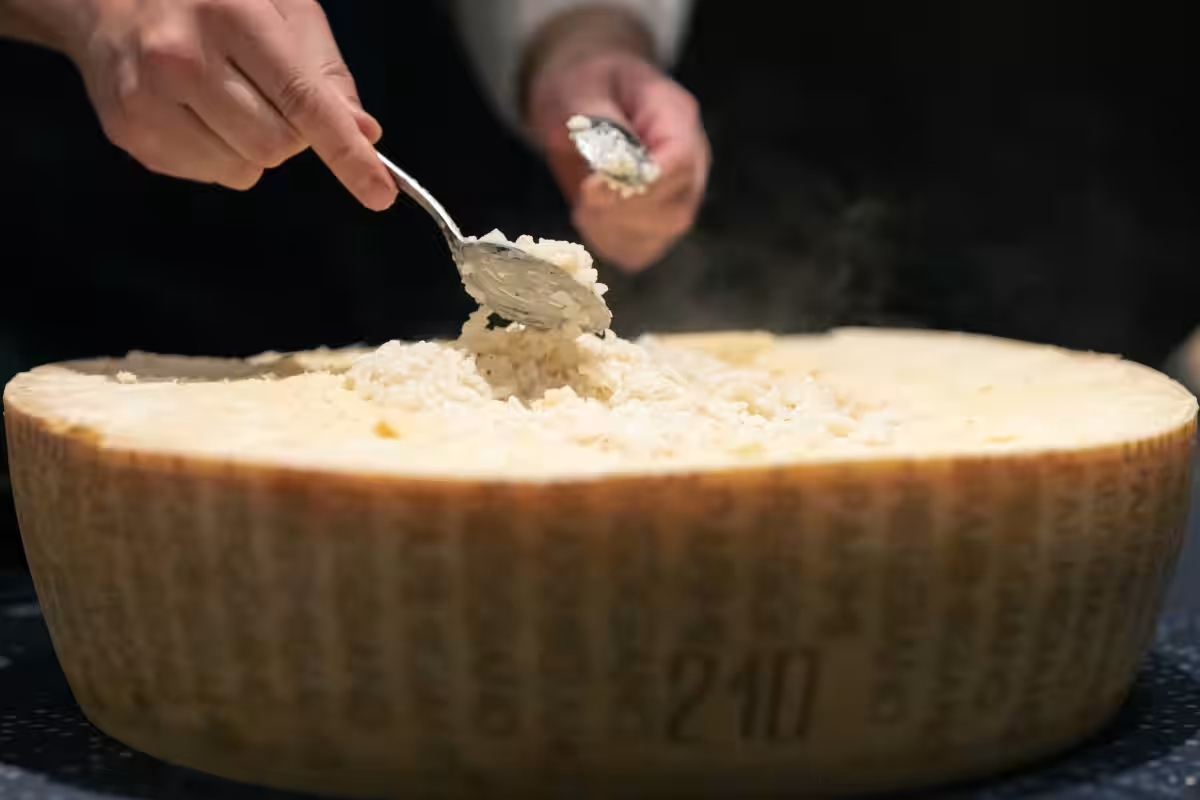
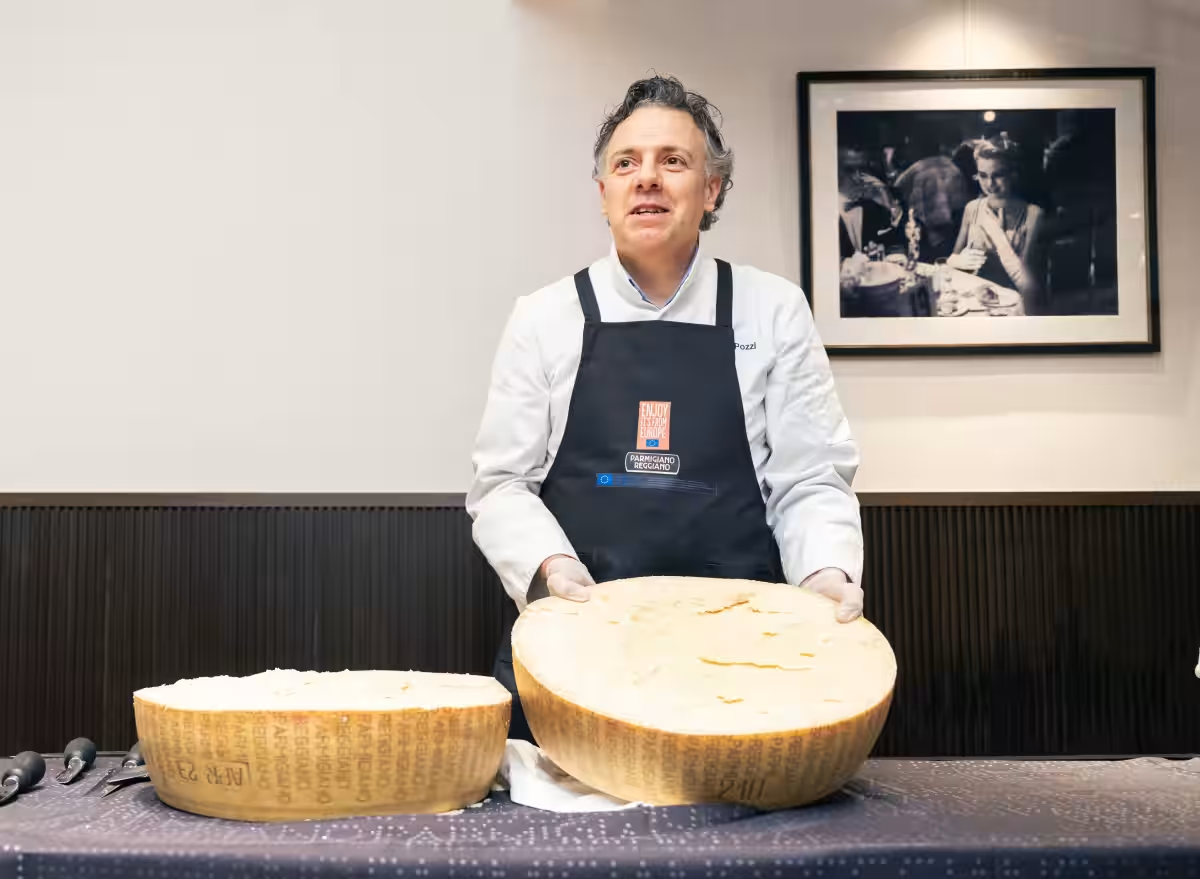
The event kicked off with a traditional cheese cutting ceremony led by professional cheese makers. Attendees were mesmerized as a hefty wheel of Parmigiano Reggiano was meticulously opened with a specialized knife. Such craftsmanship, rarely witnessed in Japan, showcased the depth and tradition of Parmigiano Reggiano cheese making.
Insightful Contributions From Experts
Adding to the day's prestige, the well-respected cheesemonger Rumiko Honma, founder of Fermier and honorary president of the Cheese Professionals Association, shared her extensive knowledge about Parmigiano Reggiano. Her insights into its historical background and unique flavor profile enriched the audience's appreciation of this remarkable cheese.
Culinary Experience and Tasting
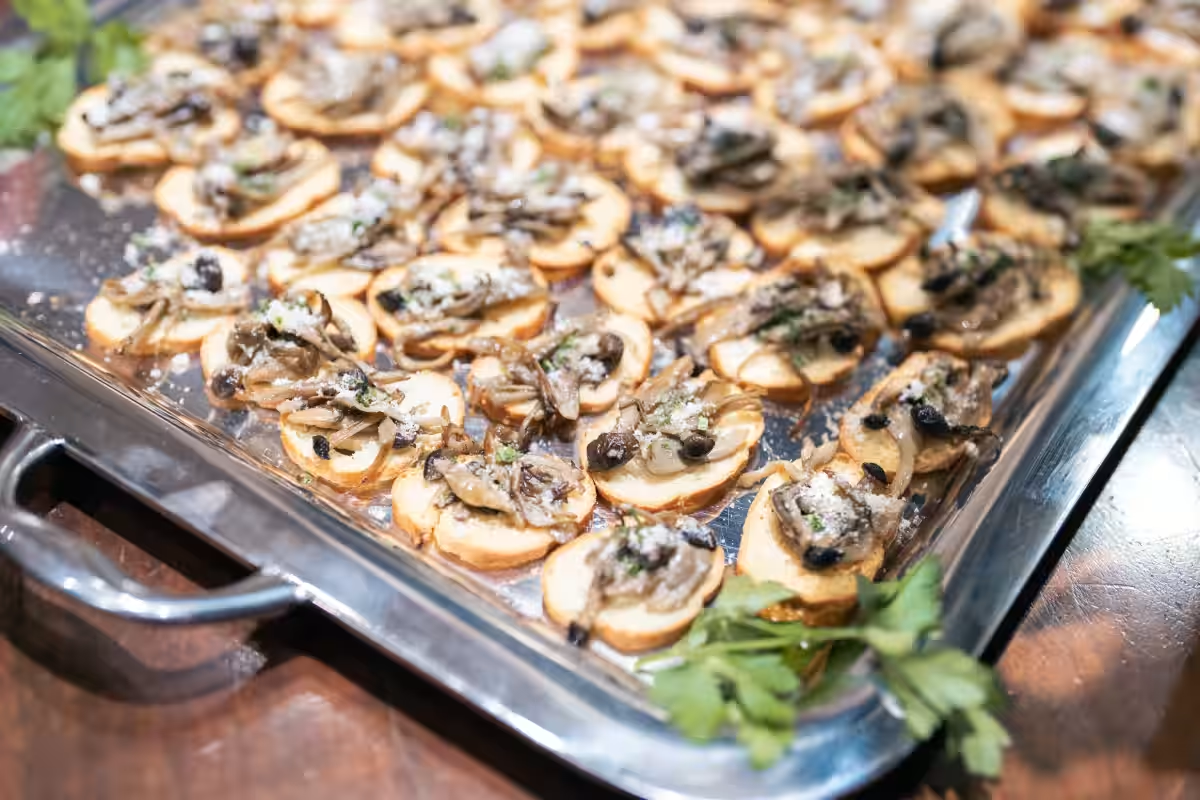
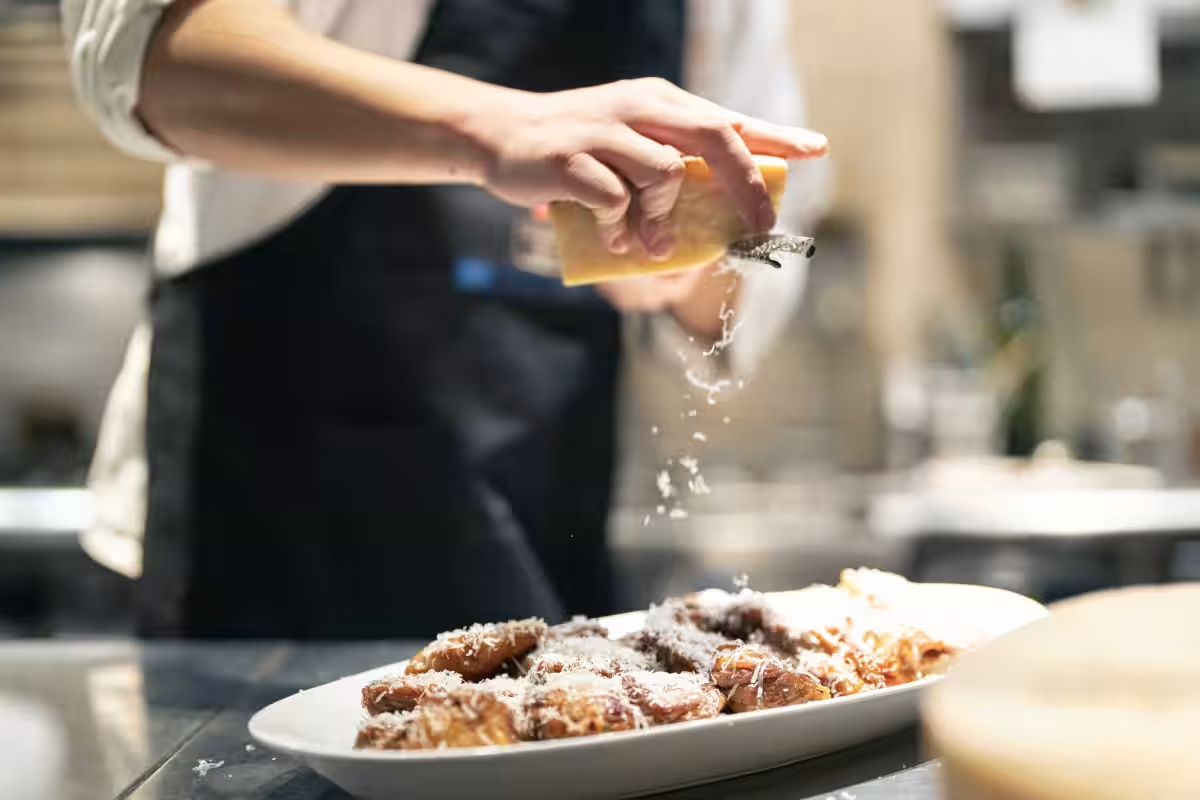
Following the ceremony, attendees enjoyed an exquisite array of finger foods featuring Parmigiano Reggiano, alongside pairing experiences with sake that highlighted the fusion of Italian and Japanese food cultures. Additionally, a cooking demonstration of the renowned "Risotto Cacio e Pepe," a recipe supported by Bottura that played a vital role in aiding cheese producers, was conducted. This unique culinary experience allowed participants to savor the delicious dish while learning about its context and significance.
Tasting featured an array of delectable offerings such as teriyaki chicken topped with Parmigiano Reggiano and refreshing sake, further showcasing the versatile applications of this beloved cheese.
Looking Ahead
Building on the momentum from September’s Expo in Osaka, this event represents a crucial initiative to enhance the awareness and recognition of Parmigiano Reggiano within the Japanese market. The association plans to continue its mission of promoting the artisanal craftsmanship of cheese production and engaging with local communities, ensuring that the allure of Parmigiano Reggiano resonates throughout Japan.
About the Parmigiano Reggiano Cheese Association
Founded in 1934, the Parmigiano Reggiano Cheese Association (Consorzio del Formaggio Parmigiano Reggiano) is a protective body consisting of 291 cheese producers, all committed to upholding the esteemed traditions of cheese production. They ensure that only milk sourced from local dairymen is used in cheese-making and that all processes adhere strictly to PDO (Protected Designation of Origin) regulations. The association focuses on safeguarding the quality and promoting the brand's value while deepening global understanding of its traditions and charm.
What is Parmigiano Reggiano?
Parmigiano Reggiano is one of the world's oldest cheeses, with origins dating back over 1,000 years to when monks devised methods for preserving milk. This cheese is exclusively produced in specific regions of Italy, including Parma, Reggio Emilia, Modena, Mantova, and parts of Bologna (an area covering roughly 10,000 square kilometers). Only products that have passed rigorous inspections by the Parmigiano Reggiano Cheese Association are allowed to bear the name.
The maturation period for this cheese ranges from a minimum of 12 months to over 60 months, resulting in a diverse array of flavors influenced by the breed of cows and the aging process. The taste is characterized by a rich umami and nutty aroma, which deepens and becomes more complex with extended aging. The ingredients are simple: only raw milk, salt, and rennet are used, with no additives or artificial cultures allowed. Furthermore, every step in the production process, from making to aging and packaging, is conducted within the designated production area. The cows primarily feed on locally-grown grass and hay, with the use of silage strictly prohibited. Each year, approximately 163,000 tons of Parmigiano Reggiano are produced, with about 72,000 tons exported worldwide.

Topics Consumer Products & Retail)






【About Using Articles】
You can freely use the title and article content by linking to the page where the article is posted.
※ Images cannot be used.
【About Links】
Links are free to use.