



Understanding the Pitfalls of Glucose Levels: Insights from Sumo and Health Experts
Understanding the Pitfalls of Glucose Levels
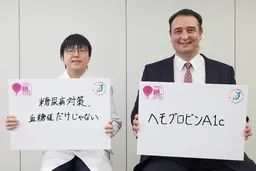
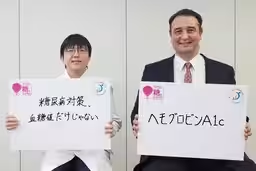
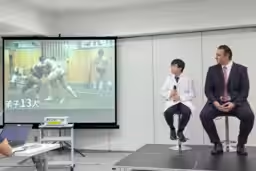
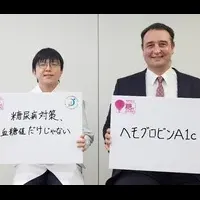
The management of diabetes goes beyond just monitoring blood sugar levels; it encompasses understanding various health indicators such as HbA1c. On October 8, recognized as 'Sugar Measurement Day', the Japan Lifestyle Disease Prevention Association held a special talk event funded by Meiji Co., Ltd. The event featured prominent figures such as former sumo wrestler and current head coach Kotooshu Narutoh and general practitioner Dr. Daisuke Ito.
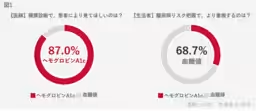
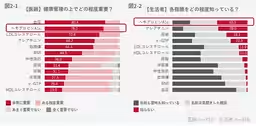
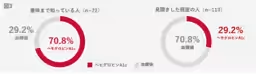
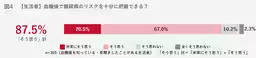
During the event, Dr. Ito emphasized a crucial concept called the 'pitfalls of blood sugar levels.' A survey conducted by the Japan Lifestyle Disease Prevention Association revealed a significant gap in perspectives between medical professionals and the public regarding the emphasis on blood sugar levels versus HbA1c. While 87% of doctors prioritized HbA1c, 69% of the public focused solely on blood sugar measurements.
The Sumo Connection: Insights from Coach Kotooshu
Kotooshu's commitment to health and wellness started early in his career. Having moved from Bulgaria to Japan at the age of 19, he actively managed his health even as he ascended to becoming a top-ranked sumo wrestler. His mindset has always been about preventing illness in a sport where overeating can lead to heightened diabetes risk. However, he faces challenges as a coach, often being encouraged to eat more during social gatherings with his students.
Kotooshu stresses balancing the need to gain weight as a wrestler while also maintaining health. He advocates for regular exercise and mindful eating habits, advising his students on how to effectively manage their diets. 'Being active and having the right diet are crucial. We should aim for wellness before illness strikes,' he stated.
Bridging the Awareness Gap: Survey Insights
The stark contrast in the survey responses between medical professionals and the public raises intriguing questions. The survey showed that 40.3% of respondents were unaware of what HbA1c signifies, highlighting its low recognition among the public. Dr. Ito, observing this trend, noted that the clinical terminology could often be confusing and may require further education for better understanding.
When analyzing responses among those who recognized the term but didn't understand it, most still emphasized blood sugar over HbA1c. Conversely, those who comprehended the significance of HbA1c were more likely to recognize its importance in health management.
The Critical Role of HbA1c in Diabetes Management
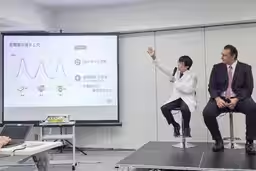
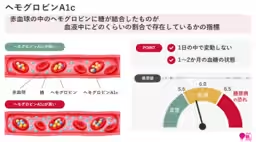
Dr. Ito elaborated on why focusing exclusively on blood sugar levels can be misleading. Blood sugar readings fluctuate dramatically, influenced by meals and activities. Many people inadvertently lower their blood sugar readings before medical examinations by managing their diets, leading to misleading results. In contrast, HbA1c provides an average of blood sugar levels over two to three months, offering a more grounded perspective on long-term glucose control.
Understanding the HbA1c levels is vital: a reading below 5.6 is normal, 5.6 to 6.0 suggests possible overconsumption of carbohydrates, and levels above 6.5 indicate a high probability of diabetes diagnosis.
During the event, Kotooshu shared his HbA1c measurements, which coincidentally remained stable over a month at a healthy 5.2 level, illustrating that significant changes in lifestyle are required to alter this long-term indicator.
Sumo Cuisine: A Lesson in Dietary Management
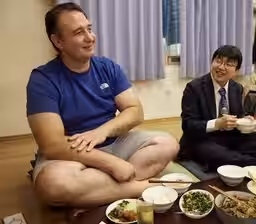
The event also showcased Kotooshu's approach to nutrition in his sumo stable. His kitchen, equipped with a colossal freezer filled with diverse ingredients, underscores the importance of balanced meals for maintaining wrestlers' health. He emphasizes the order of eating, starting with vegetables to mitigate spikes in blood sugar levels, which aligns with Dr. Ito's nutritional insights.
Interestingly, yogurt is a staple in the Kotooshu household, reflecting his Bulgarian roots. The inclusion of probiotics plays a critical role in promoting gut health, which Dr. Ito acknowledges helps in managing stable blood sugar levels.
Practical Diabetes Management Strategies
Dr. Ito concluded the event by providing actionable advice for everyone: 1) Regularly undergo health screenings and keep track of the results, 2) Designate a 'measurement day' regularly, 3) Experiment with the order of food intake and incorporate light physical activity post-meals, and 4) Encourage family and colleagues to join in these lifestyle changes.
Kotooshu also aims to instill good habits in his students, promoting minor lifestyle shifts, such as opting for stairs over elevators. His experience reflects the importance of community support in health practices.
Conclusion
This enlightening discussion between health professionals and sumo leaders sheds light on the critical interplay of diet, exercise, and continuous monitoring in diabetes management. As Kotooshu puts it, 'Eating is part of our profession, but if we neglect our health, the consequences can last a lifetime.' Thus, maintaining awareness and understanding of health indicators like HbA1c is essential for everyone.





Topics Health)
【About Using Articles】
You can freely use the title and article content by linking to the page where the article is posted.
※ Images cannot be used.
【About Links】
Links are free to use.