



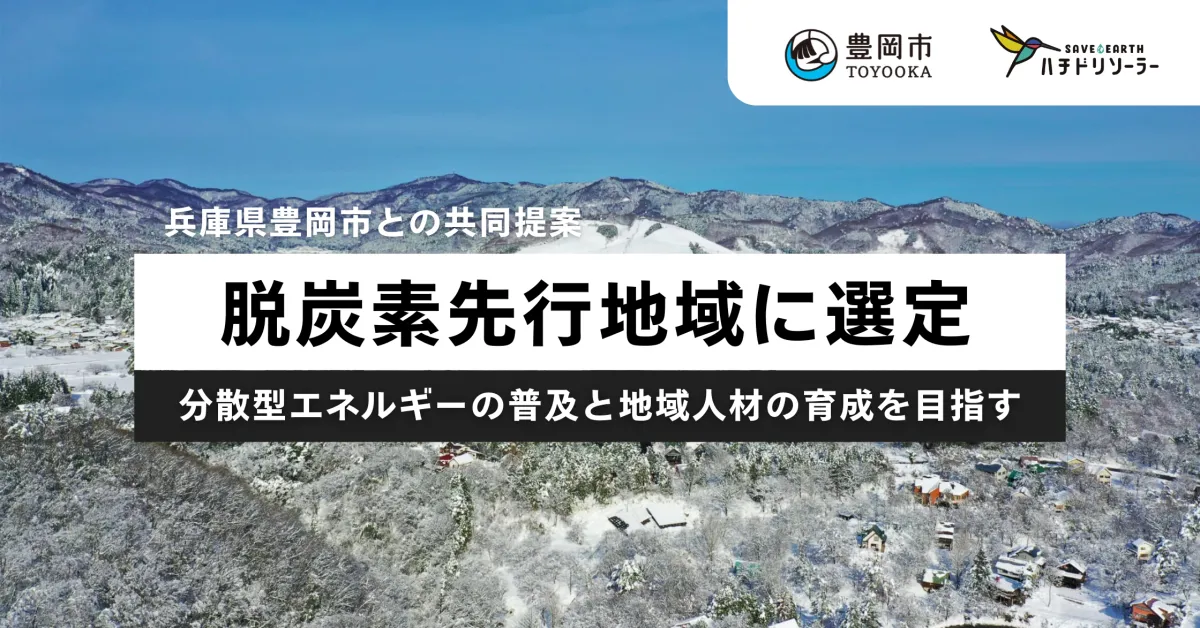
Hachidori Solar Collaborates with Toyooka City to Promote Sustainable Tourism and Carbon Neutrality
Hachidori Solar Co., headquartered in Shinjuku, Tokyo, has recently announced that it was selected as a collaborative project partner for Toyooka City's initiative under the Ministry of the Environment's 'Carbon Neutral Preceding Regions' program. This program aims to establish a sustainable carbon-neutral tourist destination in Hyogo Prefecture. The initiative envisions the establishment of a branch office in Toyooka City to promote the installation of solar power systems in residential and commercial structures while fostering local businesses.
The overarching objective is to stimulate the regional economy by creating a model for carbon neutrality that begins with tourism. The program is particularly focused on achieving a net-zero CO₂ emission target for electricity consumption in the residential sector by 2030, positioning Toyooka City as a pioneering location for carbon reduction strategies tailored to local characteristics.
The 'Carbon Neutral Preceding Regions' are areas selected by the Ministry of the Environment that aspire to achieve practical zero CO₂ emissions from electricity consumption by 2030. These areas serve as models for advanced carbon reduction efforts, sharing innovative approaches nationwide. Toyooka City's proposal leverages its unique tourism attributes while simultaneously pursuing carbon neutrality and sustainable economic development. Hachidori Solar joins the initiative as a key partner.
The Hidaka Kannabe area in Toyooka City, known for its scenic Kanabe Highlands within designated Geopark territories and its efforts in environmental policies like the wild recovery of the Japanese crane, is pivotal for this proposal. The aim is to advance carbon neutrality initiatives that support both tourism and local livelihoods.
The selected proposal emphasizes revitalizing and creating local industries through the development of microgrids and promoting the adoption of residential solar energy and other renewable sources to reduce energy costs. Additionally, collaborations with major travel agencies to expand sustainable tourism are planned, showcasing a blend of both hard and soft initiatives.
Hachidori Solar's strategy for this project centers around enhancing the integration of solar photovoltaic systems in residences and commercial properties, thus fostering localized renewable energy sources. Key components of their approach include:
1. Expansion of Solar Power Installation: Hachidori will push for solar power installations across various domains, including residential homes, private businesses, and public facilities. The initiative also envisions significant contributions from the company's products, thereby promoting local energy self-sufficiency.
2. Establishment of Local Offices and Business Capacity Building: Plans to establish a branch in the Hidaka Kannabe area will facilitate collaboration with local firms dealing with installation and sales. This approach will ensure the widespread adoption of renewable energy practices, enhancing technical capabilities of regional businesses while creating new job opportunities.
3. Development of Carbon Neutral Talent: Aiming for community education, Hachidori will host a 'Carbon Neutral Academy' and 'Seminars' focused on training local citizens, businesses, and government officials. The goal is to disseminate knowledge about the benefits of adopting solar energy, including lower electricity costs and fostering a circular economy within the region.
Hachidori Solar's commitment extends beyond just promoting solar installations; they aspire to forge sustainable energy frameworks alongside local businesses and talents. By sharing insights gained from this initiative with other regions across Japan, they aim to contribute to the realization of local community-driven carbon neutral models.
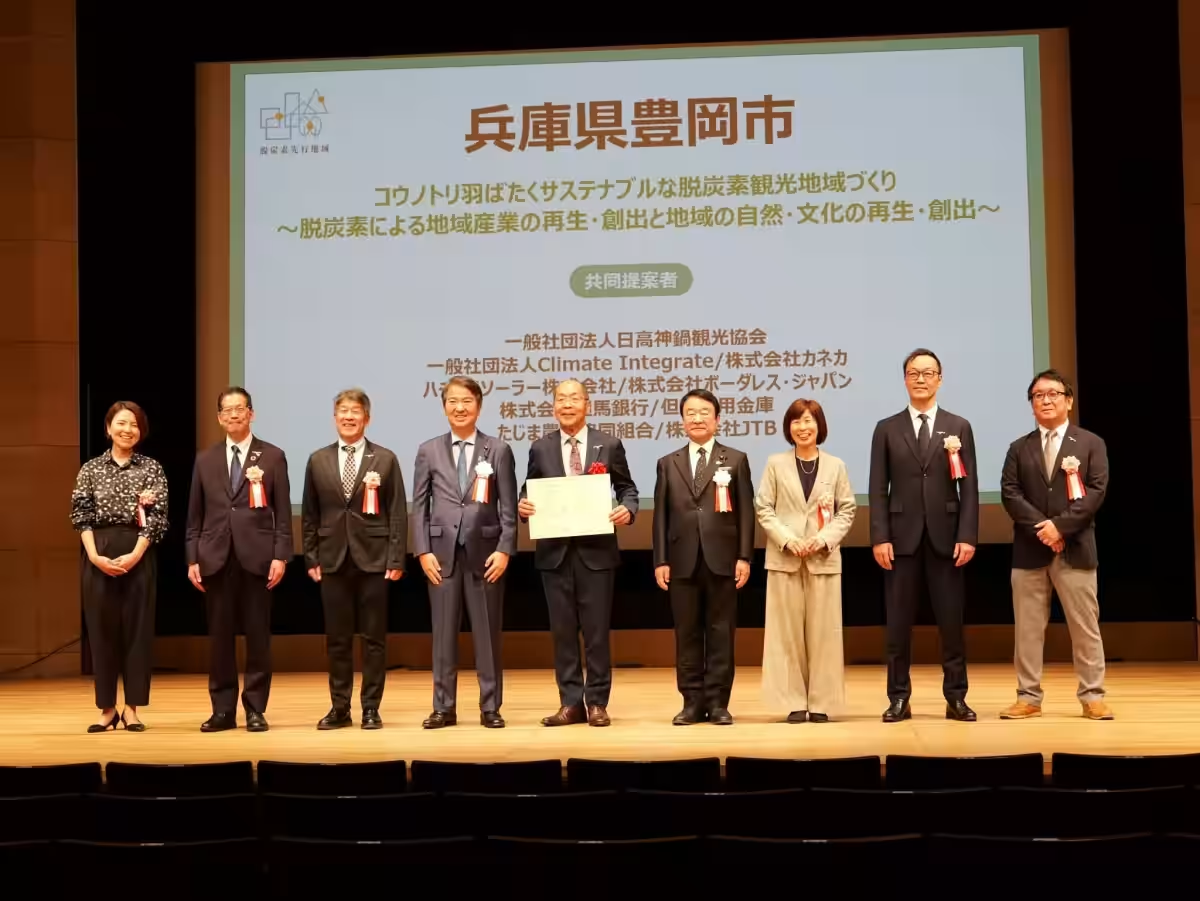
The proposal titled 'Creating a Sustainable Carbon-Neutral Tourist Region where Cranes Soar' aims at rejuvenating local industries while also promoting awareness of cultural and natural heritage. Collaborators like the Hidaka Kannabe Tourism Association, Climate Integrate, Kaneka Corporation, and various financial institutions are integral to this effort.
In conclusion, the partnership between Hachidori Solar and Toyooka City not only signals a progressive step towards carbon neutrality but also embodies a vision of sustainable tourism that can serve as a blueprint for other regions in Japan facing similar environmental challenges. This project will potentially lay the groundwork for a future where local communities thrive through sustainable practices, ensuring ecological integrity for generations to come.
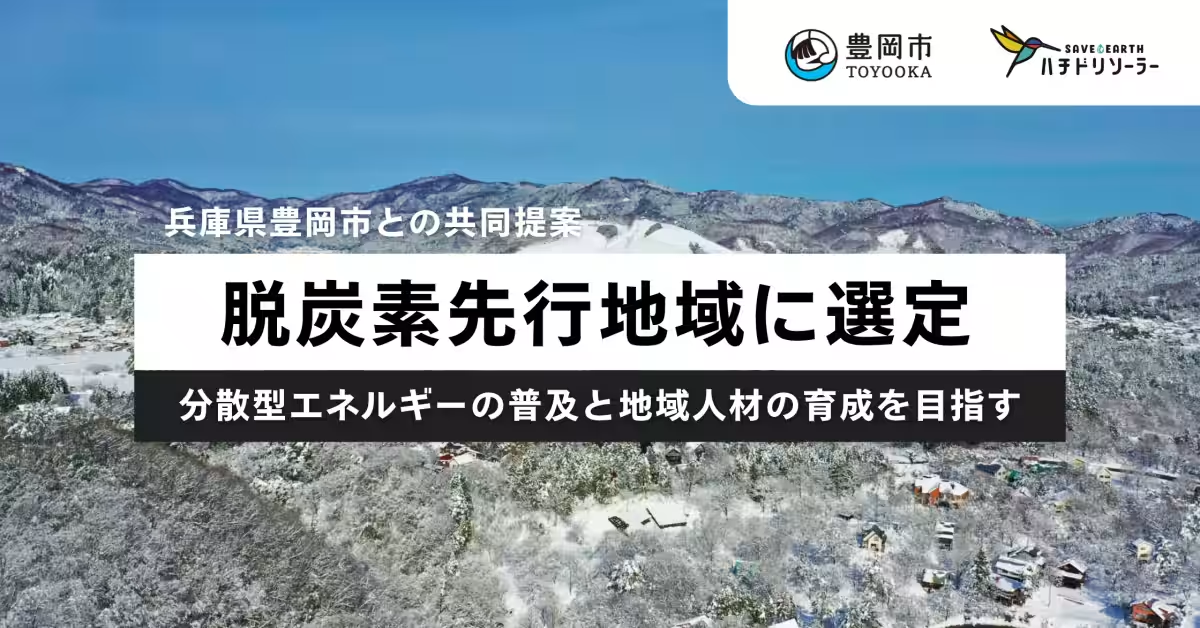
The overarching objective is to stimulate the regional economy by creating a model for carbon neutrality that begins with tourism. The program is particularly focused on achieving a net-zero CO₂ emission target for electricity consumption in the residential sector by 2030, positioning Toyooka City as a pioneering location for carbon reduction strategies tailored to local characteristics.
Understanding the 'Carbon Neutral Preceding Regions' Concept
The 'Carbon Neutral Preceding Regions' are areas selected by the Ministry of the Environment that aspire to achieve practical zero CO₂ emissions from electricity consumption by 2030. These areas serve as models for advanced carbon reduction efforts, sharing innovative approaches nationwide. Toyooka City's proposal leverages its unique tourism attributes while simultaneously pursuing carbon neutrality and sustainable economic development. Hachidori Solar joins the initiative as a key partner.
Proposal Highlights
The Hidaka Kannabe area in Toyooka City, known for its scenic Kanabe Highlands within designated Geopark territories and its efforts in environmental policies like the wild recovery of the Japanese crane, is pivotal for this proposal. The aim is to advance carbon neutrality initiatives that support both tourism and local livelihoods.
The selected proposal emphasizes revitalizing and creating local industries through the development of microgrids and promoting the adoption of residential solar energy and other renewable sources to reduce energy costs. Additionally, collaborations with major travel agencies to expand sustainable tourism are planned, showcasing a blend of both hard and soft initiatives.
Hachidori Solar's Role
Hachidori Solar's strategy for this project centers around enhancing the integration of solar photovoltaic systems in residences and commercial properties, thus fostering localized renewable energy sources. Key components of their approach include:
1. Expansion of Solar Power Installation: Hachidori will push for solar power installations across various domains, including residential homes, private businesses, and public facilities. The initiative also envisions significant contributions from the company's products, thereby promoting local energy self-sufficiency.
2. Establishment of Local Offices and Business Capacity Building: Plans to establish a branch in the Hidaka Kannabe area will facilitate collaboration with local firms dealing with installation and sales. This approach will ensure the widespread adoption of renewable energy practices, enhancing technical capabilities of regional businesses while creating new job opportunities.
3. Development of Carbon Neutral Talent: Aiming for community education, Hachidori will host a 'Carbon Neutral Academy' and 'Seminars' focused on training local citizens, businesses, and government officials. The goal is to disseminate knowledge about the benefits of adopting solar energy, including lower electricity costs and fostering a circular economy within the region.
Future Outlook
Hachidori Solar's commitment extends beyond just promoting solar installations; they aspire to forge sustainable energy frameworks alongside local businesses and talents. By sharing insights gained from this initiative with other regions across Japan, they aim to contribute to the realization of local community-driven carbon neutral models.
The proposal titled 'Creating a Sustainable Carbon-Neutral Tourist Region where Cranes Soar' aims at rejuvenating local industries while also promoting awareness of cultural and natural heritage. Collaborators like the Hidaka Kannabe Tourism Association, Climate Integrate, Kaneka Corporation, and various financial institutions are integral to this effort.
In conclusion, the partnership between Hachidori Solar and Toyooka City not only signals a progressive step towards carbon neutrality but also embodies a vision of sustainable tourism that can serve as a blueprint for other regions in Japan facing similar environmental challenges. This project will potentially lay the groundwork for a future where local communities thrive through sustainable practices, ensuring ecological integrity for generations to come.
Topics Environment)
【About Using Articles】
You can freely use the title and article content by linking to the page where the article is posted.
※ Images cannot be used.
【About Links】
Links are free to use.