



QNX Survey Reveals Challenges in Japan's SDV Development Landscape
Challenges in Japan's SDV Development
A recent survey conducted by QNX, a division of BlackBerry Limited, sheds light on the current state of software-defined vehicle (SDV) development in Japan. The study covered 1,100 automotive software developers across North America, Europe, and Asia, including 100 respondents from Japan. The findings reveal a multitude of factors impacting SDV development, such as intricate regulations, software recalls, and lengthened development cycles, which together stress the importance of reassessing software strategies among original equipment manufacturers (OEMs).
Key Findings from Japanese Developers
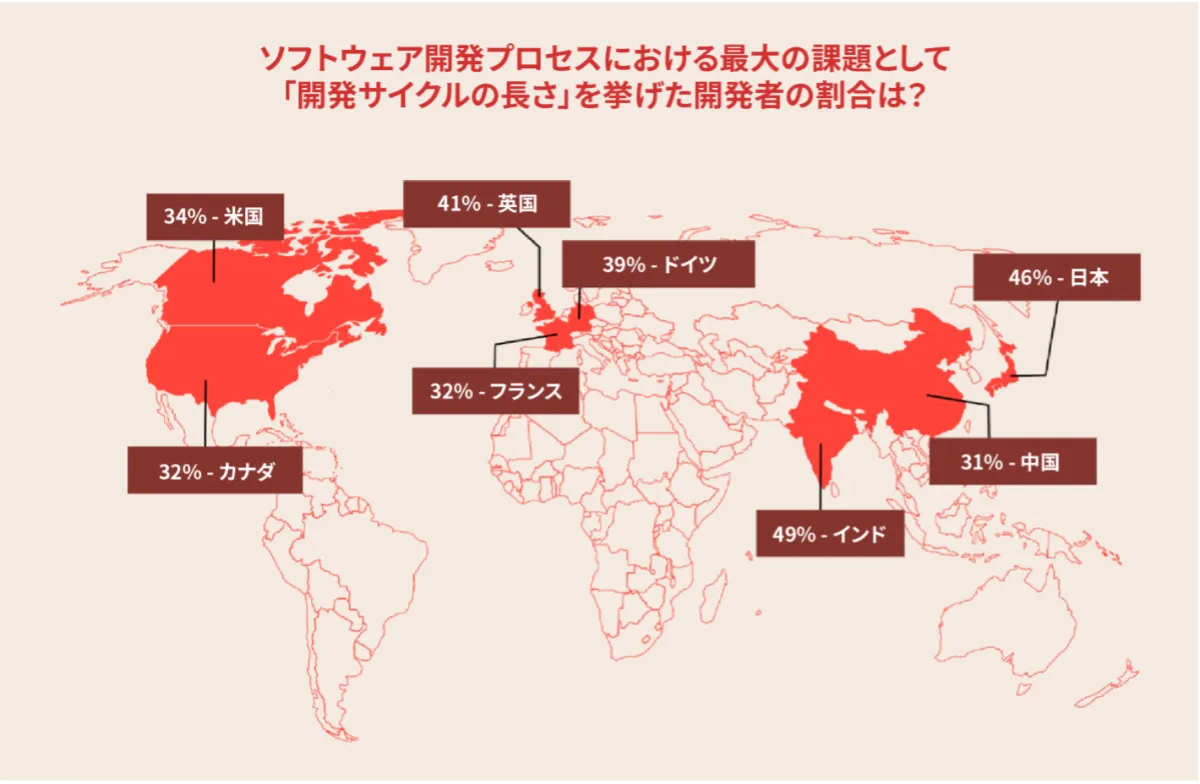
The survey found that 46% of Japanese respondents identified the length of development cycles as the foremost challenge in the software development process. This figure considerably exceeds the global average of 37%. Following closely, 36% marked integration complexities and scalability issues across vehicles and models as significant hurdles. Other challenges noted include 33% citing debugging and testing difficulties and another 33% highlighting fragmentation in the toolchain.
Moreover, when asked about the toughest regulatory challenges, 49% of Japanese developers mentioned cybersecurity compliance, followed by 42% for functional safety, and 38% for AI/machine learning regulations, indicating a strong emphasis on security and safety among Japanese developers. However, only 16% of these respondents expressed high confidence in their ability to comply with changing regulations, a troubling gap compared to the global average of 39%.
Collaboration and Resource Utilization
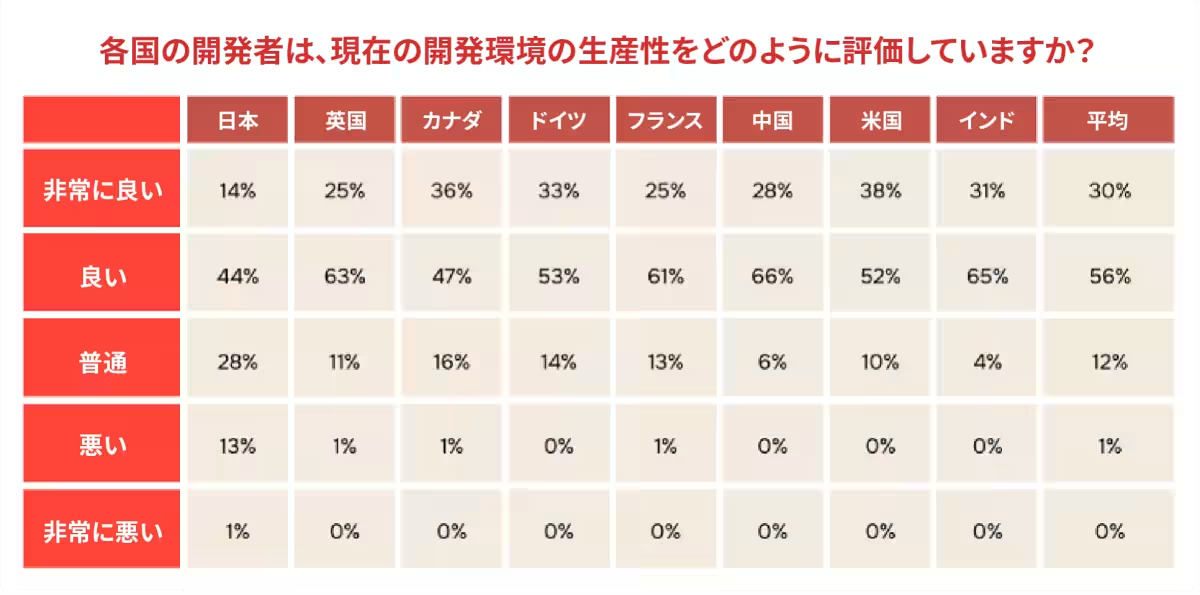
Japanese developers seem hesitant towards cross-industry collaboration, with only 83% considering it important, marking a stark difference from the global figure of 93%. Additionally, only 33% affirmed that their companies supported collaborative development methods, significantly lower than the global average of 50%. This trend raises concerns about Japan's development environment's overall productivity, as reflected in ratings of the current development setting—where only 14% rated it as “very good”.
The survey also reveals skepticism toward open-source software, with only 82% acknowledging its value in automotive development, the lowest compared to other surveyed nations. Similarly, the outlook on cross-industry collaborations to facilitate innovation in the automotive sector is less favorable in Japan than globally.
Regulatory Awareness and Developmental Challenges
Despite recognizing that regulatory compliance is a major barrier, with 30% pinpointing it as the top obstacle, Japanese developers expressed apprehension regarding the pace at which regulations can keep up with innovation. Only 67% believed that the regulatory framework could adapt adequately to the rapid pace of technological advancement.
A noteworthy observation from the survey is that a large segment of Japanese developers, 71%, viewed the focus on fully autonomous driving as disproportionately high, suggesting a desire to redirect attention to other emerging technologies.
In conclusion, as the complexities surrounding SDV development grow, QNX remains committed to assisting automakers in navigating these changes efficiently and fostering innovation. Leveraging an established platform like QNX, which complies with various international regulations, can streamline compliance efforts and enhance safety in Japan's SDV development landscape. QNX acknowledges the unique characteristics inherent in Japanese automotive development practices, citing the need for improved perceptions regarding productivity, regulation adherence, and collaborative efforts across the industry.
For further insights and details, visit QNX.com and follow @QNX News.
Topics Business Technology)
【About Using Articles】
You can freely use the title and article content by linking to the page where the article is posted.
※ Images cannot be used.
【About Links】
Links are free to use.