



A Comprehensive Survey on Used Apartment Purchases and Floor Plans.
Introduction
In the dynamic world of real estate, understanding buyer preferences plays a crucial role in shaping market offerings. Recently, MEMOCO, located in Shibuya, Tokyo, in collaboration with the company Sumanara, conducted a survey involving 118 individuals who have purchased used apartments. This survey sought to dive deep into the correlation between desired floor plans and actual purchases.
Survey Overview
- - Duration: March 8, 2025 to July 25, 2025.
- - Methodology: Internet-based survey using a crowdsourcing service.
- - Demographics: 118 total respondents, consisting of 56 men and 62 women.
The survey offered insights into the preferences related to floor plans, including discrepancies between desired and actual layouts, levels of compromise, and reasons behind square meter selections.
Respondent Demographics
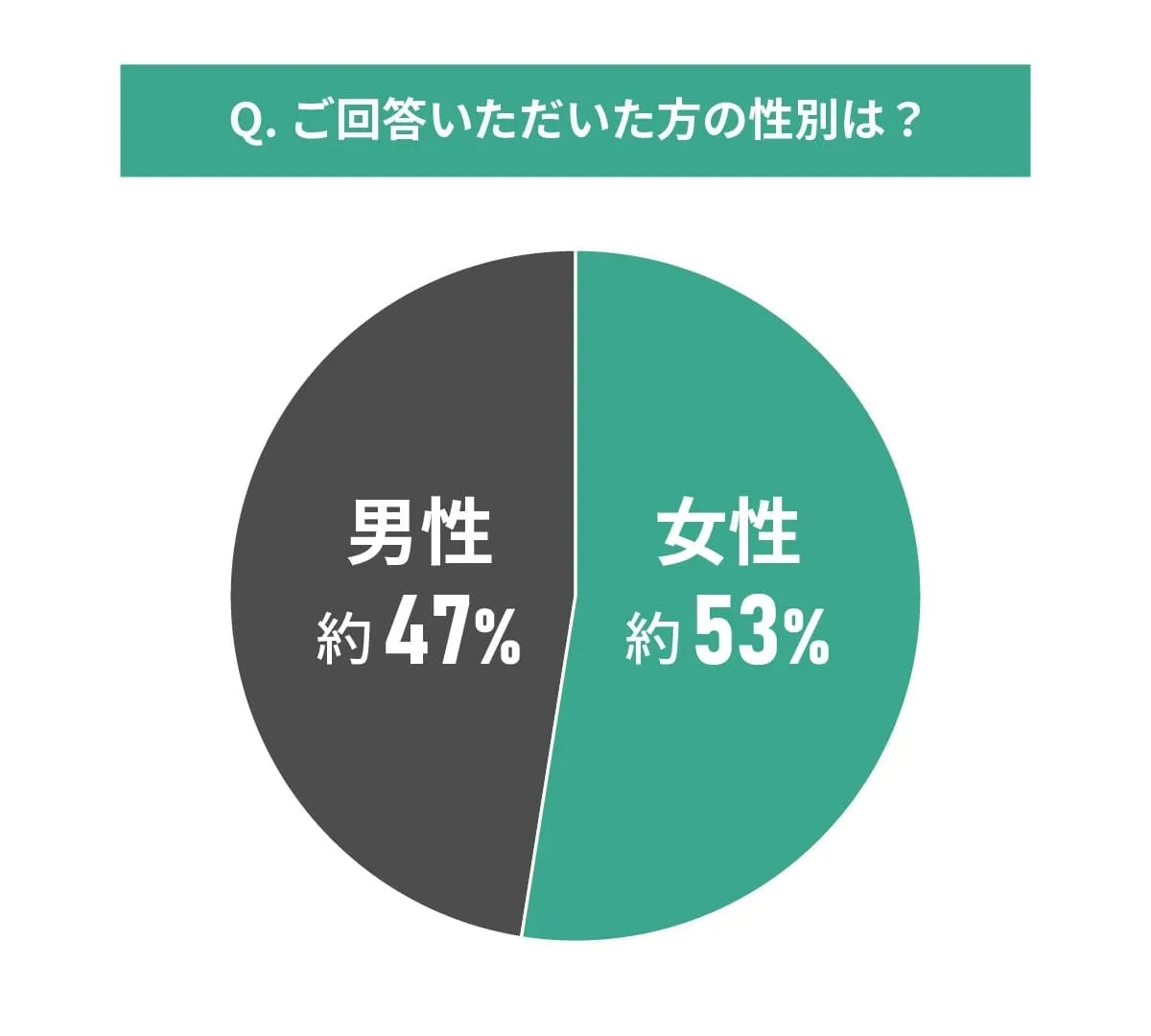
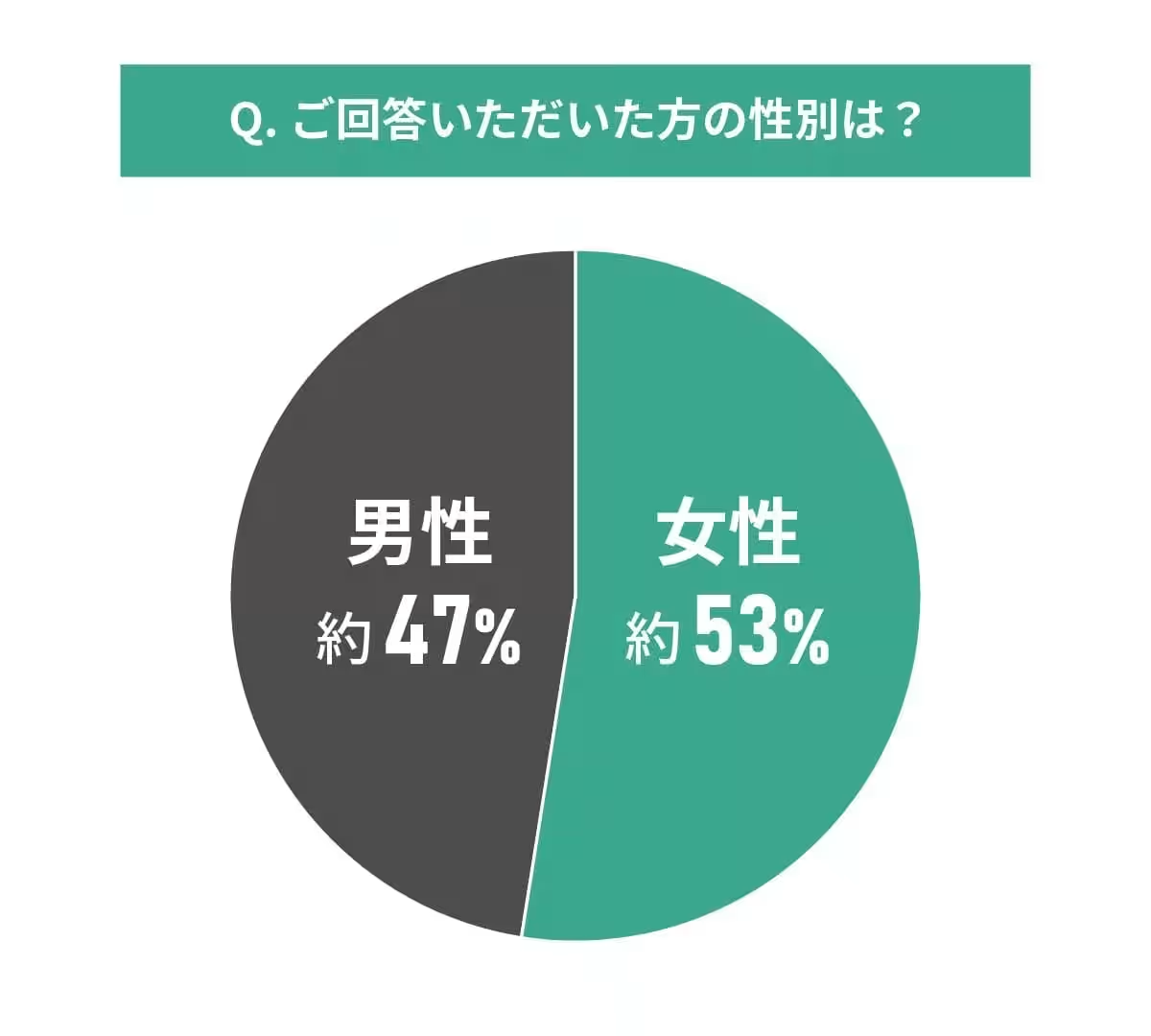
Gender Breakdown
- - Women: Approximately 53%
- - Men: Approximately 47%
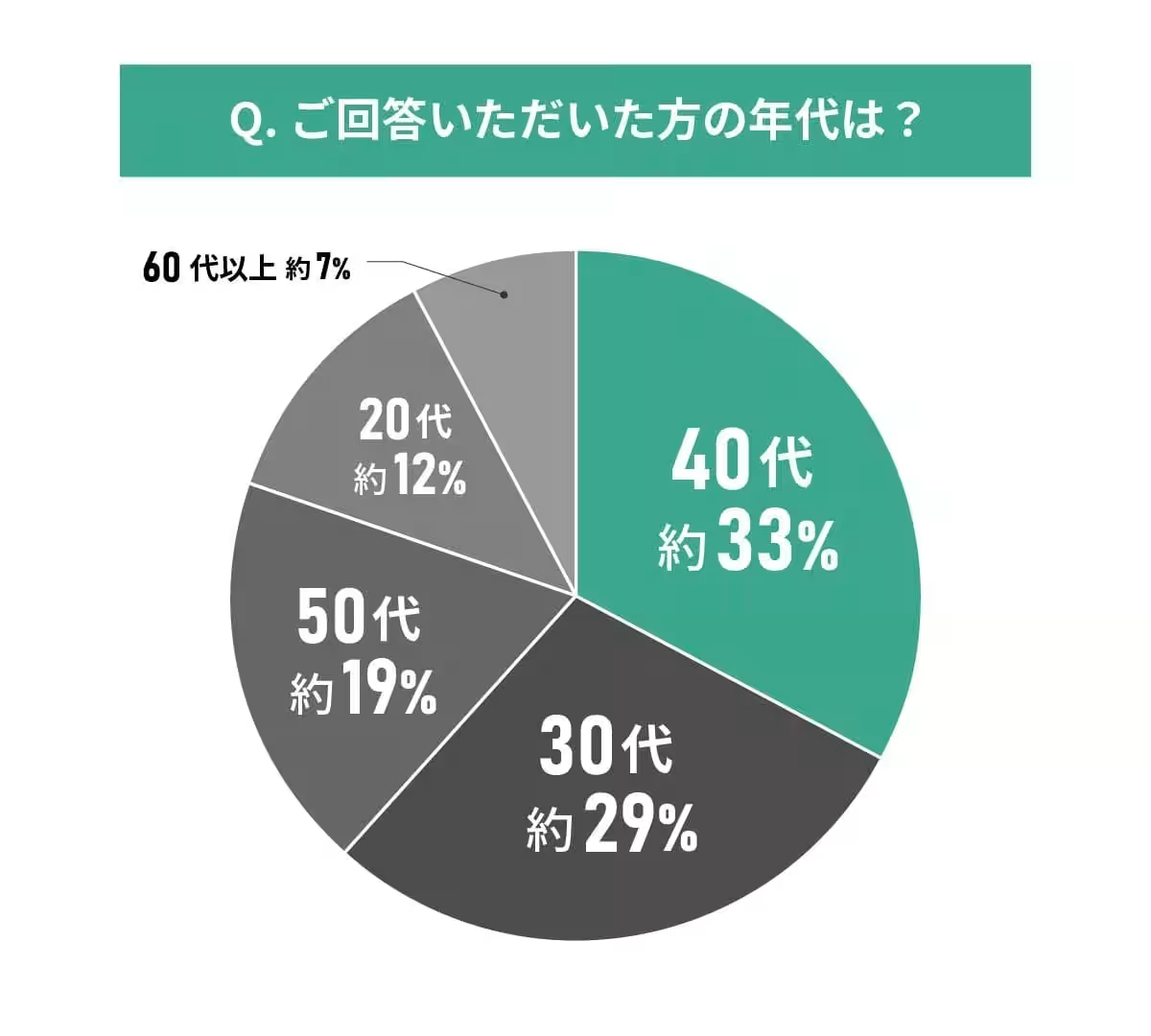
Age Distribution
- - 20s: About 12%
- - 30s: About 29%
- - 40s: About 33%
- - 50s: About 19%
- - 60s and above: About 7%
It’s noteworthy that individuals in their 30s and 40s form a significant portion of respondents, underlining these age groups as primary buyers in the used apartment sector.
Desired Floor Plan Analysis
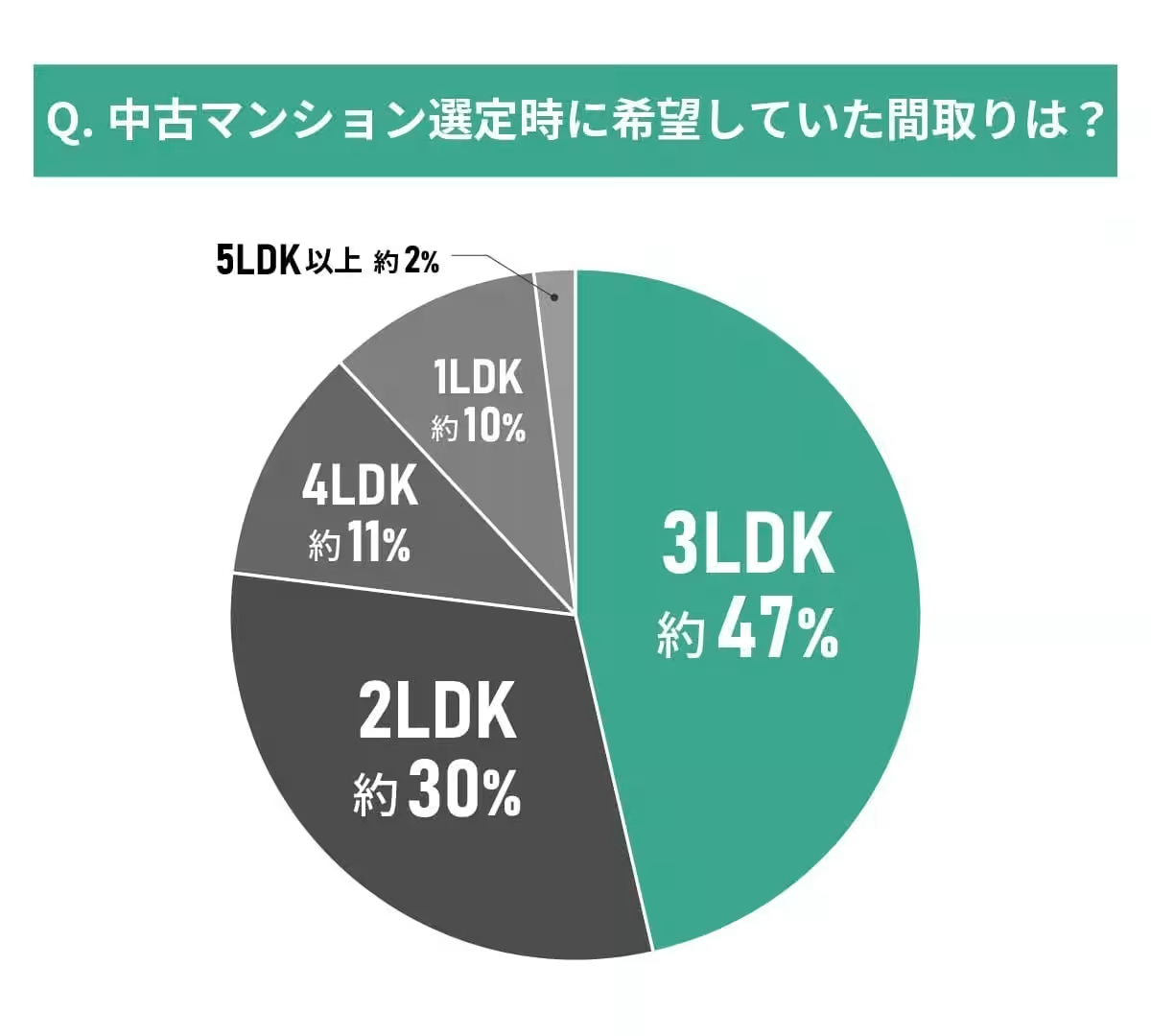
The survey illuminated a clear preference for specific types of floor plans:
- - 3LDK: Approximately 47%
- - 2LDK: Approximately 31%
- - 4LDK: Approximately 11%
- - 1LDK: Approximately 10%
- - 5LDK and above: About 2%
The overwhelming preference for 3LDK highlights a significant demand from families looking to secure adequate living space, including separate rooms for children. Many respondents cited motivations such as wanting their children to have personal rooms, reflecting long-term family planning.
Compact Households
On the other hand, the 2LDK option is popular among couples and those predicting potential family growth. Comments from respondents reveal a conscientious approach to choosing an appropriately sized home, expressing concerns like the discomfort of either exceeding or lacking space.
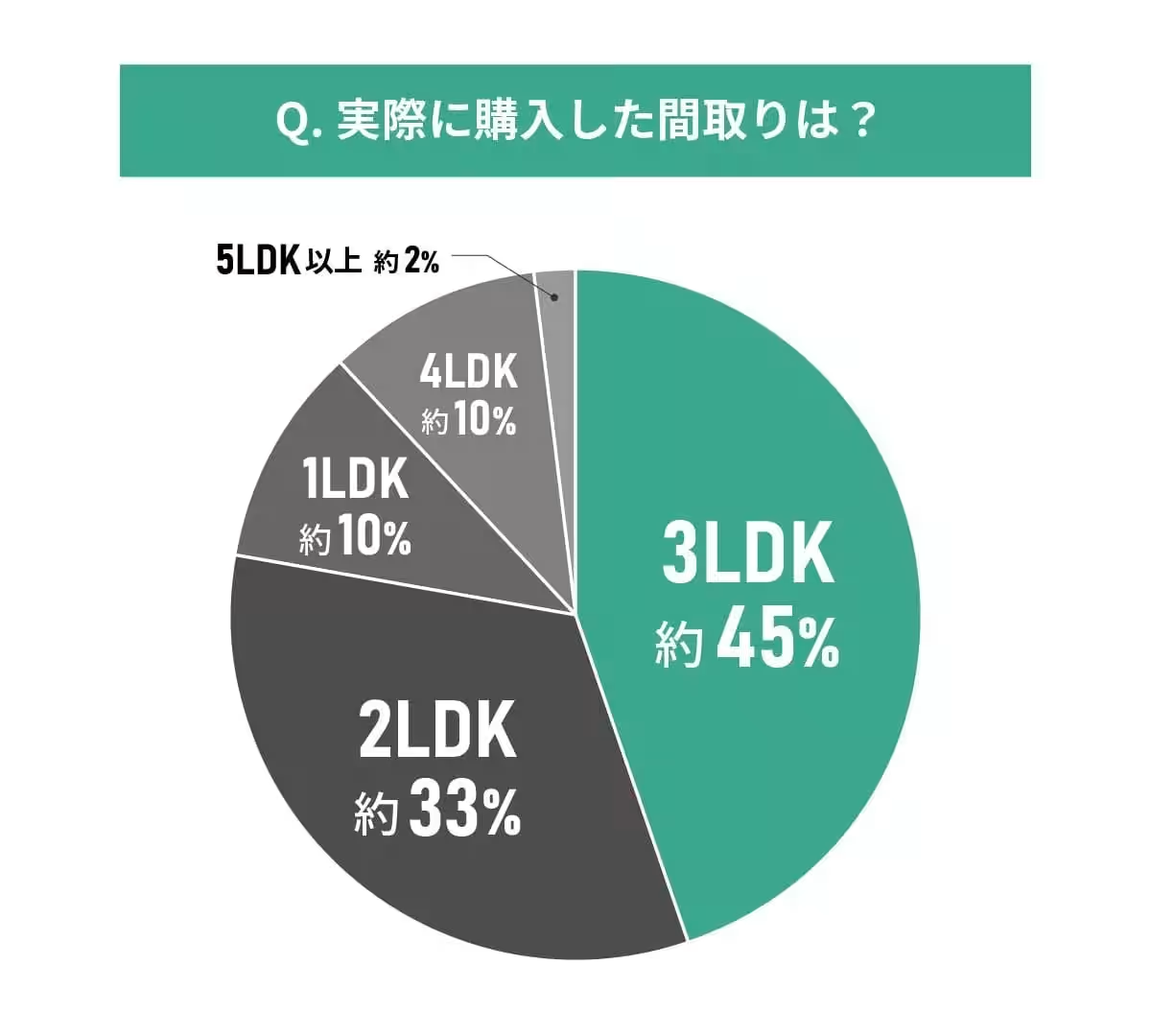
Actual Purchased Floor Plans
The actual distribution of purchased apartments closely aligns with initial desires:
- - 3LDK: About 45%
- - 2LDK: About 33%
- - 1LDK: Approximately 10%
- - 4LDK: Approximately 10%
- - 5LDK and above: About 2%
While the preference for 3LDK remains high, the slight increase in 2LDK purchases indicates a trend toward practicality and adaptability according to budget and location.
Difference Between Desired and Actual Purchases
The discrepancies observed between desired and bought floor plans can often be attributed to factors such as budget restrictions and location preferences. Some respondents acknowledged having to compromise their initial plans due to high property prices or the allure of prime locations.
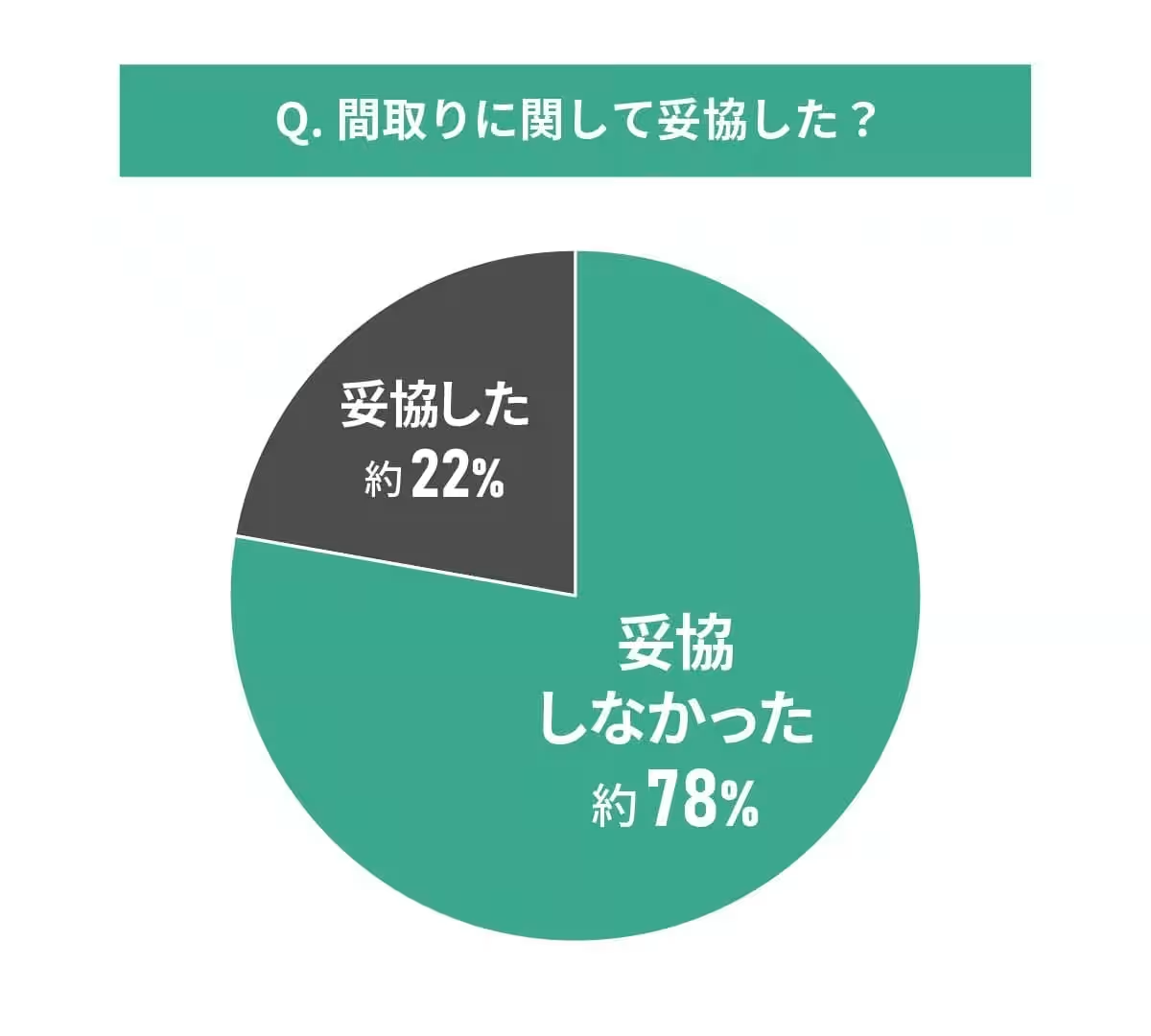
Compromise Factors
Interestingly, around 78% of respondents reported not having to compromise, while 22% acknowledged some level of concession. Reasons ranged from financial necessity to prioritizing favorable locations over specific layouts.
Preferences and Compromises
A whopping 78% of buyers did not settle on their preferred floor plan, indicating a positive outlook within the used apartment market. This suggests available options that closely align with buyer desires.
For those who did compromise, logical reasoning was often applied, such as prioritizing either the location or price of the property over the preferred layout.
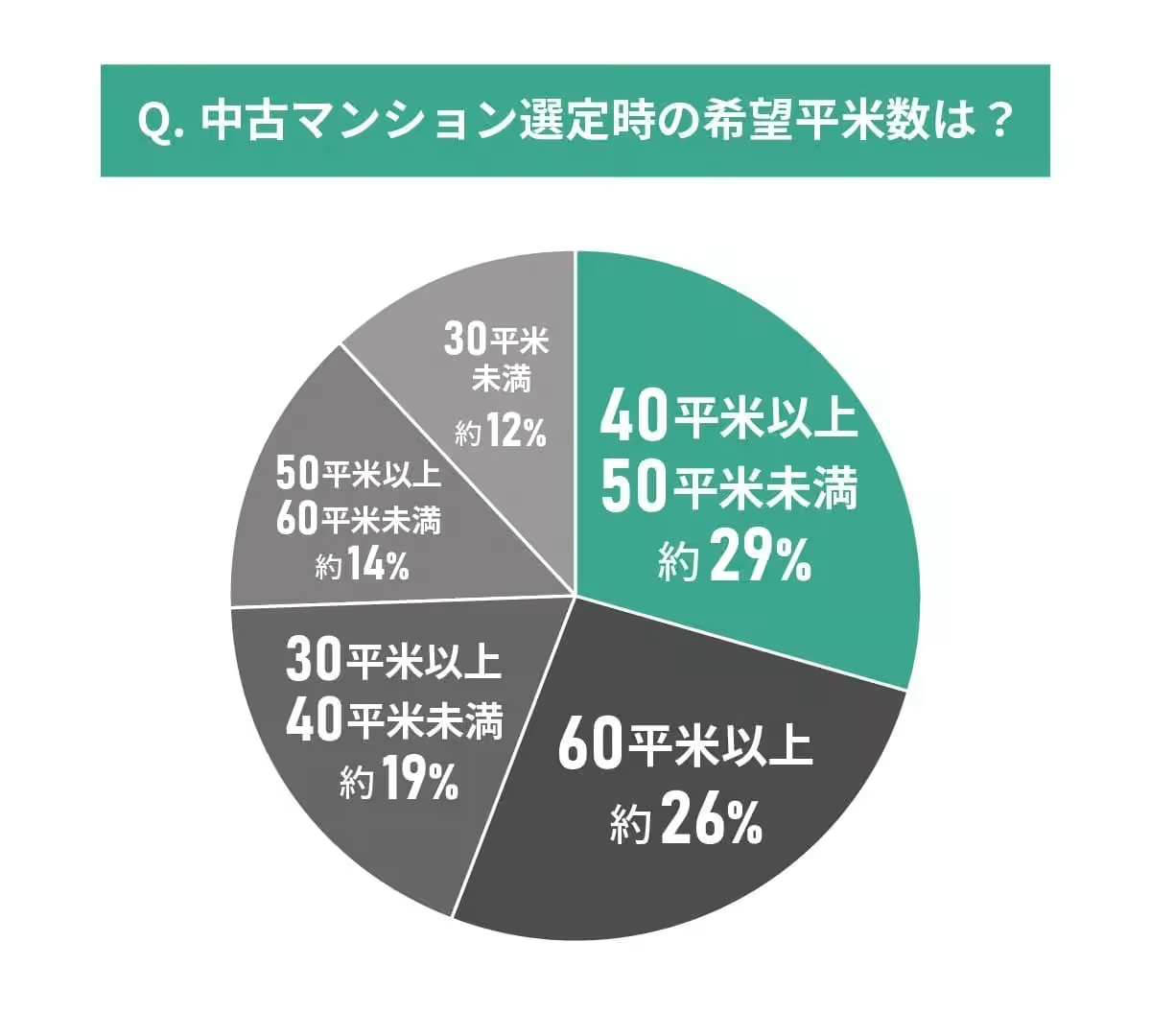
Square Meter Preferences
The survey also addressed preferences regarding square meters:
- - 60 sqm and above: Approximately 26%
- - 40 to 50 sqm: Approximately 29%
- - 30 to 40 sqm: Approximately 19%
- - 50 to 60 sqm: Approximately 14%
- - Below 30 sqm: About 12%
Trends show a significant number of buyers favoring median square footage—tied back to considerations of family size and future-life scenarios.
Future Considerations
Feedback from respondents frequently indicated that current family compositions and future projections played roles in their chosen sizes, hinting at a thoughtful approach to real estate.
Diversity in Buyer Values
The findings reveal an impressive diversity amongst used apartment purchasers regarding their values associated with floor plans. Preferences are tailored to suit personal circumstances and growth plans, suggesting careful consideration beyond essential spatial needs.
Conclusion
This study underscores the substantial decisions involved in purchasing used apartments and how closely preferences are tied to personal lifestyle choices. The survey illustrates that prospective buyers are encouraged to consider their priorities based on individual needs and future aspirations when entering the competitive real estate market.
Topics Consumer Products & Retail)
【About Using Articles】
You can freely use the title and article content by linking to the page where the article is posted.
※ Images cannot be used.
【About Links】
Links are free to use.