




Recent Trends in Food Purchasing Behavior and Home Cooking in Japan
Understanding Recent Food Trends in Japan
A significant survey, conducted by CROSS MARKETING, focuses on the evolving dynamics of food purchasing behavior and home cooking habits among Japanese households. With a sample size of 3,000 participants aged between 20 and 69 across all 47 prefectures, this study provides crucial insights into the state of eating habits in Japan as of 2026.
Key Findings on Food Purchasing Behavior
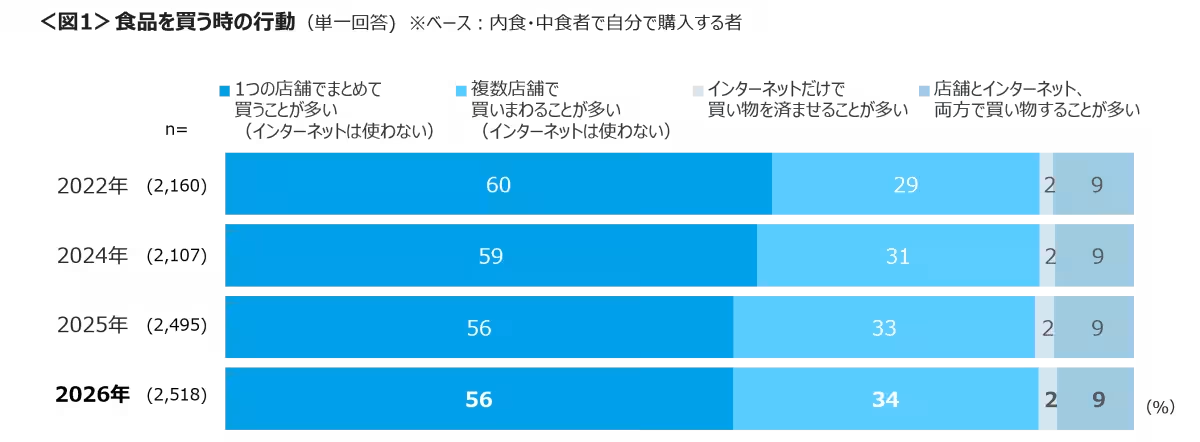
When it comes to food shopping, over half of respondents (56%) prefer to make all their purchases at one store, while 34% reported shopping at multiple locations. This trend remains stable compared to 2025. However, a noticeable change since the COVID-19 pandemic in 2022 is in the shopping habits: previously, more people opted for shopping at various stores, influenced by continuous price hikes. This year, there seems to be a return to last year's shopping frequency instead.
Cooking at Home: Breakfast and Dinner Trends
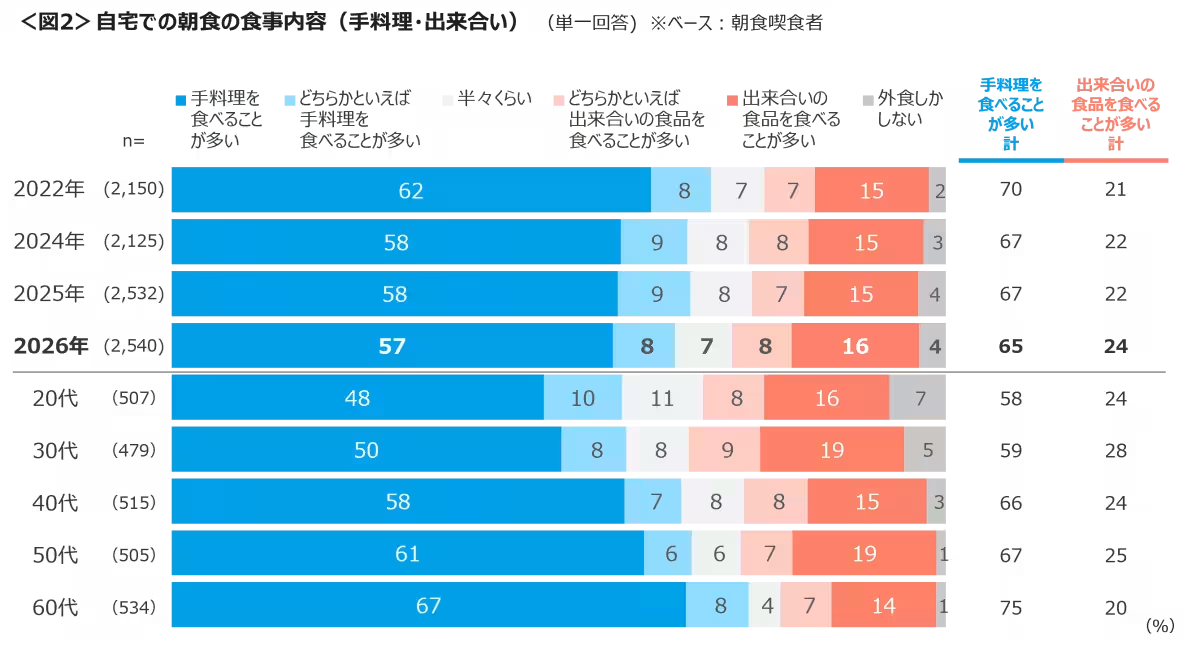
Regarding home-cooked meals, the survey shows a slight decline in the preference for cooking from scratch. For breakfast, 65% of participants stated they usually prepare their meals, marking a 5-point decrease from 2022. Interestingly, younger generations (20-30s) show less inclination towards home cooking, with fewer than 60% identifying as home cooks, compared to a robust 75% in the 60s age group.
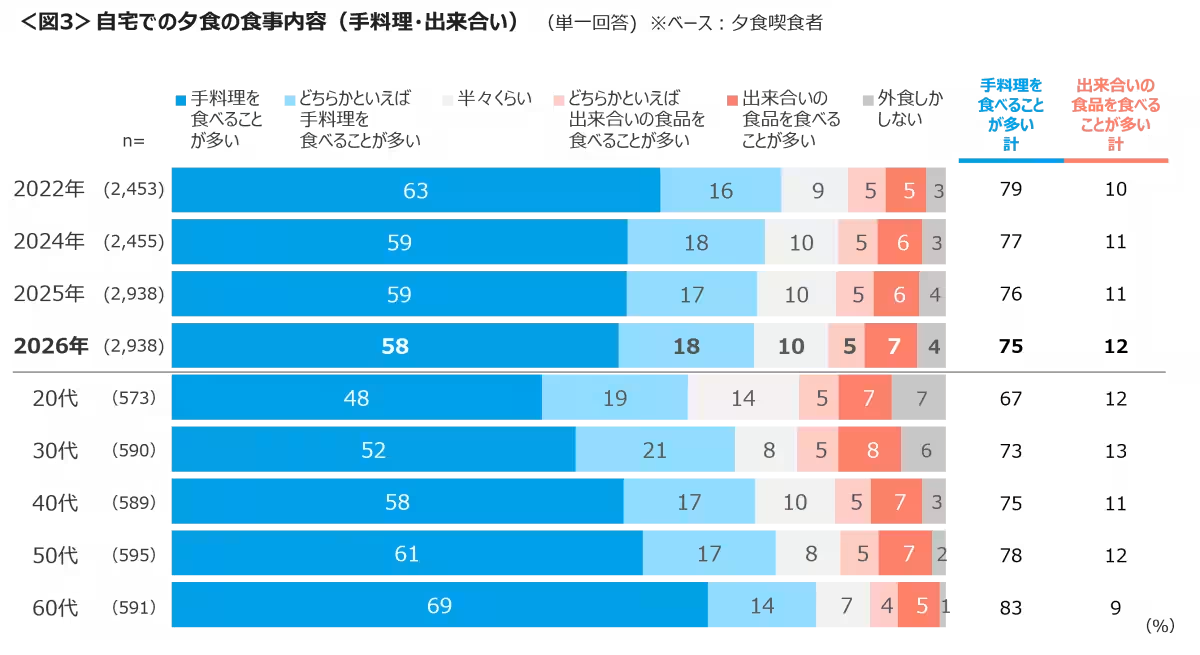
Dinner time reflects a somewhat similar scenario, where 75% favor home-cooked meals; despite remaining steady from last year, this number has decreased by 4 points since 2022. Again, the preference for cooking rises with age, as an impressive 83% of those in their 60s consistently prepare their dinners.
The Rise of Convenience Cooking Products
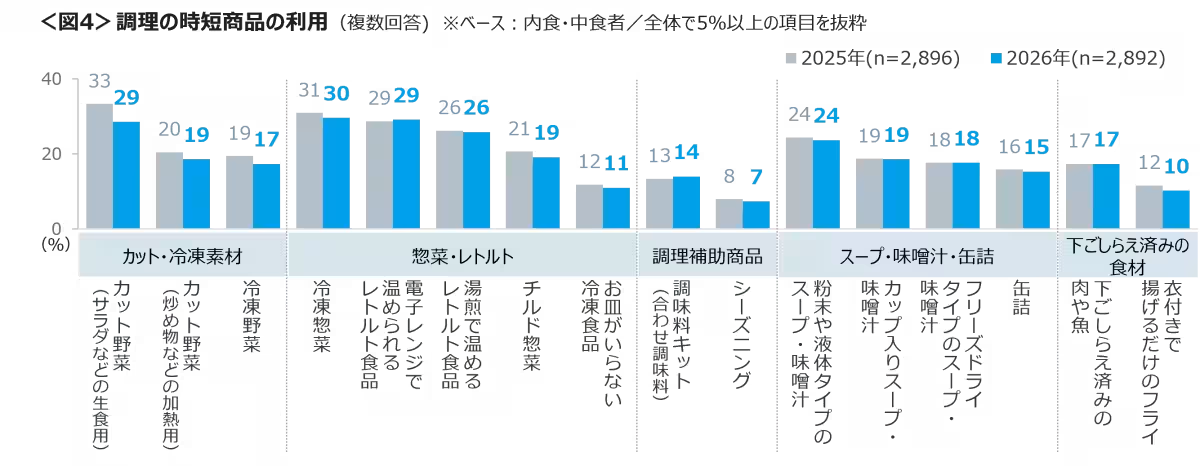
When it comes to utilizing cooking convenience products, respondents increasingly turn to options like frozen entrees, microwaveable retorts, cut vegetables, and pre-packaged soups. The rising cost of fresh produce appears to influence the slight dip in preference for pre-cut vegetables, suggesting economic factors play a significant role in dietary choices.
Checking Food Packaging: Trends in Awareness
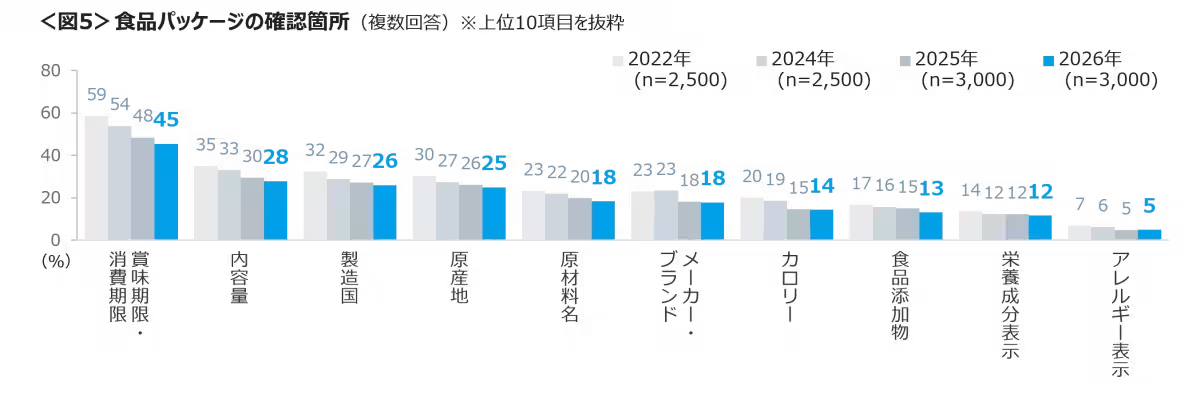
Survey participants exhibited a striking trend in checking food packaging for information. The most sought-after detail remains the "expiration date," with 45% acknowledging its importance; this stands out clearly as the top concern. Other frequently checked items include "quantity," "country of origin," and "production location,'' each garnering around 20% interest. However, there has been a noticeable trend, starting in 2022, where consumers appear to scrutinize packaging less actively, particularly regarding expiration dates, which have seen a troubling 14-point drop. This decline may correlate with emerging guidelines aimed at reducing food waste by extending expiration durations.
Conclusion
The findings from this comprehensive study highlight critical shifts in Japan's food landscape, signaling changing consumer priorities and habits in the wake of economic pressures and cultural transformations. As cooking convenience is increasingly prioritized, these findings may urge both consumers and businesses to reconsider their approaches to food purchasing and preparation.
For those interested in exploring further insights from this survey, a detailed report is available for download at the CROSS MARKETING website.
For More Information, Please Visit:
CROSS MARKETING
Survey Details
- - Methodology: Internet Research
- - Geographic Coverage: Nationwide across Japan
- - Survey Periods: Various spans from 2022 to 2026 with diverse sample sizes ensuring comprehensive data analysis.
The shift in food attitudes depicted in the survey results illustrates a more extensive cultural transition underway in Japan, particularly as consumers navigate the balance between convenience and quality in their everyday cooking practices.

Topics Consumer Products & Retail)



【About Using Articles】
You can freely use the title and article content by linking to the page where the article is posted.
※ Images cannot be used.
【About Links】
Links are free to use.