



ABEJA Collaborates with SOMPO to Introduce AI Solutions in Elderly Care
ABEJA and SOMPO’s Innovative Collaboration in Elderly Care
In an impressive move towards modernizing elderly care, ABEJA, a tech company based in Tokyo, has joined forces with SOMPO Holdings, a leading group in the insurance sector, to support the development of a groundbreaking AI solution designed specifically for the caregiving domain. This new service, titled "Tell Me! Excretion Care," aims at deploying digital transformation (DX) in waste management tasks within caregiving environments.
At the core of this initiative is the SOMPO Group’s commitment to enhancing the quality of life (QOL) as well as the quality of care provided by dedicated staff. The overarching goal is to alleviate the heavy workload that caregivers face, especially concerning excretion care, thus improving workplace efficiency all while ensuring a harmonious balance between caregiver well-being and the quality of service delivered to users.
Background: Challenges in Elderly Care
The root of this innovative solution arises from the increasing challenges facing the elder care sector in Japan. A severe shortage of caregiving personnel is putting immense pressure on facilities to provide comprehensive care with limited staff. This has transformed the need for efficiency and improved care quality into an urgent issue that needs addressing.
In response, SOMPO Care, a part of the SOMPO Group, has harnessed its extensive knowledge of caregiving to develop a suite of generative AI solutions dubbed "Tell Me! KAiGO." This development aggregates a diverse range of AI capabilities centered around enhancing caregiver performance and improving the overall work environment, making it easier to manage workloads while simultaneously elevating care standards.
Introducing “Tell Me! Excretion Care”
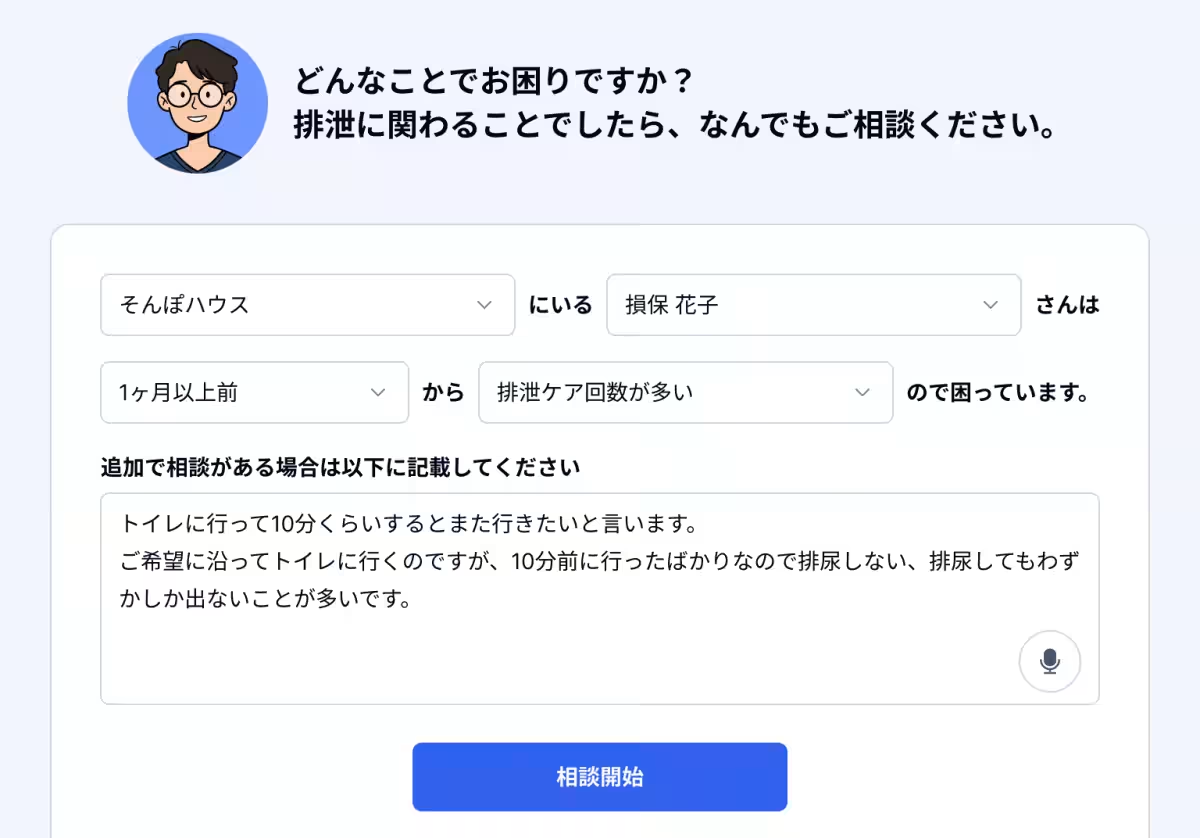
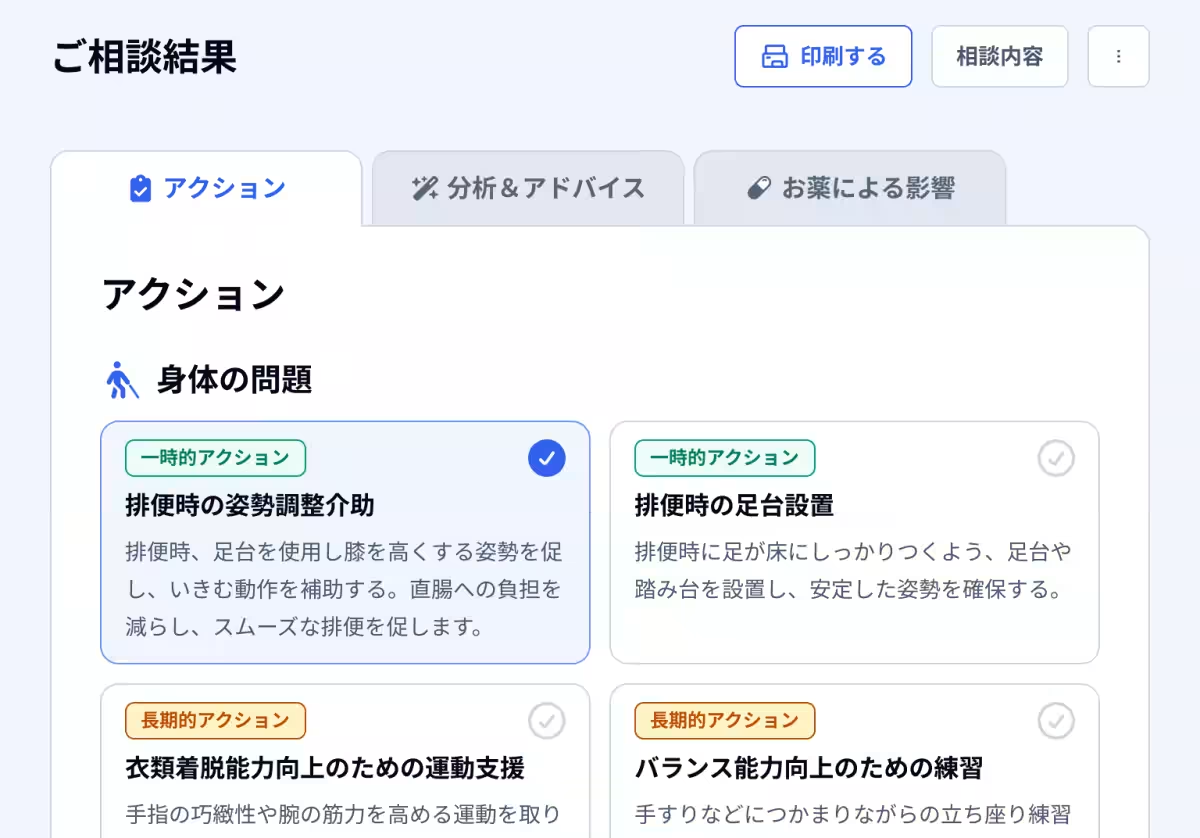
The Tell Me! Excretion Care service is designed explicitly for the excretion care area, which many caregivers find particularly burdensome. This AI tool incorporates insights from caregiving manuals and real case studies compiled from on-site research and interviews, significantly reflecting the tacit knowledge that experienced professionals possess, allowing it to emulate their thought processes effectively.
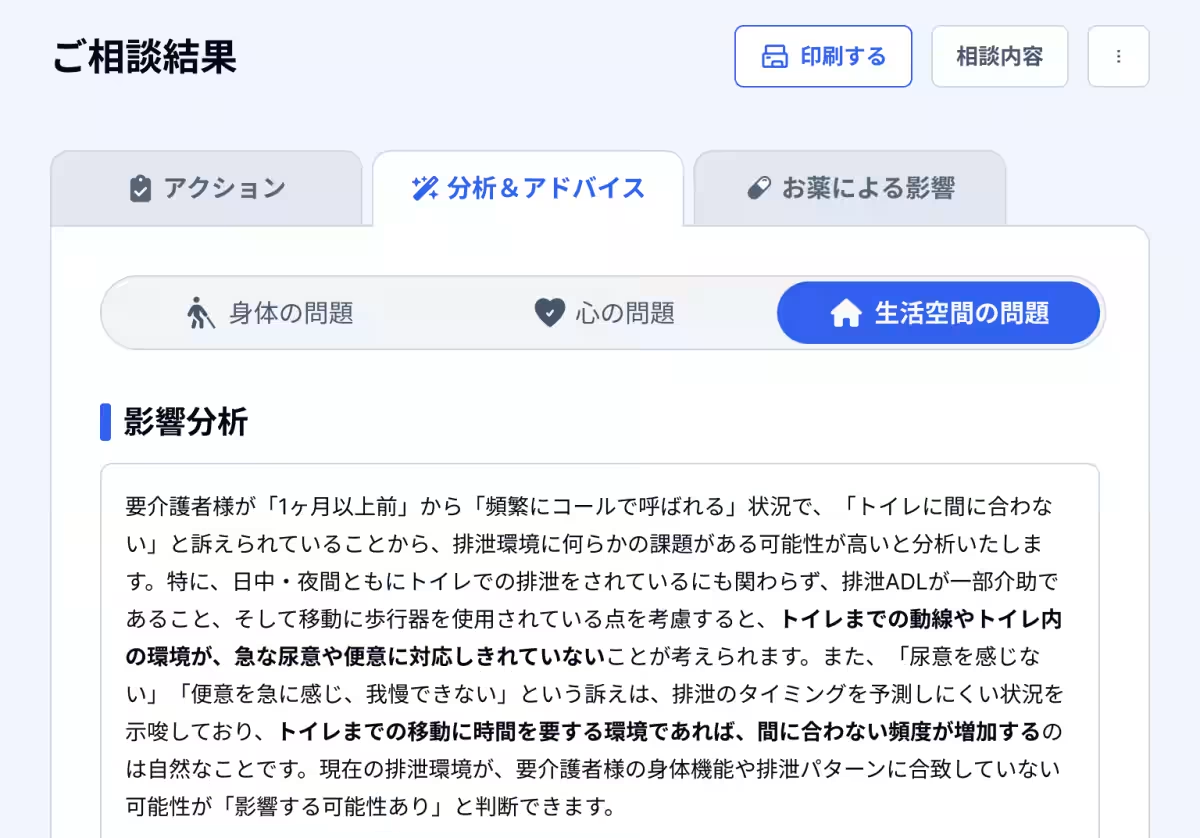
When caregivers are confronted with dilemmas about patient care—whether it be changes in health status or care methodologies—the AI conducts a comprehensive analysis based on fragmented data like medication records, medical history, daily living activity capabilities, and other relevant inputs. It then synthesizes this information to offer holistic insights, including potential underlying factors, via “impact analysis and advice.
Topics Other)
【About Using Articles】
You can freely use the title and article content by linking to the page where the article is posted.
※ Images cannot be used.
【About Links】
Links are free to use.