



Current Trends in Winter Bonus Distribution and Spending in Japan
Winter Bonus Distribution Trends in Japan
As Japan approaches the winter season, the latest survey conducted by Nihon Information, a leading marketing research firm based in Tokyo, sheds light on the country's winter bonus distribution. Conducted from December 15 to 16, 2025, the survey sampled 928 employed individuals aged 20 to 69 across the nation. The findings suggest a notable rise in bonus amounts compared to last year, indicating a slight economic recovery for many.
Key Findings from the Survey
1. Increase in Bonus Distribution
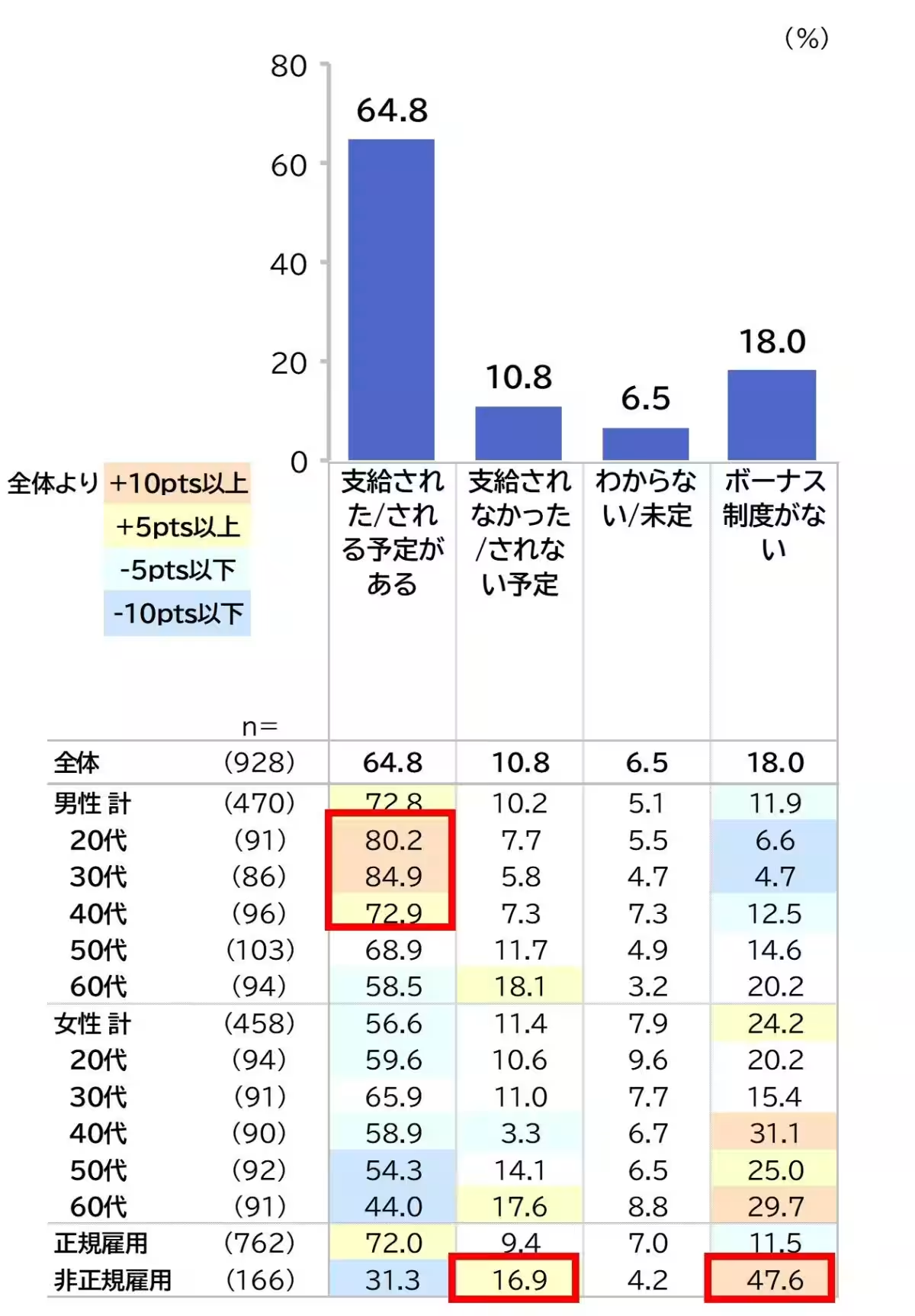
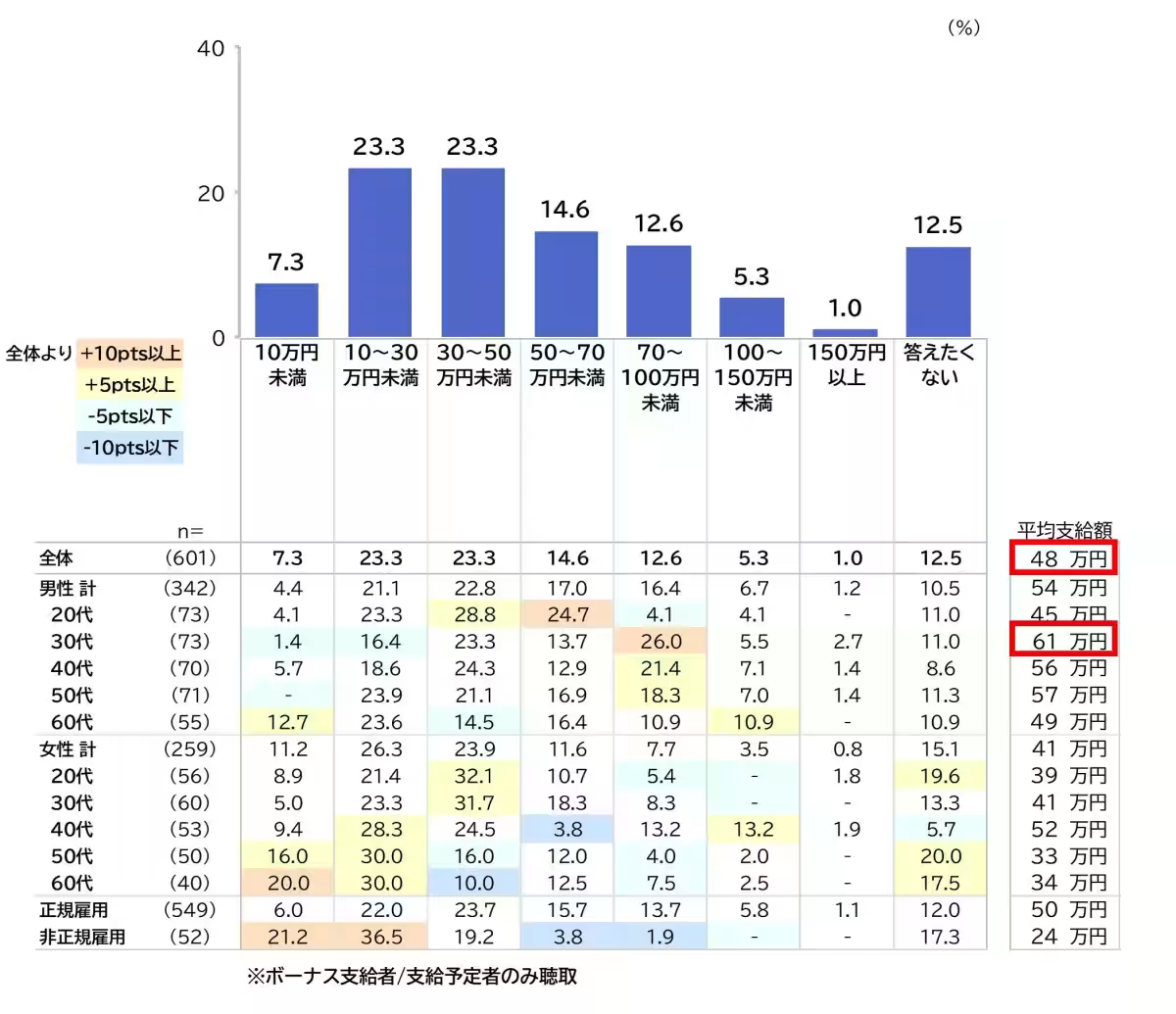
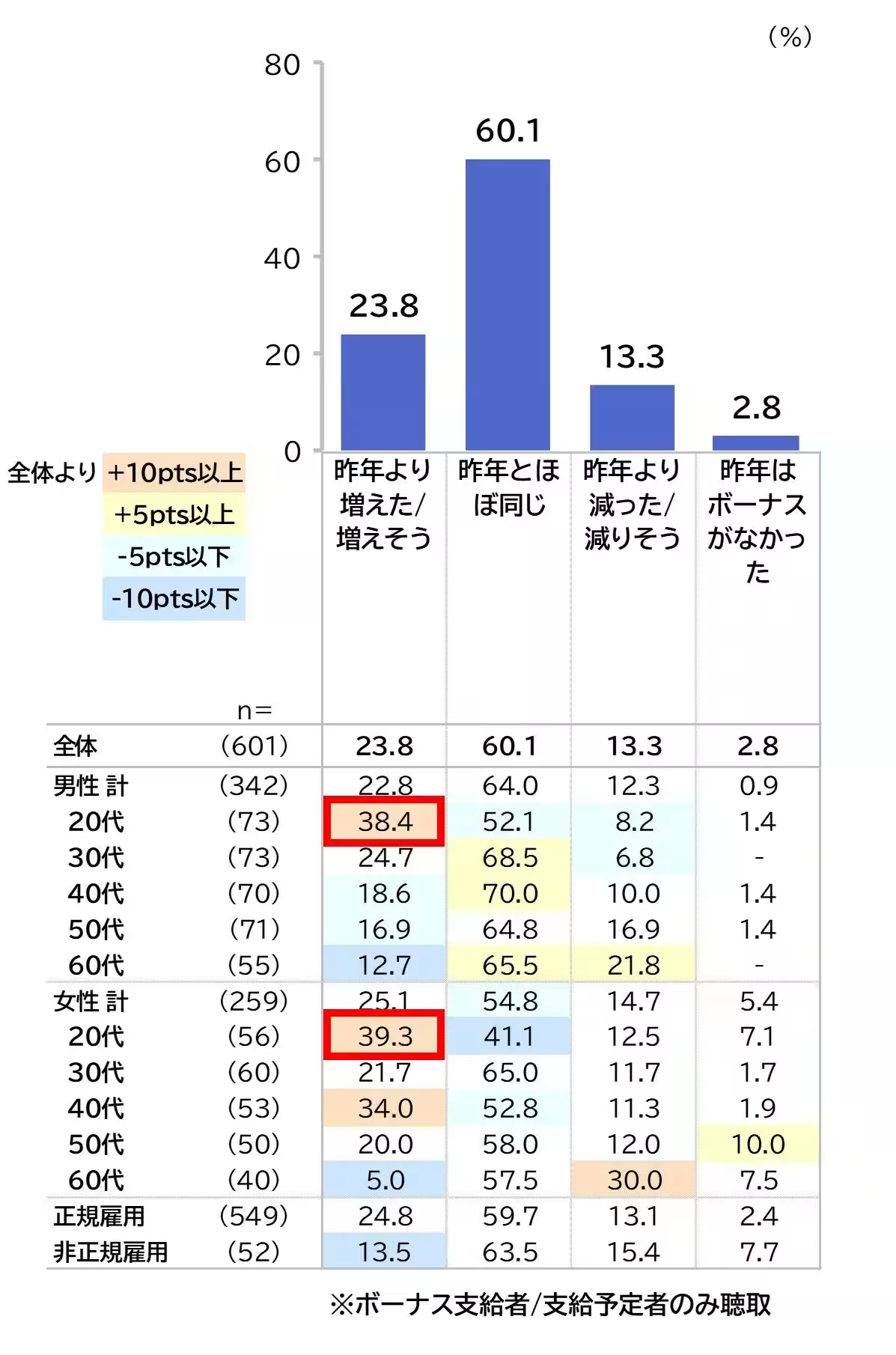
Approximately 65% of respondents reported receiving or expecting to receive a winter bonus, with the average amount set at 480,000 yen. Notably, men in their 30s received the highest bonuses, averaging around 610,000 yen. The data revealed that while over 60% of respondents felt their bonus was similar to last year, there was a 10-point increase in those who received more compared to those who saw a decrease. Overall, this signals a positive trend in bonus distributions compared to the previous year.
2. Satisfaction Levels Vary by Age and Gender
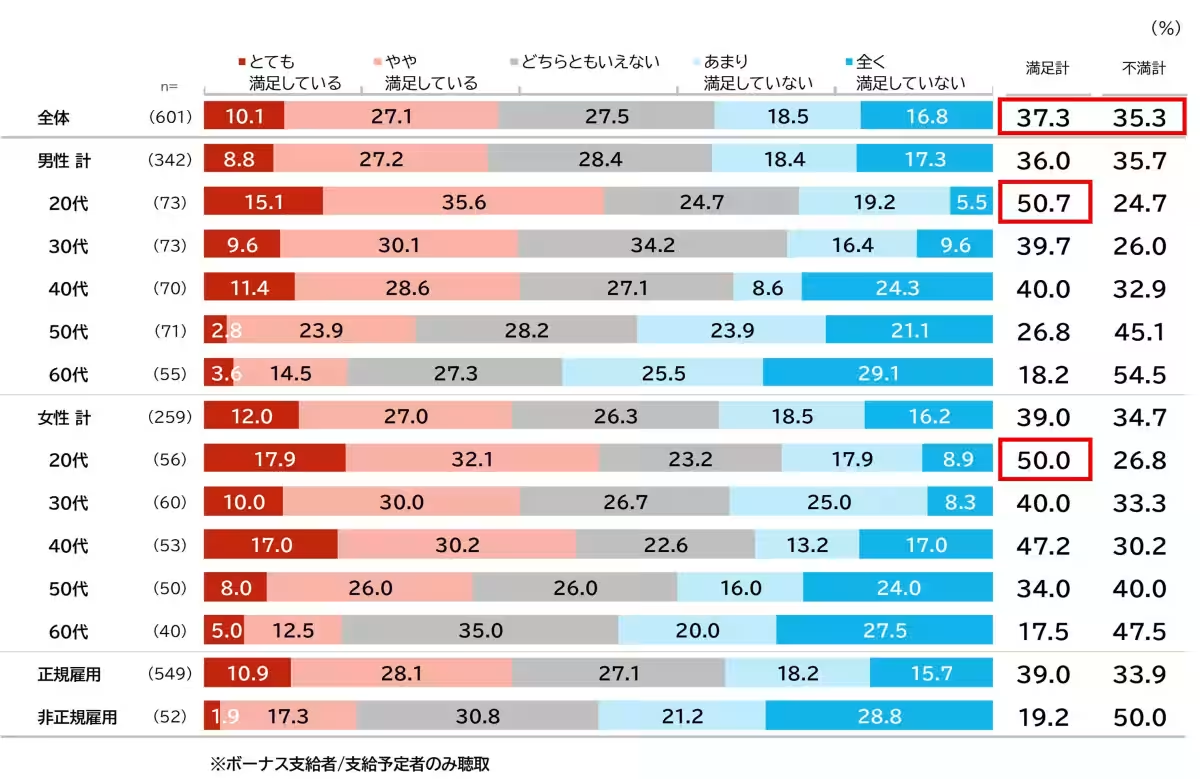
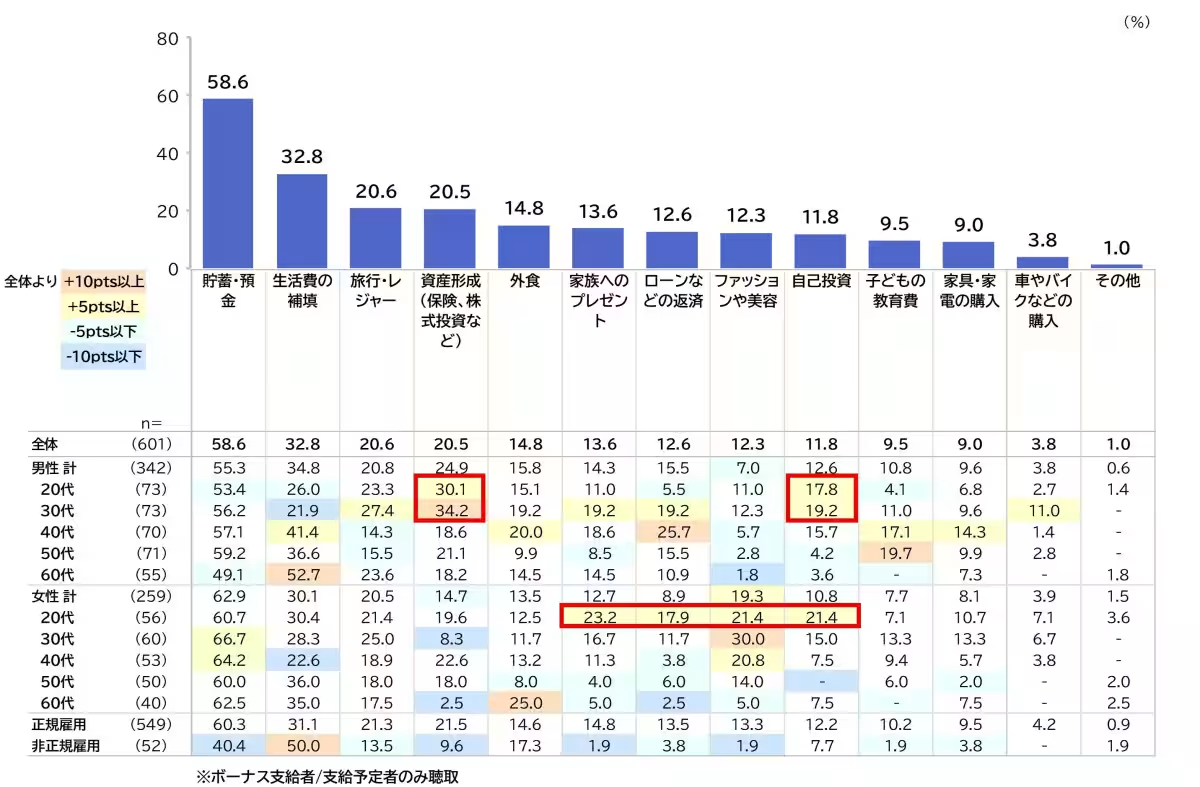
Overall satisfaction with winter bonuses stood at 37.3%. Interestingly, this figure was significantly higher among individuals in their 20s, with satisfaction levels reaching about 50%. Male respondents in their 20s and 30s exhibited a keen interest in investments and personal development, while young women showed a propensity for spending on gifts for family and fashion-related items, demonstrating diverse consumer priorities.
3. Saving is a Priority
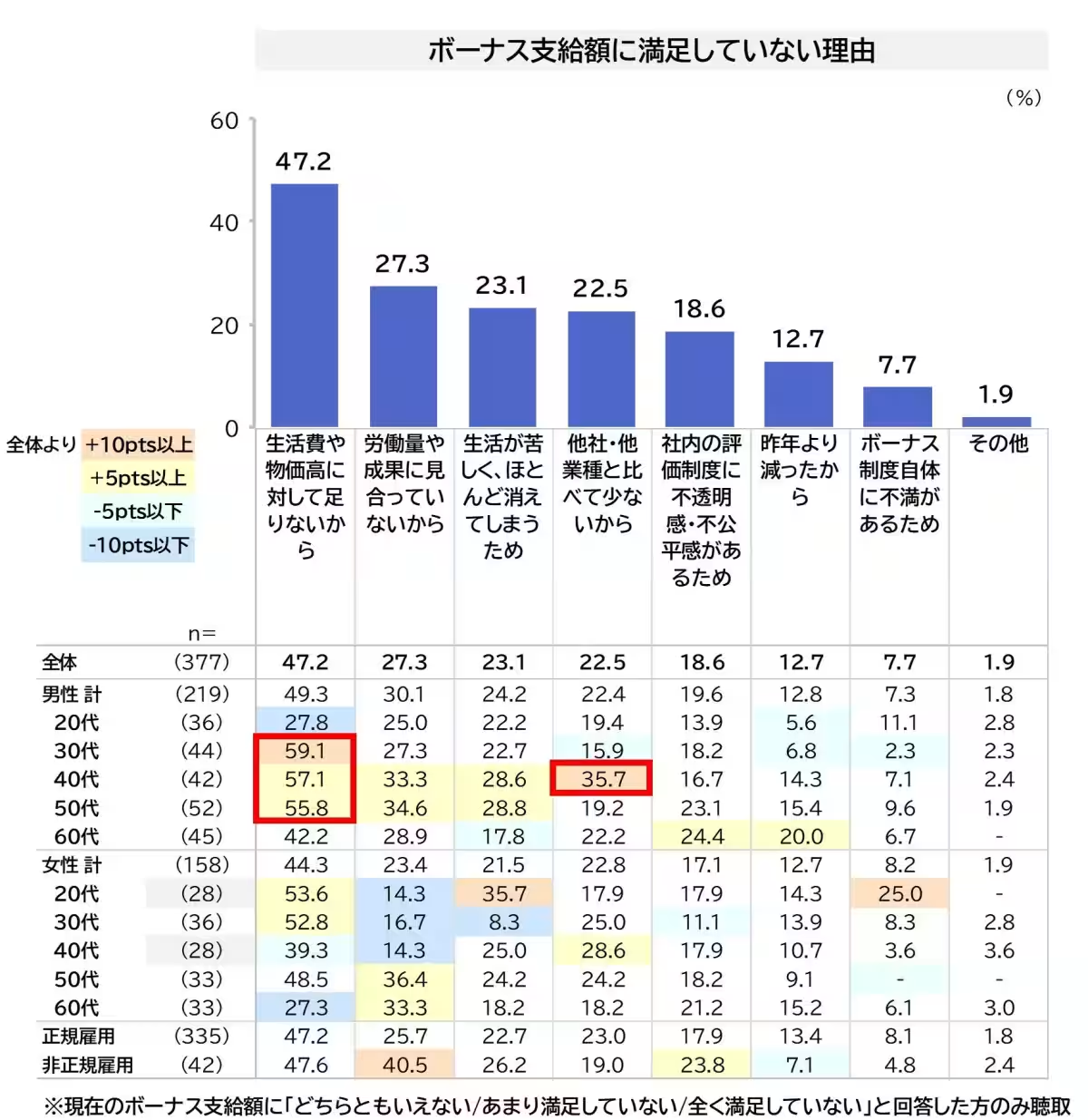
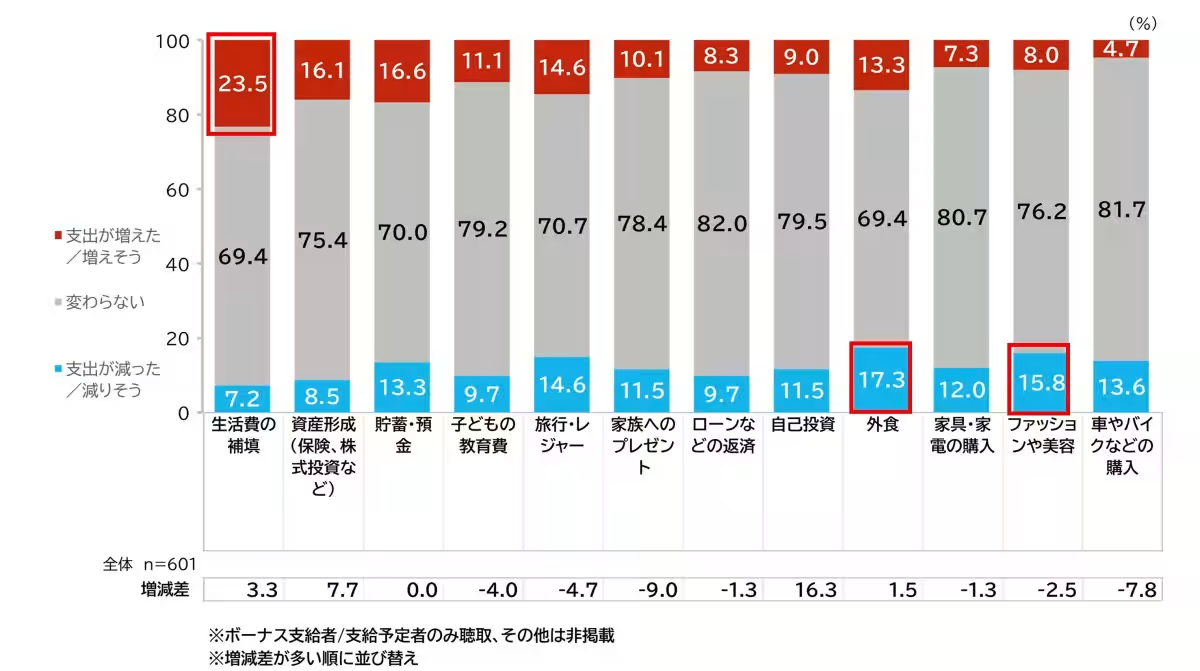
When it comes to using their bonuses, the most common choice among respondents was saving and depositing money, accounting for 58.6% of responses. The survey highlighted a trend of increasing allocations toward living expenses, reflecting an awareness of rising prices, with entertainment spending on dining out and personal grooming seeing a decline. Approximately 47.2% of respondents indicated dissatisfaction with their bonuses due to insufficient amounts to meet living costs, showcasing the direct influence of inflation.
Detailed Insights
- - Bonus Distribution Overview: Among all respondents, 64.8% had either received or were set to receive a bonus this winter, notably higher among males in their 20s to 40s. However, a significant proportion of non-regular employees reported no bonus system in place.
- - Bonus Amounts Analyzed: Averaged at 480,000 yen, the bonuses have seen an upward trajectory compared to last year. Young professionals in their 20s particularly noted an increase above the overall average.
- - Satisfaction Ratings: Satisfaction with bonuses remained relatively static year on year, but younger generations, particularly those in their 20s, expressed significantly higher satisfaction levels.
- - Reasons for Discontent: Nearly half of respondents cited that their bonuses were inadequate in the face of rising living costs. Additionally, comparisons with peers in similar or different fields contributed to feelings of dissatisfaction, especially among men in their 30s.
Conclusion
The recent findings on winter bonuses reflect a cautious yet somewhat optimistic approach towards personal finance in Japan. The increasing amounts might suggest recovery, but the predominant use of these bonuses for savings and essential living expenses underscores a society still grappling with rising inflation. Conversely, younger demographics are balancing saving with investment in their future, showcasing a blend of prudence and aspiration.
As Japan navigates the complexities of an evolving economic landscape, understanding these patterns can aid in predicting future consumer behavior and the broader implications for the market. The survey results highlight not only the current state of financial wellbeing among different age groups but also a shifting attitude towards spending and saving in the face of economic challenges. With further monitoring, we may see how these trends develop in the coming years.

Topics Business Technology)

【About Using Articles】
You can freely use the title and article content by linking to the page where the article is posted.
※ Images cannot be used.
【About Links】
Links are free to use.