


Innovative Use of VR and Metaverse in Nursing Education for Disaster Response and Patient Support
Leveraging VR and Metaverse to Enhance Nursing Education and Patient Support
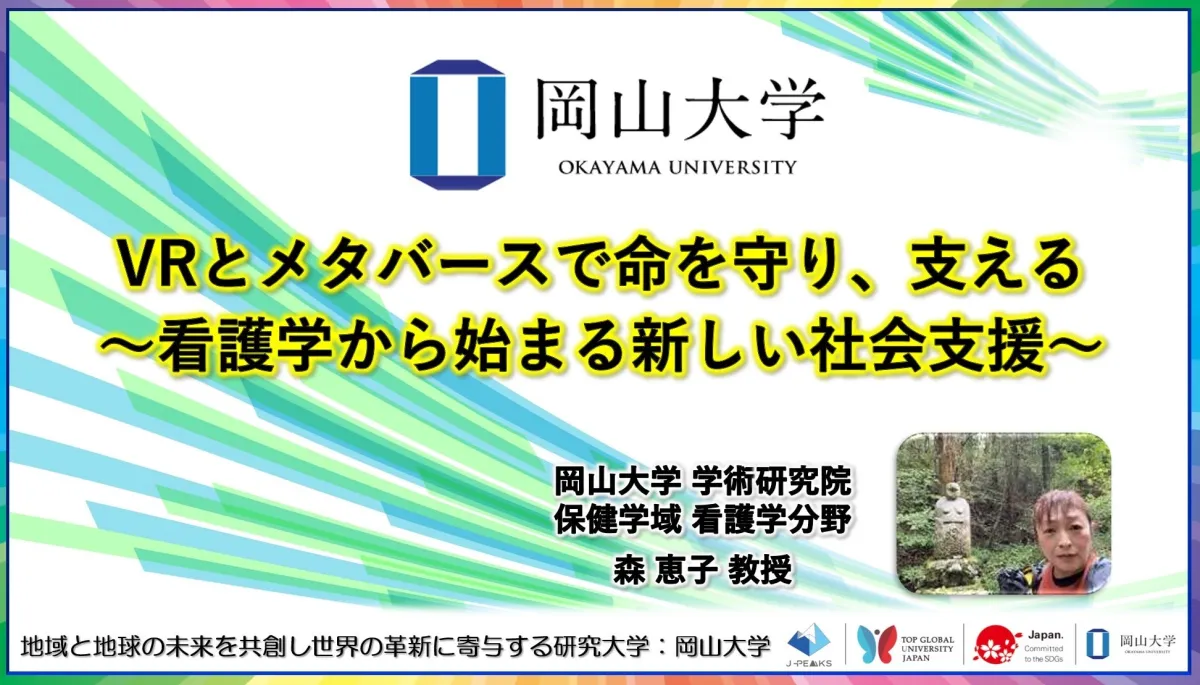
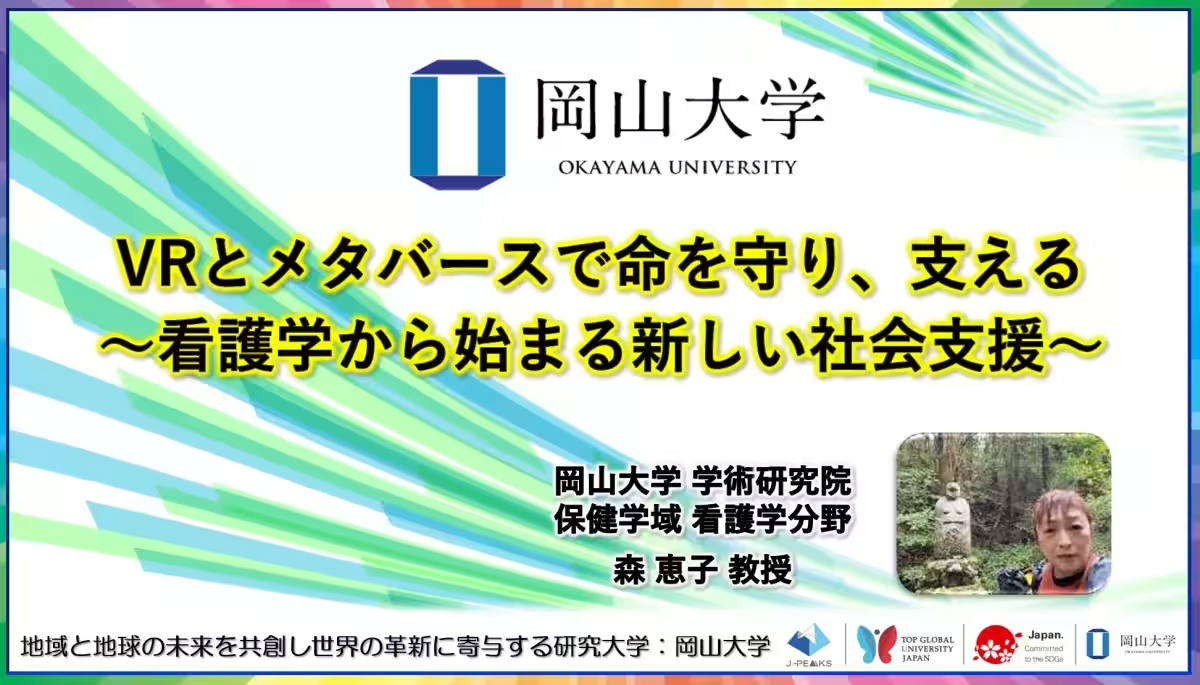
In a groundbreaking initiative, Okayama University is integrating Virtual Reality (VR) and Metaverse technologies into nursing education aimed at improving disaster preparedness and patient support communities. This project, set to roll out in April 2026, is designed to provide immersive learning experiences to nursing students and the general public, preparing them for large-scale disasters through realistic simulations.
Overview of the Program
Okayama University's new program utilizes VR to create environments simulating potential disaster scenarios. Participants are able to engage in these virtual experiences that teach decision-making skills and response strategies crucial for effective disaster management. By recreating high-stakes situations, nursing students and civilians can gain insights into the operational challenges faced during disasters.
In parallel, the Metaverse is being used to construct a supportive community for patients who have undergone esophageal cancer surgery. This digital space will facilitate connections between patients, allowing them to share experiences and resources, fostering a sense of belonging and support during their recovery journeys.
The primary goals of these initiatives are to elevate disaster response capabilities within communities and to enhance the quality of life for cancer survivors. Notably, the program aspires to extend its influence beyond local borders, aiming for national and global implementation based on initial outcomes and feedback.
Professor Keiko Mori's Insights
Professor Keiko Mori, a leading figure in this project, emphasizes the importance of these advancements in her statement. She reflects on her experiences at the East Asian Forum of Nursing Science (EAFONS) held in Singapore, where she witnessed discussions on the future of nursing amid digital transformation. The conference theme, "Innovate, Integrate, Inspire - Advancing Nursing Excellence in the Digital Era," resonated with her, reaffirming the necessity for nursing to adapt and evolve alongside technology.
While in Singapore, Professor Mori also noted substantial national strides toward sustainability. The "Singapore Green Plan 2030" aims to reduce car dependency and expand renewable energy usage, demonstrating a holistic societal shift that aligns technological innovation with environmental consciousness.
Mori's reflections underscore the pressing need to fuse nursing education with modern digital tools, as society increasingly relies on such technologies. She expresses an eagerness to further collaborate with interested parties in research that connects digital innovations with nursing practices.
Research Backing and Future Prospects
The initiative to support esophageal cancer patients through a Metaverse-based community is supported by the Scientific Research Fund, which recognizes its potential to reshape patient care strategies. Specifically, the funding is part of the Basic Research (B) category, with the grant number 23K27887.
The research and development underway at Okayama University could serve as a paradigm for future educational frameworks across various healthcare domains. By changing how nursing students and patients interact and learn, the project holds the potential to redefine care delivery models in an increasingly digital world.
With ongoing developments and partnerships in place, Okayama University is poised to lead the charge in harnessing technology for both educational and healthcare advancements. As these projects unfold, they promise to pave the way for innovative solutions that address pressing societal needs while fostering community engagement and support.
For detailed information, refer to the university's official announcement published on March 27, 2026, which outlines the full scope of their VR and Metaverse initiatives.
Conclusion
As Okayama University embarks on this pioneering journey, it stands at the forefront of a transformative era in healthcare education and patient support. Embracing VR and Metaverse technologies may not only enhance academic training but also fundamentally improve the patient experience, making healthcare more accessible, engaging, and supportive than ever before.





Topics Health)








【About Using Articles】
You can freely use the title and article content by linking to the page where the article is posted.
※ Images cannot be used.
【About Links】
Links are free to use.