



Renxa Implements Training for Male Managers to Promote Women's Empowerment Across the Organization
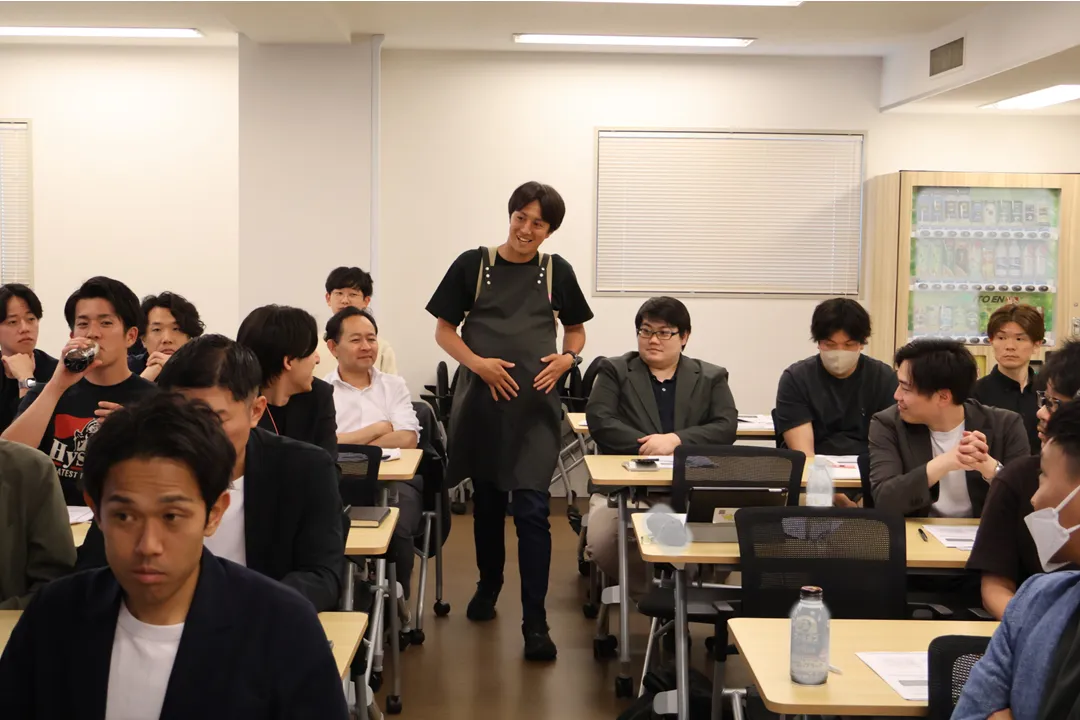
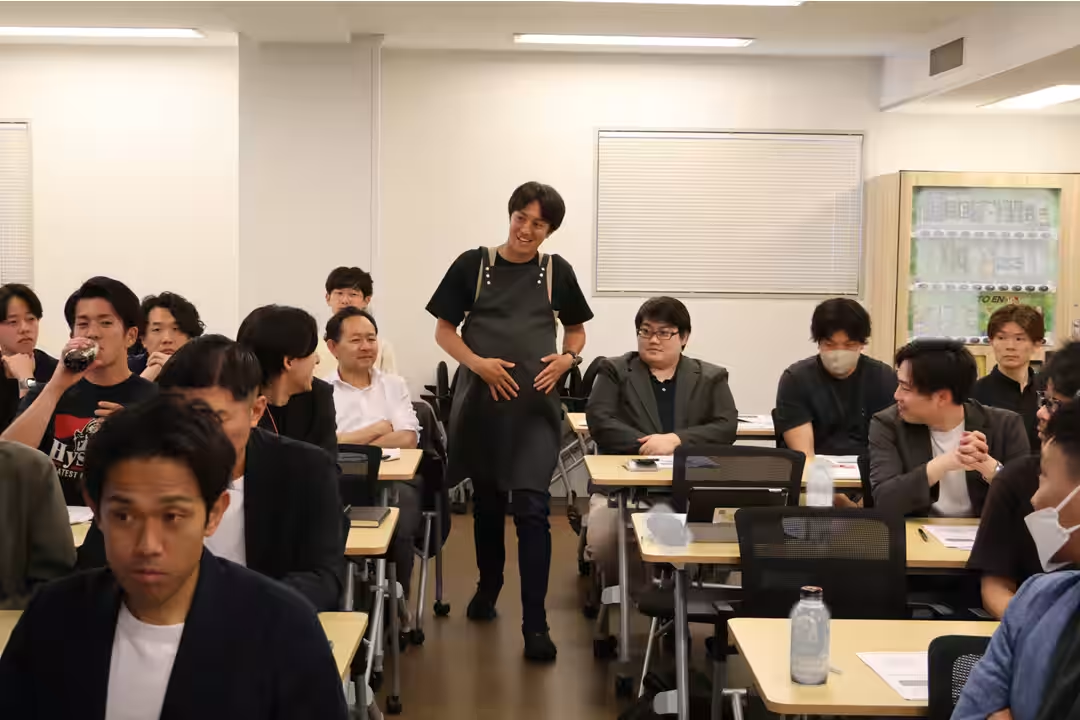
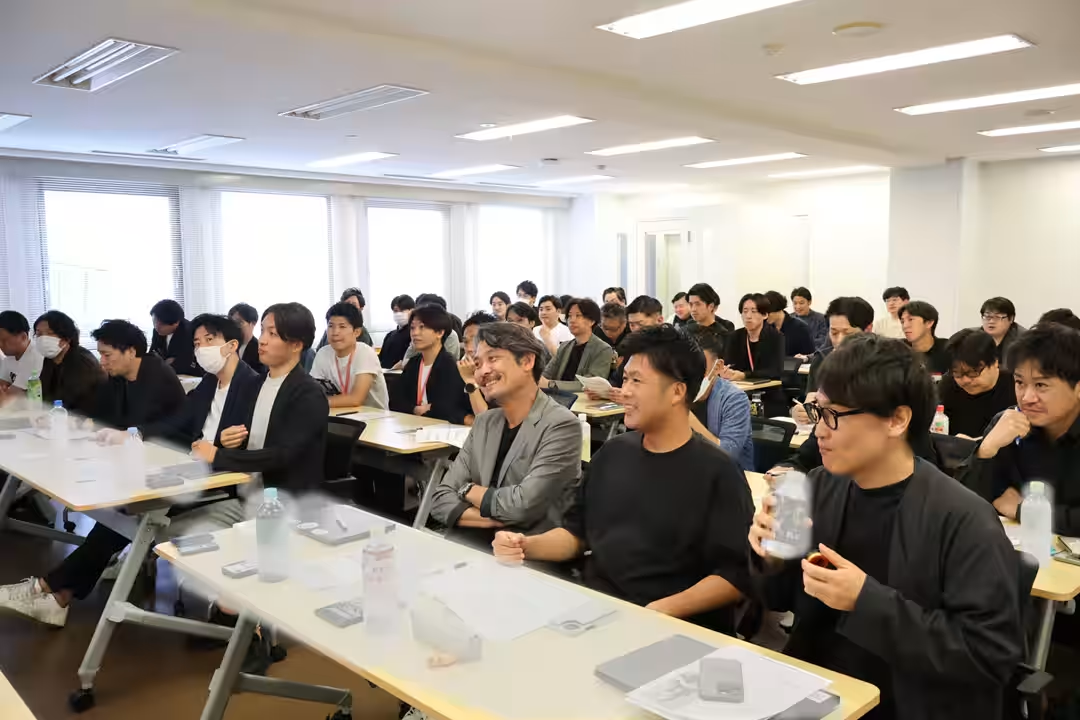
In a move to make women's empowerment a collective goal within the workplace, Renxa Inc., based in Toshima, Tokyo, has recently conducted a training program for male managers. This initiative, aimed at 56 male managerial staff, is titled "Management Training for Changing Relationships with Female Subordinates". Set to explore the challenges women face in the workplace, the training was designed to enhance participants' understanding of these issues and the significance of addressing them on an organizational level.
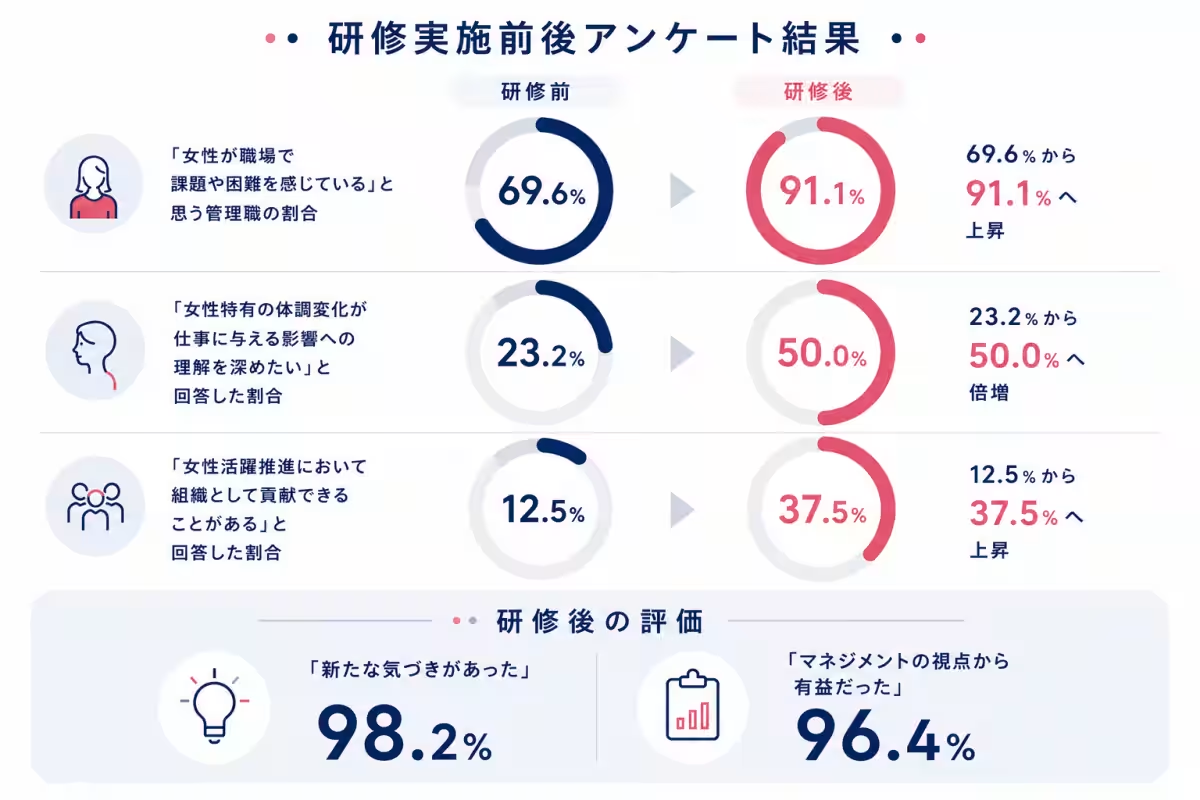
An important component of the training involved pre- and post-surveys reflecting participants’ perceptions. The results showed a significant increase in awareness regarding the challenges faced by women at work. For instance, the percentage of male managers who acknowledged that women experience challenges and obstacles at work rose from 69.6% to 91.1%. Furthermore, 50% of participants expressed a desire to deepen their understanding of how women's unique health challenges impact their work, demonstrating a notable increase from 23.2%. Additionally, awareness that the organization can contribute to women's empowerment rose from 12.5% to 37.5%.
Evaluation of the training was overwhelmingly positive, with 98.2% of attendees noting they gained new insights, and 96.4% found the training beneficial from a management perspective. However, it was also revealed that the perception of creating an environment conducive for taking maternity leave, flexible hours, and menstrual leave had decreased, from 57.1% to 44.6%. This decline is not perceived as a retrogressive step, but rather as an indication that the training helped to clarify the fact that the current environment still presents challenges for women to express their needs freely.
The comments provided by 96.4% of participants during open-ended questions highlighted specific insights and changes in mindset. They expressed sentiments such as:
The impetus behind this training is an acknowledgment that while Renxa has made strides with its policies for women’s empowerment, there remains a gap in understanding among male managers. Previously, the company had hosted numerous events and workshops aimed at female employees to collect their input and ideas. Over the years, initiatives for policies such as maternity leave, shortened working hours, and childcare assistance have been put in place. As a result, the percentage of female managers at Renxa now stands at 18.2%, leading the national average of 11.1%. However, feedback from these programs indicated persistent concerns regarding insufficient understanding and support for women’s health issues, difficulties in balancing work and family life, and the accessibility of these policies.
Data has shown that economic losses due to women’s health issues are significant, estimated to cost the economy around 3.4 trillion yen annually. This situation, which directly affects organizational productivity, has prompted Renxa to expand its focus from just female employees to include the male management layer, fostering their understanding and behavior changes.
Looking ahead, as of April 2026, the revised Women’s Empowerment Promotion Act will require companies with more than 101 employees to disclose data on the percentage of women in management roles and gender pay gaps. The regulations also encourage the inclusion of women’s health considerations in action plans, further emphasizing the need for transparency and attentiveness to health issues. Renxa recognizes that to create an inclusive workplace, the understanding and actions of individual managers are crucial.
Ultimately, Renxa aspires to connect the insights gathered from training with ongoing improvements in organizational culture. Plans are in motion to create more user-friendly frameworks for reporting health needs, establish confidential support channels with same-gender management, and promote comprehensive awareness throughout the company. All of these efforts are aimed at making women's empowerment a continuous endeavor rather than a temporary initiative, nurturing a work environment where everyone can thrive.
An important component of the training involved pre- and post-surveys reflecting participants’ perceptions. The results showed a significant increase in awareness regarding the challenges faced by women at work. For instance, the percentage of male managers who acknowledged that women experience challenges and obstacles at work rose from 69.6% to 91.1%. Furthermore, 50% of participants expressed a desire to deepen their understanding of how women's unique health challenges impact their work, demonstrating a notable increase from 23.2%. Additionally, awareness that the organization can contribute to women's empowerment rose from 12.5% to 37.5%.
Evaluation of the training was overwhelmingly positive, with 98.2% of attendees noting they gained new insights, and 96.4% found the training beneficial from a management perspective. However, it was also revealed that the perception of creating an environment conducive for taking maternity leave, flexible hours, and menstrual leave had decreased, from 57.1% to 44.6%. This decline is not perceived as a retrogressive step, but rather as an indication that the training helped to clarify the fact that the current environment still presents challenges for women to express their needs freely.
The comments provided by 96.4% of participants during open-ended questions highlighted specific insights and changes in mindset. They expressed sentiments such as:
- - "After experiencing the practical exercises, I realized that continuing to work under these conditions is considerably tougher than I imagined."
- - "I want to engage with women without preconceived notions based solely on visible indicators of their well-being."
- - "We aim to reduce hurdles in reporting sickness by standardizing the reason as 'health issues'."
- - "We want to establish regular consultation opportunities with female leaders, creating a welcoming approach for discussions."
- - "We wish to streamline processes for attendance reporting and discussions in case of difficulty in verbalizing these matters."
The impetus behind this training is an acknowledgment that while Renxa has made strides with its policies for women’s empowerment, there remains a gap in understanding among male managers. Previously, the company had hosted numerous events and workshops aimed at female employees to collect their input and ideas. Over the years, initiatives for policies such as maternity leave, shortened working hours, and childcare assistance have been put in place. As a result, the percentage of female managers at Renxa now stands at 18.2%, leading the national average of 11.1%. However, feedback from these programs indicated persistent concerns regarding insufficient understanding and support for women’s health issues, difficulties in balancing work and family life, and the accessibility of these policies.
Data has shown that economic losses due to women’s health issues are significant, estimated to cost the economy around 3.4 trillion yen annually. This situation, which directly affects organizational productivity, has prompted Renxa to expand its focus from just female employees to include the male management layer, fostering their understanding and behavior changes.
Looking ahead, as of April 2026, the revised Women’s Empowerment Promotion Act will require companies with more than 101 employees to disclose data on the percentage of women in management roles and gender pay gaps. The regulations also encourage the inclusion of women’s health considerations in action plans, further emphasizing the need for transparency and attentiveness to health issues. Renxa recognizes that to create an inclusive workplace, the understanding and actions of individual managers are crucial.
Ultimately, Renxa aspires to connect the insights gathered from training with ongoing improvements in organizational culture. Plans are in motion to create more user-friendly frameworks for reporting health needs, establish confidential support channels with same-gender management, and promote comprehensive awareness throughout the company. All of these efforts are aimed at making women's empowerment a continuous endeavor rather than a temporary initiative, nurturing a work environment where everyone can thrive.
Topics People & Culture)
【About Using Articles】
You can freely use the title and article content by linking to the page where the article is posted.
※ Images cannot be used.
【About Links】
Links are free to use.