



Innovative Demand Response Control with Home Battery System in Tokyo!
Innovative Demand Response Control with Home Battery System in Tokyo!
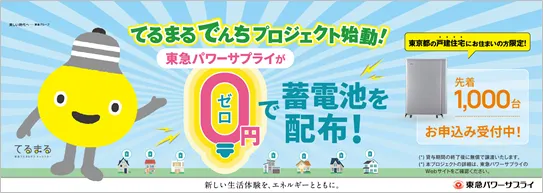
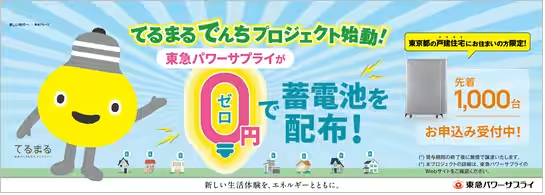
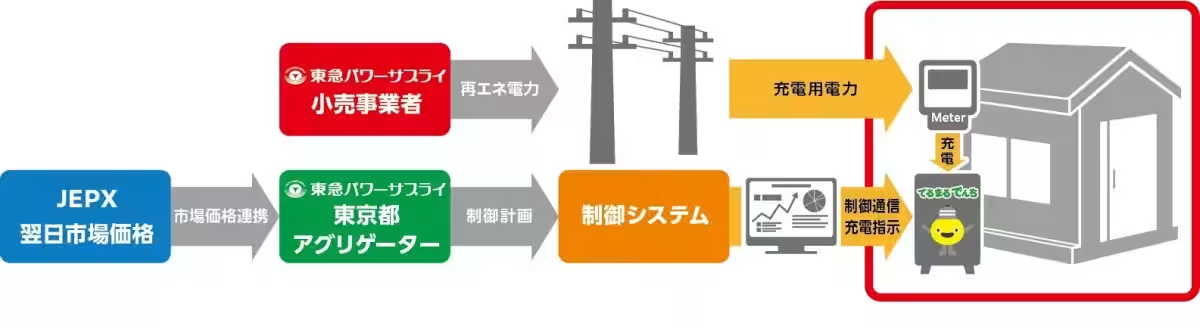
In a pioneering move, Tokyu Power Supply, based in Setagaya, Tokyo, is leading a significant shift towards environmentally friendly and smart living. Through their "Terumaru Battery Project", they have implemented a groundbreaking demand response (DR) system in coordination with Tokyo Electric Power Grid (TEPCO PG). This initiative marks the first instance of renewable energy output control in the metropolitan region, successfully utilizing a network of 131 home batteries.
The primary aim of the Terumaru project is to enhance the adoption of home battery systems as part of the Tokyo metropolitan government’s initiatives to promote renewable energy utilization. In a series of operations from March 1st to March 8th, 2023, Tokyu Power Supply remotely managed these batteries to optimize energy consumption during peak demand periods, effectively illustrating the real-life benefits of smart energy management.
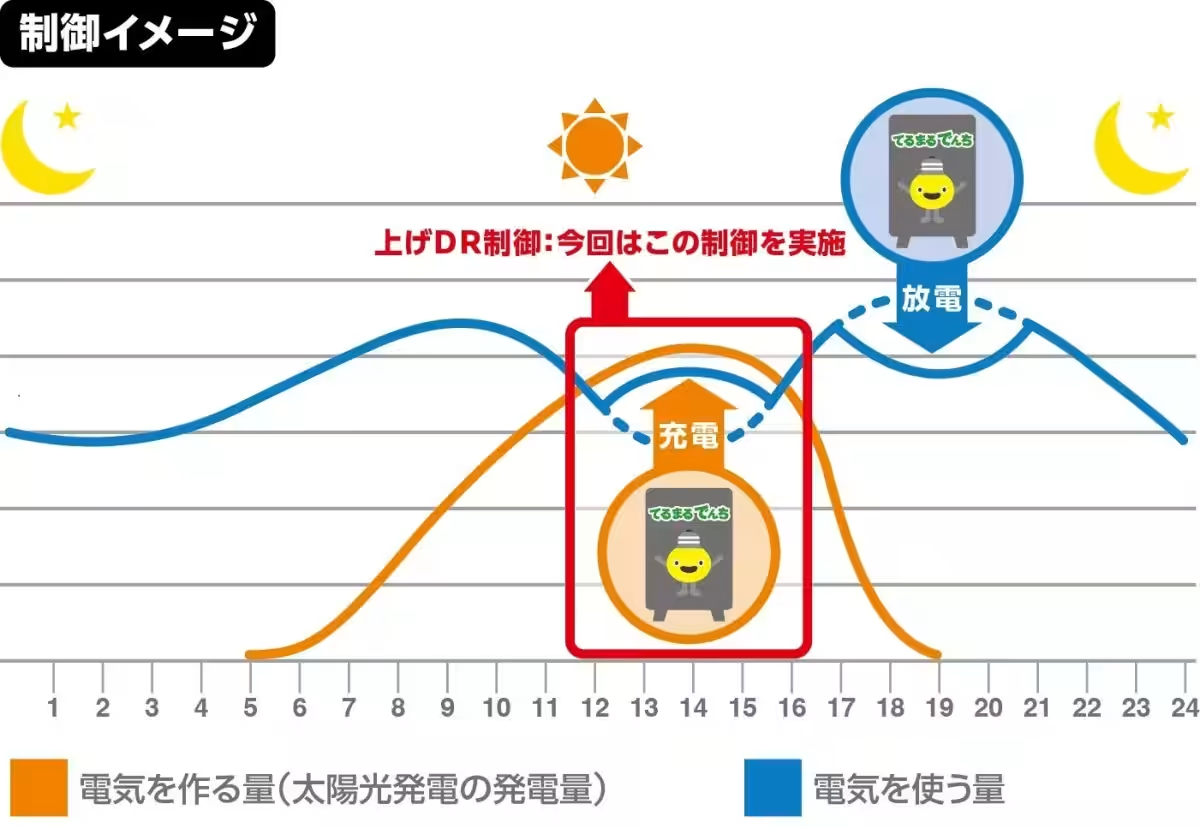
During the operation, a maximum charging power of 422 kW was recorded, accumulating a total charging energy of 2,107.5 kWh, equating to approximately 0.2 units of system batteries. More impressively, the controlled charging and effective energy use resulted in a significant reduction of electricity costs for participating households, amounting to approximately ¥17,674 over three days.
The project aligns with the Tokyo's initiative to stabilize urban power needs and promote battery system social implementation. Under a unique 'Life Fit Plan' pricing strategy, the households with Terumaru batteries are automatically charged during off-peak times and discharged during peak hours without requiring any action from the homeowners. This not only enhances the financial benefits by minimizing their electricity bills but also supports the greater goal of balancing energy supply and demand in Tokyo.
In the face of increasing reliance on renewable energy, such as solar and wind, the challenge of surplus energy becoming prevalent is critical. Tokyo Power Supply’s Terumaru battery initiative not only addresses the need to manage energy distribution effectively but also helps foster a more resilient energy infrastructure. As larger batteries become integrated into this system, the potential to conduct extensive DR management promises a sustainable energy future.
Looking ahead, Tokyu Power Supply plans to expand the utilization of the Terumaru battery project by increasing the number of connected batteries and refining their control knowledge to maximize both customer benefits and energy efficiency. By collaborating with local government and various organizations, they aim to further embed home battery systems into the fabric of urban energy solutions, contributing towards a more sustainable and carbon-neutral society.
Indeed, this project could serve as a model for cities worldwide looking to balance energy demands with renewable resources. Tokyu Power Supply's proactive approach in driving such initiatives not only reflects their commitment to environmental sustainability but also addresses the essential need for affordable, stable energy in modern urban life. As the project continues to grow, it embodies both economic and ecological benefits, laying the groundwork for the future of smart energy management today.
Conclusion
The Terumaru Battery initiative positions Tokyu Power Supply as a pioneer within Japan's energy landscape, demonstrating the practical application of demand response systems and home battery technologies to optimize energy consumption. This innovative project not only contributes toward reduced household expenses but also promotes effective renewable energy management crucial for a sustainable future. As more households join this initiative, the ripple effect on Tokyo’s energy infrastructure could set a precedent for other metropolitan areas globally, exemplifying a successful model of integrating renewable energy into urban environments.
Topics Consumer Technology)
【About Using Articles】
You can freely use the title and article content by linking to the page where the article is posted.
※ Images cannot be used.
【About Links】
Links are free to use.