




2026 LIFULL HOME'S City Ranking Reveals Most Desired Areas to Live
Introduction
The real estate and housing information service, LIFULL HOME'S, based in Chiyoda, Tokyo, has released its highly anticipated ranking of the most desired cities to live in for 2026. Unlike typical surveys, this ranking is derived from an analysis of user inquiries about listings published on LIFULL HOME'S, providing a more genuine reflection of where people are seriously looking to live.
Highlights of the Ranking
Renters' Side
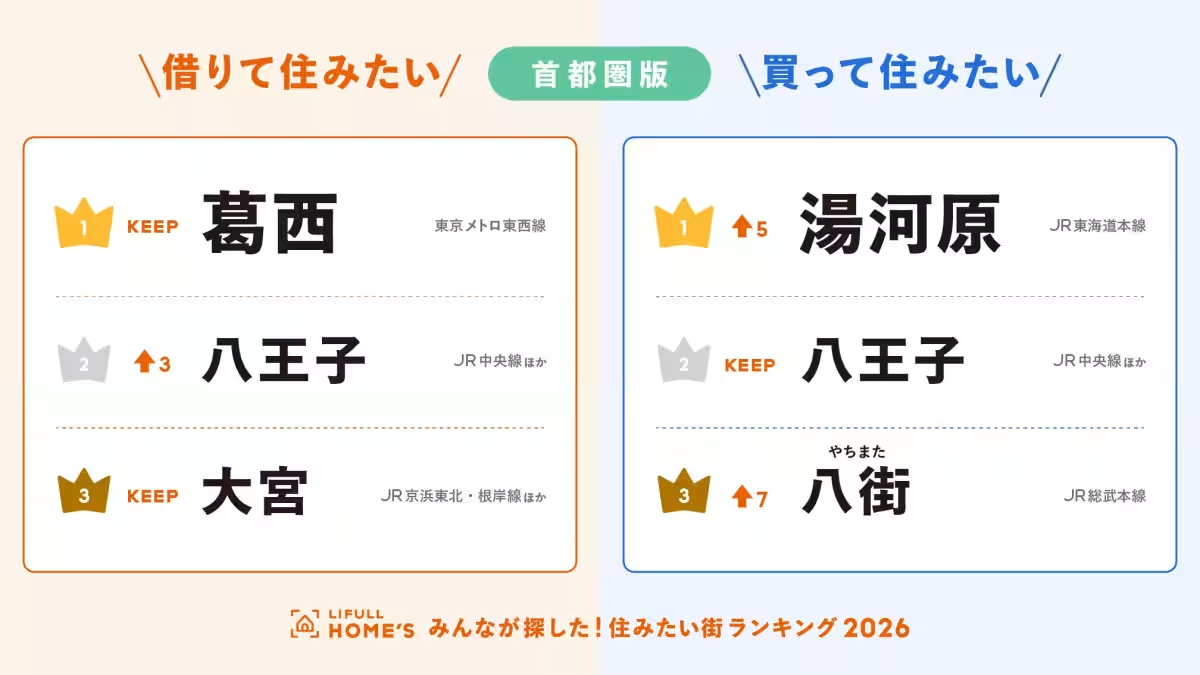
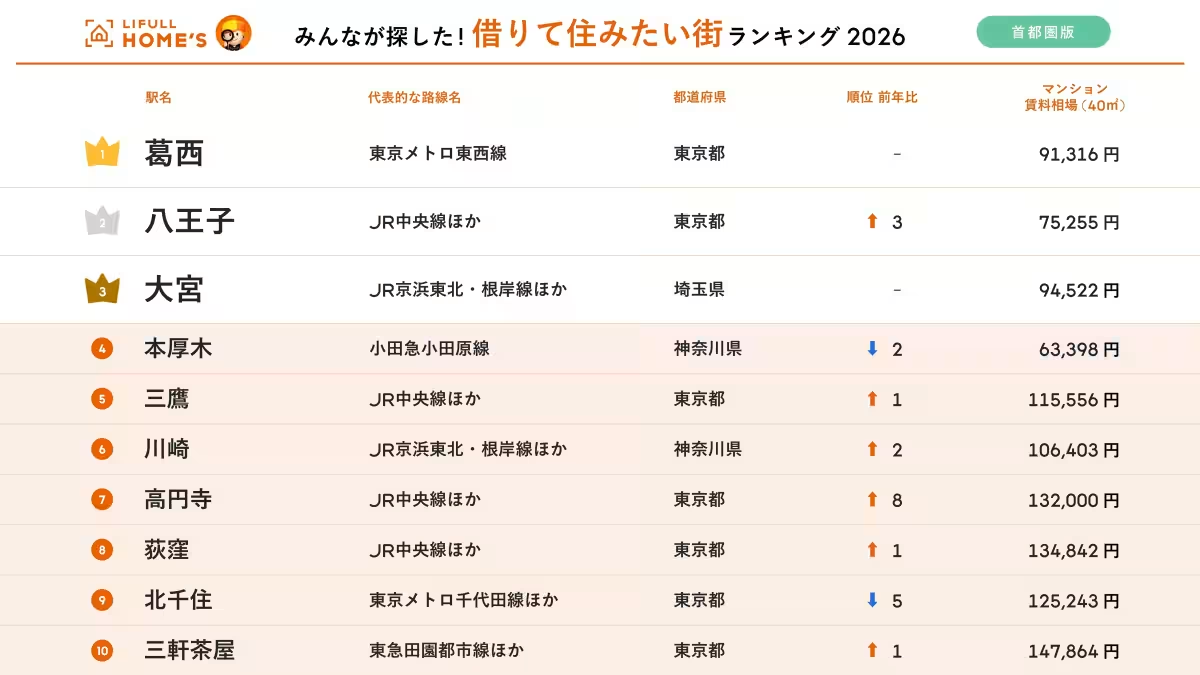
For those looking to rent, the ranking indicates a clear split between those prioritizing transport and living convenience and those focusing on rental prices. For the second consecutive year, "Kasai" topped the list, supported by its excellent access to the city center along with affordable rent and a wide variety of rental properties available.
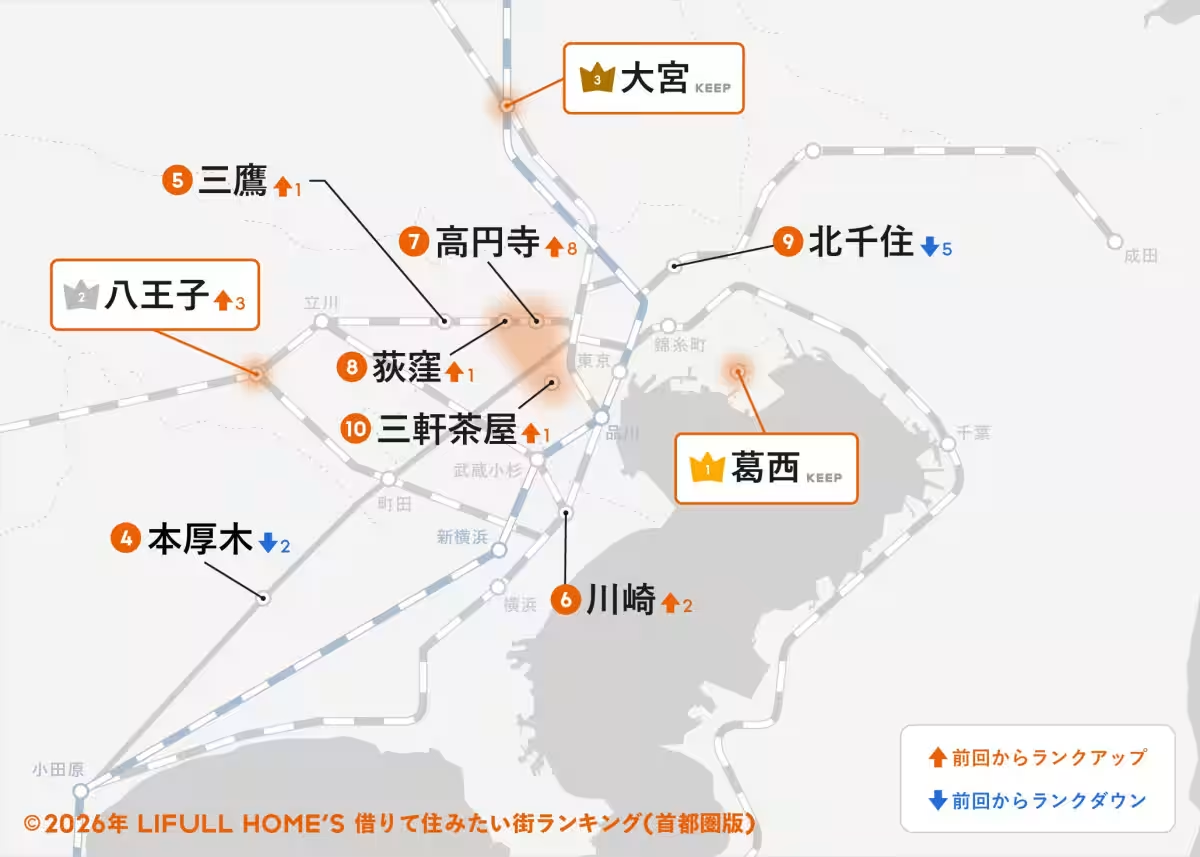
Historically, suburban areas such as "Hachioji," "Omiya," and "Hon-Atsugi" have consistently featured in the top tier, thanks to their transport accessibility and expansive urban areas around the stations. In contrast, "Mitaka," "Kawasaki," and others have risen as popular suburban choices, especially as urban rent continues to soar.
Buyers' Perspective
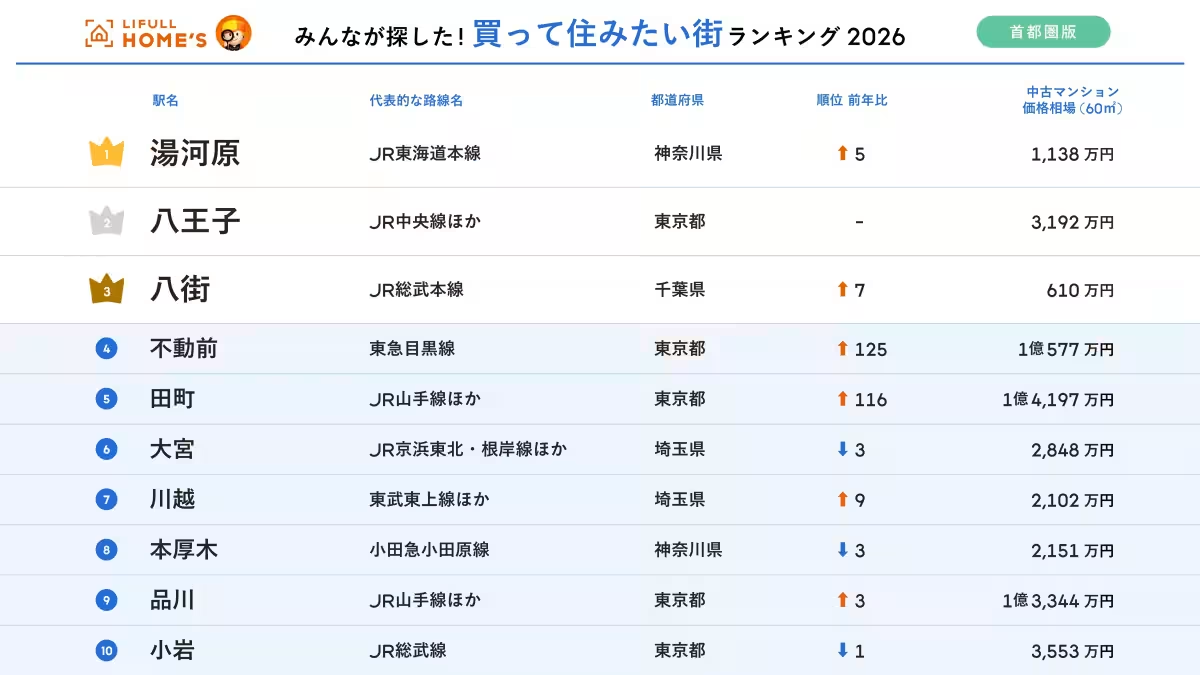
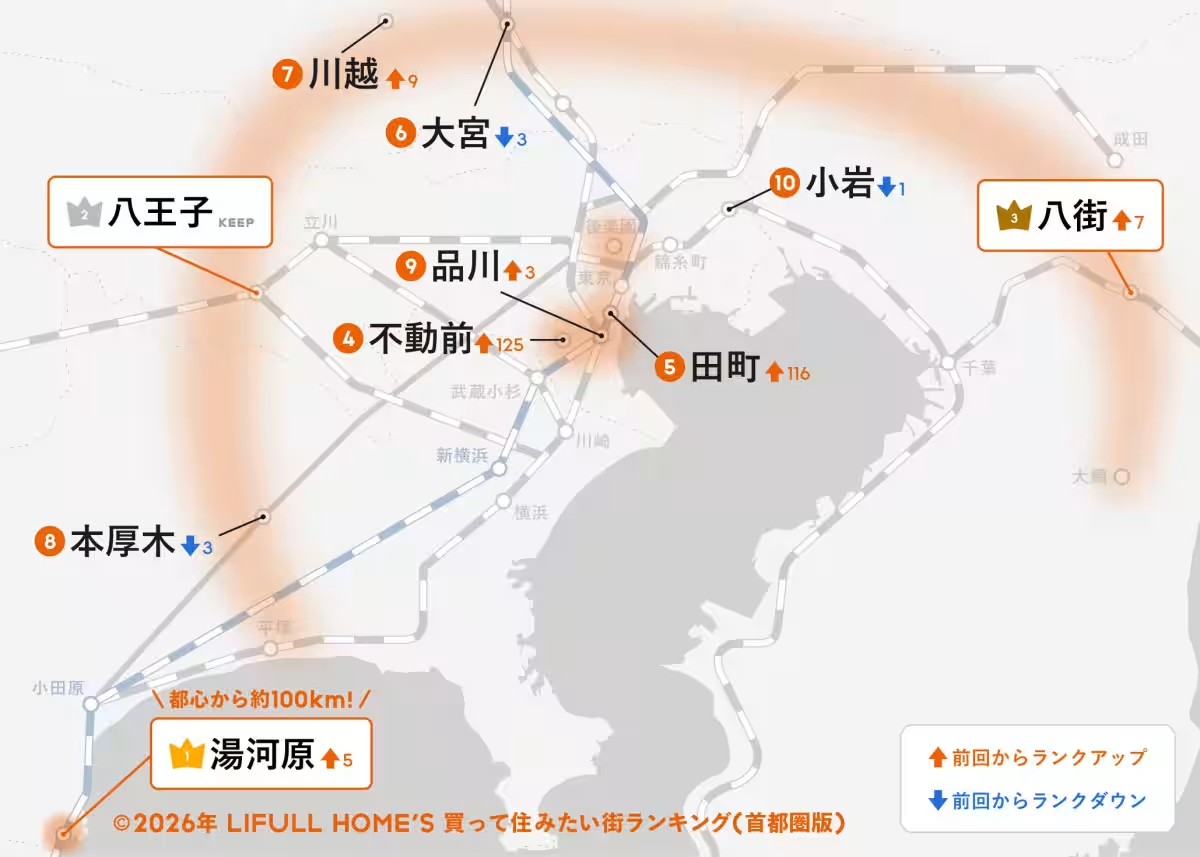
On the buyers' side, the hot spring town "Yugawara" in Kanagawa Prefecture saw a remarkable ascent to the top of the list for the first time. This year marked the first instance where all top three neighborhoods were located in the suburbs, following a significant increase in property prices. The shift in user interest toward suburbs indicates a growing trend for buyers seeking comfortable living environments outside the city.
Gradual Return to the City
A closer look at the rankings reveals that despite the suburban interests, several stations within Tokyo have made a notable return, reflecting a post-pandemic trend of moving back to city living. The ranking for inquiries showcases that Tokyo metropolitan stations remain popular among younger renters, suggesting a significant urban revival.
Rising Stars in Renting
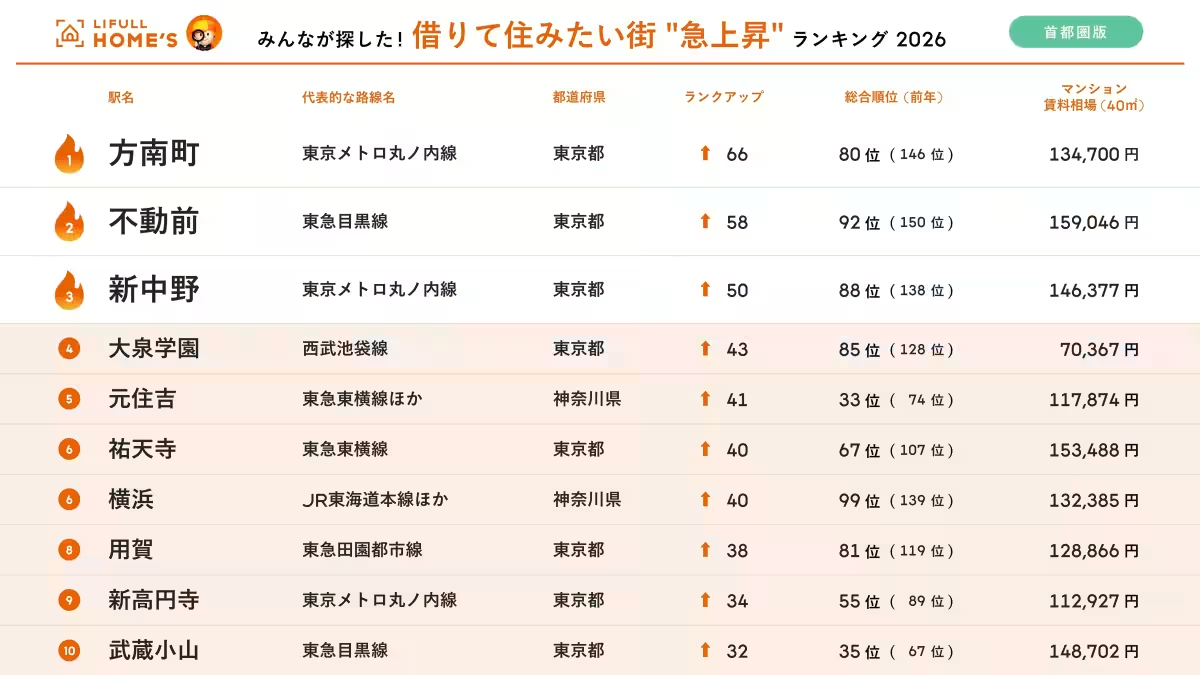
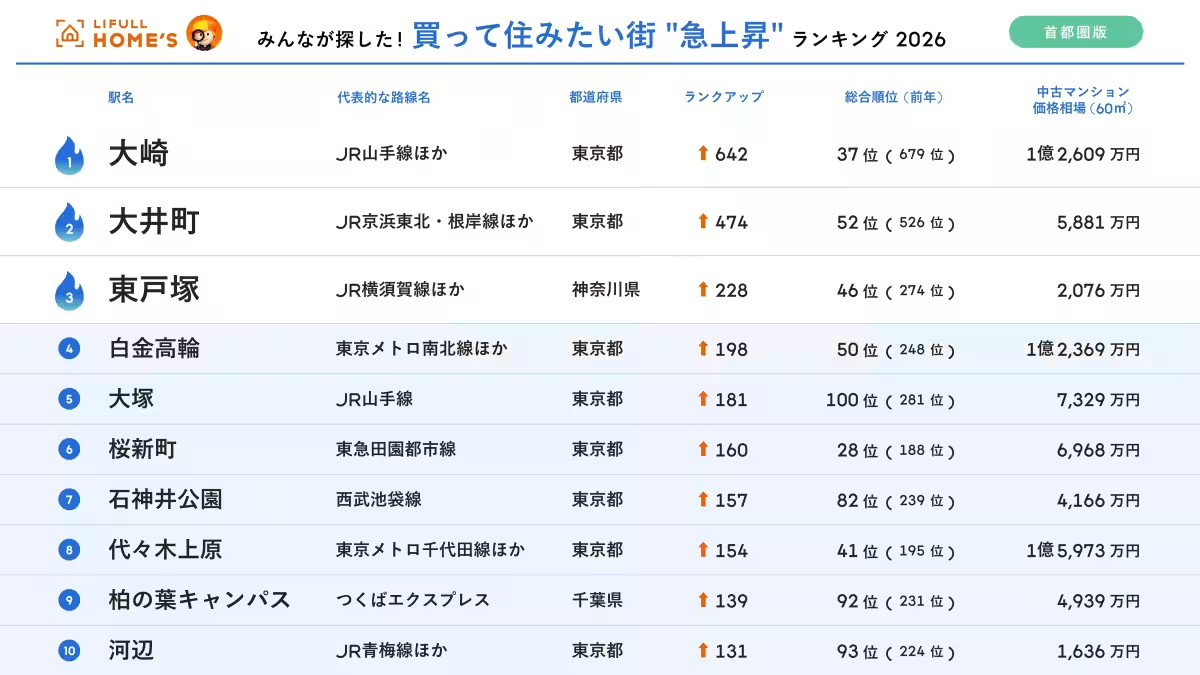
In the "Rapid Rise Ranking" category, "Hōnanchō" jumped a remarkable 66 spots to make it into the top 100 for the first time. It is indicative of a shift towards neighborhoods with better cost-to-access ratios without compromising on convenience. Meanwhile, real estate hotspots continue to attract attention with ongoing large-scale redevelopment projects like "Osaki," which improved its ranking due to significant construction activity.
Conclusion
The 2026 LIFULL HOME'S rankings signal exciting trends in the real estate market, with renewed interest in suburban living juxtaposed against a gradual rebirth of urban areas. As property prices fluctuate in response to demand, these rankings offer valuable insights for both renters and buyers looking to navigate the evolving landscape of Tokyo's real estate market.
Insight from LIFULL HOME'S Research Team
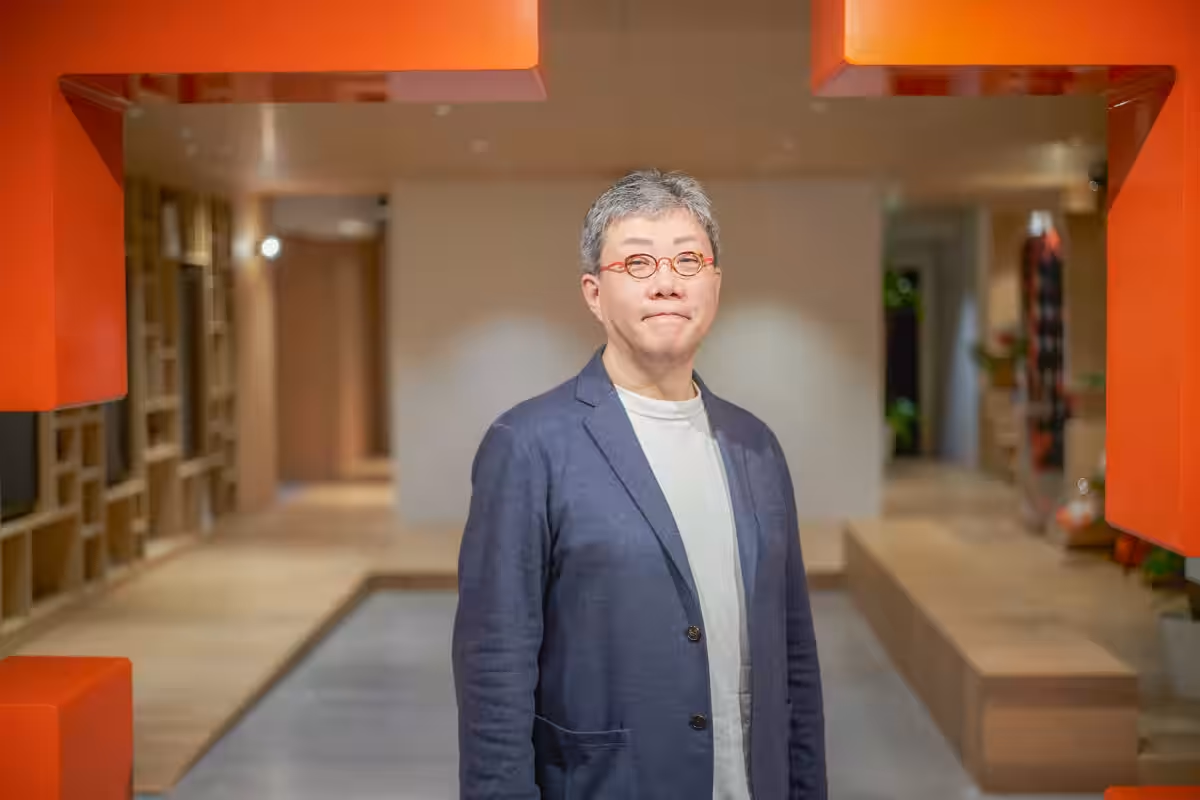
According to the Chief Analyst of LIFULL HOME'S, Toshio Nakayama, the ongoing changes in user preferences demonstrate how evolving societal conditions influence living choices. The increase in inquiries for suburban homes marks a shift in aspiration for many looking for balance between lifestyle quality and cost efficiency.
The Future of Housing in Japan
The data emphasizes the importance of understanding user needs in the housing market. With the growing trend of younger generations moving in search of more affordable living arrangements, there is an immense opportunity for property developers and agents to enhance offerings in both urban and suburban settings. Monitoring these trends will be crucial for adapting to the future of housing in Japan.

Topics Consumer Products & Retail)
【About Using Articles】
You can freely use the title and article content by linking to the page where the article is posted.
※ Images cannot be used.
【About Links】
Links are free to use.