



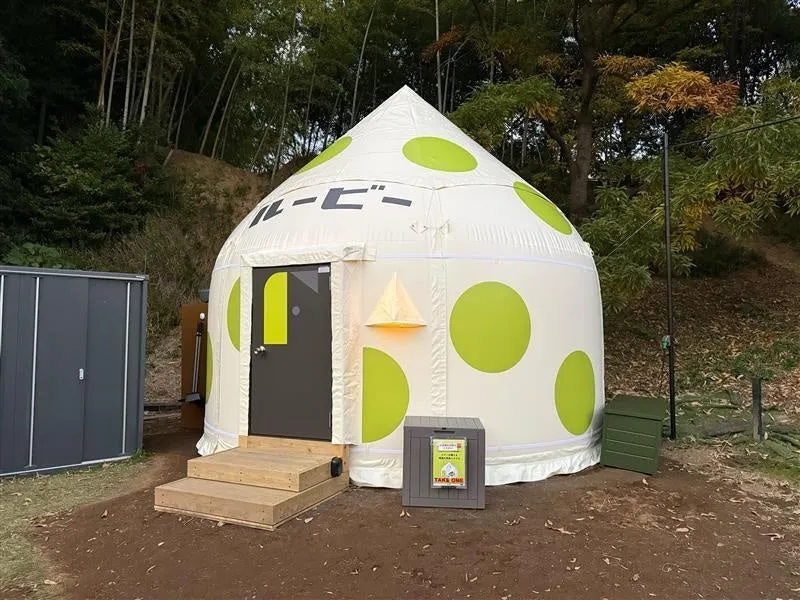
New Roller Model Instant House Developed by TOKYU and LIFULL ArchiTech for Disaster Resilience
Introduction to the New Roller Model
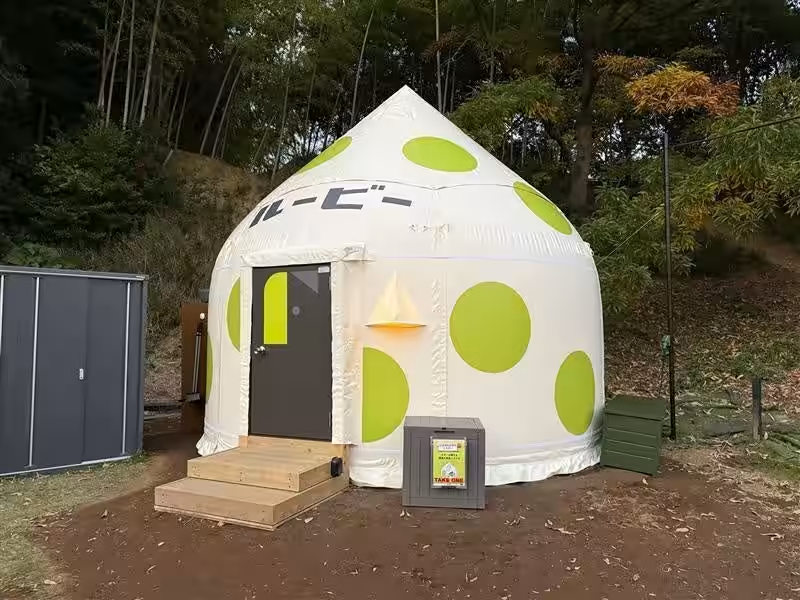
In a remarkable collaboration, TOKYU Corporation and LIFULL ArchiTech have developed a new model of the instant house, dubbed the "Roller." This innovative solution is designed not only for recreational use but also as a crucial resource during disasters. The Roller is equipped with wheels, allowing for easy installation and relocation, which significantly enhances its utility compared to traditional models.
The Concept of "Rubby"
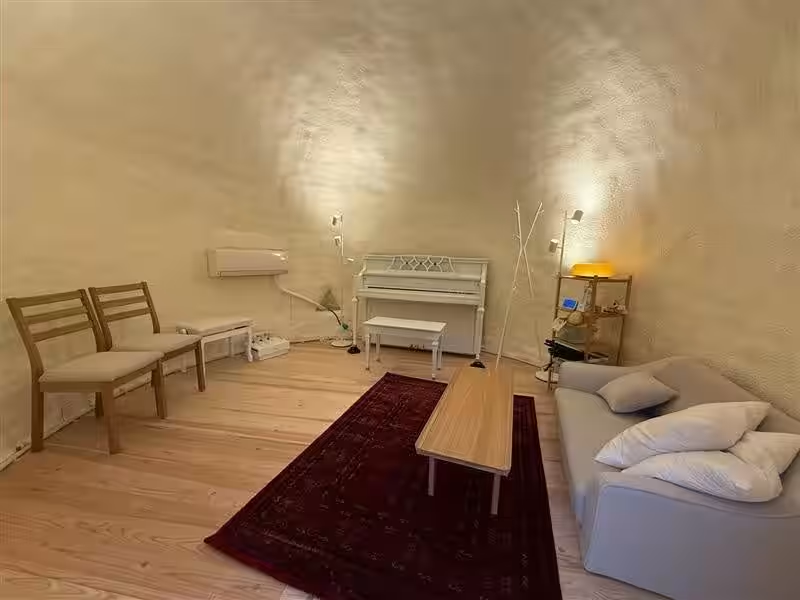
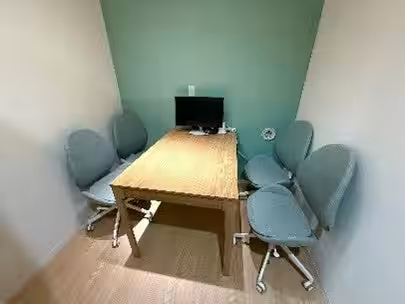
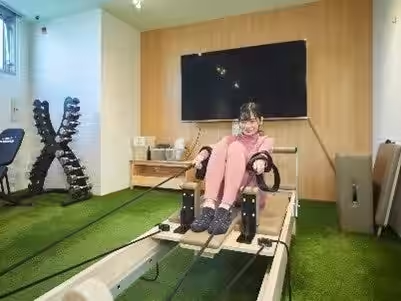
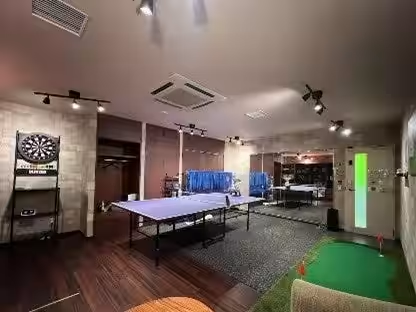
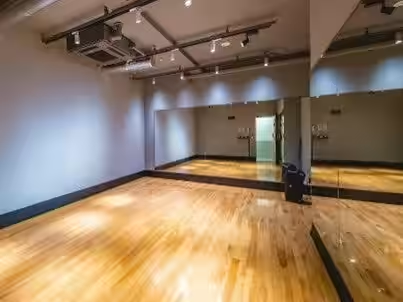
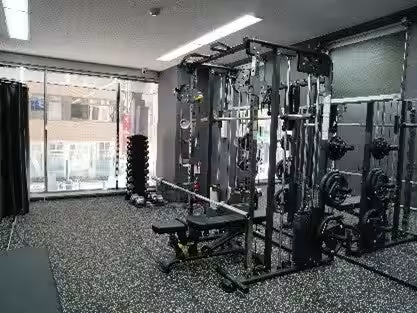
Under the umbrella of this joint venture, TOKYU launched a specialized room-sharing service called "Rubby," designed to cater to hobbyists. The term "Rubby" combines "room" and "hobby," providing users with the flexibility to book spaces via a smartphone. This system allows for on-demand payments, making it accessible for anyone to enjoy hobby spaces without interruptions.
The next step for Rubby is expanding its offerings, with plans to open a new location called "Rubby Fudomae" in January 2024. This venue will utilize an instant house model that can be disassembled and relocated without heavy machinery, promoting new uses for unutilized urban spaces.
Features of the Roller Model
The Roller model is a testament to the advancing technology in instant housing solutions. Designed to accommodate a variety of terrains, the Roller features adjustable height capabilities and a collapsible base structure. This new design allows easier and more flexible installations, even on inclined or uneven ground, greatly addressing the challenges typically associated with deploying temporary shelters during crises.
With the focus on providing immediate and effective solutions in both urban and disaster-stricken areas, the Roller model offers a feasible way to create effective emergency response facilities.
The debut of the Roller model will take place at the "nexus Challenge Park Hayano," where the Rubby Azamino Nexus outlet will open on November 25, 2025.
Future Developments
LIFULL ArchiTech is dedicated to leveraging architectural technology to solve pressing social challenges. Their mission is to create spaces that serve dual functions, offering utility in daily life while also standing ready to act as disaster response centers. This approach embodies the concept of "phase-free" living, ensuring that spaces can transition easily between regular and emergency use.
The project aims to contribute to more sustainable and flexible urban development, collaborating closely with TOKYU to innovate around building technologies and community spaces. As urban areas evolve, the imperative to repurpose unutilized lands and enhance community resilience becomes all the more pressing.
Comments from Industry Professionals
Noted by Noriyuki Yamanaka, COO of LIFULL ArchiTech, the Roller model aims to bridge the gap between daily living and disaster readiness. This approach allows individuals to engage in various hobbies—such as practicing music or arts—while simultaneously safeguarding those spaces for emergency use.
Additionally, a spokesperson from TOKYU has emphasized the vitality that these instant houses bring to local communities, helping to enliven urban spaces through strategic placements in areas requiring temporary utilization.
Overview of Rubby
Rubby originated from TOKYU's in-house entrepreneurship program and functions as a specialized room-sharing service. With its first location opened in April 2023, the service is swiftly expanding, and by mid-2024, it will formally establish itself as a prominent offering within the community.
Conclusion
The collaboration between TOKYU and LIFULL ArchiTech not only represents a step forward in instant housing technology but embodies a broader vision of responsive infrastructure—one that seamlessly connects everyday convenience with emergency preparedness. The Roller model is poised to redefine how communities address both leisure and urgent needs, contributing to an interconnected future where spaces adapt to an array of challenges.


Topics Consumer Products & Retail)
【About Using Articles】
You can freely use the title and article content by linking to the page where the article is posted.
※ Images cannot be used.
【About Links】
Links are free to use.