



Exploring the FX Investor Landscape: Strategies for Selecting and Utilizing Multiple Accounts
Understanding the Trends in FX Account Selection
In recent times, foreign exchange (FX) trading has gained momentum due to the weakening yen and rising prices, leading many investors to explore this investment avenue. With attractive campaigns launched by various FX companies and the ease of opening accounts, one must consider whether simply opening an account for campaign benefits is a wise move. In a survey conducted by WOZ encompassing 1,015 participants aged 20 to 40 who currently trade FX and have experience with multiple companies, intriguing patterns and practices emerged regarding the selection and management of FX accounts.
Survey Overview
The survey, titled "Actual Conditions in FX Investor Selection and Account Management," was conducted from March 23 to 24, 2026, using the PRIZMA platform. The respondents highlighted crucial considerations in their FX account strategies, particularly emphasizing the users' intent behind opening multiple accounts.
The Reality of Multiple Accounts
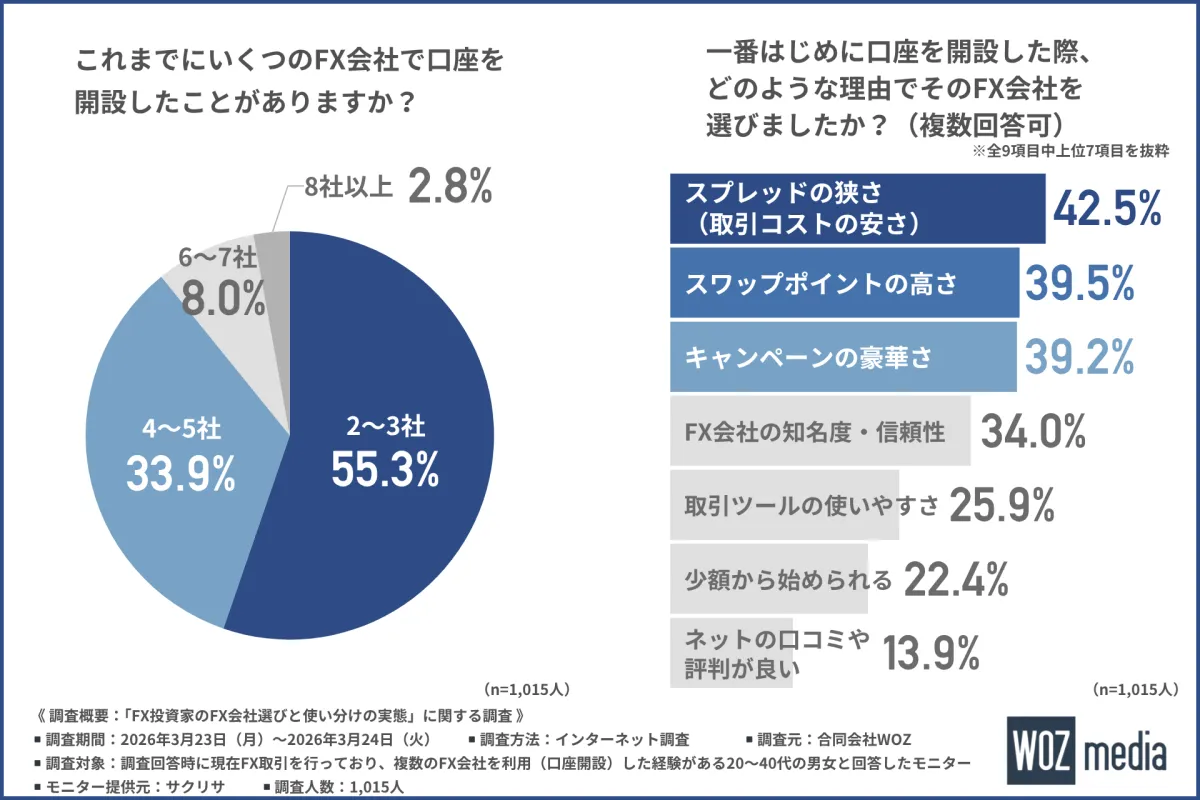
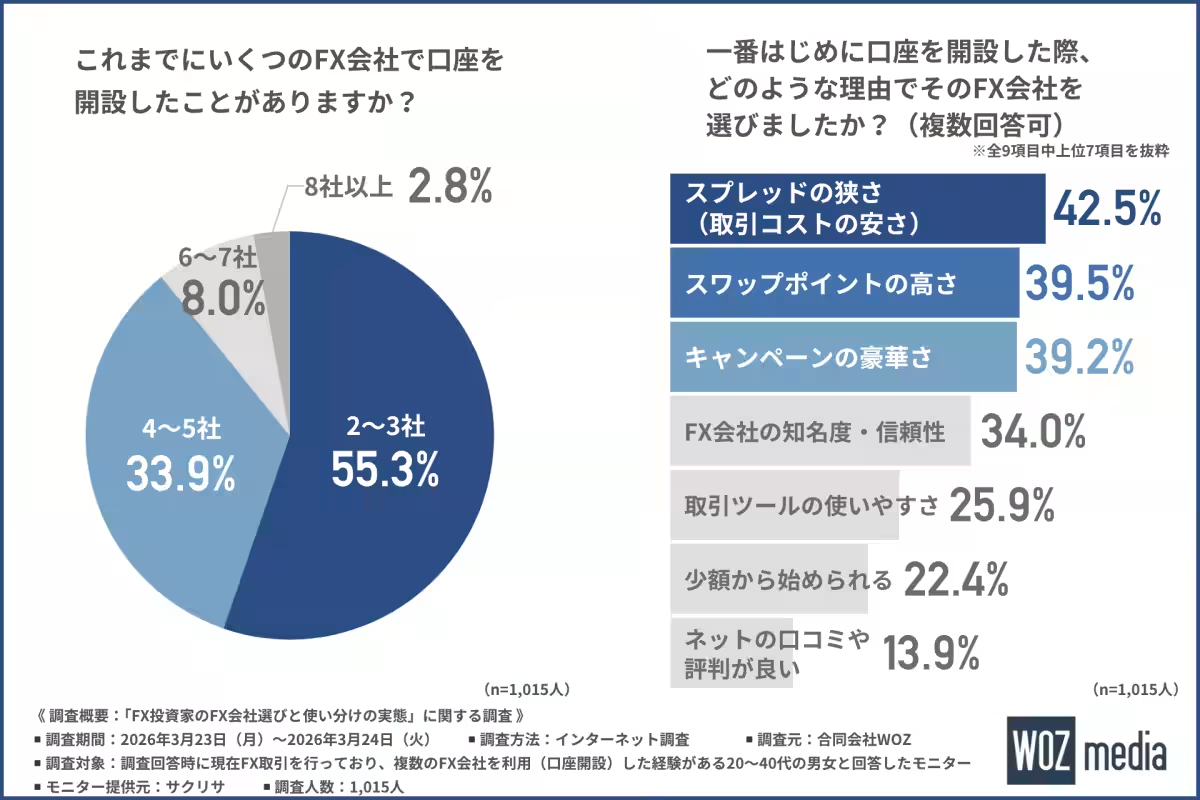
When asked how many FX companies they have accounts with, 55.3% indicated they operate with two to three companies, while 33.9% reported having four to five accounts. This clearly illustrates that most FX investors are not just opening accounts for the sake of it but are selectively employing two to three accounts that offer them the best functionality.
The reasons behind the selection of the initial account are telling. The survey revealed that 42.5% of respondents chose their primary FX company due to narrow spreads (indicating lower trading costs), followed by 39.5% citing high swap points and 39.2% drawn to generous campaigns. This indicates a tendency for investors to weigh practical specifications like transaction costs and returns against promotional benefits when choosing an FX partner.
The Campaign Trap: A Double-Edged Sword?
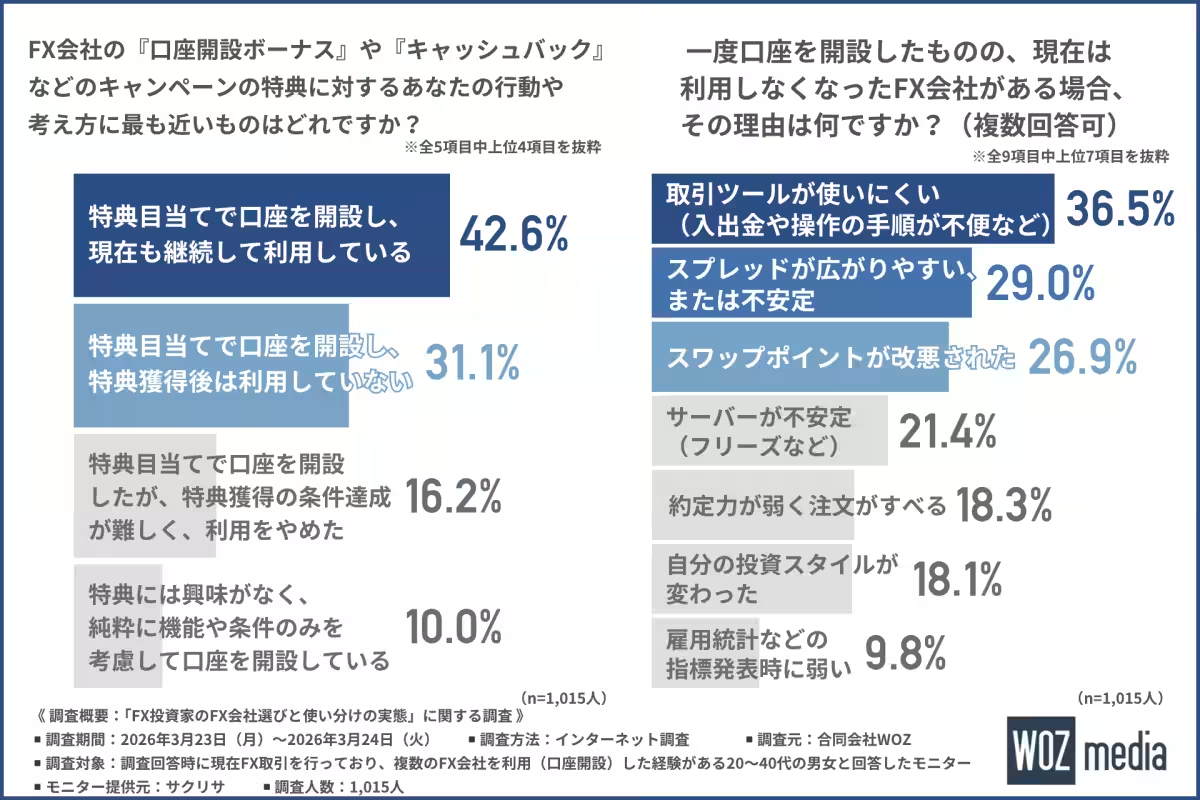
Interestingly, 42.6% of the respondents stated they opened accounts primarily for promotional bonuses and continue to use those accounts, while 31.1% admitted to using them temporarily before abandoning them post-campaign. This highlights a nuanced relationship between promotional incentives and actual user engagement.
But why do some users abandon their accounts? When questioned about the reasons for discontinuing use of an FX platform, 36.5% claimed the trading tools were inconvenient to use, leading to this decision. Other significant reasons included wider or unstable spreads (29.0%) and deteriorating swap points (26.9%). This suggests that operational practicalities directly influence user retention in FX trading.
Strategic Account Management
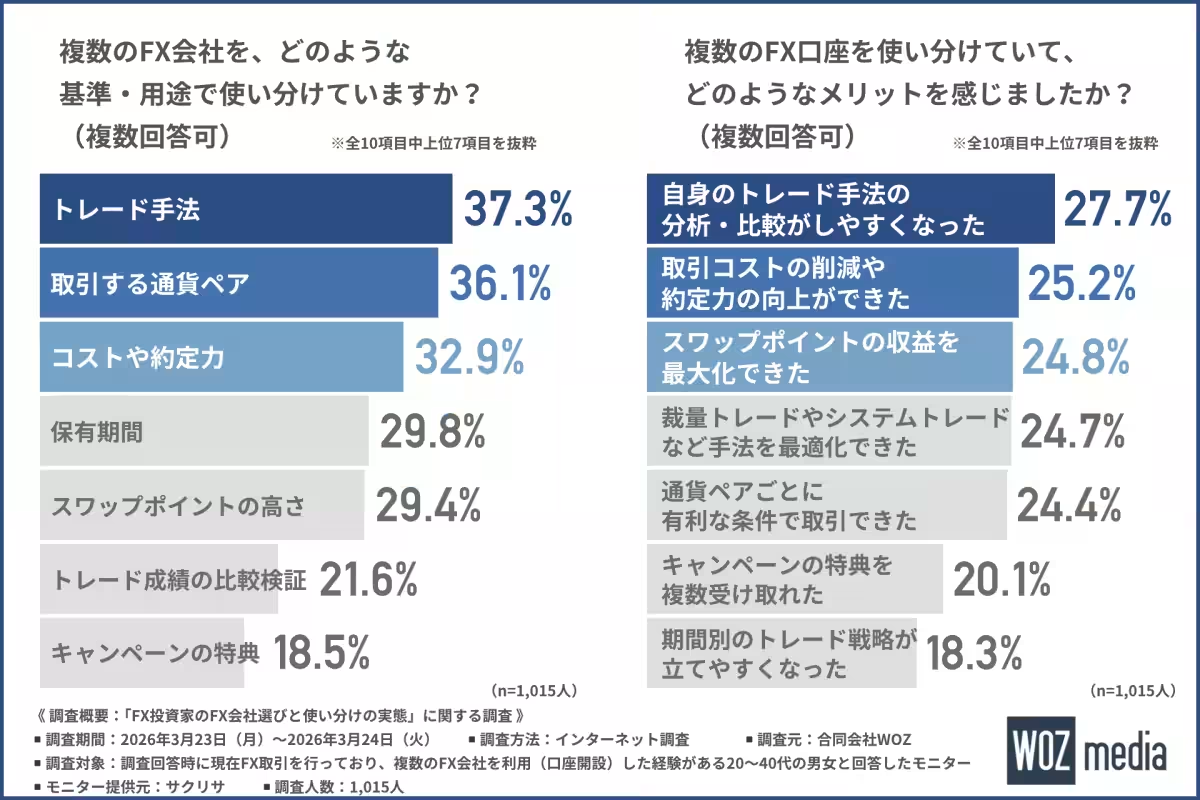
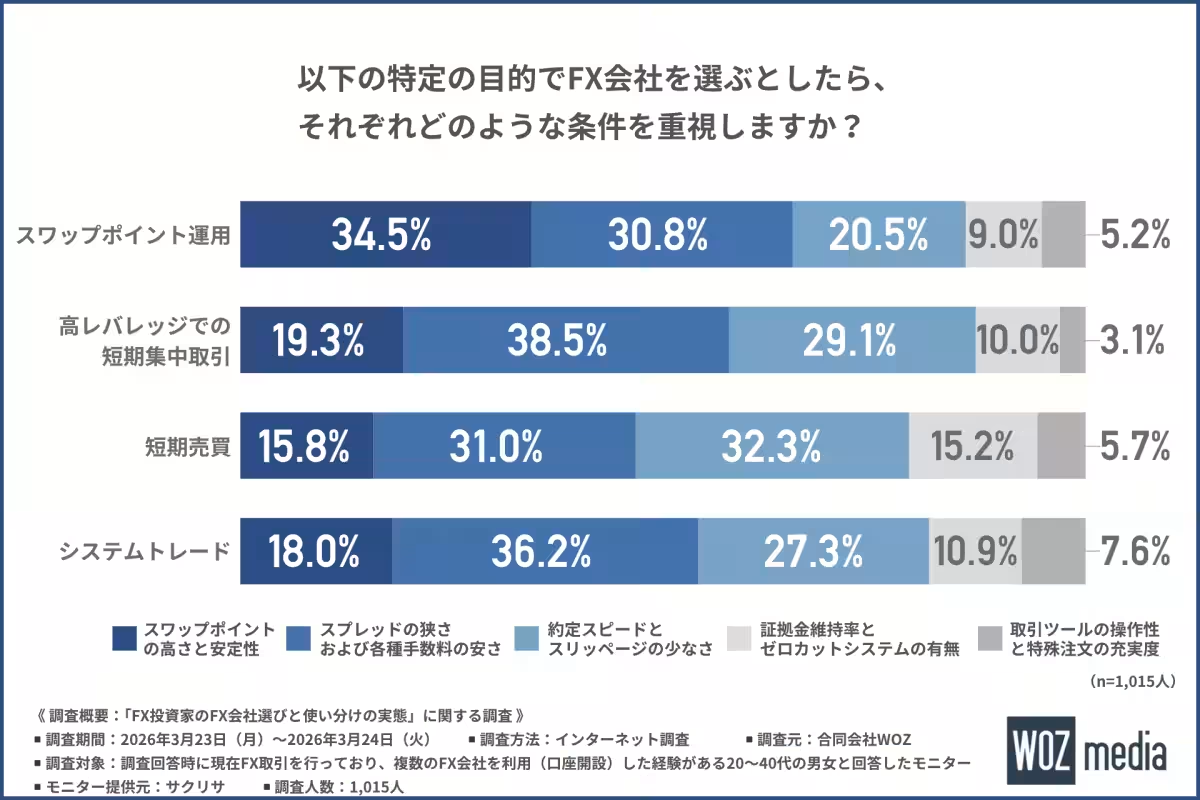
The survey delved deeper into how FX investors strategically use multiple platforms. When asked about the criteria for this choice, 37.3% noted they categorize platforms based on trading methods, such as discretionary and system trading, while 36.1% indicated the currency pairs traded. Additionally, 32.9% valued accounts based on costs and execution strength, highlighting that practical considerations govern how traders optimize their platforms.
Investors reported various benefits from using multiple accounts. For instance, 27.7% stated that it became easier to compare and analyze their trading strategies, while 25.2% appreciated reduced trading costs and enhanced execution quality. This adaptive approach allows investors to not just maximize profits but also objectively evaluate their trading habits and environments.
Shifting Towards Enhanced Choices
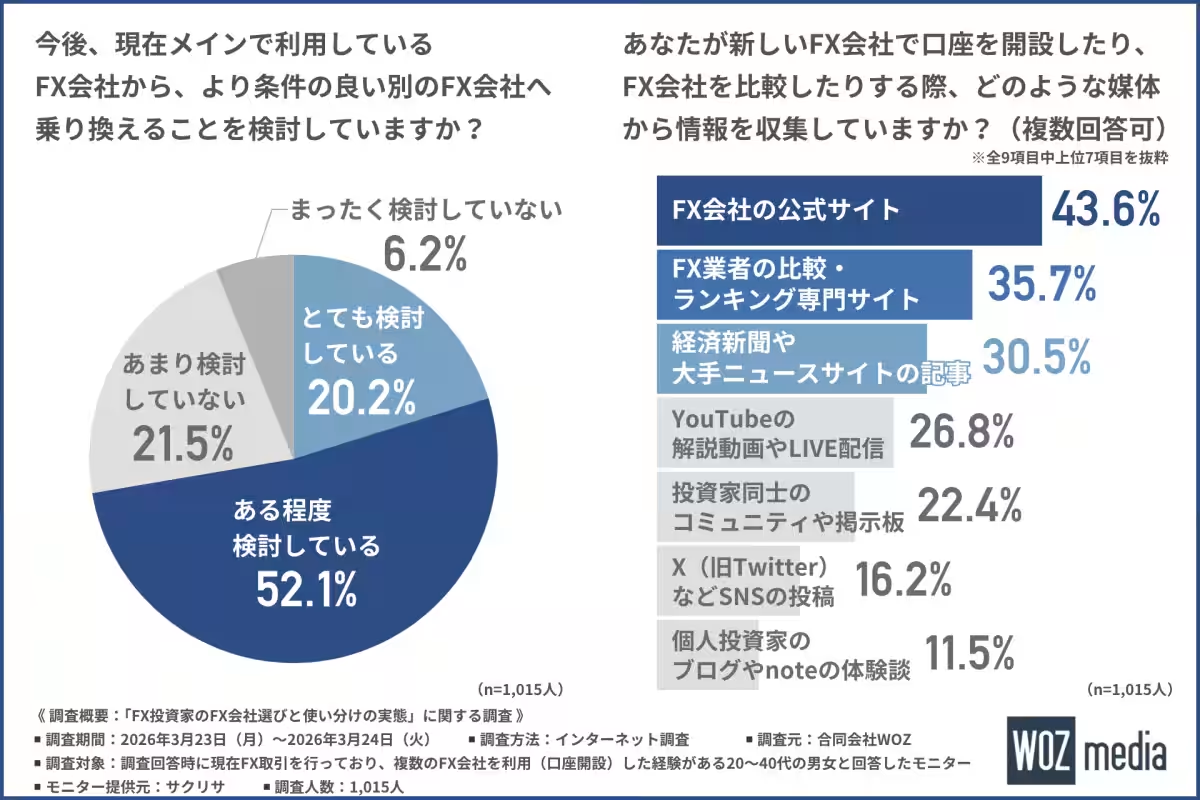
A striking finding was that over 70% of respondents are considering switching to other FX companies offering better conditions. This shows a willingness to adapt based on operational needs and suggests that many FX traders are actively searching for platforms that enhance their trading experience, including better tools and lower costs.
Additionally, when exploring new FX companies, the most common sources of information include official company websites (43.6%), comparison websites (35.7%), and articles from economic news outlets (30.5%). This indicates that FX investors are not just relying on promotional material from the companies themselves but are also seeking objective third-party assessments and reviews in their decision-making process.
Advice for Beginners
For novice traders looking to select their first FX account, they should consider companies that allow low-risk, simple transactions, focus on companies with solid track records, and prioritize low fees for better trading freedom. Many experienced traders note the importance of ease of use and trustworthiness based on reviews, emphasizing that successful trading stems from a sound operational foundation rather than just attractive campaigns.
In conclusion, the survey reveals that FX investors are evolving from merely opening accounts to systematically evaluating and leveraging multiple platforms to structure an optimal trading environment. The days when merely the attractiveness of bonuses could secure user loyalty are waning; today, practical utility and a seamless trading experience will be key for FX companies to maintain their relevance in a competitive market.

Topics Financial Services & Investing)
【About Using Articles】
You can freely use the title and article content by linking to the page where the article is posted.
※ Images cannot be used.
【About Links】
Links are free to use.