



New Study Reveals Spending Hesitancy Among Lifestyle Disease Patients on Health Management Services
Insights from a New Survey on Lifestyle Disease Patients
In a recent survey conducted by Seed Planning Inc., a thorough investigation was made focusing on patients suffering from lifestyle diseases, specifically diabetes, hypertension, and dyslipidemia. This study, involving 450 respondents, explored spending trends and attitudes towards health management services beyond their regular medical expenses. The findings reveal a significant gap between the recognition of health management needs and the willingness to invest in services that support these needs.
Survey Background and Objective
As Japan faces a declining population and an increasingly aging demographic, the importance of preventing and managing lifestyle diseases has become more pressing. Conditions such as diabetes, hypertension, and dyslipidemia are prevalent and necessitate long-term care, including medication, regular check-ups, and lifestyle modifications.
Moreover, these conditions are closely linked to severe health risks like cardiovascular diseases and renal issues, making them a critical public health concern impacting medical costs and healthy life expectancy. The services available for managing these diseases are seen as crucial additional support to traditional medical care.
The survey classifies health management services targeting these lifestyle diseases, considering tools like home blood pressure monitors, self-blood glucose meters, continuous glucose monitoring devices, dietary management apps, and various health tracking applications. A wide array of stakeholders—ranging from healthcare providers to insurance entities and device manufacturers—are engaged in this burgeoning market.
Despite the evident need for management tools, the survey indicates that most patients remain cautious about out-of-pocket expenses for them, suggesting the existence of barriers that need addressing for market expansion.
Key Findings
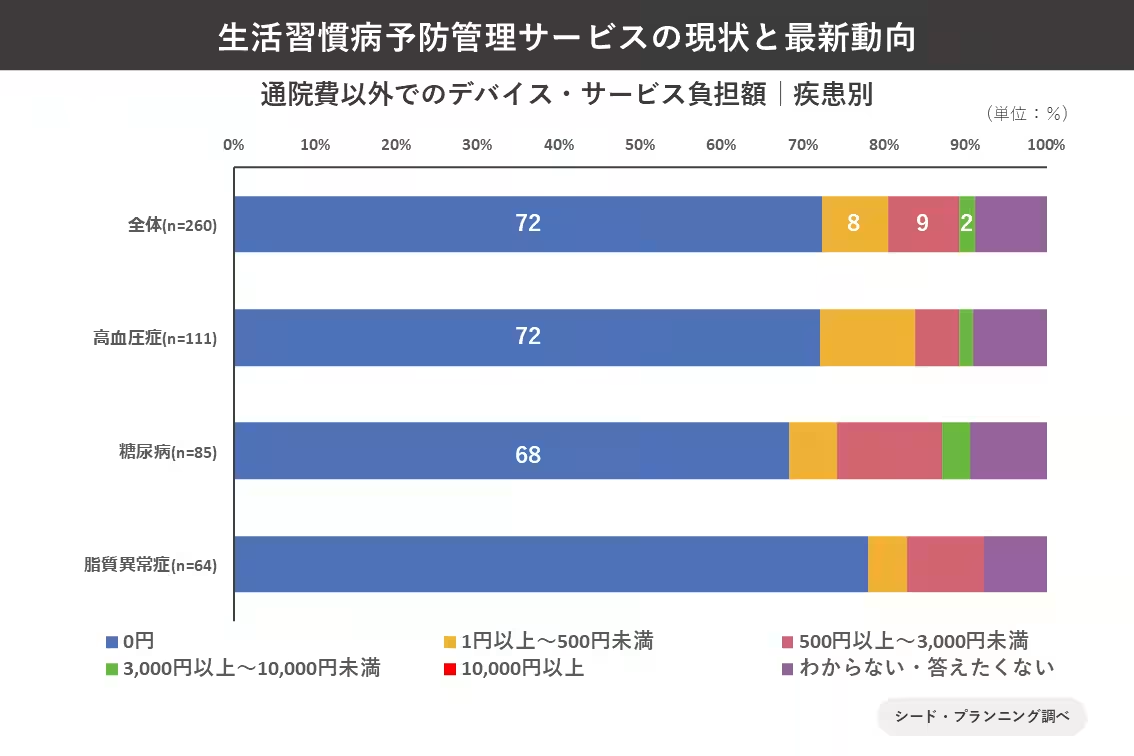
The survey results indicate that a staggering 72% of respondents reported spending 0 yen on health management services outside of doctor visits. For those who do incur costs, the majority reported minimal spending, with only 8% spending between 1 and 500 yen and 9% spending between 500 and 3,000 yen monthly. Notably, no respondents reported spending over 10,000 yen each month on these services.
Within the sub-category of diabetes patients, 68% reported spending 0 yen, which is a slightly lower percentage compared to other diseases, suggesting that while these patients recognize the necessity for management tools, their willingness to invest financially is limited. The reality of daily health monitoring for diabetes further underscores the urgency for effective resource allocation for these tools.
Challenges in Lifestyle Disease Management
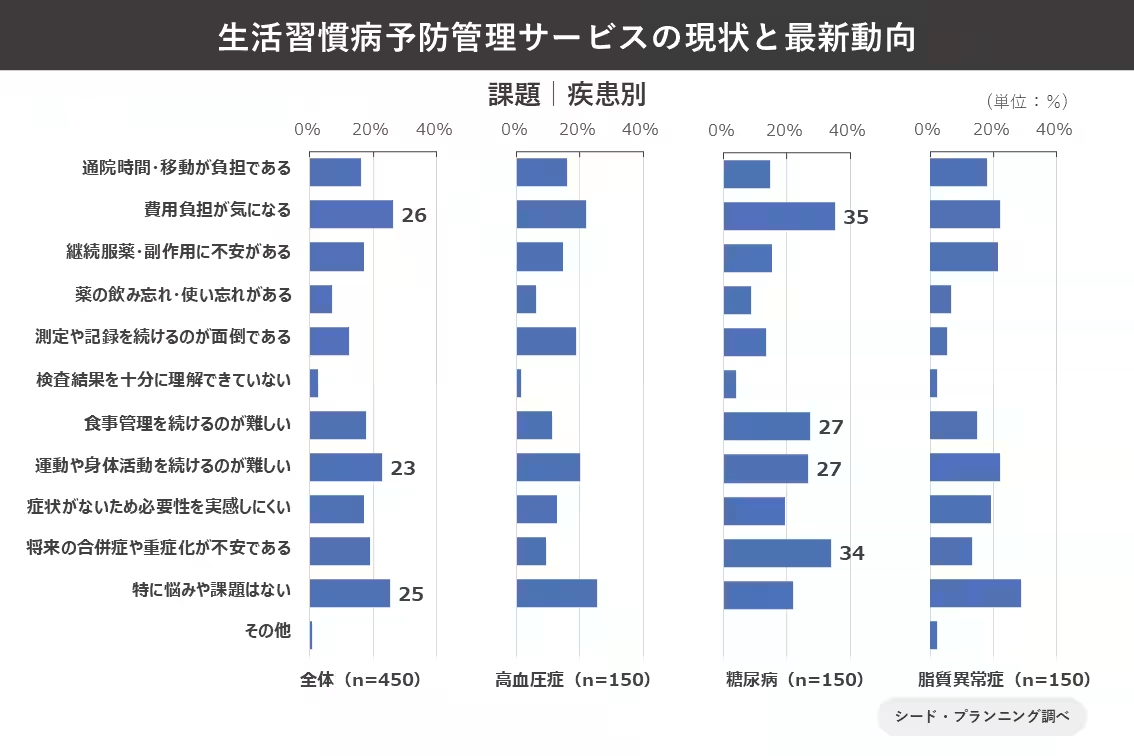
While the need for dietary management, physical activity, and consistent monitoring is acknowledged among patients, the reluctance to spend on supplementary devices and services remains apparent. The survey further explored the perceptions around challenges faced by patients managing their conditions. Of those surveyed, 26% acknowledged worries surrounding the financial burden of managing their conditions, indicating a significant concern.
A Closer Look at Diabetes Patients
Diabetes patients reported a higher percentage of concern regarding costs, with 35% expressing concerns about financial implications, alongside 34% who felt anxious about potential complications or disease progression. Challenges such as maintaining dietary management and sustaining physical activity reflect the multifaceted struggles these patients endure.
Conclusion
Ultimately, the findings of this survey highlight a stark tension: while there is significant interest in health management practices, there is a marked hesitance to invest in these services due to financial concerns. This data poses essential groundwork for future service development and distribution strategies, ensuring that these systems can effectively bridge the existing gap between the need for health management solutions and the willingness to adopt them financially.
For a deeper insight into this important research and further inquiries, please visit Seed Planning Inc.'s official page here.
Topics Health)
【About Using Articles】
You can freely use the title and article content by linking to the page where the article is posted.
※ Images cannot be used.
【About Links】
Links are free to use.