



The Wake-Up Call: Understanding Aging Symptoms in Senior Pets
The Wake-Up Call: Understanding Aging Symptoms in Senior Pets
As pet ownership persists in our lives, understanding the aging process in our beloved furry companions is essential. A recent survey conducted by iPet Insurance Co. highlights the growing trend of aging in pets, focusing specifically on senior dogs and cats aged seven and older. The aim was to gauge pet owners' perceptions and awareness of aging signs in their pets, drawing insights from 1,000 pet owners across Japan.
Survey Results Overview
The findings shed light on varying perceptions and health statuses among senior pets:
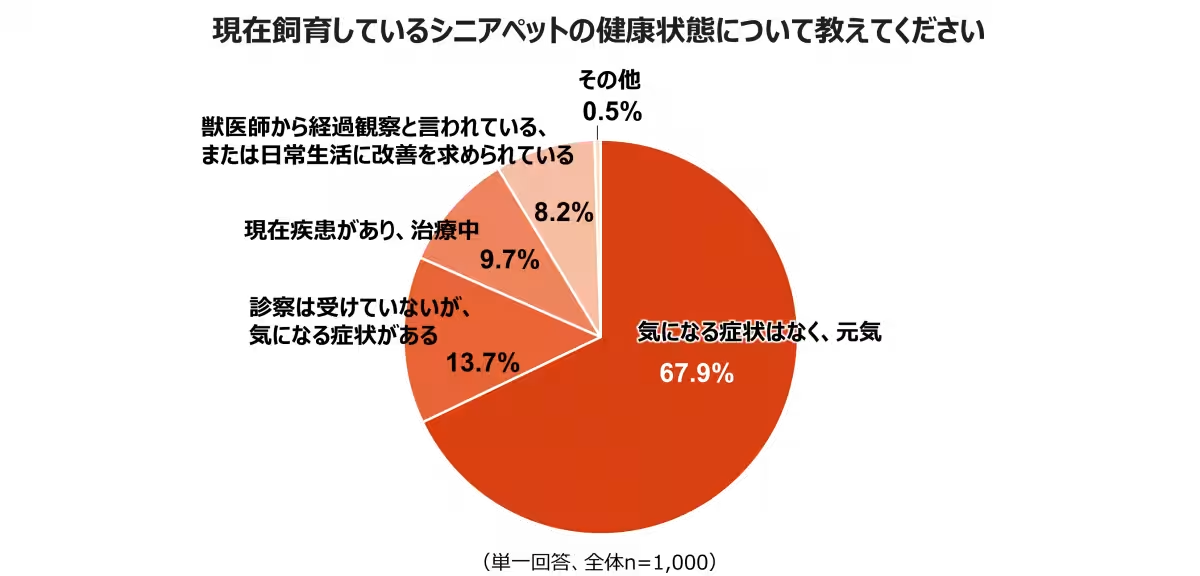
- - Approximately 67.9% of respondents reported their pets as healthy with no concerning symptoms.
- - However, around 30% exhibited signs of distress, indicating a significant number of senior pets require greater attention.
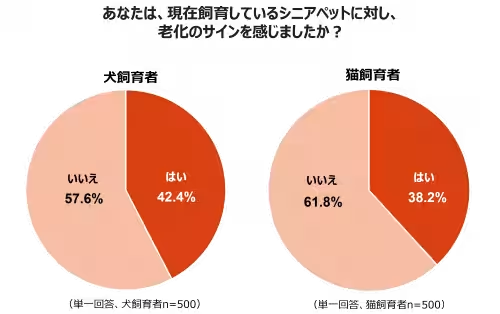
- - Notably, 40% of pet owners reported feeling signs of aging in their pets, with noticeable differences between dogs and cats.
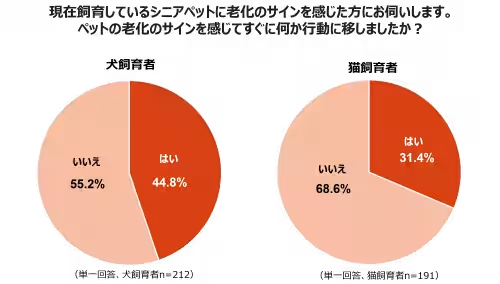
- - Despite recognizing these signs, over half chose to observe without seeking immediate veterinary consultation, reflecting a concerning trend in proactive health management.
Pets Aging: What Signs Are Owners Noticing?
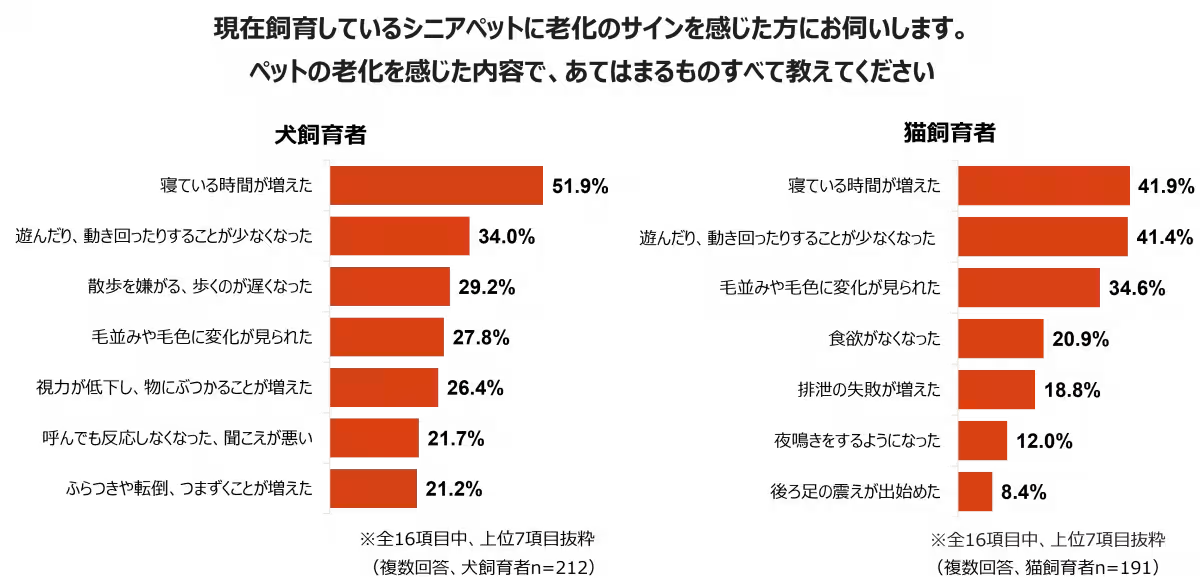
Among pet owners, signs of aging were reported by around 40% of those with senior pets, with a notable 4.2% difference observed between dog owners and cat owners. One prominent symptom cited was the increase in sleep duration, indicating a decline in activity levels. Following this, a decrease in playfulness and mobility was commonly mentioned.
The survey revealed that:
- - For dogs, other noticeable signs included a resistance to walks or slower movement, with 29.2% of owners noting these behaviors.
- - For cats, signs included decreased appetite (20.9%) and increased instances of toileting accidents (18.8%), showcasing a significant decline in their daily routine.
A Need for Action
Despite the acknowledgment of aging signs, the majority of pet owners are hesitant to take action. Only 13.4% of owners reacted to these signs by seeking veterinary advice or care. A majority, over 50%, opted to monitor their pets without immediate intervention—a stark contrast to the proactive measures essential for maintaining their pets' health.
From those who did take action, 70.3% reported visiting a veterinarian for a check-up, demonstrating the trust pet owners place in clinical expertise.
In addition, 42.6% consulted with veterinarians about their concerns, and 27.7% turned to online resources to seek information—indicating a blend of traditional and modern approaches to pet health management.
Health Management Practices
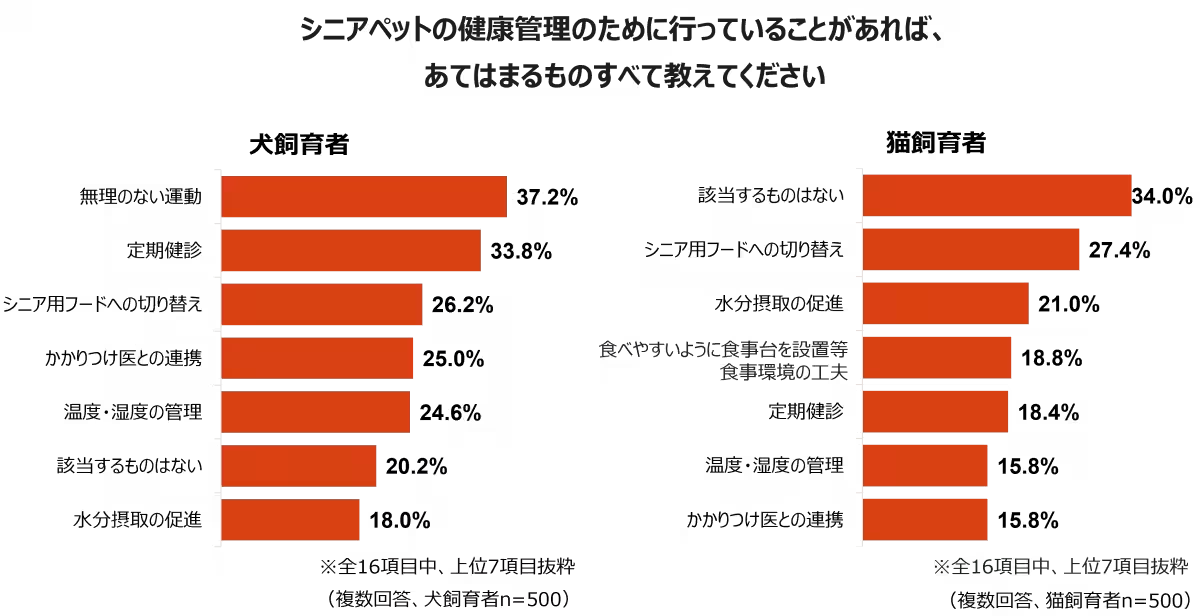
When it comes to health management, there are distinct differences between the care provided to dogs and cats:
- - The most common practices for dogs included regular exercise (37.2%) and routine check-ups (33.8%).
- - Contrastingly, a significant 34.0% of cat owners identified that they wouldn't change anything, reflecting a more limited approach toward ongoing health management compared to their canine counterparts.
This suggests a need for greater awareness and tailored strategies for feline health maintenance.
Trust in Family and Veterinarians
When it comes to support systems, pet owners primarily relied on family (59%) and veterinarians (53%) as key resources. However, a notable 14.2% of respondents indicated they had no one to turn to for support, highlighting the emotional burden some pet owners carry alone.
The survey results reveal a stark dichotomy: while many senior pets seem to lead healthy lives, the awareness of aging and related health issues remains disappointingly low among their owners. It is crucial for pet owners to adopt a more proactive stance on health management, ensuring that their furry companions receive the attention they deserve as they age.
Through collective awareness and action, we can ensure that our beloved pets continue to thrive and enjoy their golden years.
iPet Insurance firmly supports the idea that every pet deserves a lifetime of love and security. Learn more about senior pet care strategies and ensure your 'fur baby' lives its best life through the years.
Survey Overview
- - Target group: 500 owners of dogs and cats aged seven and above
- - Survey period: August 12 - August 19, 2025
- - Methodology: Conducted via internet questionnaires.



Topics People & Culture)


【About Using Articles】
You can freely use the title and article content by linking to the page where the article is posted.
※ Images cannot be used.
【About Links】
Links are free to use.