



How to Choose Influencers for Effective Marketing Results Unveiled
Unveiling Insights on Influencer Marketing Effectiveness
In an era where social media significantly influences business strategies, influencer marketing has emerged as a powerful tool for brands seeking effective PR communication. A recent survey conducted by PLAN-B, a Tokyo-based digital marketing agency, sheds light on the current landscape of influencer marketing and highlights key factors for selecting effective influencers.
Survey Background
Social media platforms have gained traction as vital marketing channels for companies. Many success stories have emerged around campaigns utilizing influencers, but achieving consistent results doesn't come without its challenges. Amidst the fast-paced nature of social media, campaigns can easily become ephemeral, failing to deliver the required messaging deeply and sustainably.
Recognizing these challenges, PLAN-B has conducted a study titled “Survey on Influencer Marketing Implementation Status,” targeting personnel involved in executing influencer marketing. The survey aims to clarify the hurdles companies face, implementation strategies, and the tangible impacts resulting from these marketing efforts. Additionally, it examines the rising trend of reusing influencer-generated content in various advertisements and promotions, digging into how enterprises can enhance their marketing tactics for greater effectiveness.
Key Findings
The survey yielded several pivotal insights into the state of influencer marketing:
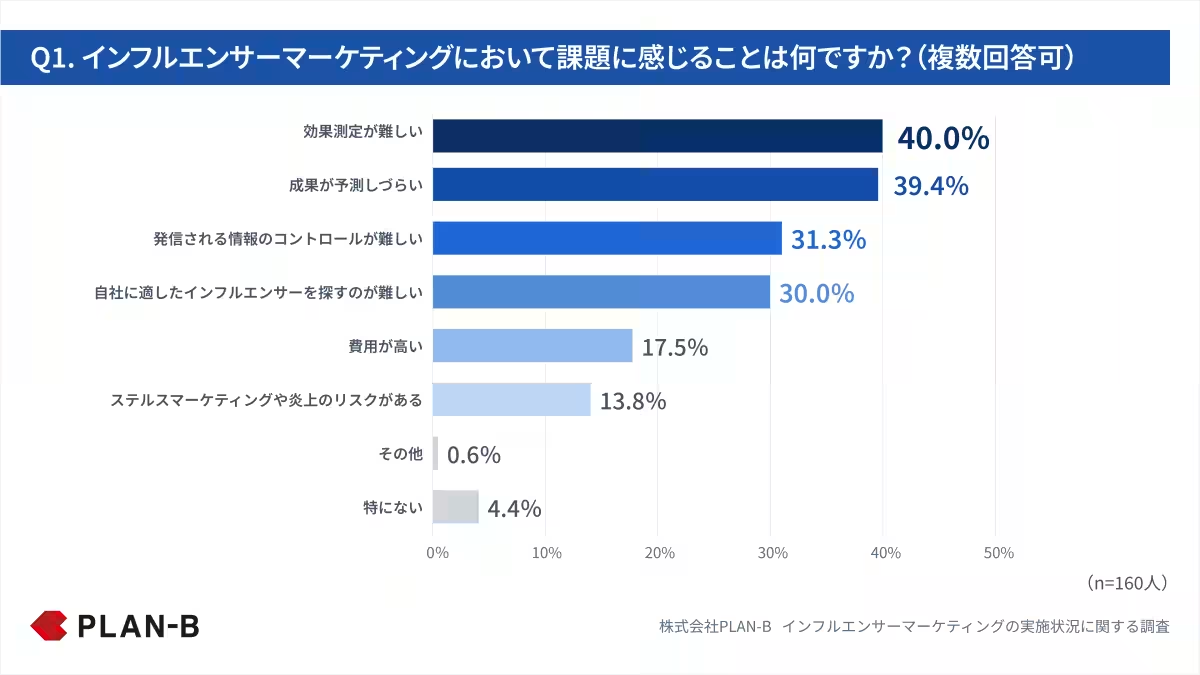
1. Challenges in Measurement: The leading concerns organizations face include the difficulty of measuring effectiveness (40%) and unpredictable outcomes (39.4%). The challenge of controlling disseminated information (31.3%) and identifying suitable influencers (30%) are also top priorities. These statistics indicate that brands are grappling with quantifiable evaluations of their influencer marketing efforts.
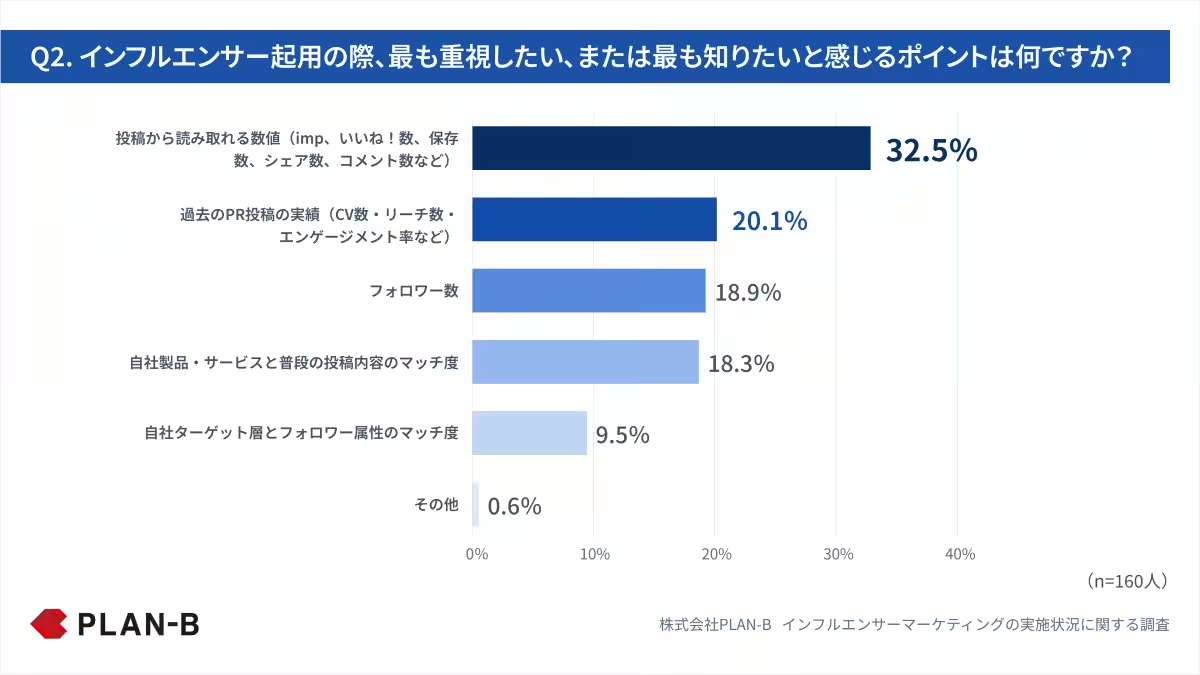
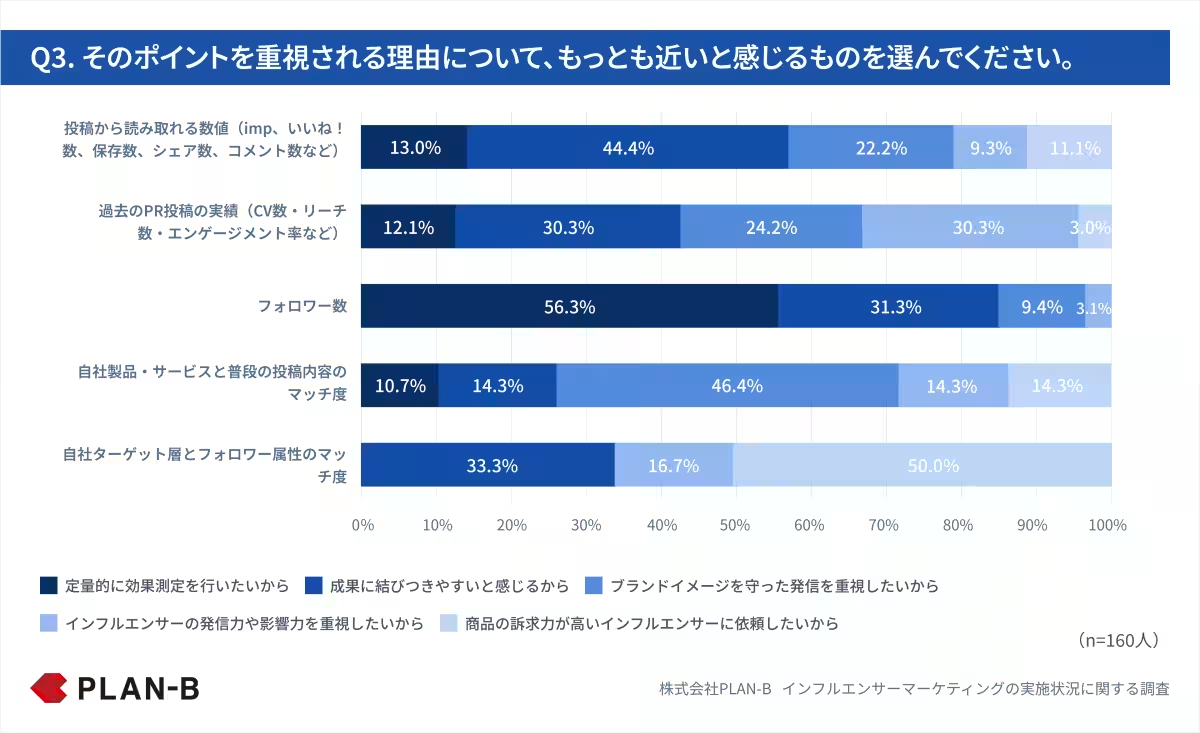
2. Influencer Selection Criteria: When selecting influencers, data-driven metrics from posts (impressions, likes, shares, etc.) were deemed most important by 44.4% of respondents. This suggests a shift towards using analytics for decision-making in influencer partnerships. Furthermore, 32.5% indicated that historical PR achievements were also crucial in their selection process.
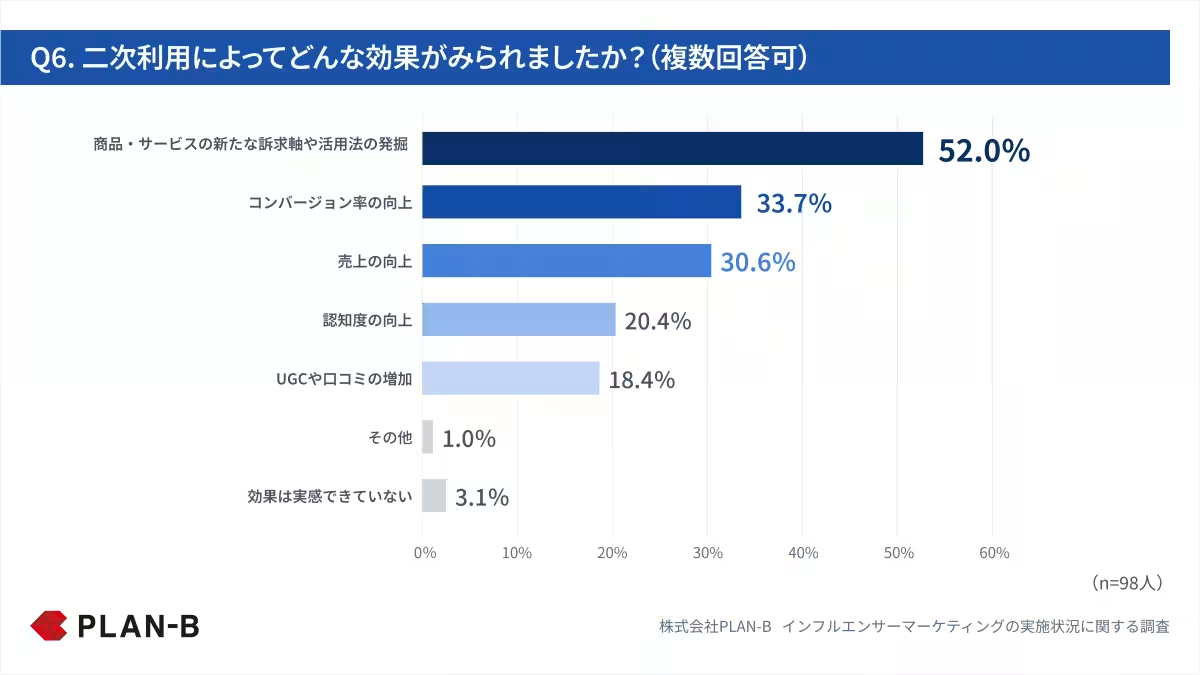
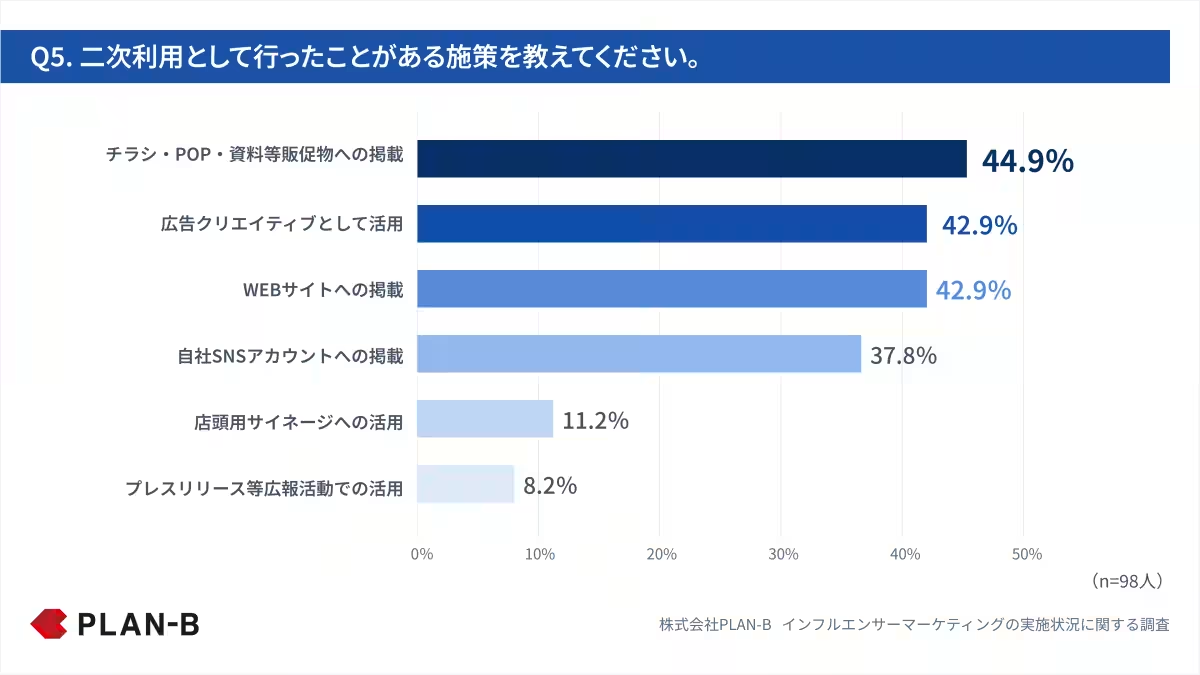
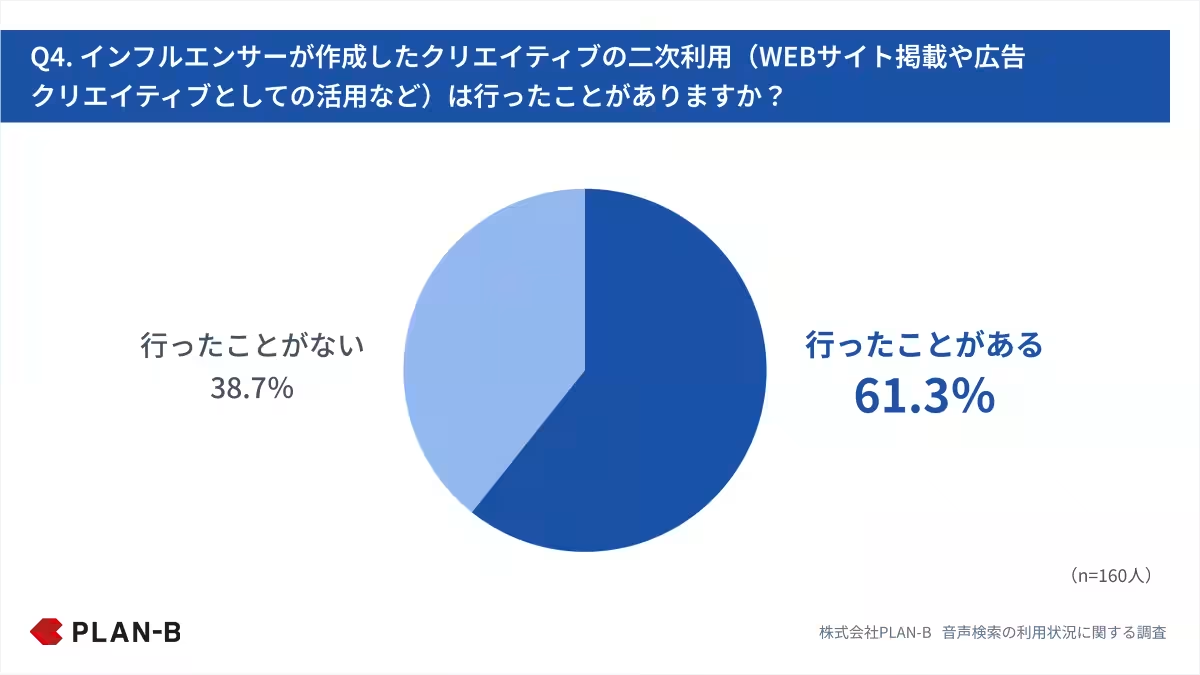
3. Secondary Utilization of Content: An impressive 61.3% of participants reported reusing influencer-created content in various formats like web ads and promotional materials. This not only indicates a trend towards maximizing return on investment through content repurposing but also showcases the prominence of influencer collaborations in advertising strategies. Notably, 52% found that reusing content helped discover new angles for product promotion, while 33.7% observed increases in conversion rates and 30.6% experienced sales upticks as a direct result.
Insights from the Data
Various questions were posed to further comprehend the intricacies of influencer marketing. For instance, when asked about the difficulties in managing campaigns, respondents highlighted the importance of understanding numerical data derived from posts as a pinpointing factor in their perceived success. In addition, many pointed to secondary utilization, which appears to play a major role in campaign effectiveness. About 97% of those who reused influencer content reported experiencing some form of positive impact, underscoring the efficiency of this strategy without the need for continuous new creative production.
Conclusions
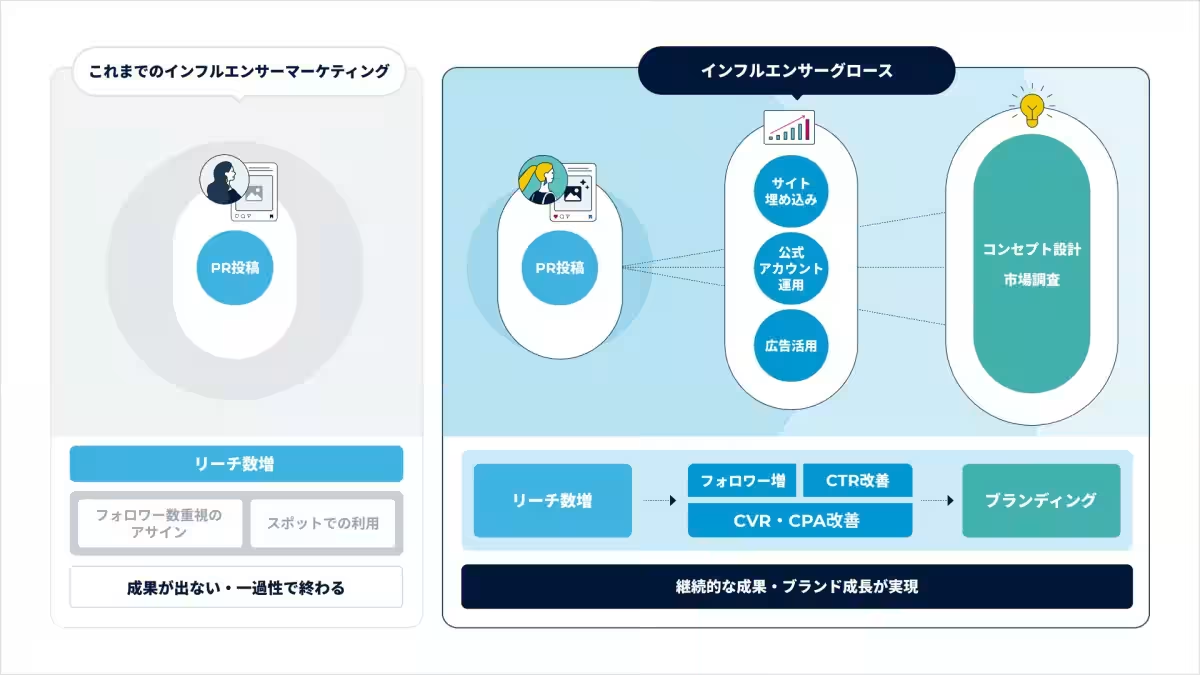
This survey illustrates that while measurable outcomes are highly regarded, challenges remain in achieving consistent results. The emphasis on data-driven metrics during influencer selection indicates a potential shift in how companies strategize their marketing practices. Furthermore, secondary usage of content emerges as a crucial technique for enhancing marketing effectiveness, and organizations are encouraged to leverage this approach.
As influencer marketing continues to evolve, companies seeking to amplify results should consider adopting a data-driven framework for measuring and analyzing their campaigns. Paying close attention to the insights gleaned from influencer posts, such as engagement metrics, and effectively utilizing influencer-generated material will likely lead to increased success in future marketing endeavors.
About PLAN-B
Founded in October 2003, PLAN-B focuses on digital marketing and marketing DX initiatives, helping over 5,000 companies address various marketing challenges. Through innovative tools and platforms like ‘Cast Me!’ for influencer marketing, PLAN-B strives to drive growth and success for its clients.
For further information about their influencer marketing platform, visit Cast Me!.
Author's Bio
This article is supervised by Yoshitsune Moriyama, Executive Officer at PLAN-B, who oversees the influencer marketing platform 'Cast Me!'. With a background in web design and a passion for innovative marketing strategies, Yoshitsune has experienced significant success in driving marketing initiatives and managing technology solutions.
Explore More:
- For more insights and tips on influencer marketing, visit PLAN-B's blog at PLAN-B Blog.



Topics Business Technology)

【About Using Articles】
You can freely use the title and article content by linking to the page where the article is posted.
※ Images cannot be used.
【About Links】
Links are free to use.