



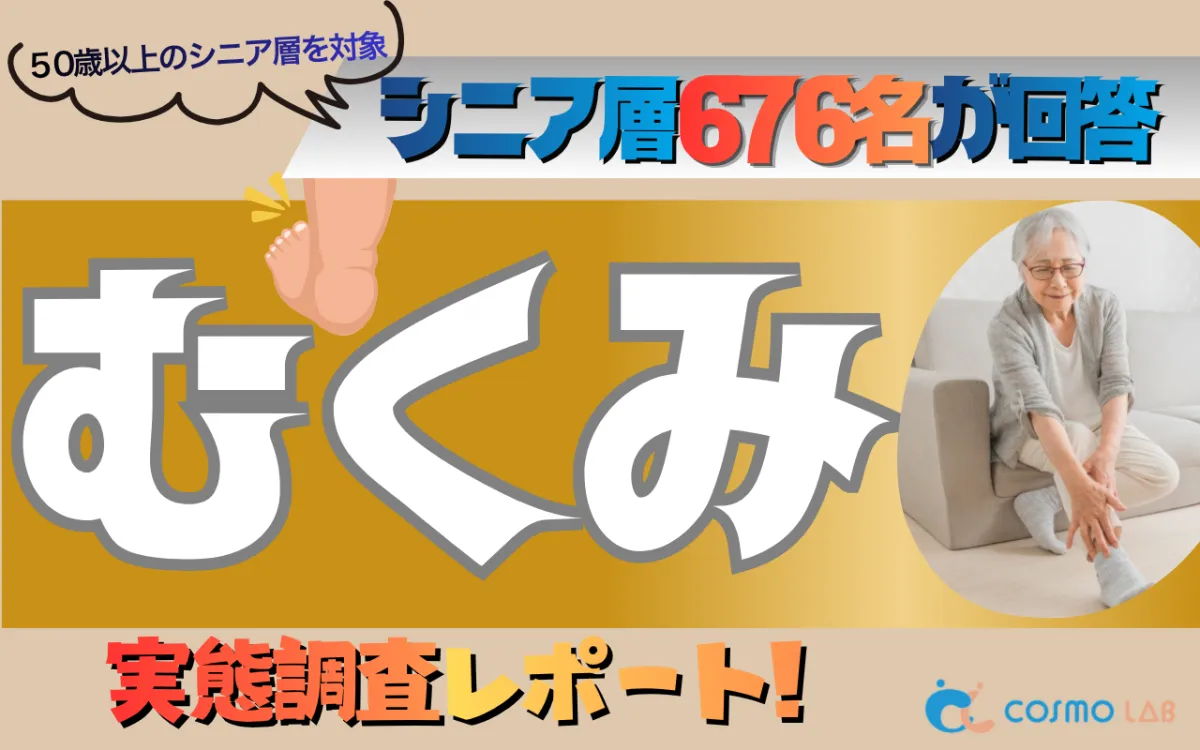
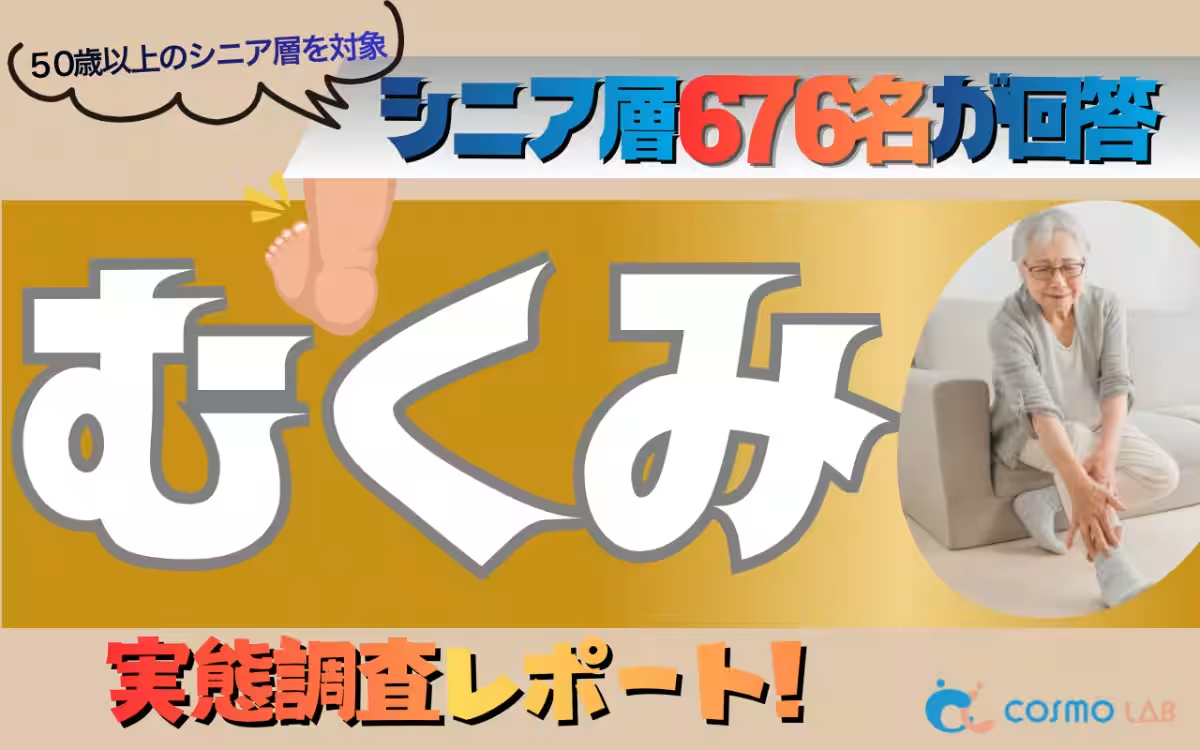
Understanding Swelling: A Deep Dive into Senior Citizens' Experiences and Needs
Understanding Swelling in Seniors
A recent survey conducted by Cosmo Lab, a marketing platform focused on elderly demographics, sheds light on a prevalent issue among seniors: swelling, known as edema. The findings reveal that nearly 70% of individuals over 50 experience some form of swelling, predominantly in their lower legs and calves.
Survey Highlights
The survey gathered data from 676 participants aged 50 and older, emphasizing the everyday struggles seniors face in relation to swelling. The primary points of interest from the survey include:
1. Prevalence and Areas Affected
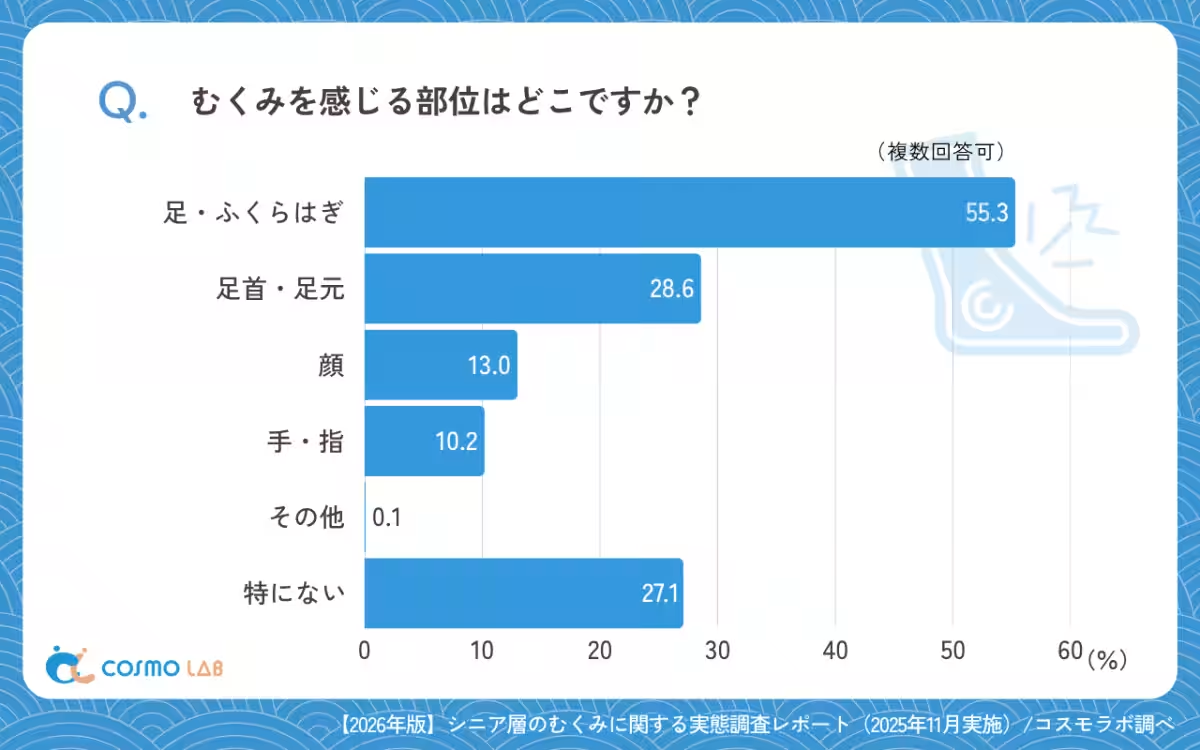
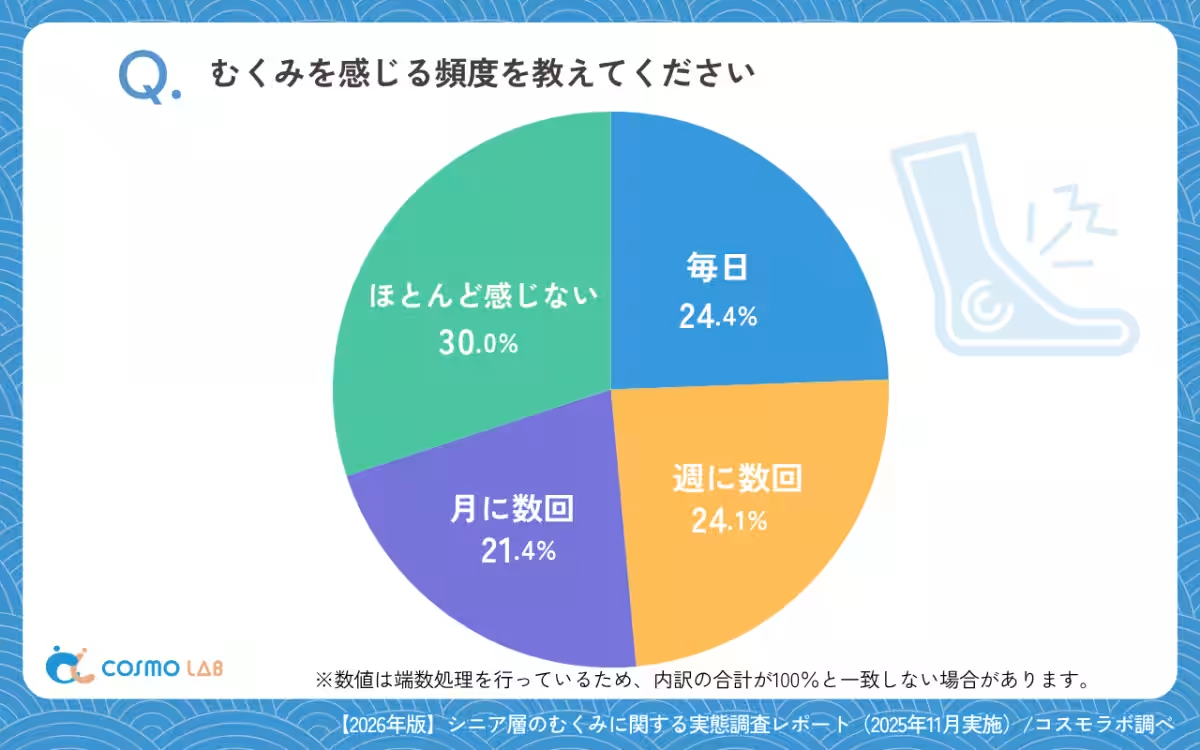
Approximately 55.3% of respondents reported swelling primarily in their feet and calves, while 28.6% noted issues in their ankles and toes. Over 70% of those surveyed feel swelling on a regular basis—24.4% daily and 24.1% several times a week. This data indicates that swelling predominantly affects the lower limbs, likely due to gravity and blood circulation problems.
2. Causes of Swelling
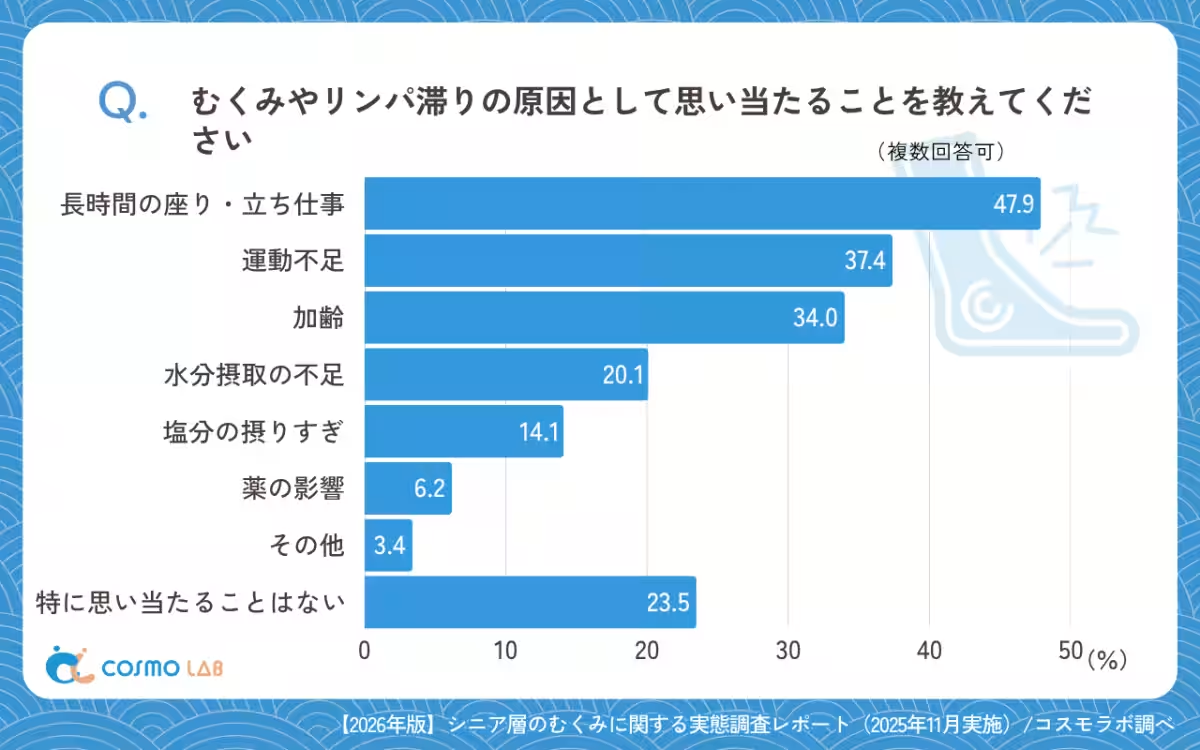
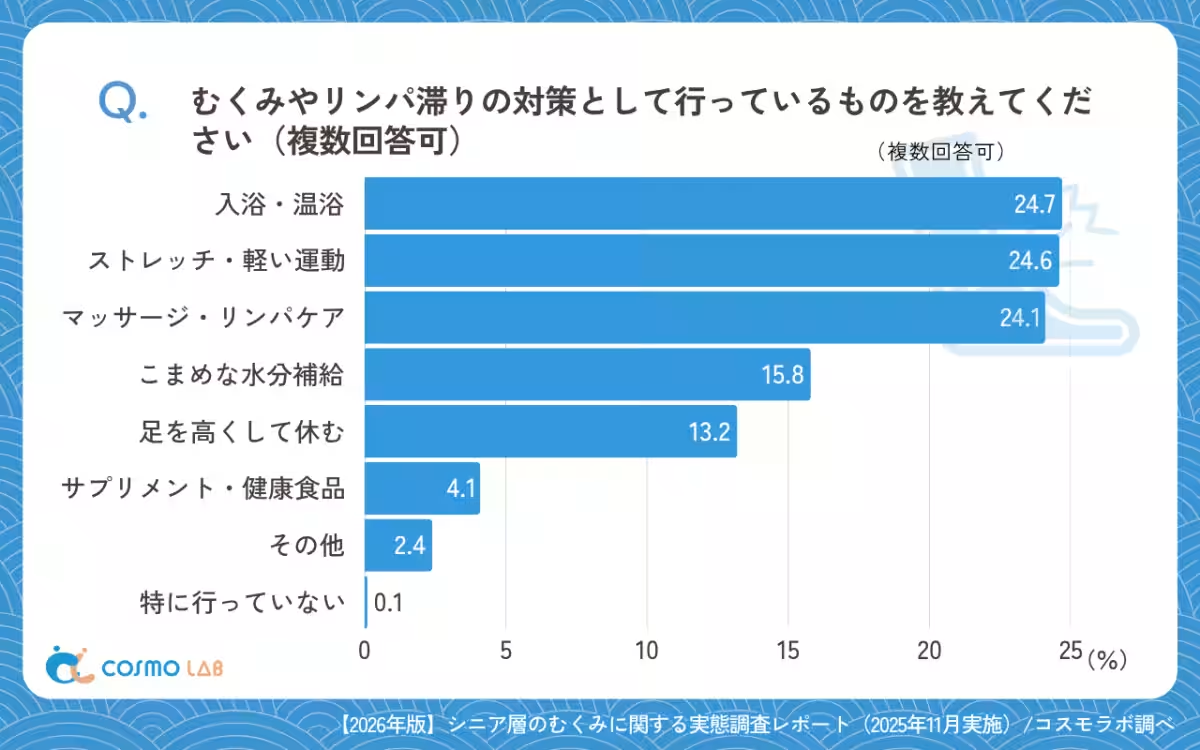
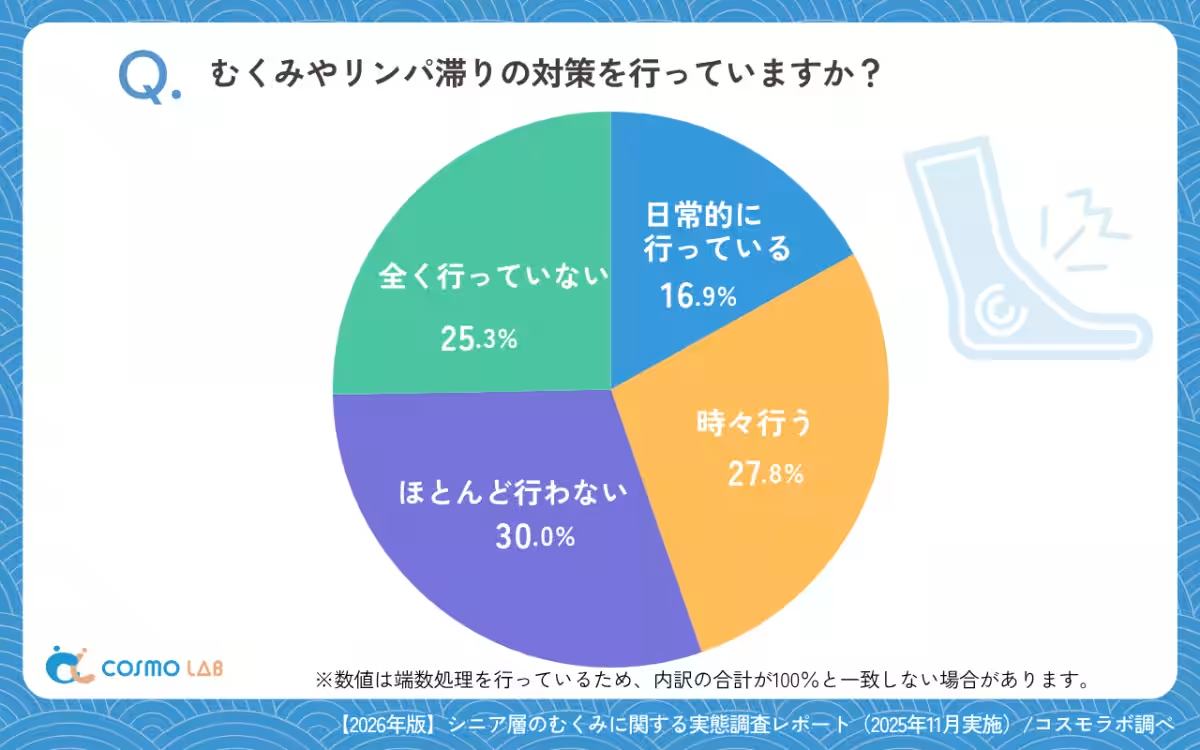
Participants identified prolonged sitting or standing as the primary cause, with 47.9% of respondents pointing to this as a key factor. Lack of exercise (37.4%) and aging (34.0%) closely followed. Despite recognizing these factors, over half of respondents admitted to taking minimal or no action to mitigate swelling.
3. Self-Care Preferences
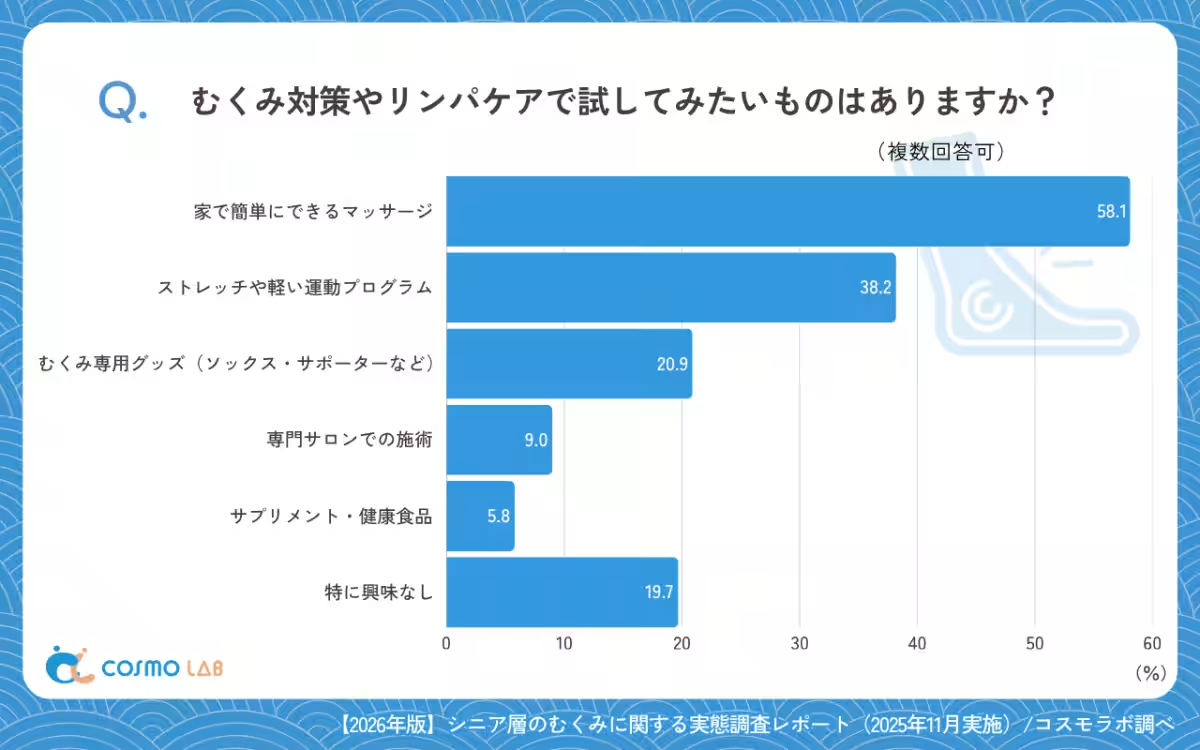
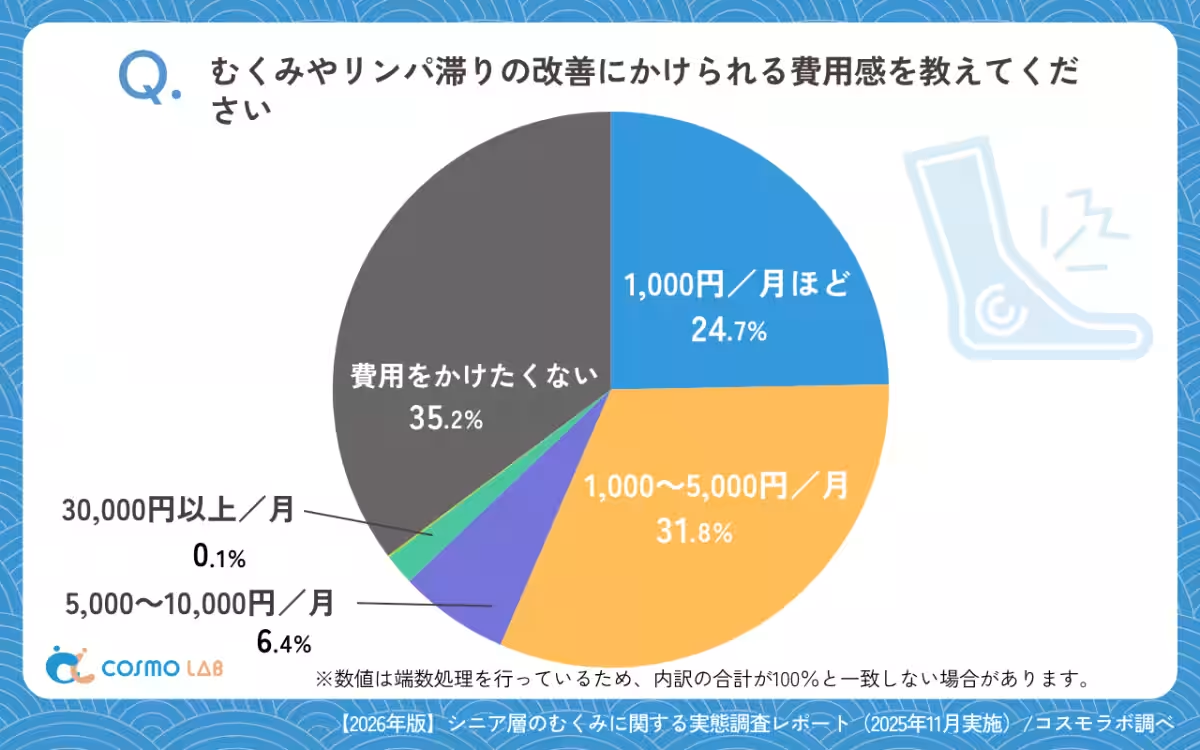
In seeking relief, an overwhelming 58.1% expressed a strong desire for simple home-based massages. Other favored methods included stretching and light exercise programs (38.2%). The prevailing need for accessible and low-cost interventions is evident, with many respondents preferring not to allocate significant budgets for treatments.
4. Impact of Swelling on Daily Life
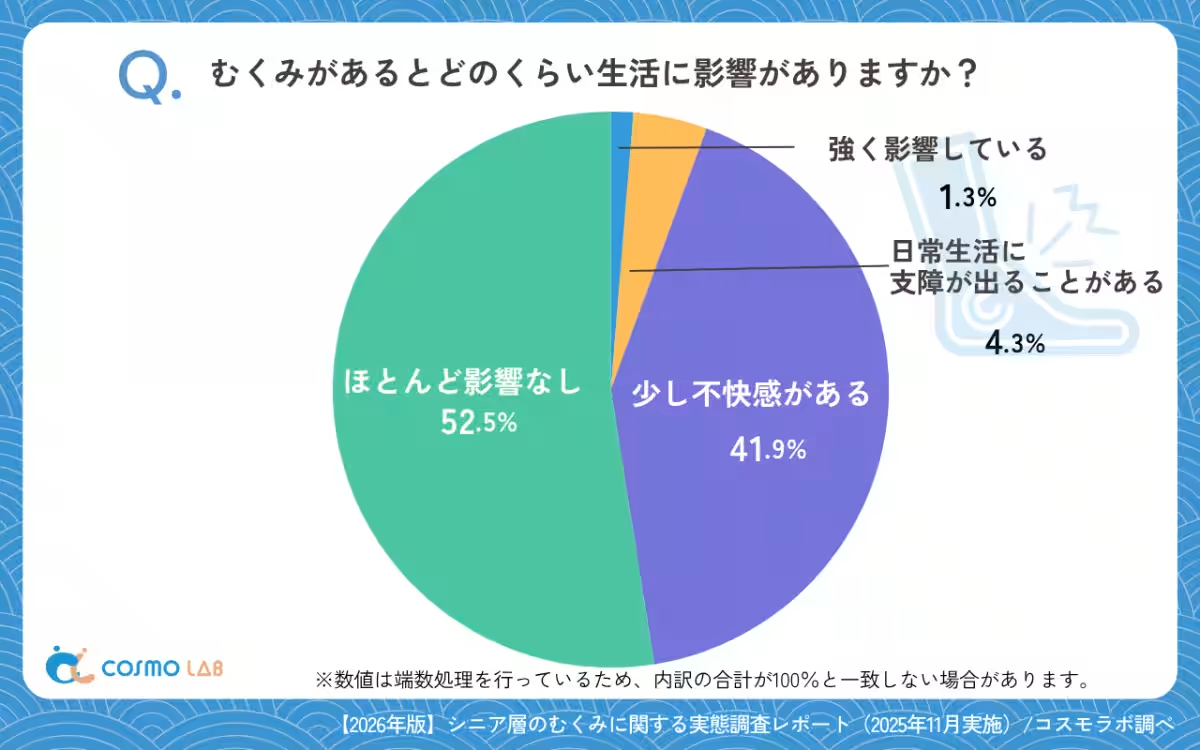
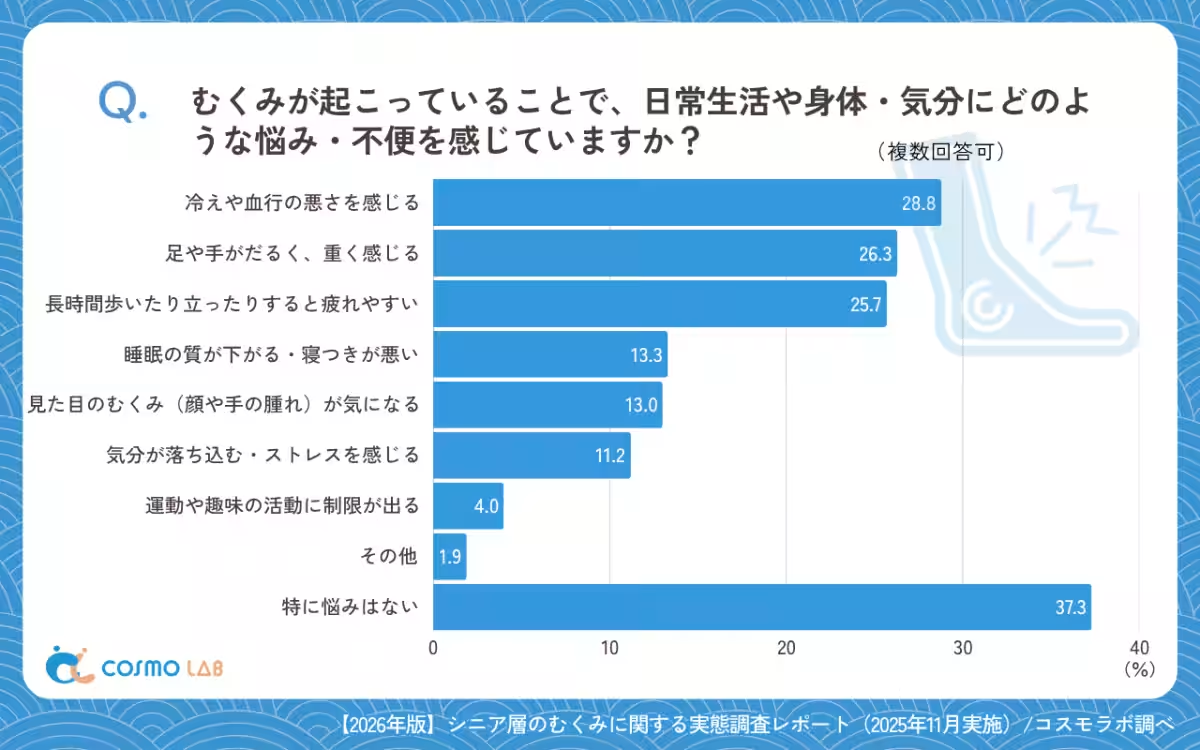
The effects of swelling on daily life varied among participants. While 52.5% reported that swelling had little to no impact, 41.9% felt a slight discomfort, and 4.3% experienced more significant disruptions. This indicates that while many seniors manage their daily lives despite swelling, a notable number still suffer some level of discomfort.
5. Water Intake and Its Implications
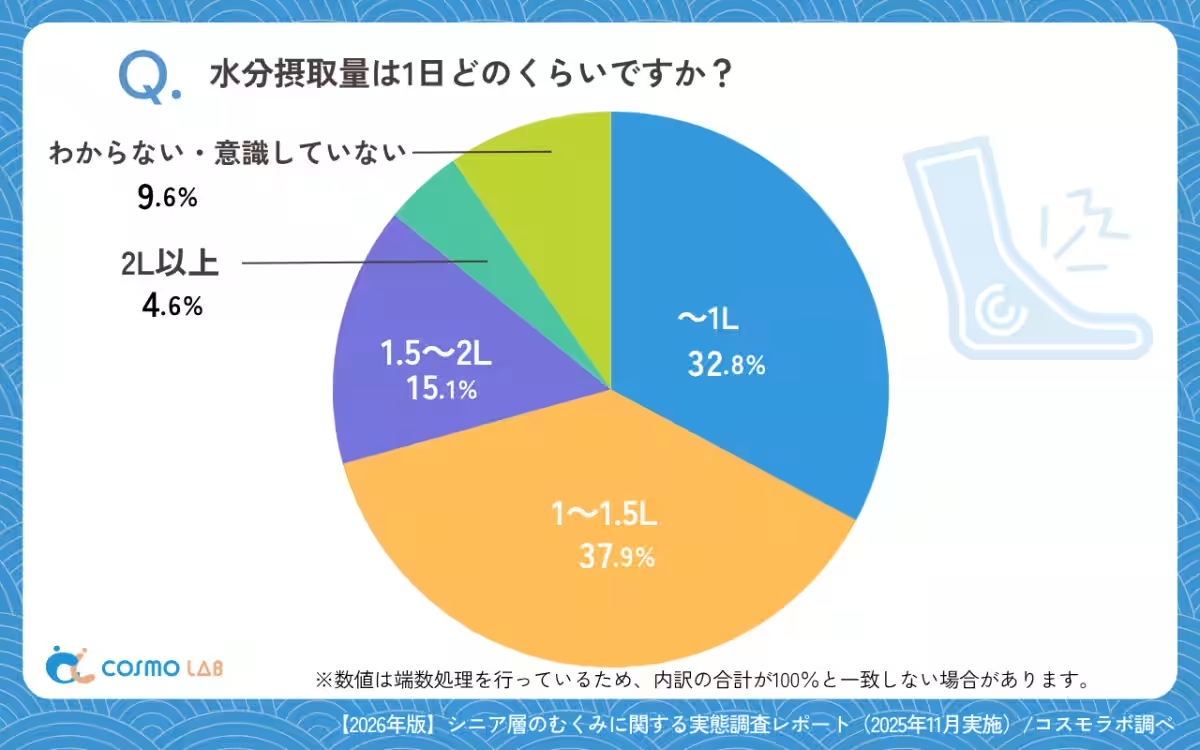
Interestingly, the survey highlighted water intake levels among seniors. Almost 70% reported consuming less than 1.5 liters of water daily—below the recommended amount for preventing swelling. This further emphasizes the necessity for public education on the importance of hydration for mitigating swelling.
6. Exploring Effective Solutions
As the data reveals a substantial number of seniors live with swelling yet fail to undertake effective self-care, there exists a ripe opportunity for market solutions tailored to these needs. Enhancing awareness and accessibility to simple actions like undertaking home massages, coupled with promoting proper hydration, could significantly uplift the quality of life for many seniors.
Conclusion and Future Directions
The findings of this survey highlight the urgent need for initiatives that address the swelling issues faced by seniors. Not only is there a demand for easy and effective self-care methods, but there's also an opportunity for service providers to promote affordable solutions. Future campaigns could focus on creating awareness about hydration, facilitating community workshops for simple exercises and massages, and developing low-cost products designed specifically for swelling management. Recognizing and acting upon these insights can lead to improved health and well-being among seniors struggling with swelling.
Topics Health)
【About Using Articles】
You can freely use the title and article content by linking to the page where the article is posted.
※ Images cannot be used.
【About Links】
Links are free to use.