



The Culinary Trends of Hot Pot Dishes in Japan for 2025
Hot Pot Trends for 2025 in Japan
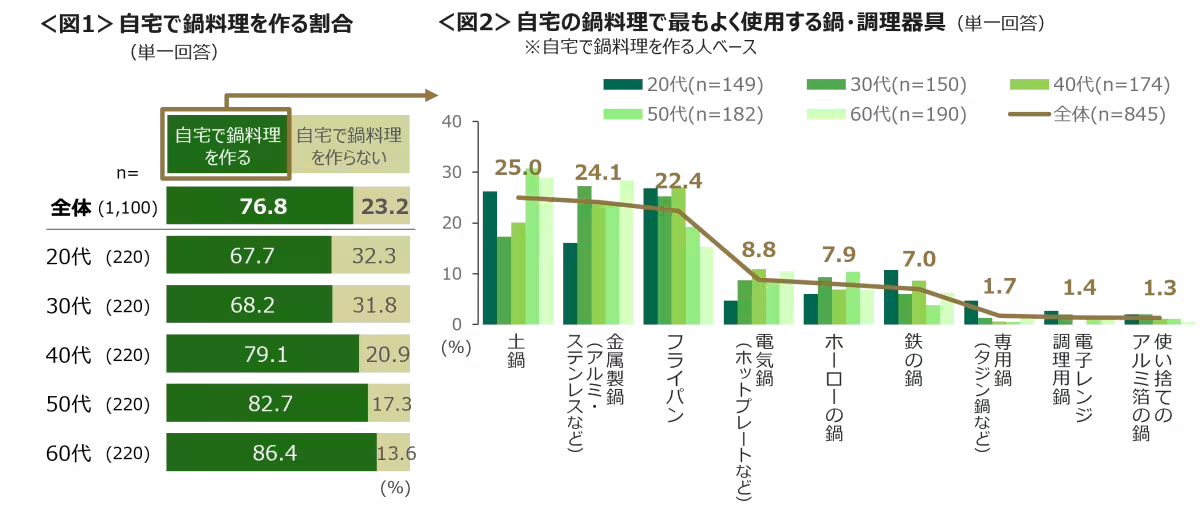
As the cold winter months approach, Japanese households are turning their kitchens into hot pot havens. According to a recent survey conducted by Cross Marketing, it has been revealed that 76.8% of respondents aged 20 to 69 are preparing hot pot dishes at home, with this number increasing significantly among older generations. Over 80% of those in their 50s and 60s are enjoying this communal dining experience.
The Most Popular Cooking Equipment
When it comes to preparing hot pot at home, traditional earthenware pots, metal pots, and frying pans are the go-to choices for families, with each commandingly holding about 20% usage among those surveyed. Notably, younger generations (20s) and older generations (50s and 60s) favor using earthenware pots for a taste of tradition, while those in their 30s and 60s lean towards metal pots. Frying pans are particularly popular among the younger adults in their 20s to 40s.
Why Hot Pot is Winning Hearts
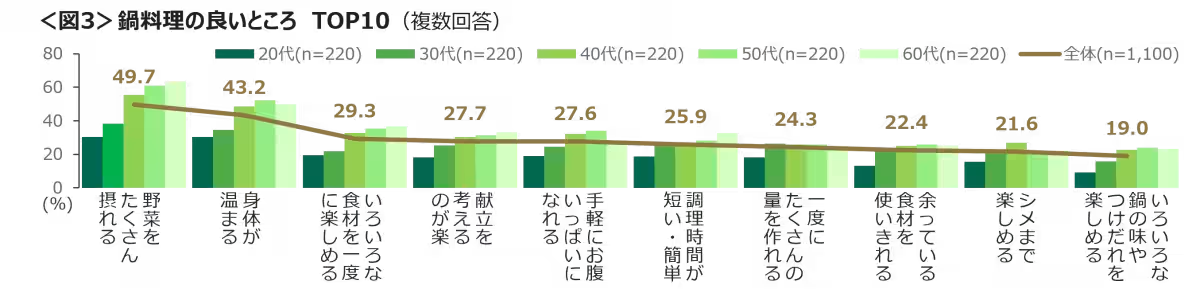
One of the primary appeals of hot pot is its ability to offer a nutritious dining experience. More than 40% of respondents lauded hot pots for their capacity to incorporate a variety of vegetables and for providing warmth during the chilly months. Other advantages include the ability to relish a medley of ingredients at once, easy meal preparation, and short cooking times. Interestingly, these sentiments increase with the age of respondents, highlighting a preference for healthy and efficient cooking.
Innovative Ingredients to Try
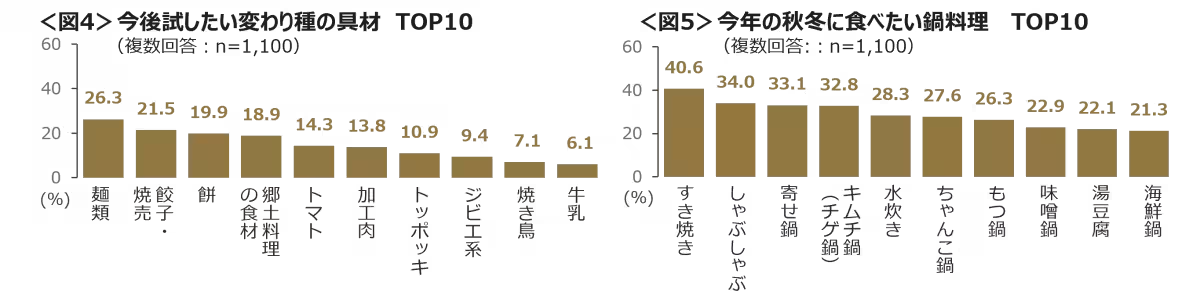
The survey also revealed that people are interested in experimenting with unconventional ingredients in their hot pots. To everyone's surprise, carbohydrates like noodles, dumplings, and mochi topped the list of suggested experimental items. This trend reflects a growing preference for fusion and innovation within traditional cooking.
The Hot Pot Favorites for This Winter
As the 2025 winter season draws near, 'Sukiyaki' has emerged as the most desired hot pot dish, appealing to 40.6% of survey participants. Trailing behind are 'Shabu-Shabu', 'Yosenabe', and 'Kimchi Nabe', all of which were favored by around 30% of respondents, illustrating a clear preference for rich and hearty flavors during the colder months.
Recommended Ingredients
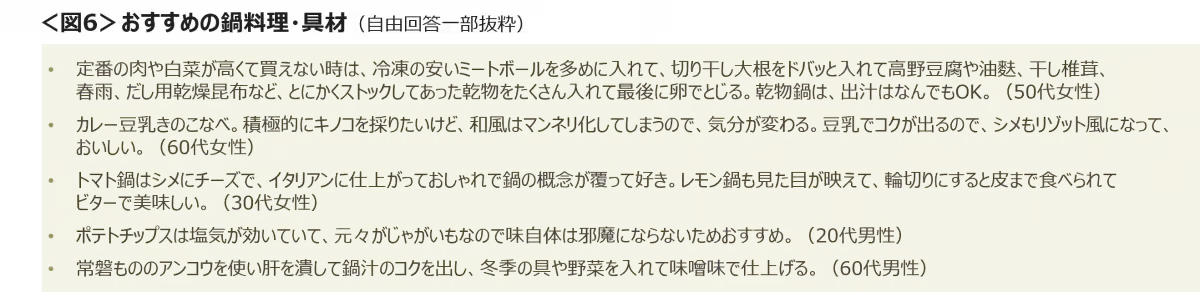
Participants also shared their thoughts on exciting ingredients to enhance the hot pot experience, suggesting unique options like meatballs, dried radish, glass noodles, cheese, and even potato chips. These creative recommendations reflect a willingness to experiment and elevate the traditional hot pot to new culinary heights.
Conclusion
The results from Cross Marketing's survey highlight a strong inclination towards hot pot dining as the winter of 2025 approaches in Japan. Families appreciate the healthy and versatile nature of hot pot, and the willingness to innovate with ingredients suggests an exciting evolution in this beloved culinary tradition.
For those interested in further detailed insights and findings from this survey, there is a full report available at Cross Marketing Report.
Topics Consumer Products & Retail)
【About Using Articles】
You can freely use the title and article content by linking to the page where the article is posted.
※ Images cannot be used.
【About Links】
Links are free to use.