



Exploring the Benefits and Roles of Cooperatives for Employees and Communities
Exploring the Benefits and Roles of Cooperatives for Employees and Communities
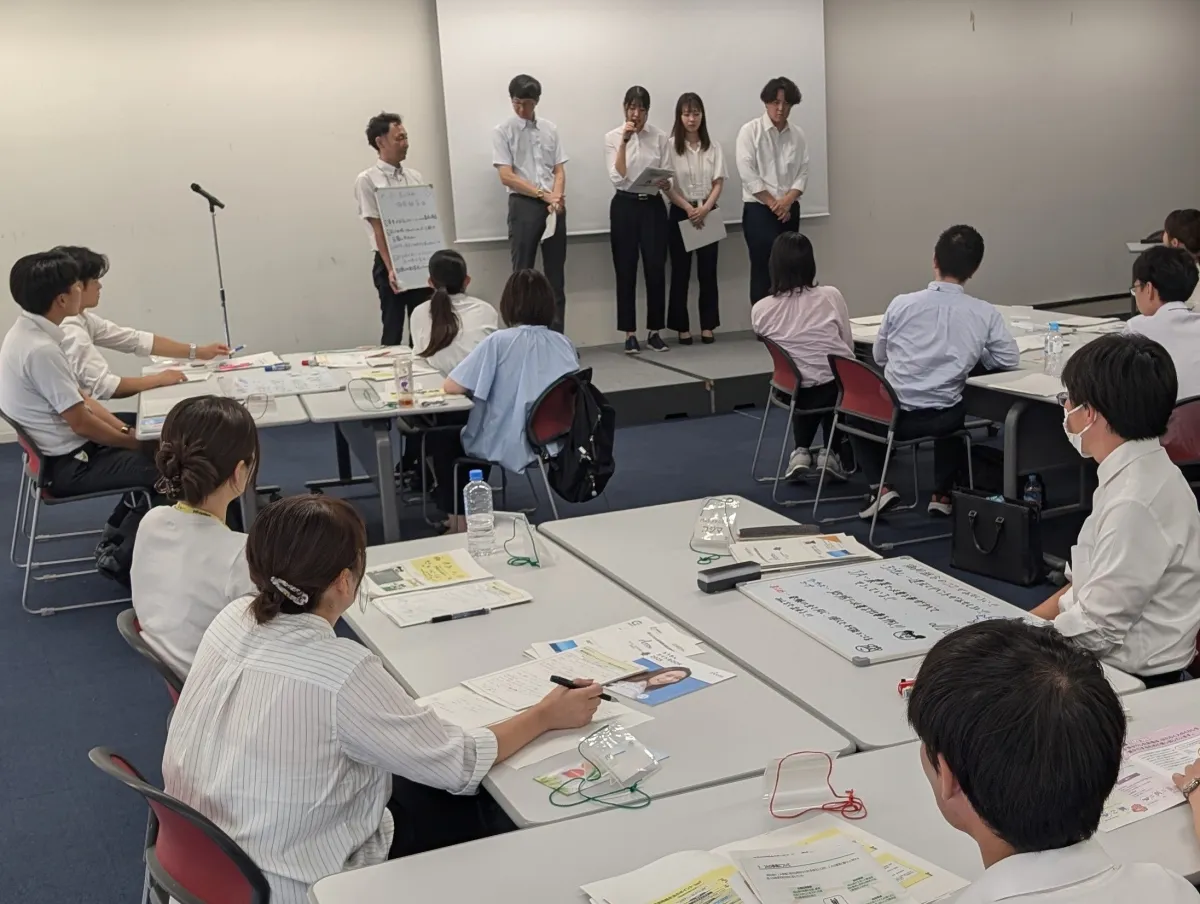
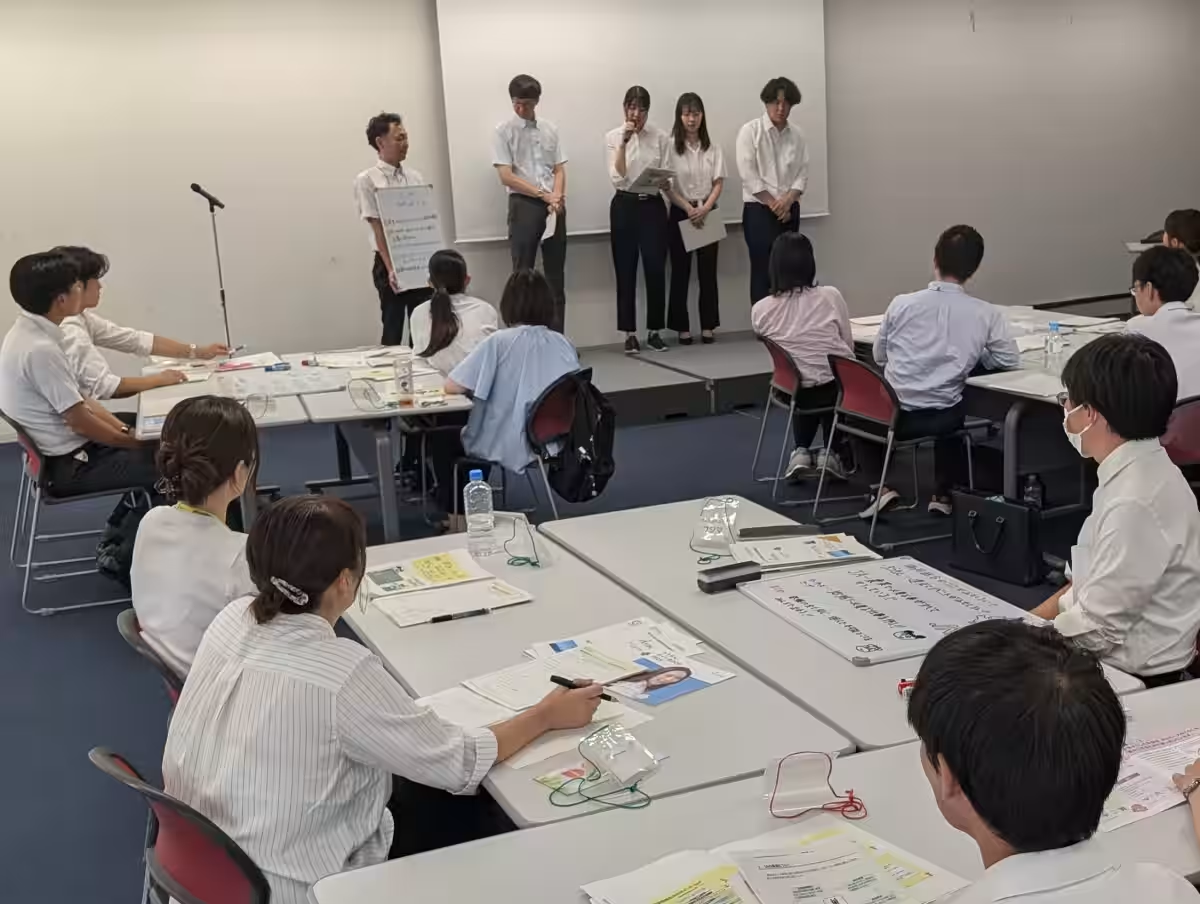
In a bid to enhance understanding of cooperative structures across various sectors, Pal System Federation (headquartered in Shinjuku, Tokyo) held a comprehensive training program aimed at group employees. Spanning over three sessions in July and October of 2025, and February of 2026, the initiative drew participation from 87 participants representing different sectors such as agriculture, finance, and worker cooperatives. This program sought to deepen understanding of the crucial roles cooperatives play in society.
Understanding Cooperatives Through Diverse Perspectives
The training sessions featured guest speakers who shared insights from their respective organizations. Invited representatives included Masao Hiramoto, the President of Kanagawa Prefectural Central Union of Agriculture Cooperatives, Yasunori Nishida from the National Labor Bank Association, and Toru Fujita from Workers’ Coop Center Business Corporation. Each expert provided an overview of their organization, followed by interactive group discussions aimed at fostering a collaborative learning environment.
The sessions were coordinated by the nonprofit organization Kurashi Support with a specific focus on providing internships aimed at establishing connections within the cooperative sphere. They facilitated discussions on the fundamental characteristics of cooperatives and shared a variety of examples of their operations both domestically and internationally.
Key Features of Cooperatives in Different Sectors
Cooperatives, especially in agriculture, are designed to enhance the livelihoods of their members by offering not only products like seeds and fertilizers but also advisory services on production techniques. A distinctive aspect of agricultural cooperatives is their comprehensive approach, engaging not only farmers but also local community members as 'quasi-members'. This allows a broader spectrum of the community to participate in cooperative activities.
Labor credit unions, which emerged in the wake of post-war economic tumult, serve as financial institutions designed for the working populace, with personal loans constituting a remarkable 98% of their services. The emphasis on returning profits to member-users, coupled with cost-free ATM services, further illustrates their member-oriented approach.
Additionally, Workers' Cooperatives—established under the Worker Cooperative Act of 2022—represent an innovative form of organization. Here, workers themselves invest and participate in management, creating a unique dynamic that engages over 11.15 million individuals worldwide. In Japan, approximately 180 of these cooperatives have sprung up, focusing on areas like senior care and childcare services.
Group Discussions Unveiling Strengths and Challenges
During the group discussions, participants articulated the strengths of cooperatives, emphasizing points such as collaborative problem-solving and equitable platforms for contributions irrespective of personal wealth. However, challenges were also identified, including the lesser-known advantages of cooperatives within broader social contexts.
Yurie Kubo from Kurashi Support encouraged participants by stating, “Instead of waiting for someone else to take charge, it’s vital for stakeholders to come together to address issues collectively. Use your creativity to contribute to a better society through cooperatives.” Her empowering words highlighted a pivotal principle underlying the cooperative model—collective action for mutual benefit.
Pal System Federation Overview
As of March 2025, Pal System Federation, located at 2-2-6 Okubo, Shinjuku, Tokyo, operates under the leadership of its president, Tomoyuki Shibusawa. The organization's total business volume stands at a notable 260.42 billion yen, serving over 1.76 million members across various regional cooperatives, including Tokyo, Kanagawa, Chiba, Saitama, and others. For more information, please visit Pal System's official website.

Topics People & Culture)



【About Using Articles】
You can freely use the title and article content by linking to the page where the article is posted.
※ Images cannot be used.
【About Links】
Links are free to use.