



Record Increase in Rental Pallet Supply Amid Logistics Challenges in Japan
Record Increase in Rental Pallet Supply Amid Logistics Challenges in Japan
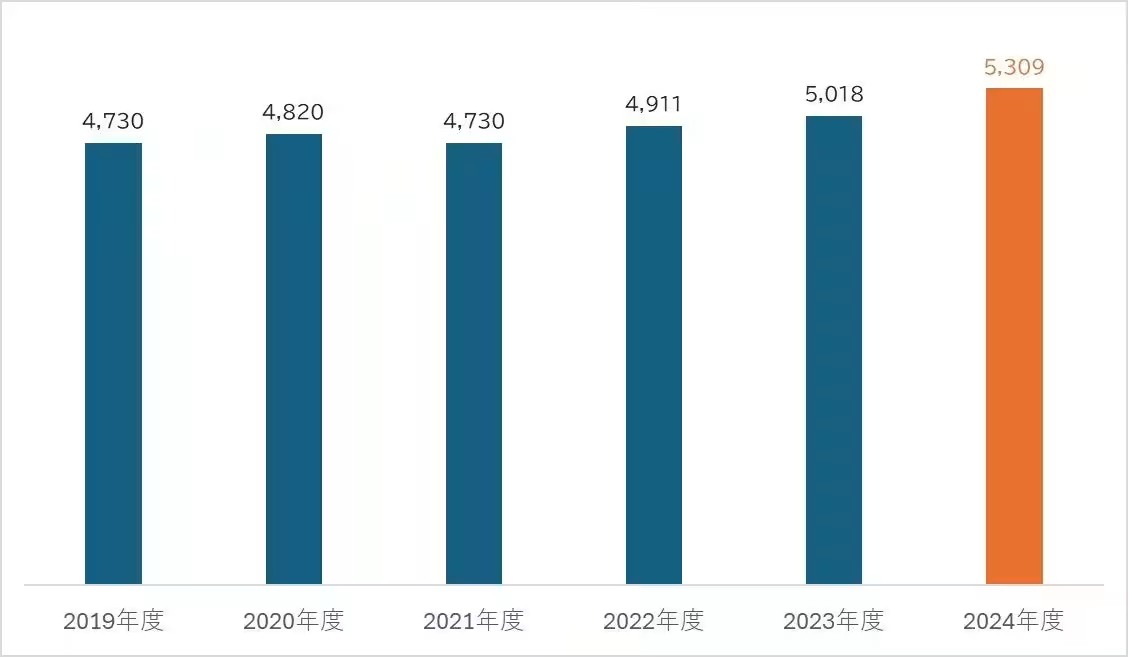
The logistics industry in Japan is experiencing significant challenges due to labor shortages, particularly among truck drivers. As part of the efforts to mitigate these issues, Japan Pallet Rental Co., Ltd. (JPR), led by President Atsushi Nimura, has reported a historic increase in the supply of rental pallets for the fiscal year 2024. The number of pallets provided to businesses is expected to reach around 53.09 million, marking a 5.8% rise compared to the previous year, the highest recorded to date.
Increasing Demand for Pallet Transport
In light of the so-called "Logistics 2024 problem," an urgency has surfaced among companies to ensure stable truck transportation through the adoption of pallet shipping. JPR's rental pallets are primarily utilized in the processed food and daily necessities sectors, with growing interest from newly emerging industries such as agriculture, frozen foods, and confectionery.
The average annual growth rate of rental pallet supply from 2019 to 2024 was 2.3%. In contrast, the surge of 5.8% observed this year demonstrates an increasing reliance on JPR’s services as companies seek solutions to secure necessary trucking capacity for transporting goods effectively.
Challenges in the Trucking Industry
As the shortage of truck drivers becomes more acute, the government is urging businesses to alleviate the burden on drivers through new legislation aimed at reducing manual handling and wait times. This shift has led transportation companies to avoid partnerships with clients requiring extensive manual labor, further complicating efforts for companies to secure vehicles for transporting their products. JPR attributes the increasing supply of rental pallets to the rising number of businesses and industries adopting pallet transport.
Innovative Pallet Transport Services
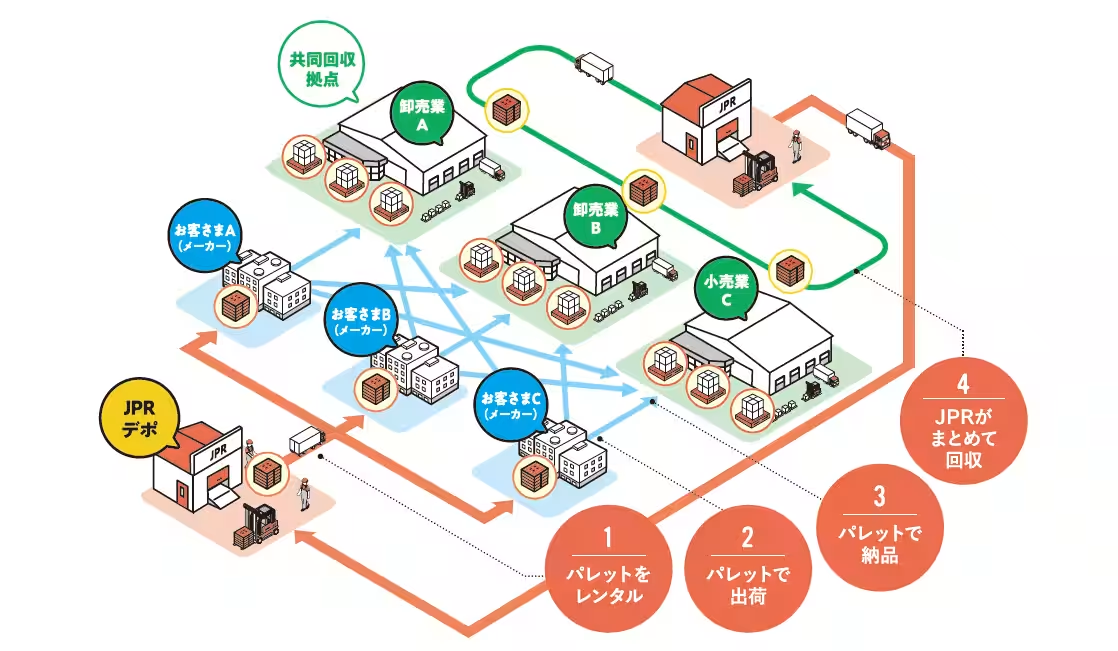
JPR offers services designed to facilitate pallet transport by holding standard pallets on behalf of businesses and supplying them from a nationwide network of pallet depots. Notably, JPR has implemented a "joint collection system" which allows for the collective retrieval of empty pallets from wholesale and retail logistics centers rather than requiring each client to return their pallets individually.
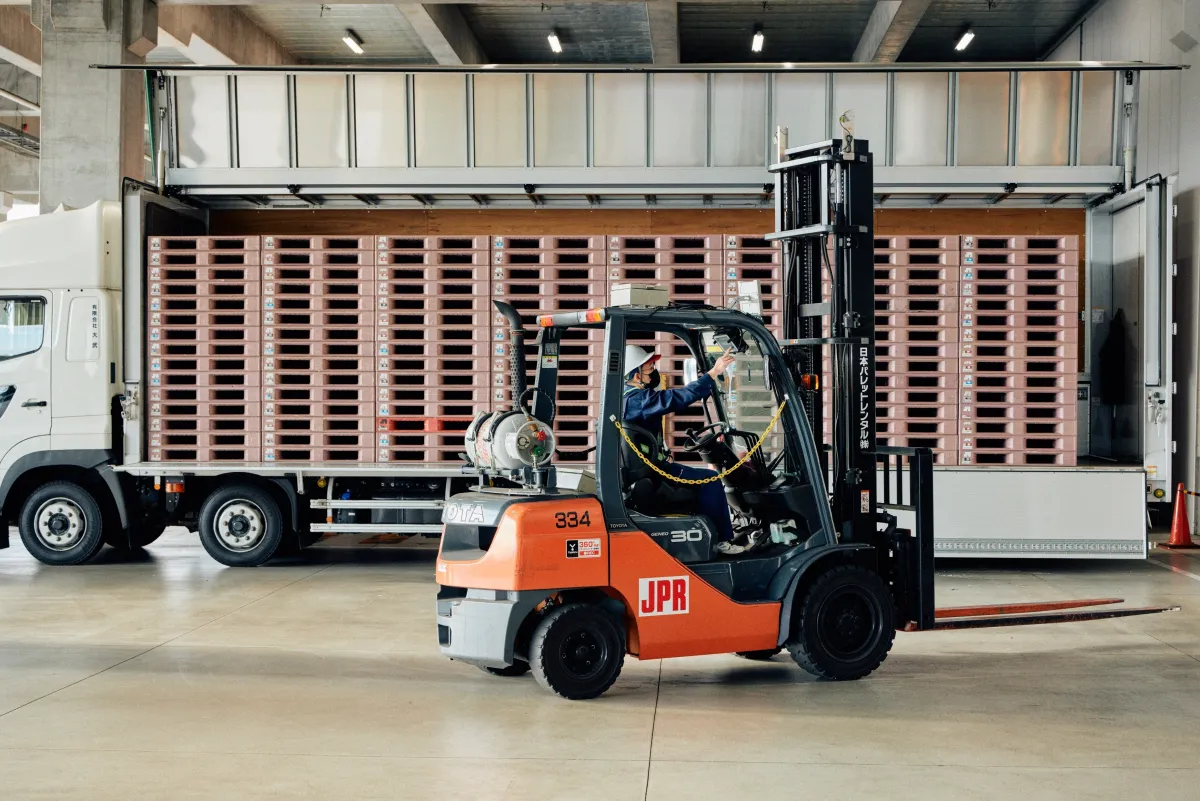
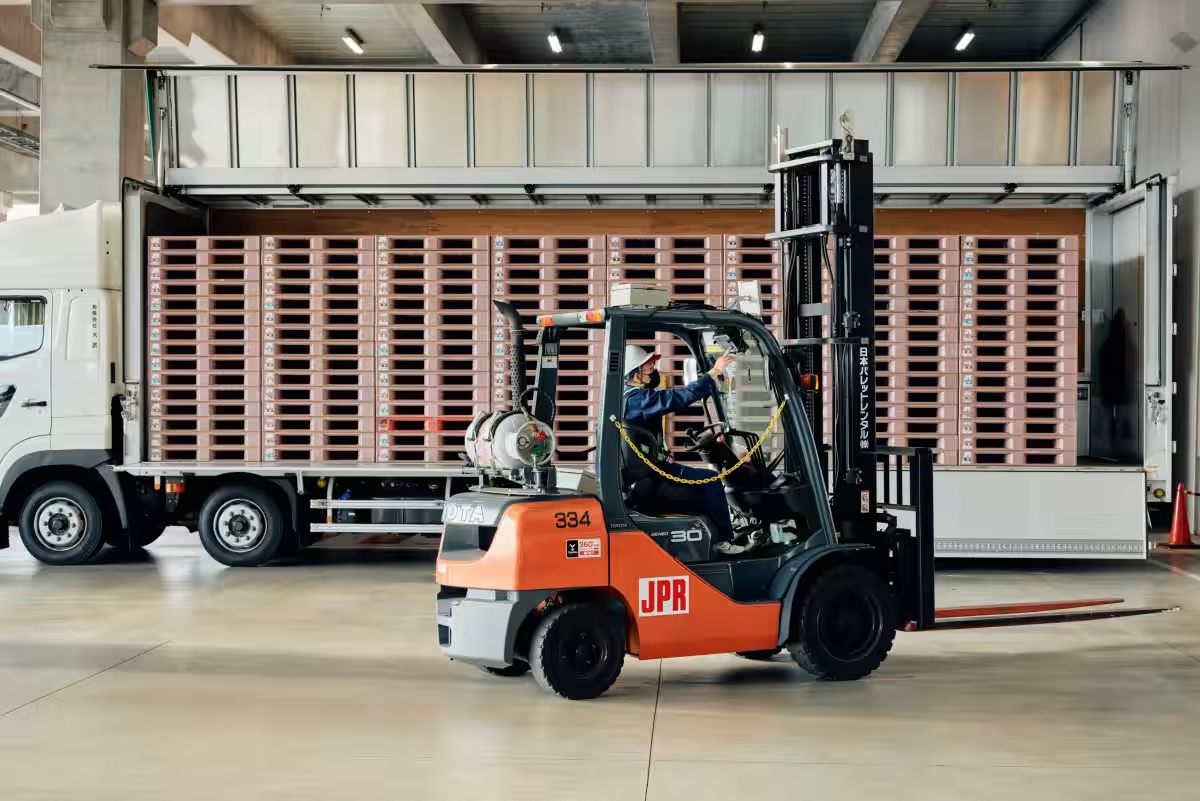
This system enables multiple companies to share pallets, functioning like a relay baton, thus achieving uninterrupted transport from point of origin to destination without the need for reloading cargo mid-route, a process known as "consistent palletization." Traditionally, manual loading of a single truck could take between one and two hours. However, through the use of JPR’s rental pallets and forklifts, this time can be significantly reduced to about a quarter of the original duration, benefiting both drivers and companies alike.
Expansion of Joint Collection Points
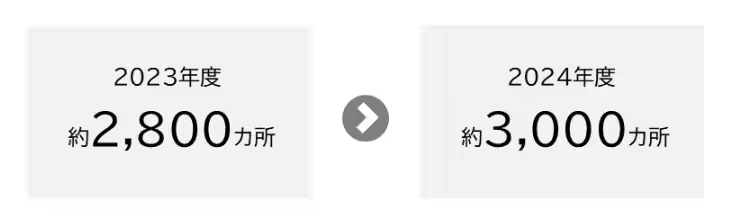
To enhance the pallet transport experience, JPR is actively expanding its joint collection points, where empty pallets are gathered. In the fiscal year 2024, the number of registered collection points surpassed 3,000, primarily focusing on logistics centers that deal with processed foods and daily necessities. The service is starting to branch out into new sectors, showcasing its versatility and adaptability.
Examples of new registration points include logistics centers for e-commerce, drug stores, and cold storage facilities handling frozen products, as well as wholesale markets for fresh produce.
Strengthening Supply Capabilities
JPR continues to bolster its supply framework in response to the growing demand for rental pallets in 2024. Significant structural changes have been implemented including the closure of the Fukuoka Shinmiyama depot and the establishment of the Fukuoka Koga depot. Moreover, there has been an expansion at the Sendai depot, which serves as a core facility in the Tohoku region. By enhancing capacity and reassessing depot locations, JPR is effectively reducing the need for inter-regional transport of empty pallets, which in turn decreases the overall number of trucks required.
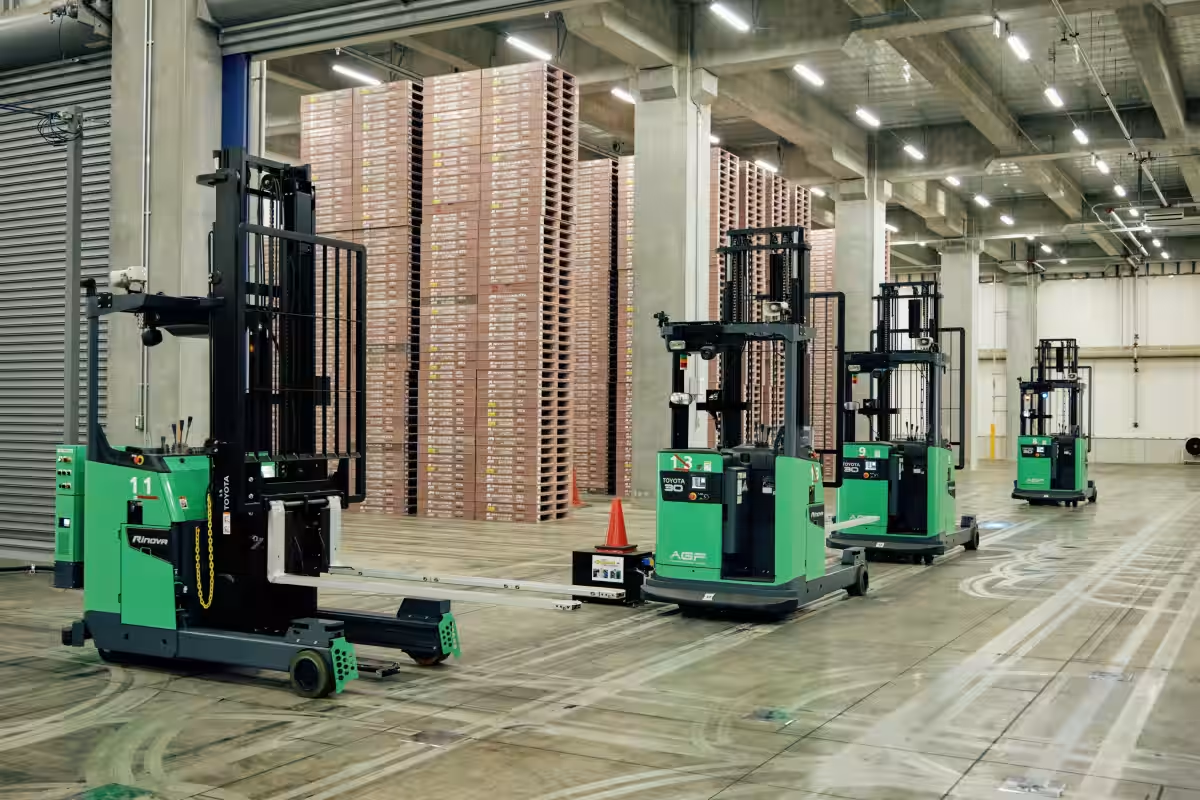
Additionally, JPR is advancing automation and reducing manpower requirements in their depots, incorporating unmanned forklifts into operational processes to further streamline services, enhancing efficiency, and increasing reliability.
Conclusion
JPR’s rental pallet service stands as a pivotal solution in addressing the logistics challenges faced in Japan today. By facilitating efficient transport and improving operational processes, JPR is not only aiding the trucking industry but also securing the future of logistics transportation amid emerging difficulties. For detailed information about their services and customer case studies, visit JPR Rental Pallet Service and Customer Success Stories.
Topics Consumer Products & Retail)
【About Using Articles】
You can freely use the title and article content by linking to the page where the article is posted.
※ Images cannot be used.
【About Links】
Links are free to use.