



High Satisfaction Rates Among Buyers of Second-Hand Condominiums in Japan Revealed
Survey Overview
In a recent study conducted by MEMOCO, in collaboration with the quality management and content creation company Smunara, 118 buyers of second-hand condominiums shared their satisfaction levels post-purchase. The survey, aimed at understanding why individuals choose second-hand condominiums, was carried out between March 8, 2025, and August 1, 2025.
Demographics
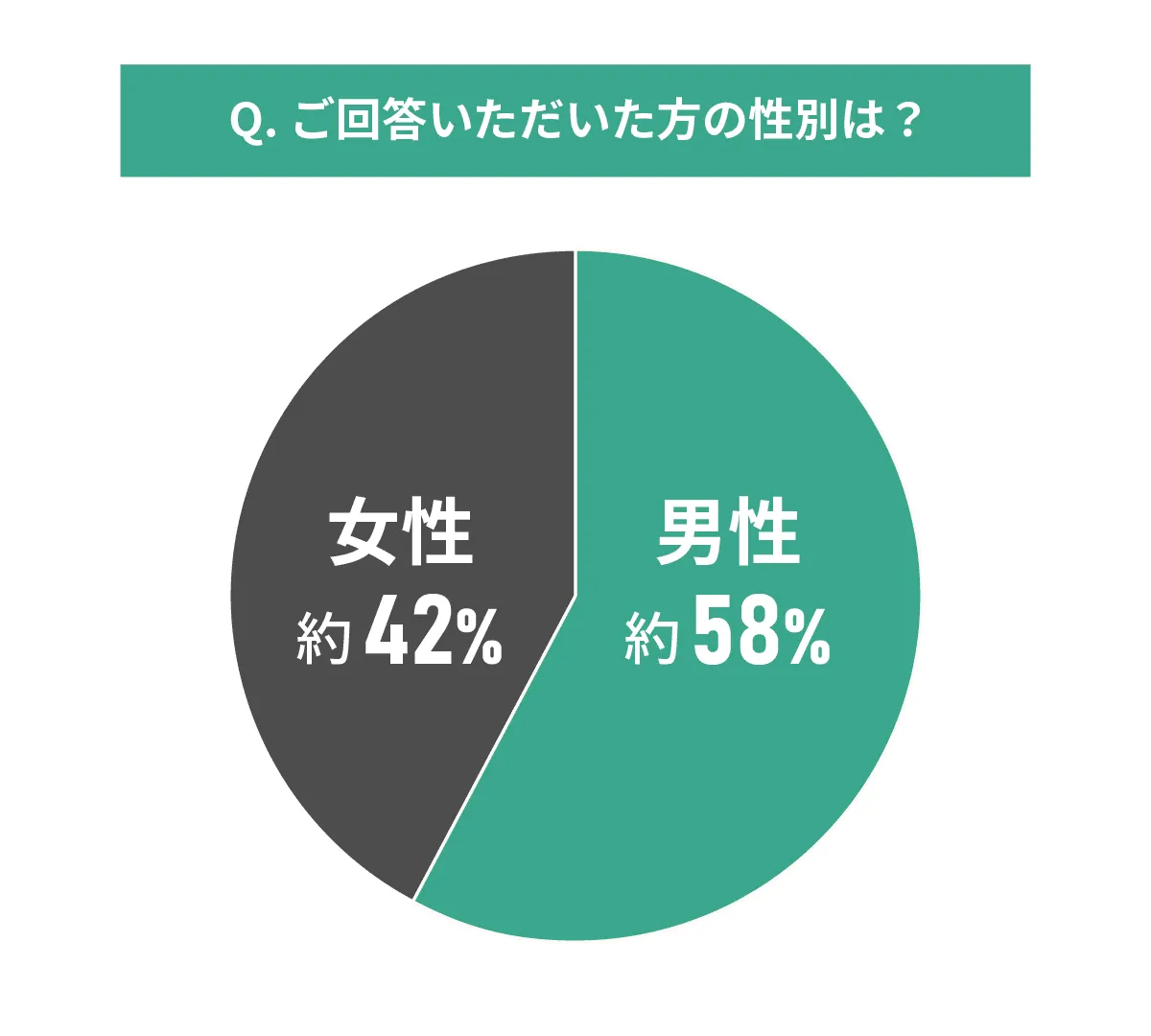
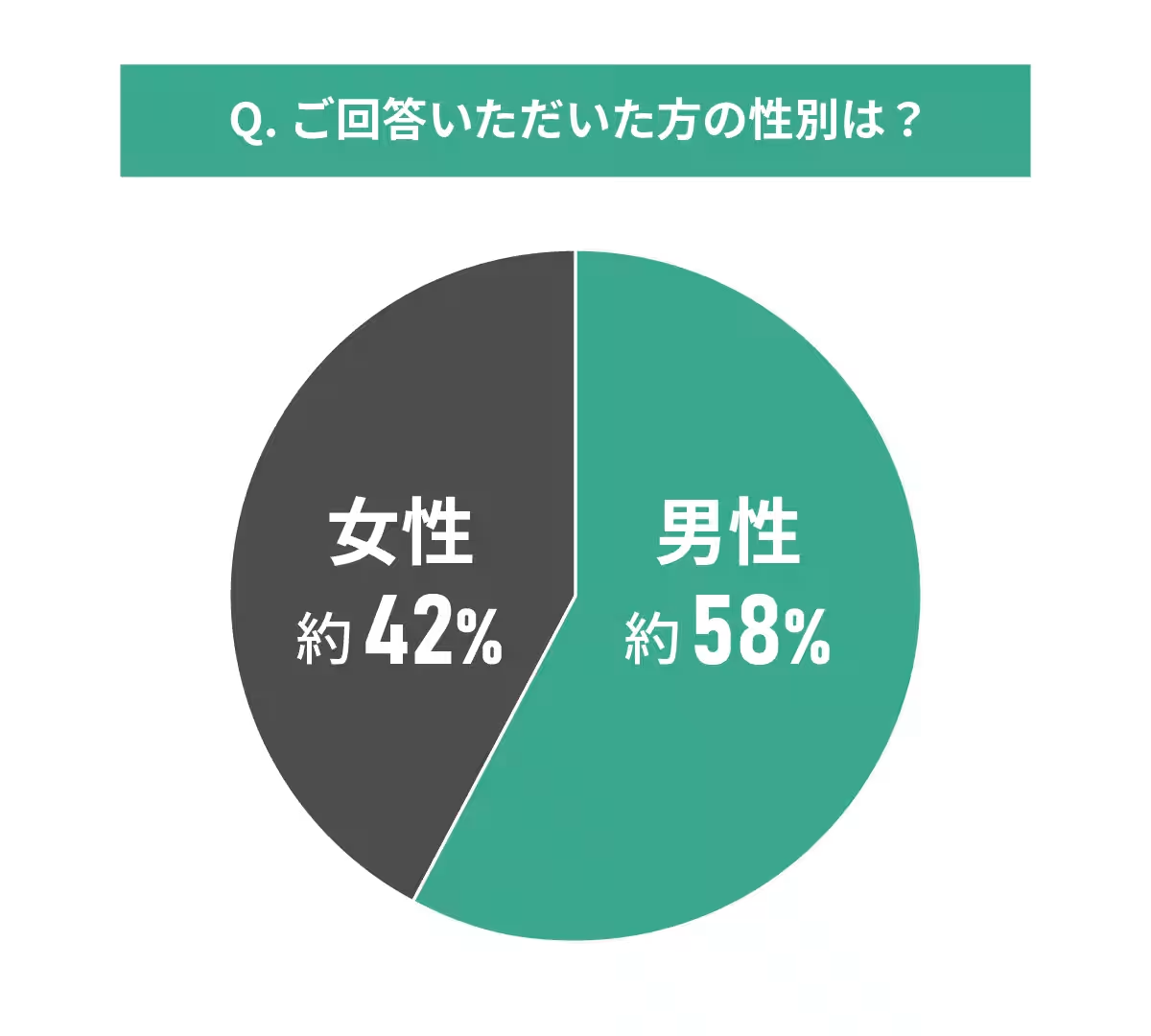
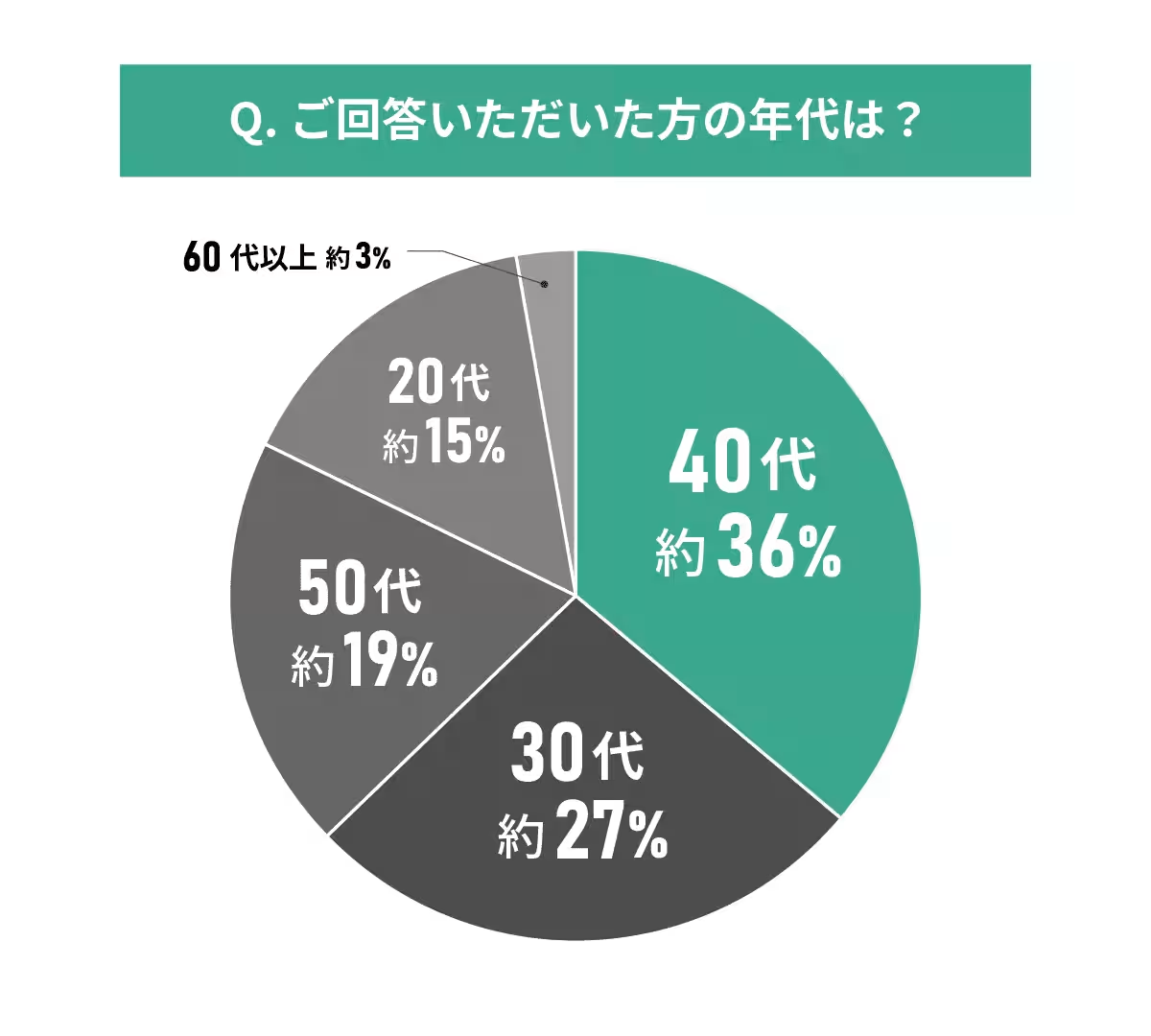
The survey comprised 119 participants, with a gender distribution of approximately 58% male (69 respondents) and 42% female (50 respondents). The age groups varied as follows:
- - 20s: 15%
- - 30s: 27%
- - 40s: 36%
- - 50s: 19%
- - 60s and above: 3%
Motivation Behind Choosing Second-Hand Condominiums
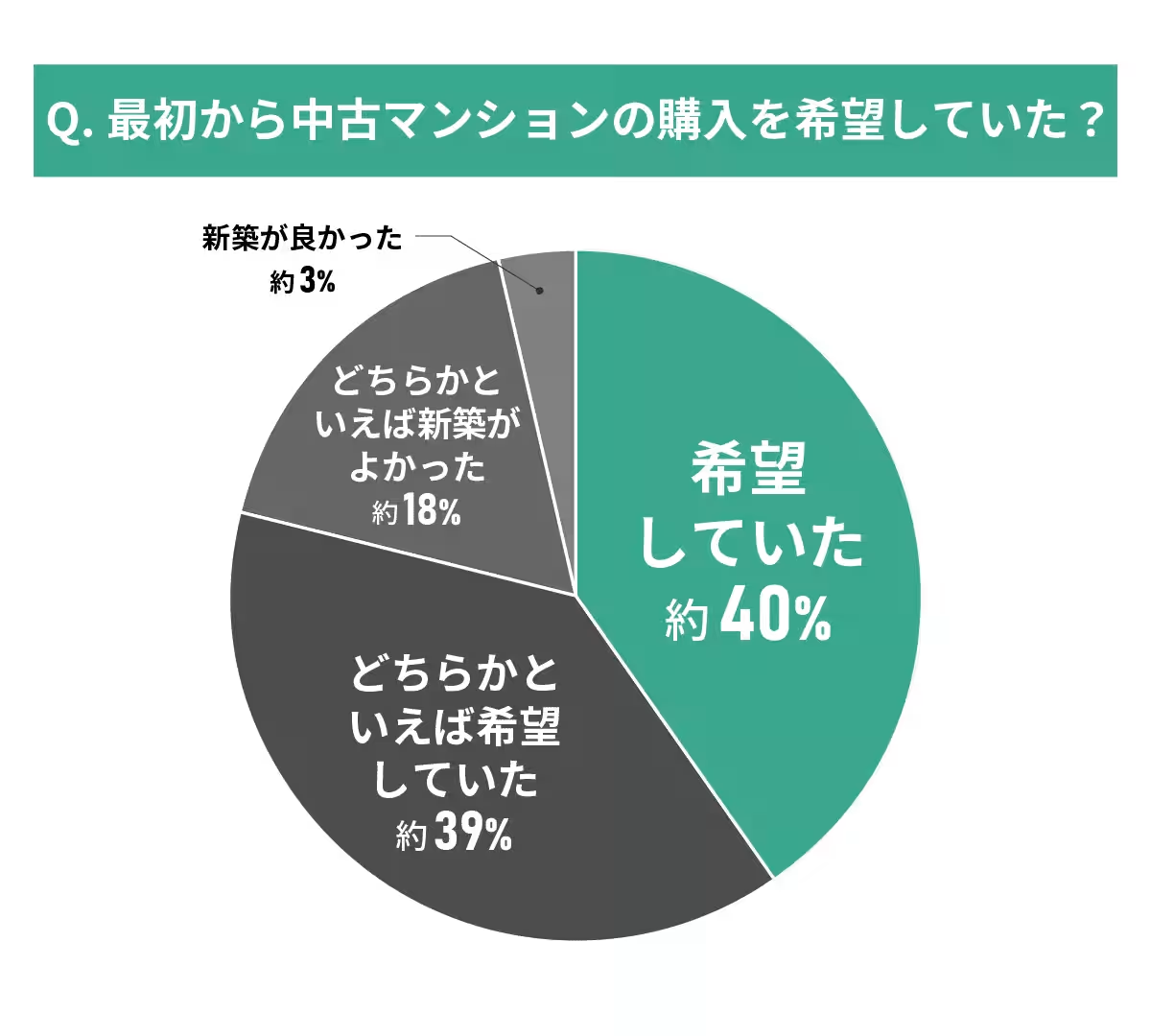
The survey results highlighted that many participants actively preferred purchasing second-hand properties. Despite a cultural allure towards new builds, practical constraints led a significant portion of buyers to opt for second-hand options. Key reasons included:
- - Cost Advantages: Many respondents cited the high costs of new constructions, stating, “New builds are too expensive, so I resorted to used ones.”
- - Value for Money: The affordability of second-hand options attracted buyers, with comments like, “The prices are much lower.”
- - Location Benefits: Buyers appreciated the better location opportunities, with statements like, “I couldn't afford the area with new builds.”
- - Asset Stability: About 79% of respondents were hopeful about second-hand purchases, focusing on a balance between price and premium quality locations.
Satisfaction Post-Purchase
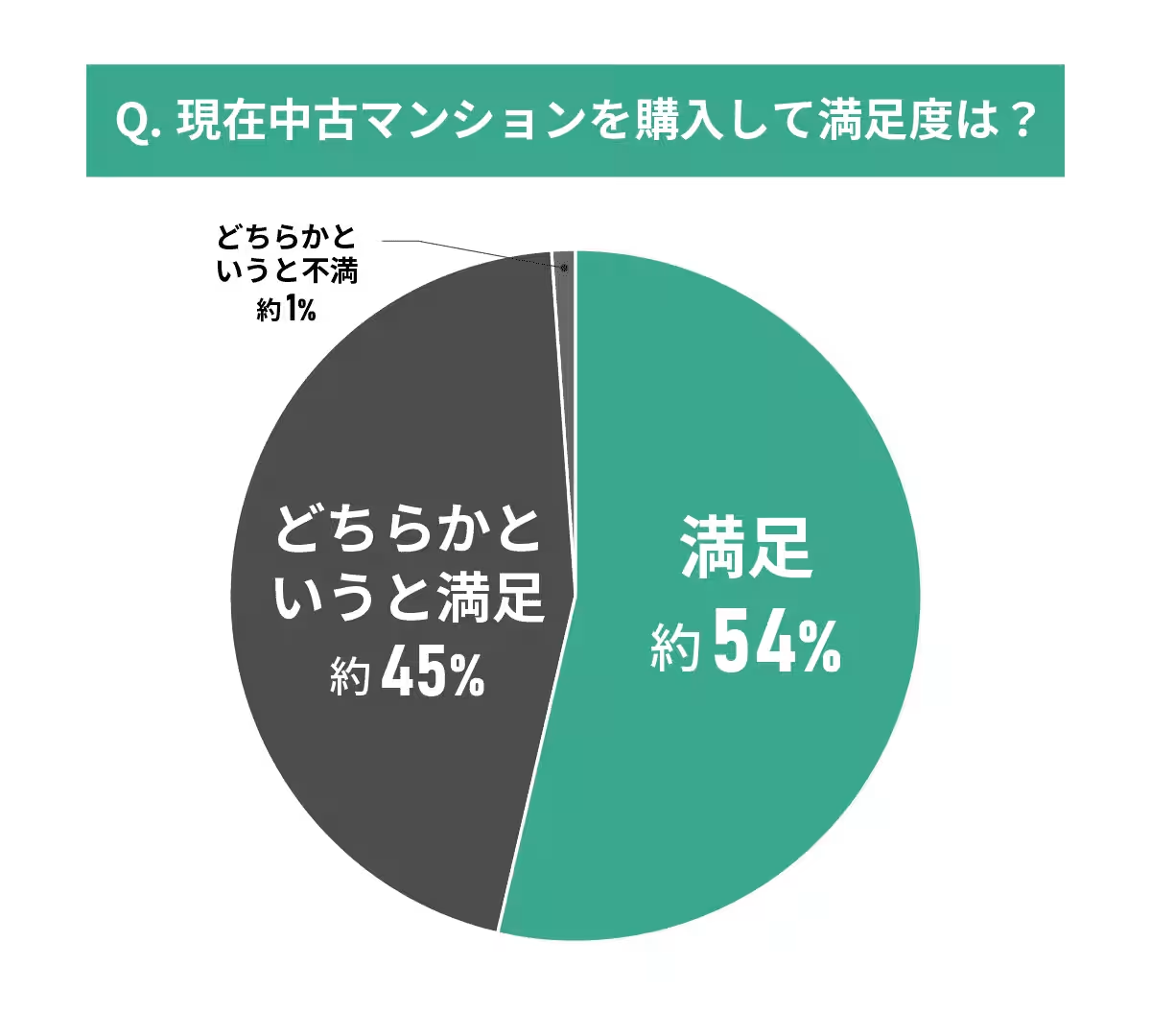
When considering their overall satisfaction with their second-hand condominium purchases, nearly all participants reported positive experiences. The results showed:
- - Satisfied: 54%
- - Somewhat Satisfied: 45%
- - Somewhat Dissatisfied: 1%
- - Dissatisfied: 0%
This high level of satisfaction signifies a mature second-hand condominium market that meets buyer demands effectively.
Reasons for High Satisfaction
The high satisfaction rates were attributed to several factors:
1. Cost-Performance: Participants noted that prices allowed them to live in desirable locations.
2. Condition of Properties: Many found their properties well-maintained and visually appealing, with comments celebrating “surprisingly good conditions.”
3. Living Environment: The amenities and overall surrounding area received accolades, with quotes like, “Convenient for commuting with good sunlight.” 99% of respondents expressed high satisfaction levels, highlighting the market's alignment with consumer expectations.
Generational Trends in Purchasing Second-Hand Condos
The motivations for purchasing second-hand condominiums showed distinct trends across different age groups:
- - 20s: This group emphasized cost and personal space, expressing excitement for renovations within budget.
- - 30s and 40s: As a dominant buyer demographic, they prioritized family needs, preferring spacious and well-located options that cater to everyday life.
- - 50s and Above: Older buyers focused on investment value and convenience, with comments centered around quality of life and stability.
Gender Differences in Purchasing Motivations
Insights into gender differences revealed:
- - Women: Tended to focus more on living conditions and the aesthetic quality of properties, expressing desires for homes that are ready to live in.
- - Men: Generally emphasized cost and rational economic decisions, often viewing properties as investments.
Despite these differences, satisfaction levels were comparable between genders, showcasing a maturation in the market.
Conclusion
The survey results demonstrate a growing appetite for second-hand condominiums among Japanese buyers. With an emphasis on affordability, quality, and living conditions, the second-hand market shows promise for continued growth. As consumer preferences shift from a fixation on new builds, the emerging trends underscore a more pragmatic approach to home buying that prioritizes practical benefits over extravagant ideals. The exceptional satisfaction rates among buyers suggest that the second-hand condominium market has become a significant player in meeting the diverse needs of Japanese homebuyers.
Topics Consumer Products & Retail)
【About Using Articles】
You can freely use the title and article content by linking to the page where the article is posted.
※ Images cannot be used.
【About Links】
Links are free to use.