



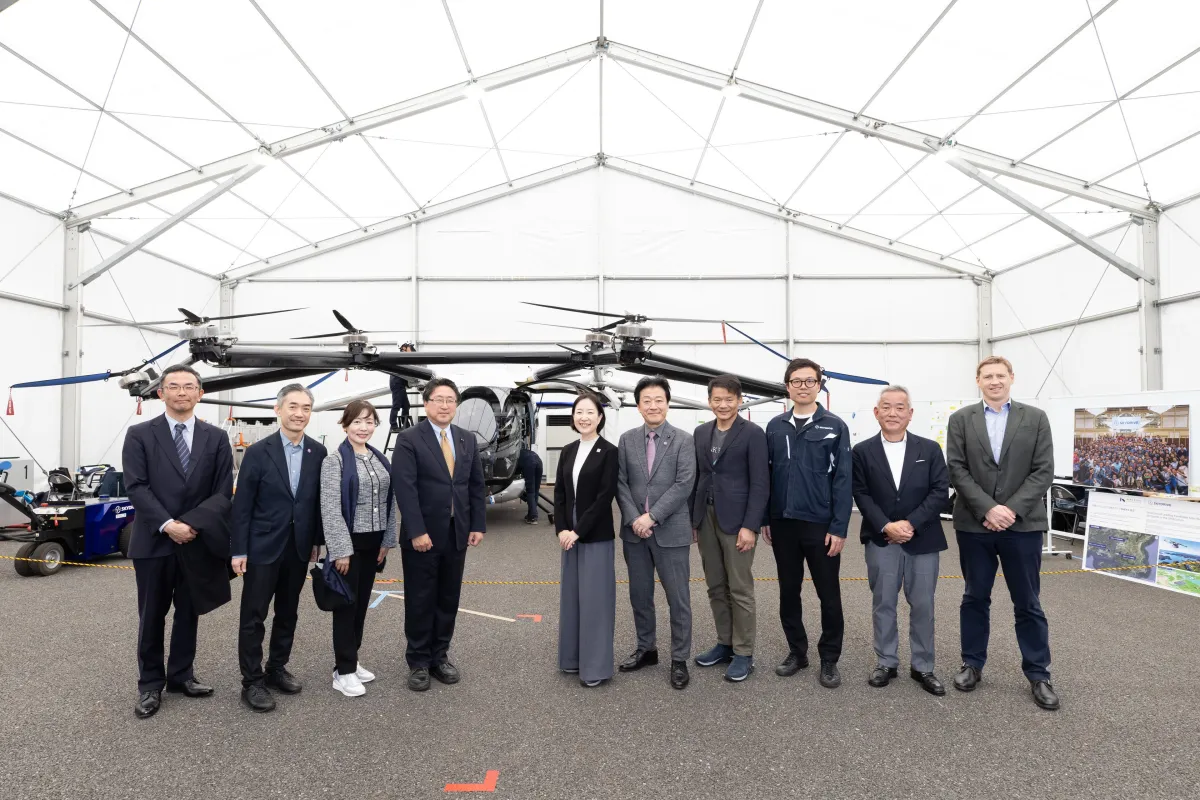
SkyDrive and Partners Launch Innovative Flying Car Project in Tokyo
Introduction
In an ambitious project approved by Tokyo's government, Mitsubishi Estate Co., Kanematsu Corp., and SkyDrive Inc. are pioneering the use of flying cars. From February 24 to February 28, 2026, these companies conducted a groundbreaking flight demonstration at the Tokyo Big Sight outdoor parking lot, simulating real-world operations for flying vehicles.
Objectives of the Project
This demonstration aims to identify operational challenges as flying cars prepare for societal integration. The project marks Japan's first attempt to utilize a flying vehicle and the Vertiport Automation System (VAS) to optimize passenger terminal operations. The VAS is designed to automate and enhance the management of vertiports, ensuring safety and efficiency in flying car operations.
Details About the Vertiport Automation System
The VAS is responsible for several critical functions:
- - Managing vertiport availability and monitoring surrounding airspace.
- - Supporting flight operations through digital management of resources.
- - Providing seamless customer experiences through check-in and passenger management systems to ensure high-frequency, safe, and secure flying operations.
Flight Demonstration Highlights
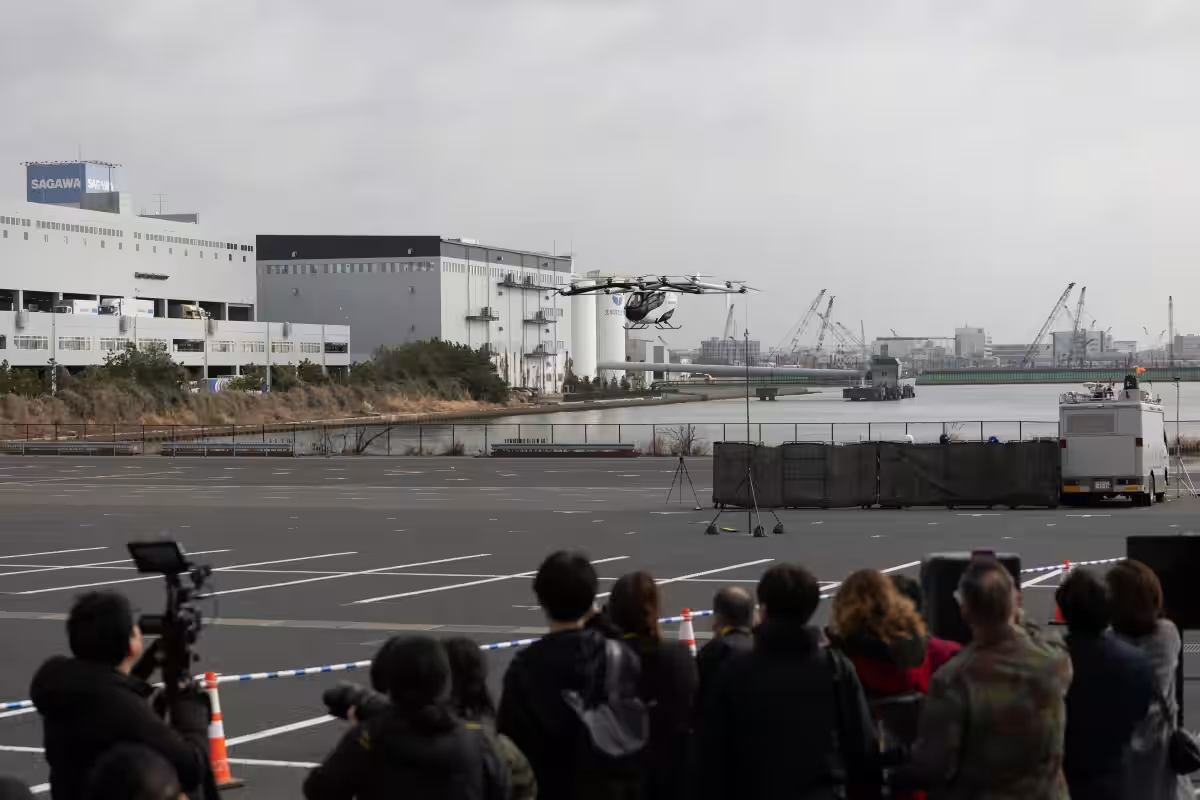
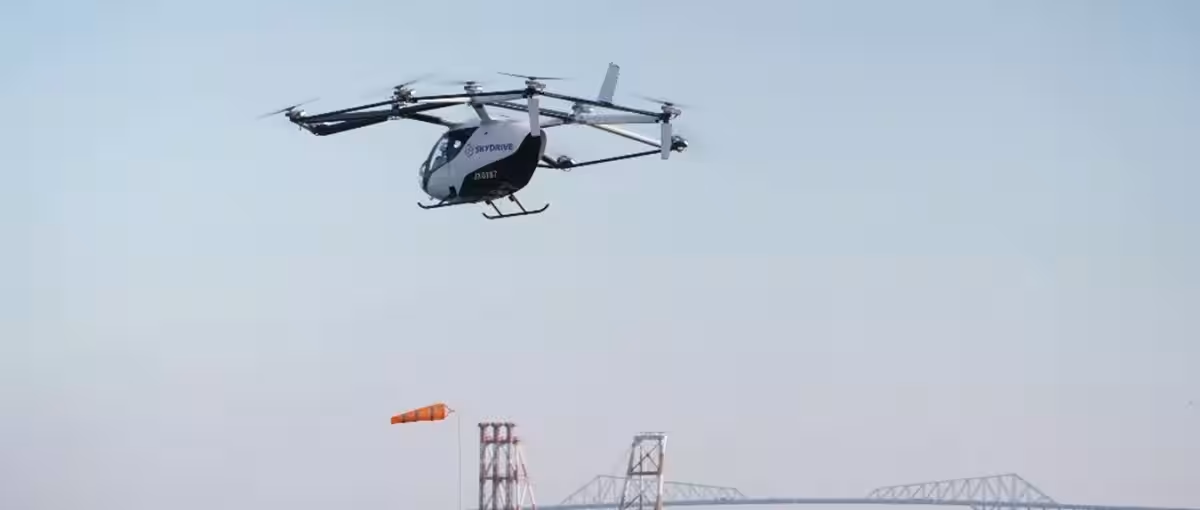
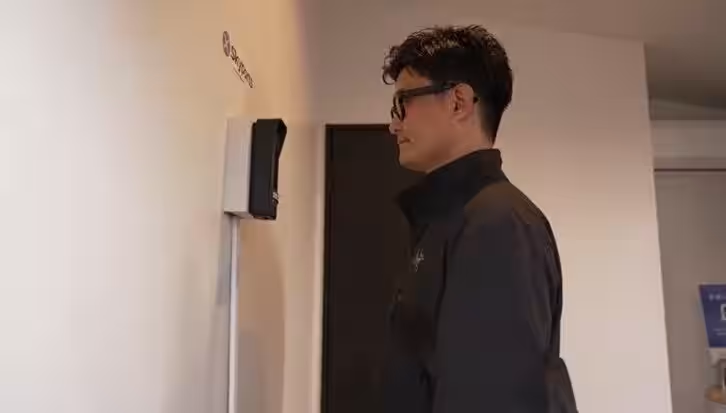
The terminal operations tested innovative features, including facial recognition for check-in and security screenings. General participants were recruited to provide feedback on their experiences, helping to refine the efficiency of terminal operations for future implementations. Notably, the first demo flight utilized a domestically-produced remote-controlled vehicle, showcasing the practical capabilities of flying cars.
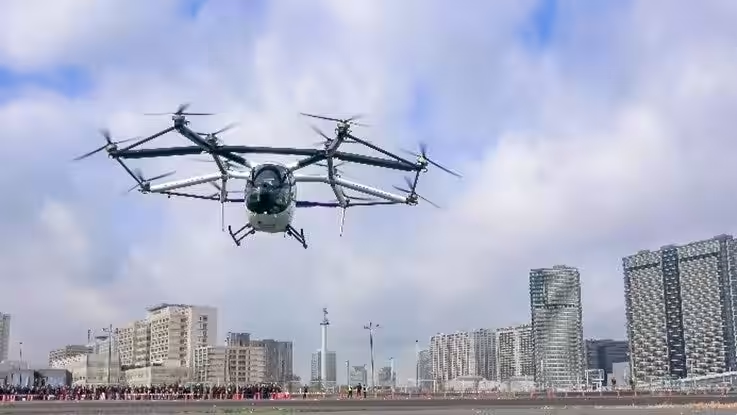
During the demonstration, a public open house took place to enhance understanding and social acceptance of this next-generation transportation method. Over 1,500 visitors attended, getting a close-up view of flying car landings, take-offs, and the operational management facilities of the terminal.
Future Prospects
The three companies plan to continue their collaboration focusing on the successful societal implementation and commercialization of flying mobility. Their collective efforts aim to address operational challenges and streamline the future of air transport.
Terminal Operations Insights
Passenger Terminal Operations Verification
The new passenger terminal, supported by the UK-based Skyports Corporation, features the Vertiport Automation System. The temporary terminal was equipped with various passenger processing technologies, allowing the public to interact with different stages of the boarding process, including:
- - Facial Recognition Check-In: Automating the check-in process for smoother boarding.
- - Security Screening: Ensuring safety through automated checks.
- - Informational Displays: Enhancing passengers' experience while waiting, with real-time updates on flight details.
Design and Structure
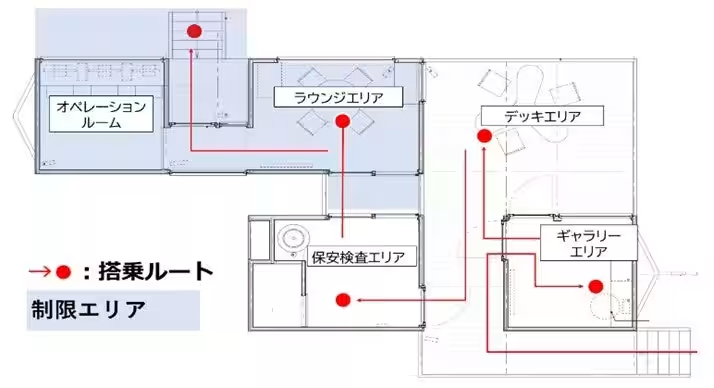
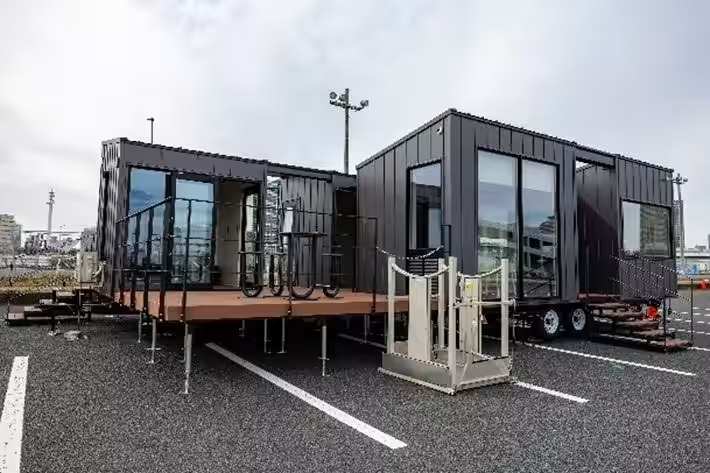
The terminal, crafted from mobile trailer houses, occupies approximately 54 square meters. Key features include:
- - Gallery Area: Exhibits related to flying vehicles.
- - Deck Area: An observation space to boost passenger anticipation.
- - Operation Room: A centralized monitoring system to manage landing and take-off activities effectively.
Flight Test Details
The demonstration included a controlled T-flight with the SkyDrive model SD-05, showcasing its capabilities:
- - Capacity: 3 passengers (1 pilot and 2 passengers).
- - Performance Specs: Speed up to 100 km/h, range between 15-40 km, flying time of 3.5 minutes over a distance of 150 meters.
Conclusion
This project represents a significant leap toward integrating flying cars into urban life. As Mitsubishi Estate, Kanematsu, and SkyDrive continue to refine their models, the future of mobility could see a vibrant new horizon with flying vehicles taking to the skies across urban environments.
Contact Information
For further inquiries, please reach out to:
- - Mitsubishi Estate Corp. - Public Relations Department: 03-3287-5200
- - Kanematsu Corp. - Public Relations Office: 03-6747-5000 Inquiries
- - SkyDrive Inc. - PR Email: [email protected] Contact SkyDrive.
Topics Consumer Technology)
【About Using Articles】
You can freely use the title and article content by linking to the page where the article is posted.
※ Images cannot be used.
【About Links】
Links are free to use.