



Ensuring Safe Disposal of Swollen Lithium-Ion Batteries in Tokyo's 23 Wards During July
Ensuring Safe Disposal of Swollen Lithium-Ion Batteries in Tokyo's 23 Wards During July
As the heat of July kicks in, many residents and businesses in Tokyo's 23 Wards are beginning to tackle home and office decluttering, leading to an increase in inquiries about the disposal of swollen lithium-ion batteries. The prevalence of devices that use rechargeable batteries — such as mobile phones, laptops, and electric tools — means that both households and workplaces often find themselves with a growing stockpile of these batteries that need proper disposal.
However, many people are hesitant about disposing of swollen batteries due to safety concerns. They often ask themselves questions like, "Is it safe to handle?" and "Where can I take these for disposal?" In fact, municipal authorities in many areas do not accept lithium-ion batteries, which leaves individuals and companies searching for alternatives.
In Tokyo's densely populated urban landscape, shared spaces in condominiums and commercial buildings can often turn into unwitting depositories for these batteries. For example, during reorganizations, residents might discover incorrectly stored or swollen batteries in shared areas like management offices and storage rooms.
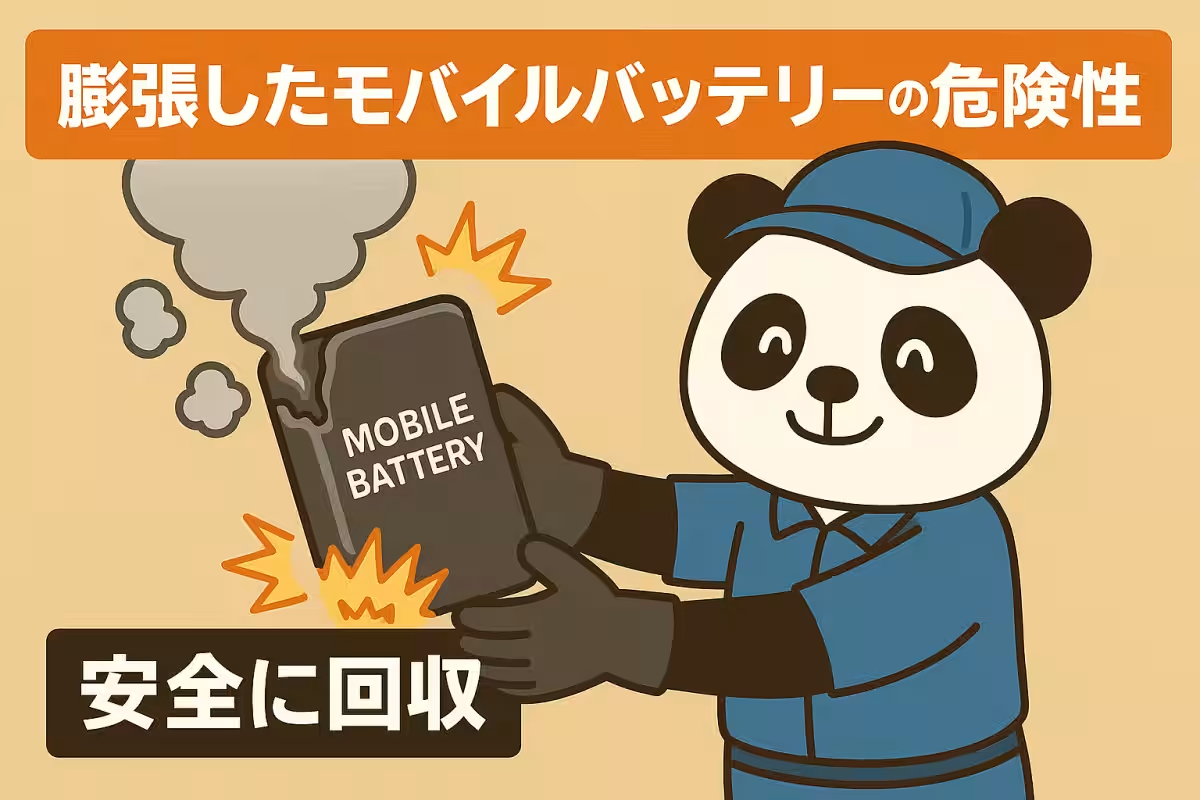
Similarly, businesses undergoing office relocations, equipment replacements, or inventory checks may stumble upon old computer, electric, or workplace device batteries they no longer know how to safely discard. The challenges surrounding safe disposal are exacerbated by the fact that lithium-ion batteries can be categorized as hazardous waste. In the unfortunate event that they are mishandled, it could lead to fire hazards during collection or at waste processing facilities.
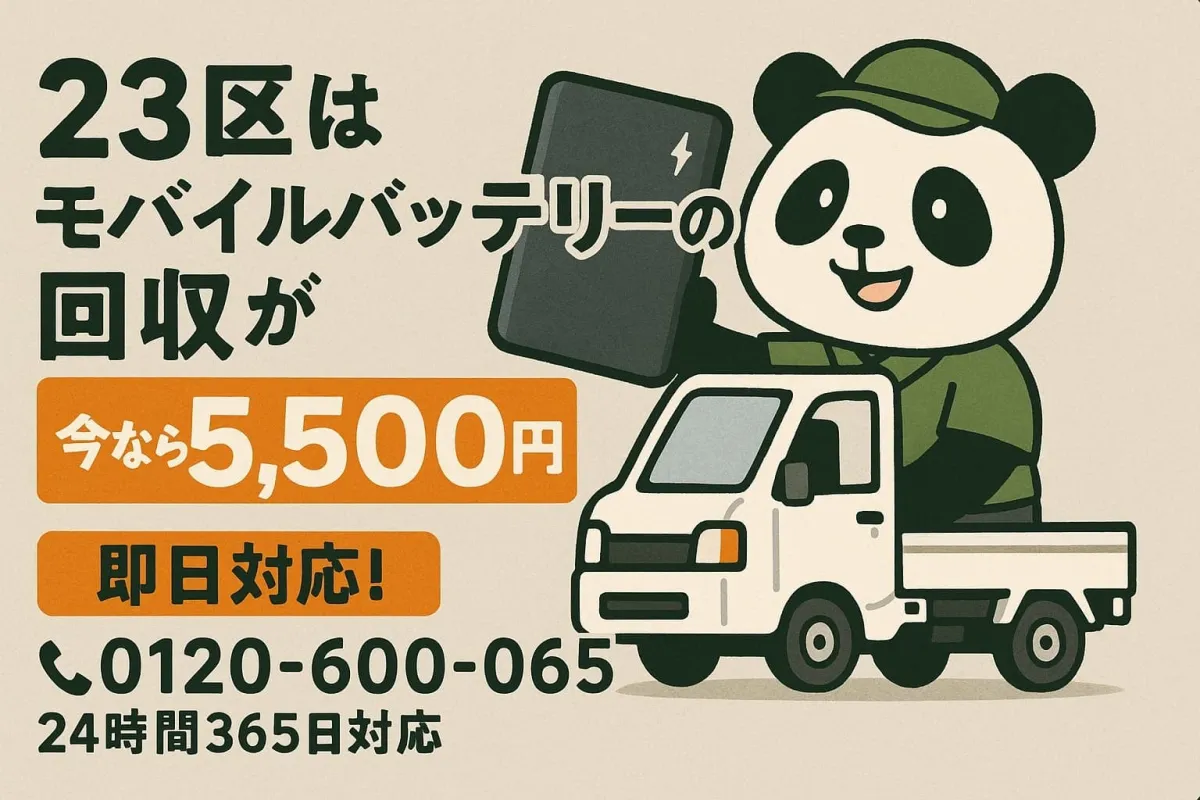
This situation has spurred companies like Marutto Honpo, operated by SYSTR Corporation, to address the ongoing need for safe battery disposal in the Tokyo 23 Wards. Throughout July, Marutto Honpo will continue to provide on-site services for the safe retrieval of swollen lithium-ion batteries. For a fee starting at 5,500 yen (including tax), they ensure strict compliance with fire safety regulations, insulation procedures, and proper legal disposal methods, significantly reducing the risk associated with battery storage.
As we focus on the necessity of finding safe and efficient disposal methods, it is important to highlight some background information regarding the cause of this wave of disposal inquiries. The rapid rise of devices using lithium-ion batteries includes not just smartphones and tablets, but also e-bikes, power tools, drones, and more. With the convenience these devices offer, the number of batteries in circulation has surged, posing a potential safety risk when improperly stored.
July, particularly, is a period when residents and businesses perform deep cleaning, undertake stocktaking, and review their equipment. This helps bring to light various batteries that have been gathering dust and could pose a hazard if not handled properly. The rising temperatures can further aggravate the situation, as prolonged exposure can lead to battery swelling or leakage.
Marutto Honpo is dedicated to facilitating safe disposal, providing collection services not just for households, but also for offices and commercial venues, helping to alleviate the burden of storing hazardous materials. Especially in a bustling urban environment like Tokyo, the company's timely intervention is crucial in lowering the risk associated with improperly stored batteries. This initiative aims to create a safer and more sustainable environment by enabling residents and businesses to responsibly dispose of potentially hazardous materials.
Confidential disposal of batteries — specifically swollen ones — requires an understanding of safety protocols. While the services are comprehensive, involving both in-person collection and clear communication through platforms like LINE, they have made it easier for individuals to request help after identifying problematic batteries.
As July progresses, potential risks involving lithium-ion batteries are likely to heighten. It is an essential month for both individuals and businesses to acknowledge and address the dangers of battery storage, promoting a safer environment for everyone. With these disposal services available, people won’t have to worry about lingering hazards in their homes or workplaces any longer. By prioritizing safety, we can effectively reduce risk and ensure responsible disposal practices are upheld in Tokyo's 23 Wards.
Topics Other)
【About Using Articles】
You can freely use the title and article content by linking to the page where the article is posted.
※ Images cannot be used.
【About Links】
Links are free to use.