



Survey Reveals 60% of Workers in Their 20s to 40s Would Consider Job Change if Companies Return to Office
The Shift in Work Culture: Will Remote Workers Seek New Roles?
As companies express intentions to bring their workforce back to physical offices, a recent survey conducted by LASSIC's Telework Research Institute highlights significant trends among employees aged 20 to 40. In this study, which included 1,009 participants with experience in remote work, it was found that a striking 51.8% of respondents would consider changing jobs if their workplace reverted to an office-based structure.
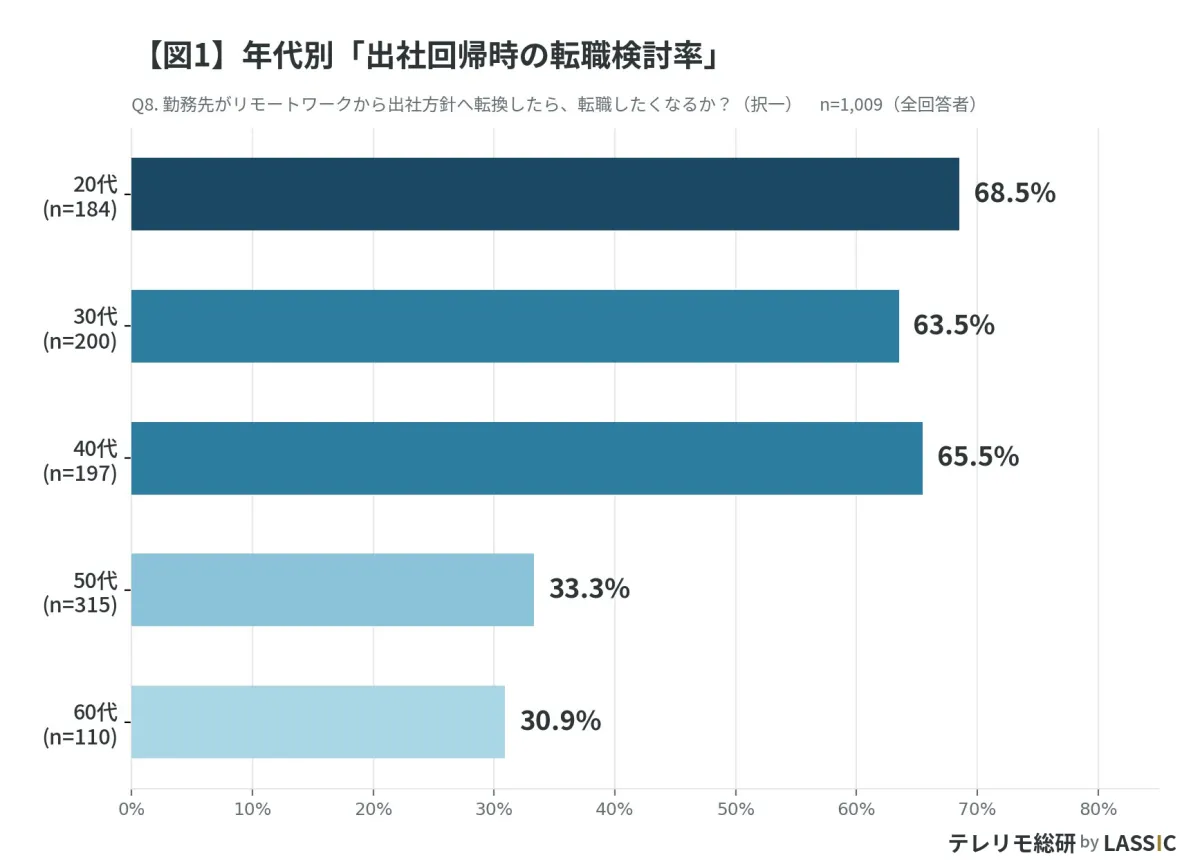
The data is particularly telling when broken down by age groups. Among those in their 20s, a remarkable 68.5% indicated they would actively seek a new position under a return-to-office plan. Similarly, 63.5% of individuals in their 30s and 65.5% of those in their 40s expressed the same sentiment, yielding an overall trend where over 60% of workers up to their 40s are willing to explore new job opportunities in response to this shift. Conversely, the response was notably lower for those in their 50s and 60s, with only 33.3% and 30.9% respectively considering a transition.
A Deep Dive into Worker Sentiments
The survey investigated several areas concerning work preferences and job change intentions amidst a potential paradigm shift. These included the importance of remote work in job selection, preferred working conditions during job searches, and expectations for workplace improvement by employers. Consistently, the findings revealed higher importance placed on remote work by younger individuals compared to their older counterparts.
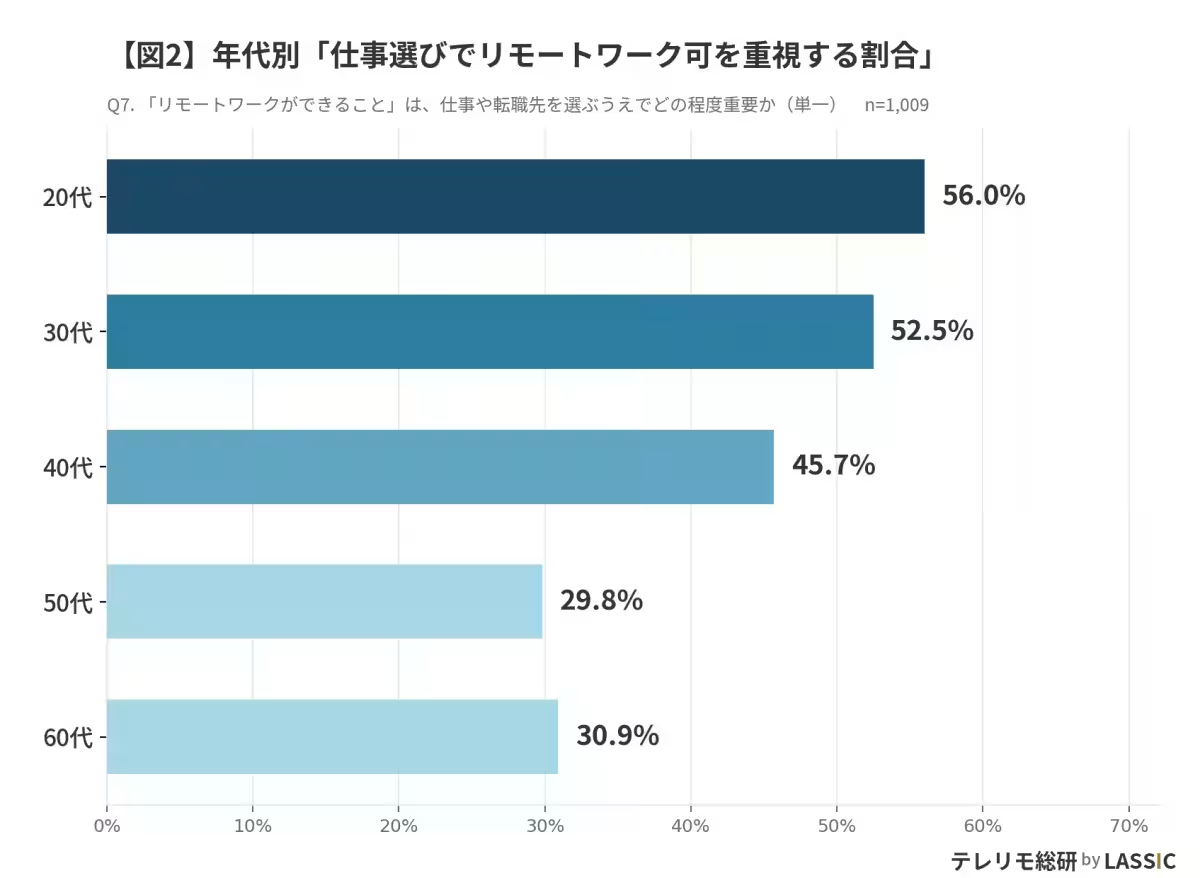
For example, when asked about the significance of remote work in their job selection process, a noteworthy 56% of respondents in their 20s reported it as either 'most important' or 'very important.' This sentiment was echoed by 52.5% of those in their 30s, while interest waned among older workers, with only 29.8% and 30.9% for individuals in their 50s and 60s, respectively.
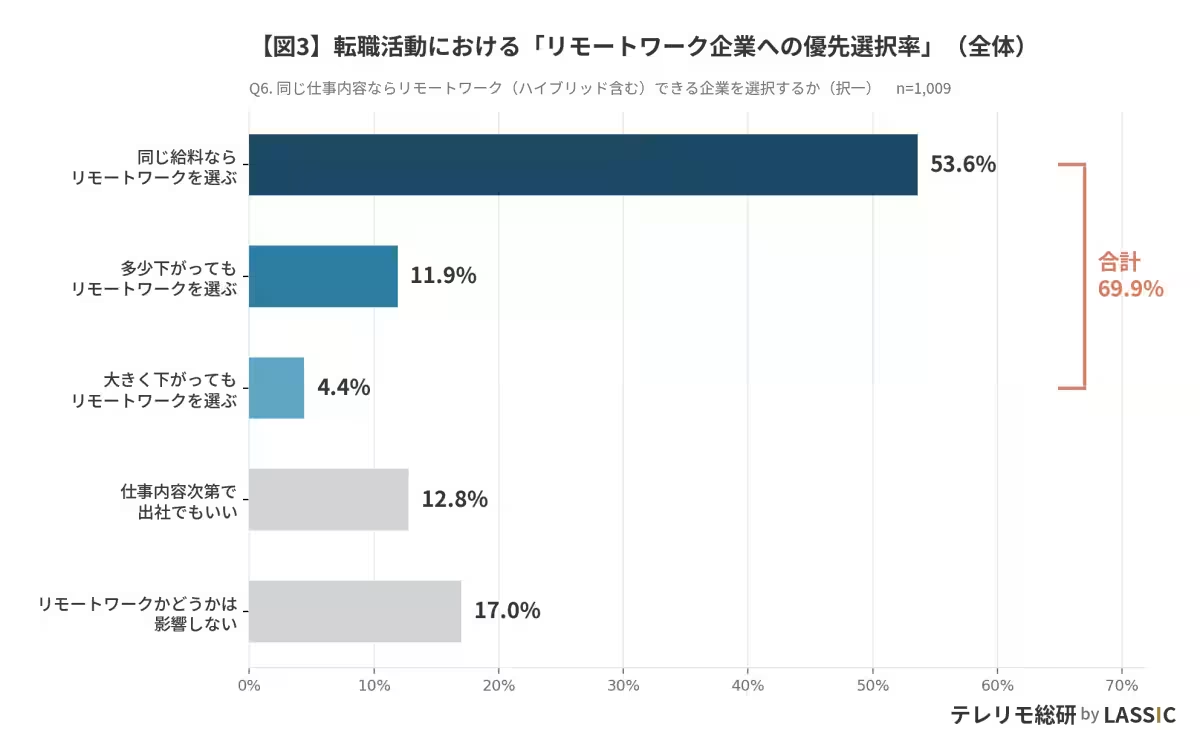
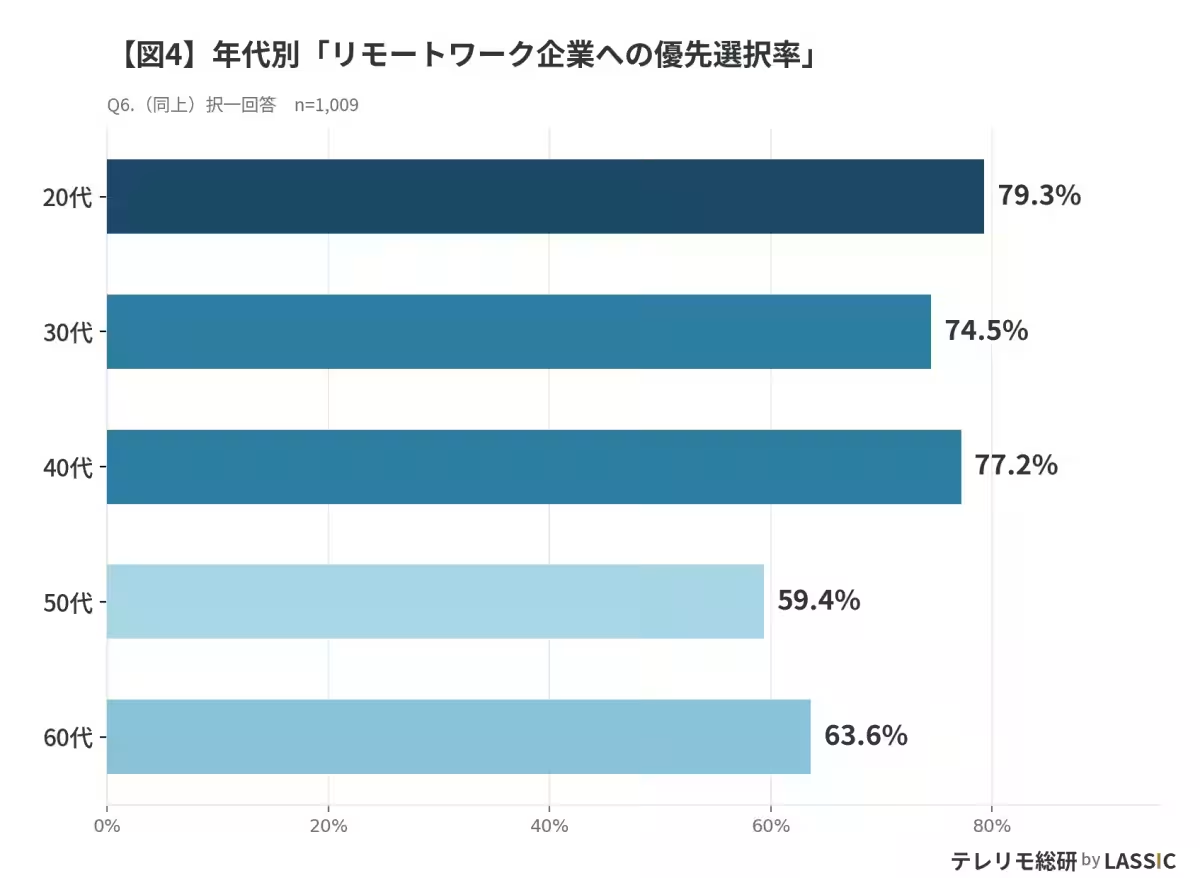
Additionally, 69.9% of all respondents indicated they would prioritize job openings that provide remote or hybrid options, with approaching 80% of those in their 20s affirming they would choose such positions—even if it meant a slight decrease in salary.
Reasons for Job Change Consideration
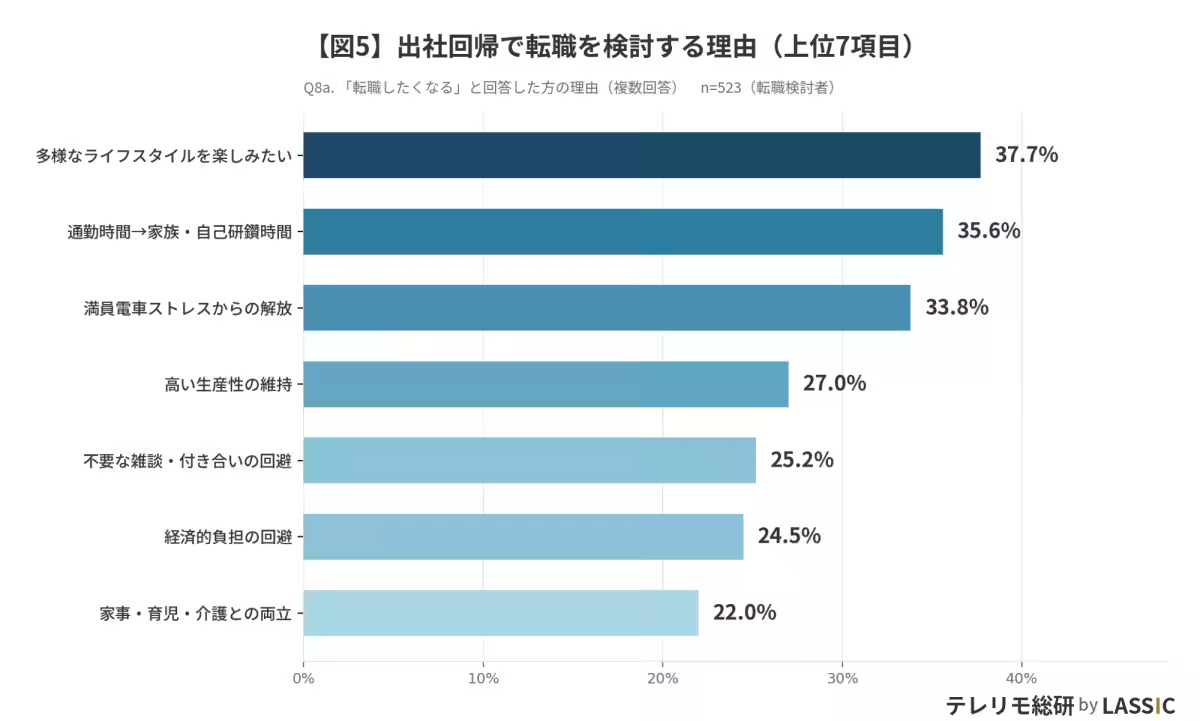
With a shift towards potential office returns, the survey also sought to understand the reasons prompting respondents to consider leaving their current jobs. Of those contemplating a career move, the leading reason (37.7%) was the desire to enjoy diverse lifestyles, encompassing personal hobbies and side ventures. A significant 35.6% noted they wanted to utilize their commuting time for family and self-development, and 33.8% expressed a longing to escape the stress of crowded public transportation.
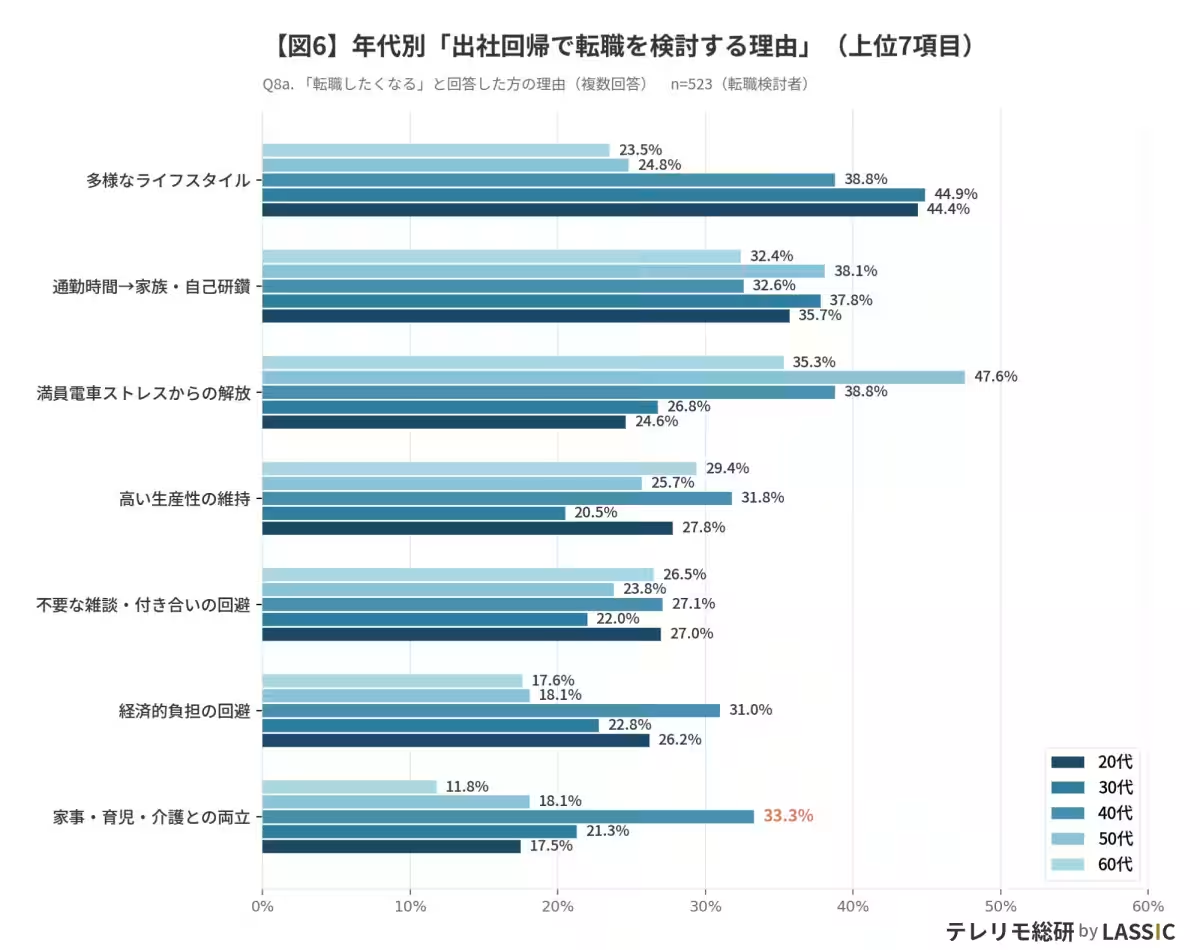
Notably, among older workers, concerns about balancing work with family responsibilities, such as childcare and caregiving, appeared as significant factors affecting their job change considerations.
Expectations for Improved Work Culture
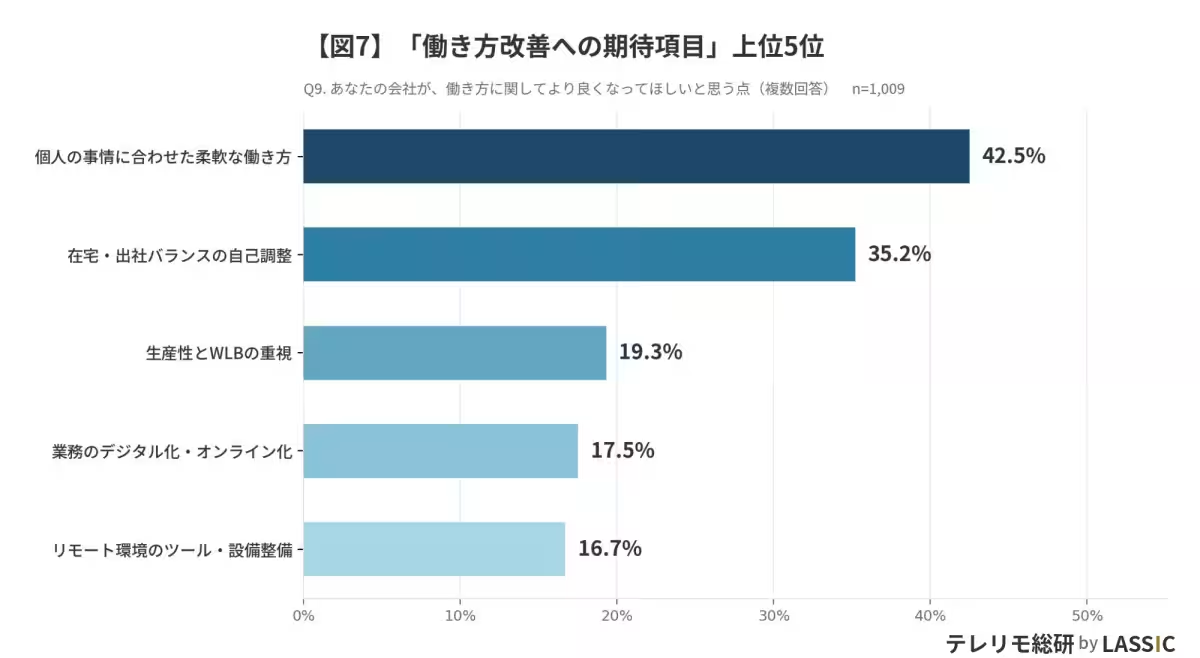
When asked about what changes they hope to see in their workplaces, 42.5% of respondents emphasized the need for flexible work arrangements tailored to personal circumstances—a notable expectation in today’s evolving job market. Following this, 35.2% expressed a desire for the ability to balance remote and office work based on their own preferences.
Overall, these findings highlight a critical juncture in the work culture narrative, suggesting that companies must address these emerging employee demands in the face of potential operational changes. As organizations assess their policies regarding remote work versus traditional office environments, understanding these employee sentiments could be pivotal in retaining talent in today’s competitive workforce landscape.
The full report from the Telework Research Institute and detailed insights into the evolving relationship between remote work preferences and employee job satisfaction can be explored further at LASSIC.


Topics Other)

【About Using Articles】
You can freely use the title and article content by linking to the page where the article is posted.
※ Images cannot be used.
【About Links】
Links are free to use.