




How Household Saving Mindsets Are Reducing Food Waste in Japan
Introduction
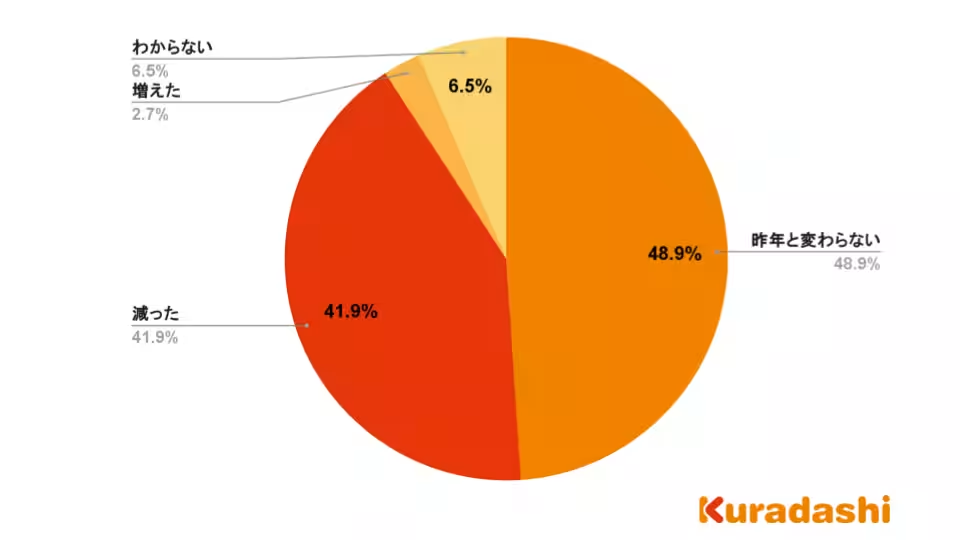
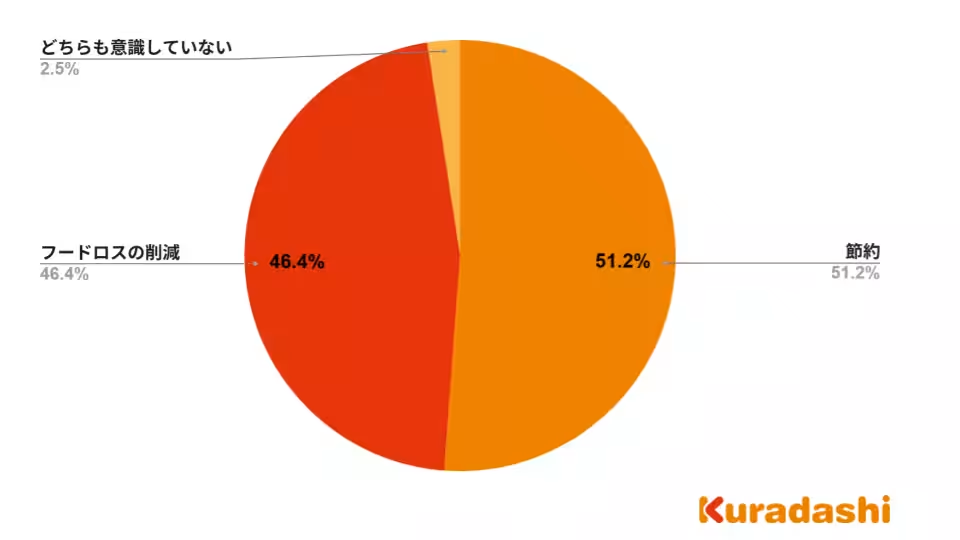
As food prices continue to soar globally, a recent survey conducted by Kuradashi, a company focused on reducing food waste in Japan, reveals a significant shift in consumer behavior. Notably, 51.2% of households that have managed to cut down on food waste cite heightened awareness of saving as a crucial factor. This surge in saving consciousness highlights the potential for economic factors to influence environmentally beneficial behavior.
Survey Insights
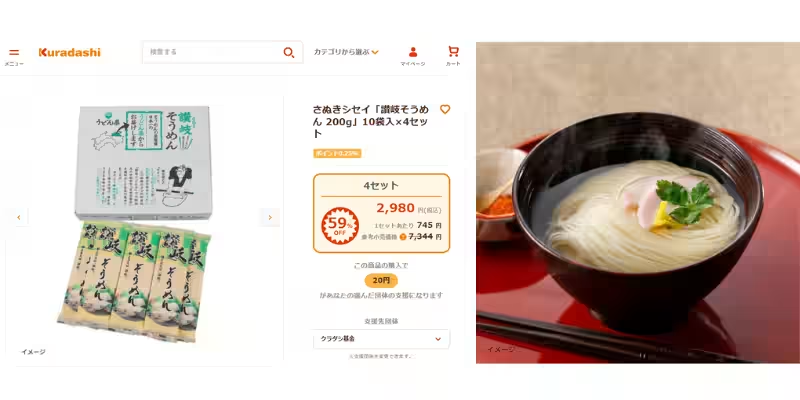
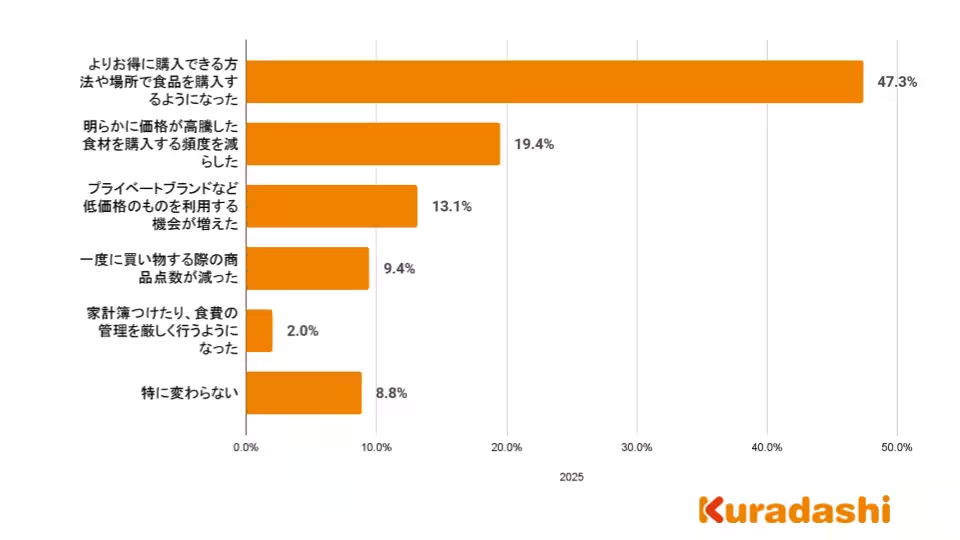
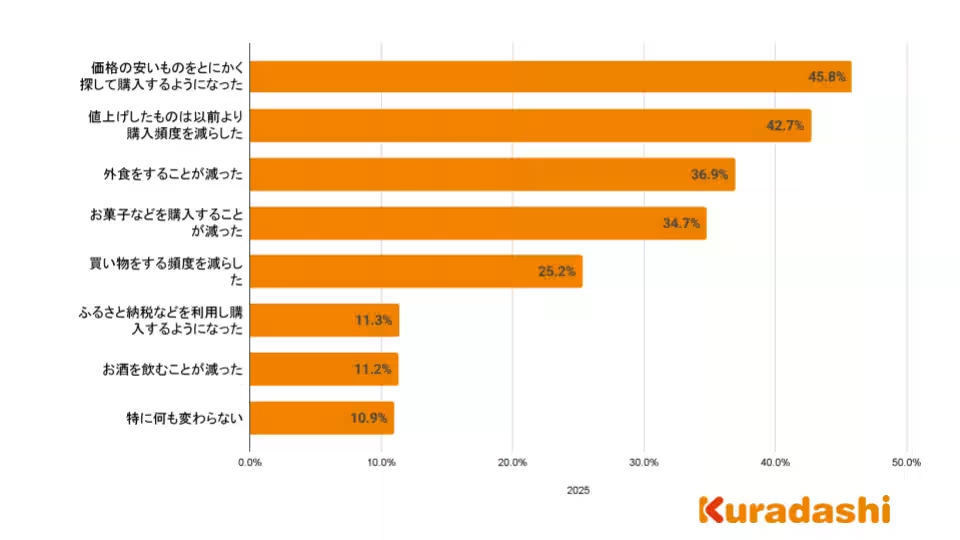
The user survey targeted users of Kuradashi amidst the Food Waste Reduction Month and sought insights into consumer attitudes towards food waste and purchasing behaviors. Results indicated that nearly half (47.3%) of respondents have opted for more economical purchase methods or places, reflecting a 3.2% increase from the previous year. The most prominently affected item by cost is rice and grains, with 69.8% of participants acknowledging increased prices, leading 24.9% to limit their purchases of these staples. Kuradashi has responded by promoting seasonal items like 'somen' noodles at discounted rates to help families save money while also tackling food waste.
Consumer Attitudes Towards Food Waste
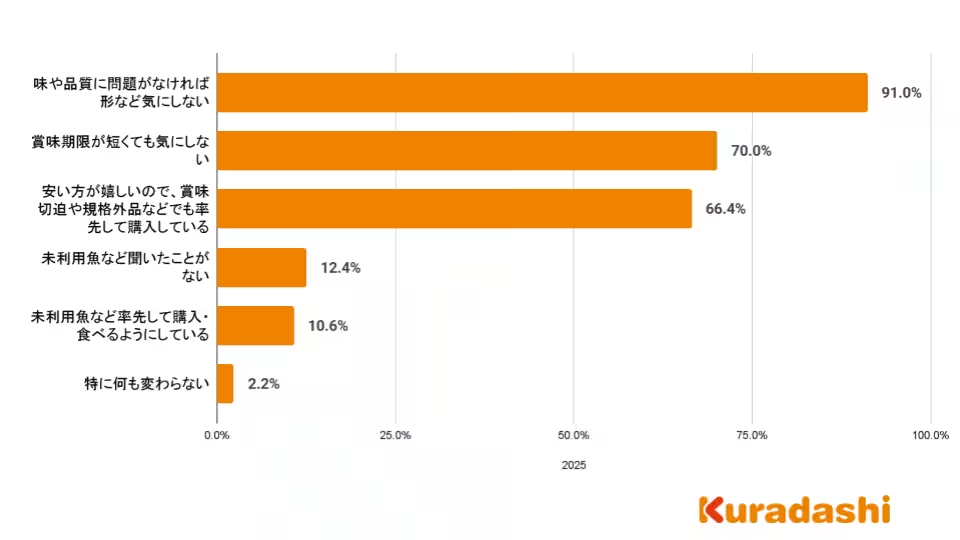
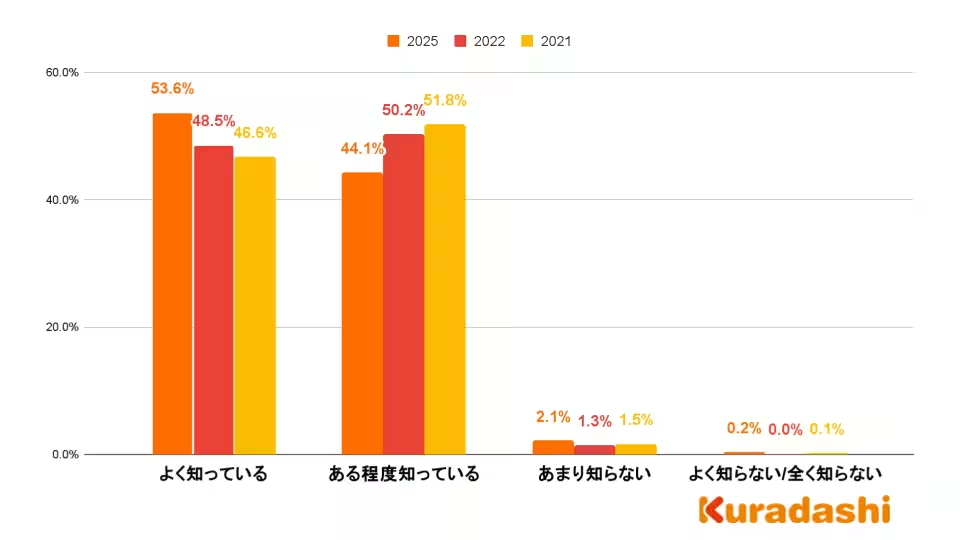
The survey underscores a significant shift in consumer perception towards food items deemed irregular or nearing expiration. Over 90% of respondents affirmed they would purchase such products if quality is assured, indicating a willingness to prioritize cost savings over aesthetic standards. Furthermore, 53.6% of participants conveyed they are well aware of food waste issues, escalating awareness by 5-7% compared to three to four years earlier. This development suggests increased public consciousness surrounding food waste generation and reduction initiatives.
Background Context
The reasons for this growing concern stem from alarming statistics reported by Teikoku Databank, indicating over 20,381 food items have seen price hikes by December, surpassing the 20,000 mark for the first time in two years. These price increases are linked to numerous factors, including surging raw material costs, rising transportation and utility expenses, along with labor costs spurred by workforce shortages. The long-term continuation of these trends is likely to influence shopping patterns well beyond the current economic landscape.
Insights on Changing Habits
Among the survey's noteworthy findings:
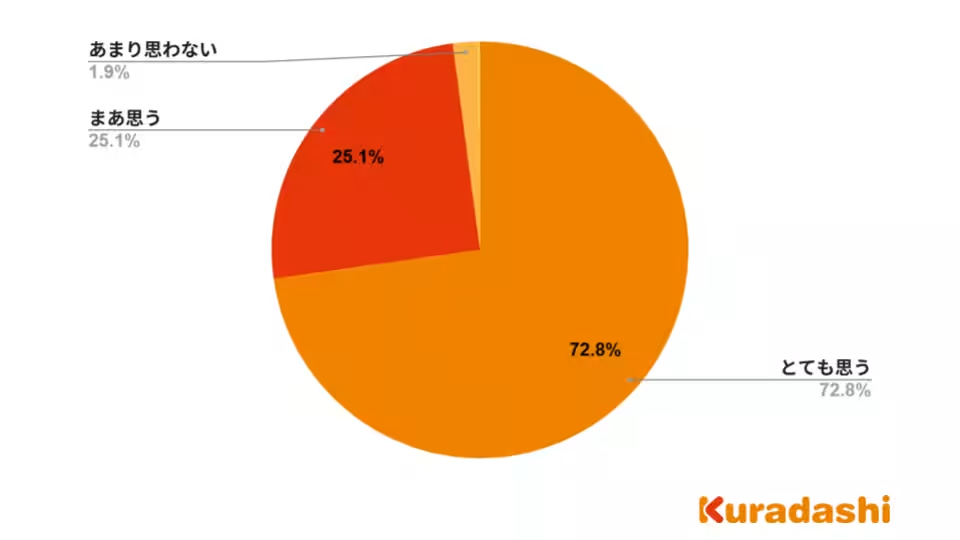
1. 72.8% of respondents recognized an overwhelming drive to find better deals on groceries, up 2% from last year.
2. Nearly half have shifted their purchasing behavior to find more economical options, a significant indicator that consumers are increasingly price-sensitive during these times of inflation.
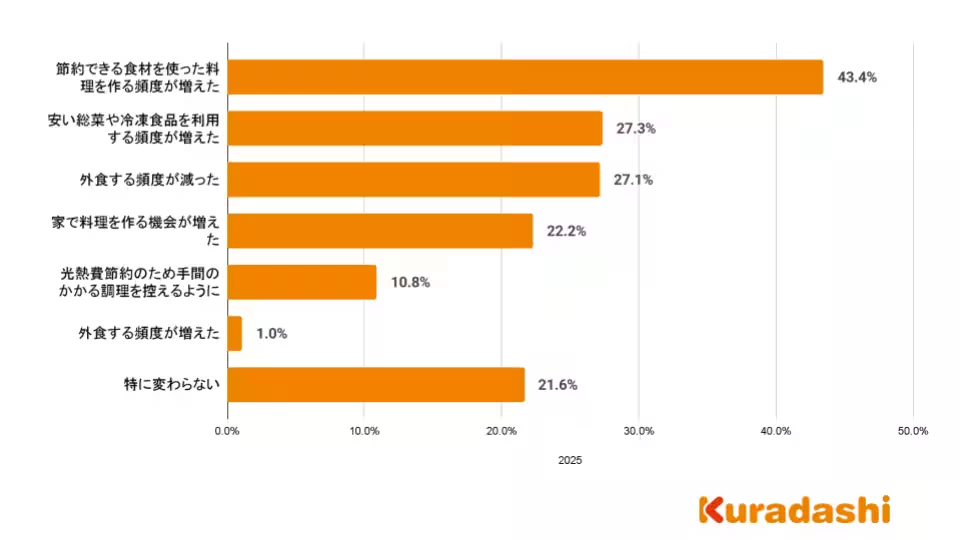
3. Interestingly, while a significant portion (43.4%) noted they are preparing meals with cost-effective ingredients more frequently, some 21.6% don’t feel their eating habits have changed despite ongoing price hikes, suggesting a struggle to adapt to ongoing economic changes.
Addressing Food Waste and Product Promotion
With a greater number of consumers expressing intent to reduce food waste, Kuradashi is capitalizing on the momentum. The company aims to alleviate both consumer financial strain and the issue of food waste by providing discounted seasonal products, such as somen noodles. The limited seasonality of such items compounds waste risks as inventory typically goes unsold at retail due to shifts in consumer preferences, leading to potential food waste. By addressing this surplus, Kuradashi promotes sustainable consumption while offering savings to consumers.
Conclusion
Such surveys not only highlight the connections between economic pressures and environmental consciousness but also enable companies like Kuradashi to adjust their offerings in ways that resonate with consumer values. By aligning business practices with consumer needs—specifically, the dual desires to save money while minimizing waste—Kuradashi continues to champion the cause of food waste reduction in Japan. The company's ongoing efforts validate the notion that responsible consumption and savings can indeed go hand in hand, providing a roadmap for sustainable consumerism that benefits both households and the environment.

Topics Consumer Products & Retail)
【About Using Articles】
You can freely use the title and article content by linking to the page where the article is posted.
※ Images cannot be used.
【About Links】
Links are free to use.