



The Impact of Family Responsibilities on Career Aspirations Among Young Women in Japan
The Impact of Family Responsibilities on Career Aspirations Among Young Women in Japan
In recent times, the concerns among adolescent girls regarding balancing family responsibilities and career goals have surfaced prominently. A recent survey conducted by Oisix ra Daichi Inc., a leading provider of food subscription services based in Shinagawa, Tokyo, has unveiled intriguing insights into the perceptions of young women about the intersection of domestic duties and professional aspirations. The survey encompassed responses from working women as well as junior and senior high school girls across the nation.
Survey Findings Overview
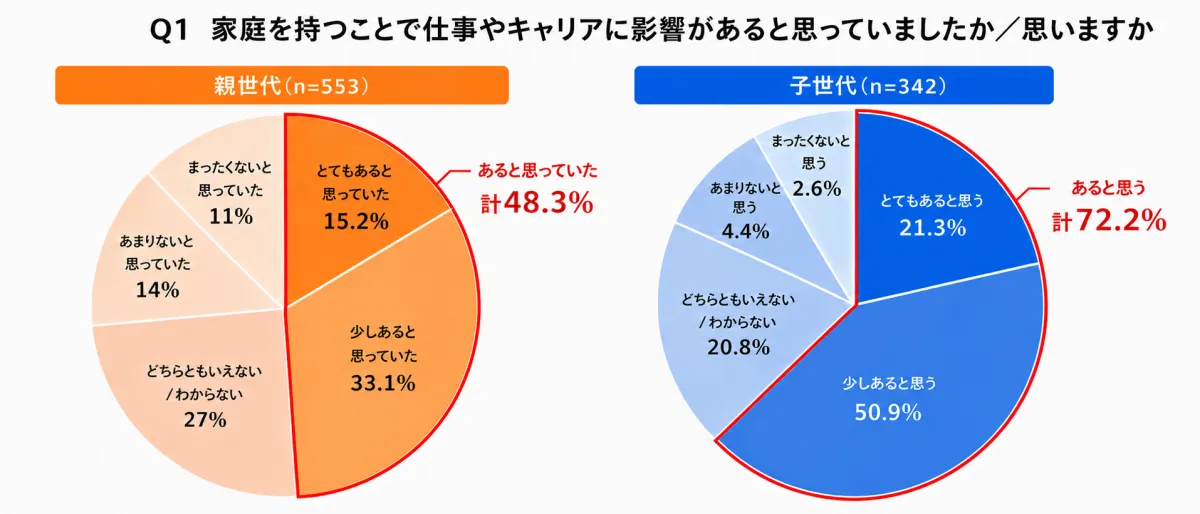
The survey results indicated a significant disparity in perceptions between the younger generation and their parents. Approximately 72% of young women surveyed expressed that they believe having a family will impact their career negatively, which starkly contrasts with 48% of the parental generation who shared similar concerns. This disparity indicates a heightened level of anxiety regarding the balance of career and family life among the younger generation.
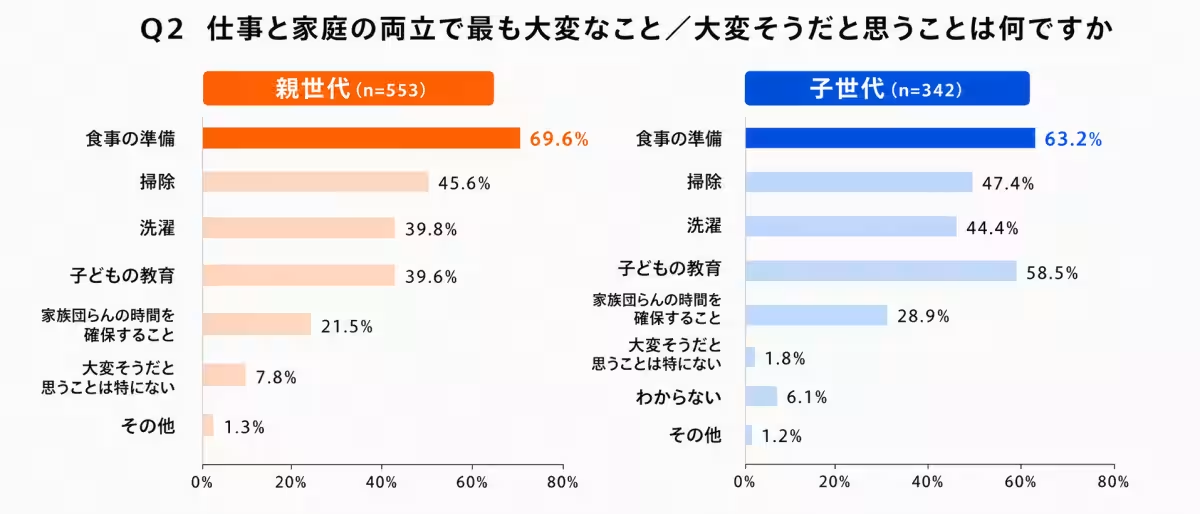
When asked about the challenges faced while balancing work and family, both generations identified meal preparation as the most significant burden. Among the respondents, 69.6% of parents and 63.2% of young women indicated they find the task particularly challenging, showcasing a common ground amidst generational differences.
Understanding the Stressors: Meal Preparation
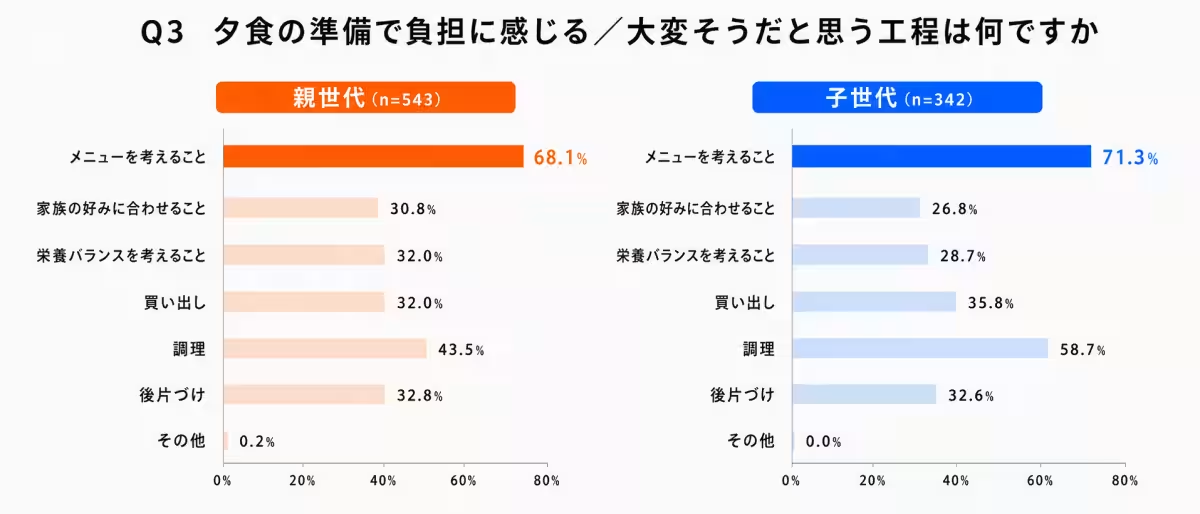
Diving deeper into the survey, it was revealed that the most cumbersome aspect of meal preparation is not the cooking itself, but rather the planning involved. A substantial 68.1% of parents and 71.3% of the younger generation reported that planning menus was the most strenuous part of meal preparation, followed by the actual cooking task, with 43.5% of parents and 58.7% of young women indicating it as a burden. This highlights that it’s the mental load of decision-making that adds to the stress, rather than the physical act of cooking.
As society evolves, the increasing number of dual-income households is indicative of changing dynamics. According to the Ministry of Internal Affairs and Communications, the number of dual-income households is projected to rise to 13 million by 2024. Despite these changes, the younger generation appears to carry a heavier load of anxiety regarding their future compared to their parents.
Generational Differences in Valuing Convenience
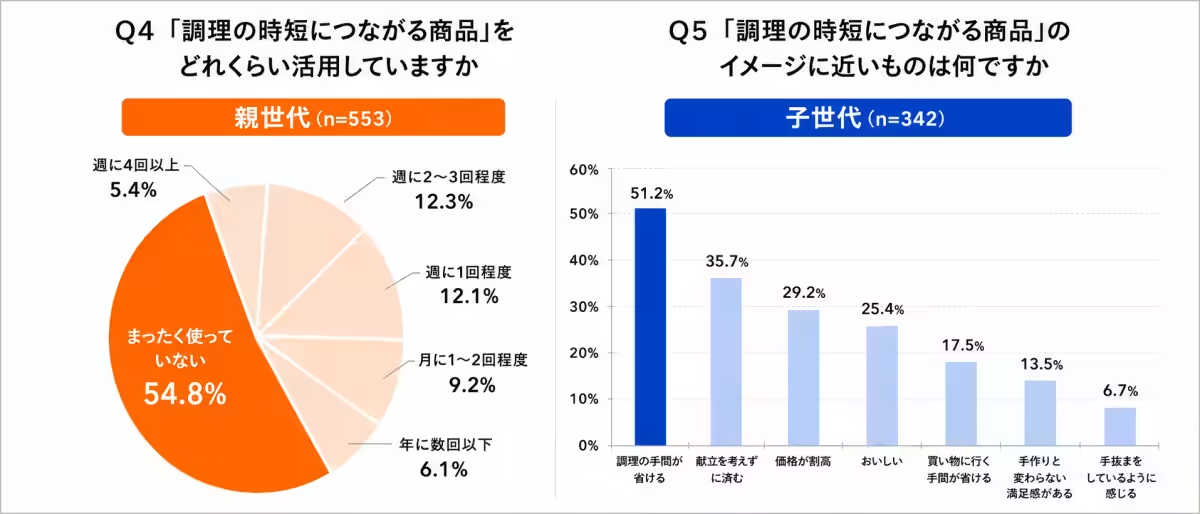
A notable aspect of the survey is the generational shift in the perception of convenience products like frozen meals and meal kits. The survey found that around 55% of parents reported they do not use time-saving food products citing concerns about costs and a sense of it being a shortcut. Conversely, about 51% of young women viewed these products as a positive approach to reducing cooking time, revealing a shift in generational values towards more pragmatic solutions for handling domestic responsibilities.
A Special Class Initiative
Recognizing the reality that working women will increasingly face challenges associated with balancing work and family, Oisix ra Daichi has embarked on a project aimed at empowering the younger generation. In collaboration with Shinagawa Girls' Academy, they’re facilitating special classes focused on the relationship between food choices and career aspirations. The aim is to cultivate future

Topics People & Culture)

【About Using Articles】
You can freely use the title and article content by linking to the page where the article is posted.
※ Images cannot be used.
【About Links】
Links are free to use.