



New Financial Literacy Service Helps Children Manage Money Smartly
Revolutionizing Financial Education for Kids
In light of the recent tax reforms in Japan set for the 2026 fiscal year, there is a notable emphasis on supporting households amid rising living costs. This includes modifications such as increasing the income threshold for tax benefits and expanding basic deductions, alongside permanent enhancements to the Junior NISA program to facilitate asset building for minors. As the necessity for financial literacy among younger generations becomes increasingly evident, the Japan Children's Empowerment Association has stepped forward to address this pressing need.
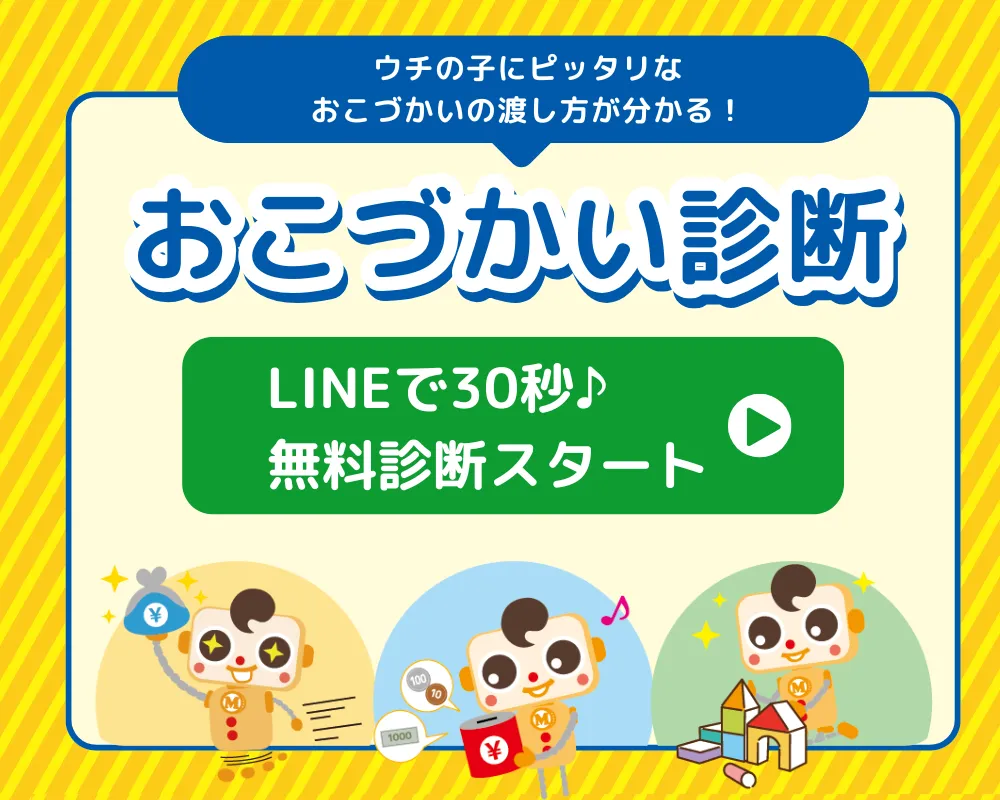
What is 'Allowance Diagnosis'?
The newly launched service, 'Allowance Diagnosis', serves as an innovative tool aimed at providing parents with insights on how to manage their child's allowance effectively. Gathering feedback from numerous parents during previous experiential financial education events, the association recognized a common inquiry: "When, how much, and in what way should I give my child pocket money?" In response, this tool was developed in collaboration with GOEN Co., Ltd., leveraging accumulated expertise in financial education.
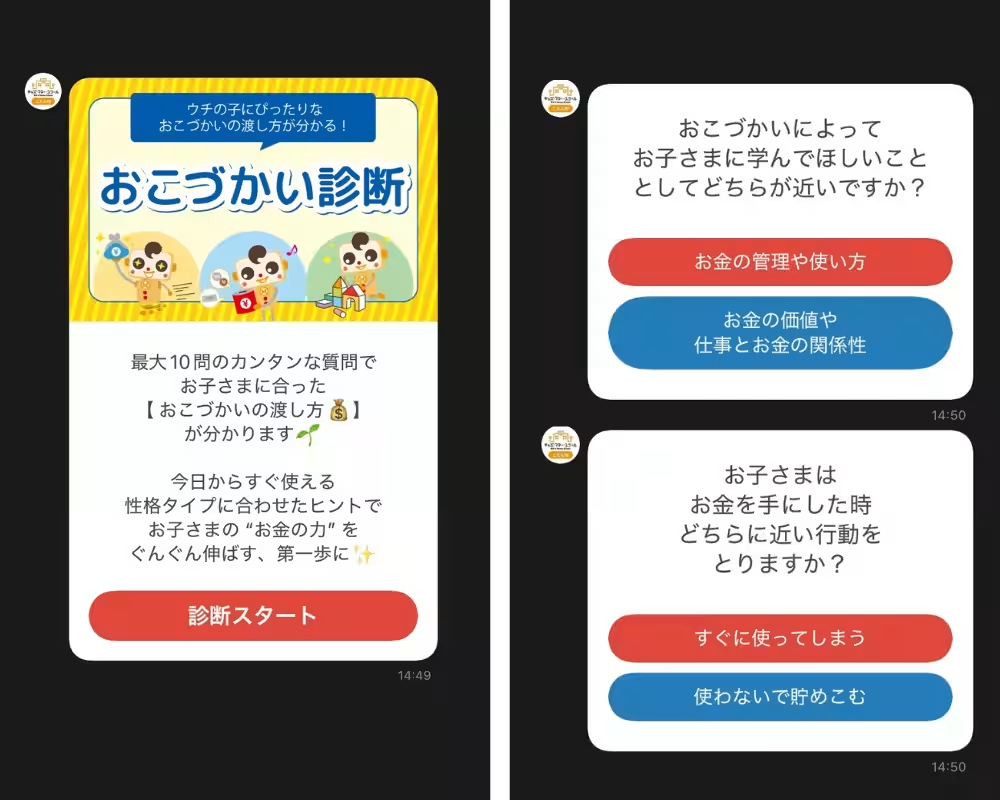
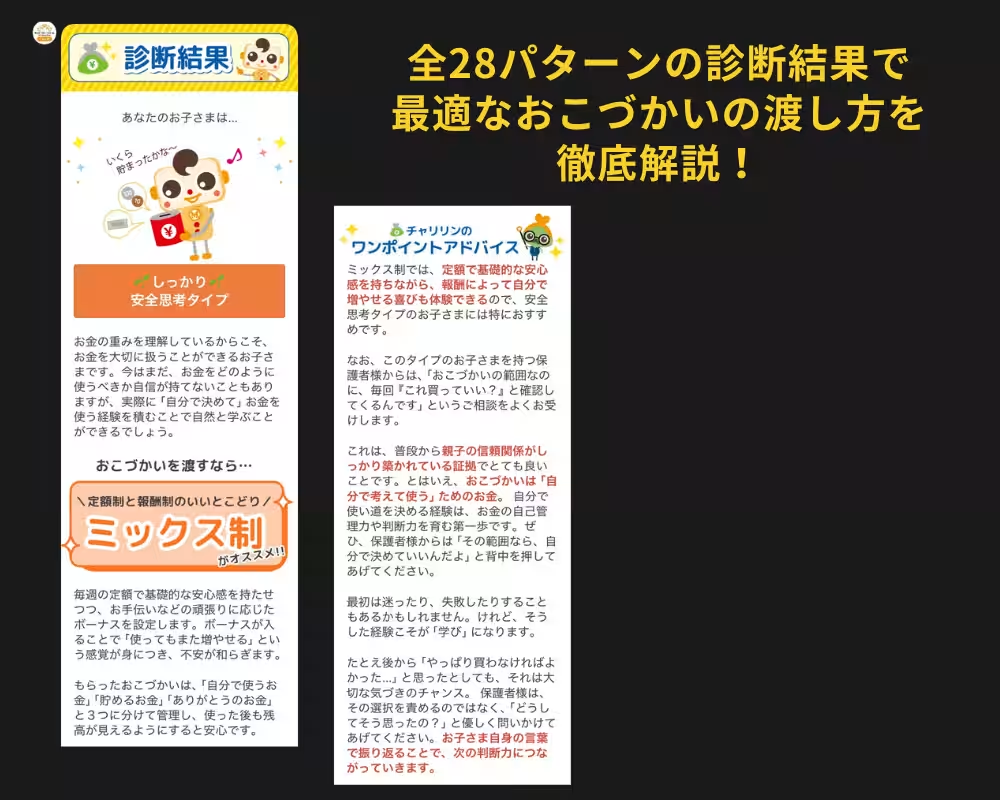
The process is user-friendly: parents register on the official LINE account of Kids Money School and respond to a series of simple questions. Based on the child's personality and developmental stage, the service offers tailored strategies for allowance distribution—ranging from fixed amounts to performance-based rewards. Ultimately, it presents 28 different methods to choose from, ensuring each family finds the best fit for their circumstances.
Accessibility and Usage
- - Service Name: Allowance Diagnosis
- - Cost: Free
- - How to Use: Register on the official Kids Money School GOEN page on LINE for assessment.
- - URL: Kids Money School LINK
Visual Insights
Here’s a glimpse of how the diagnosis process looks along with sample results that can guide parents in their fundraising approach.
Future Plans for Equal Financial Education Access
The government aims to increase the financial literacy rate from the current 7% to 20% by the end of 2028. This forecast indicates a growing demand for financial education in Japan. In response, Kids Money School is dedicated to enhancing and expanding content that allows children to engage in fun and informative financial learning experiences.
To ensure all children across Japan have access to financial education, the organization plans to expand event frequency nationwide while also focusing on offering online programs. This strategy will make learning accessible even for those in remote areas, contributing significantly to eliminating regional disparities in financial education.
Stay Informed on Events
Interested families can find the national schedule of events at National Schedule. The Kids Money School aims to create an enriching environment where children can learn the value of money management—empowering them for a financially sound future.
Topics Other)
【About Using Articles】
You can freely use the title and article content by linking to the page where the article is posted.
※ Images cannot be used.
【About Links】
Links are free to use.