



The Reality of Ignored Household Water-Related Cleaning Issues: Survey Reveals Common Struggles in Homes
The Reality of Household Water-Related Cleaning Issues
As the new year approaches, many begin to consider their cleaning routines, especially in preparation for the year-end cleaning. It's common to feel overwhelmed by the buildup of grime that's hard to tackle all at once, leading many to wish to keep the areas clean daily. However, with the pressures of daily life, maintaining cleanliness can be a challenge.
In a recent investigation, Takanou Co., based in Gifu, Japan, conducted a survey targeting married households with individuals aged 20 to 60 who manage cleaning and household chores. The aim was to understand the real issues surrounding the neglect of water-related cleaning in households.
The Survey Overview
Conducted between November 25 and 26, 2025, the survey engaged 1,022 participants. It was carried out via an internet method by PRIZMA Research. This study explored participant’s sentiments about cleaning, specifically the difficulties they face with water-related areas like kitchens, bathrooms, and toilets.
Problems arising from family cleaning dynamics
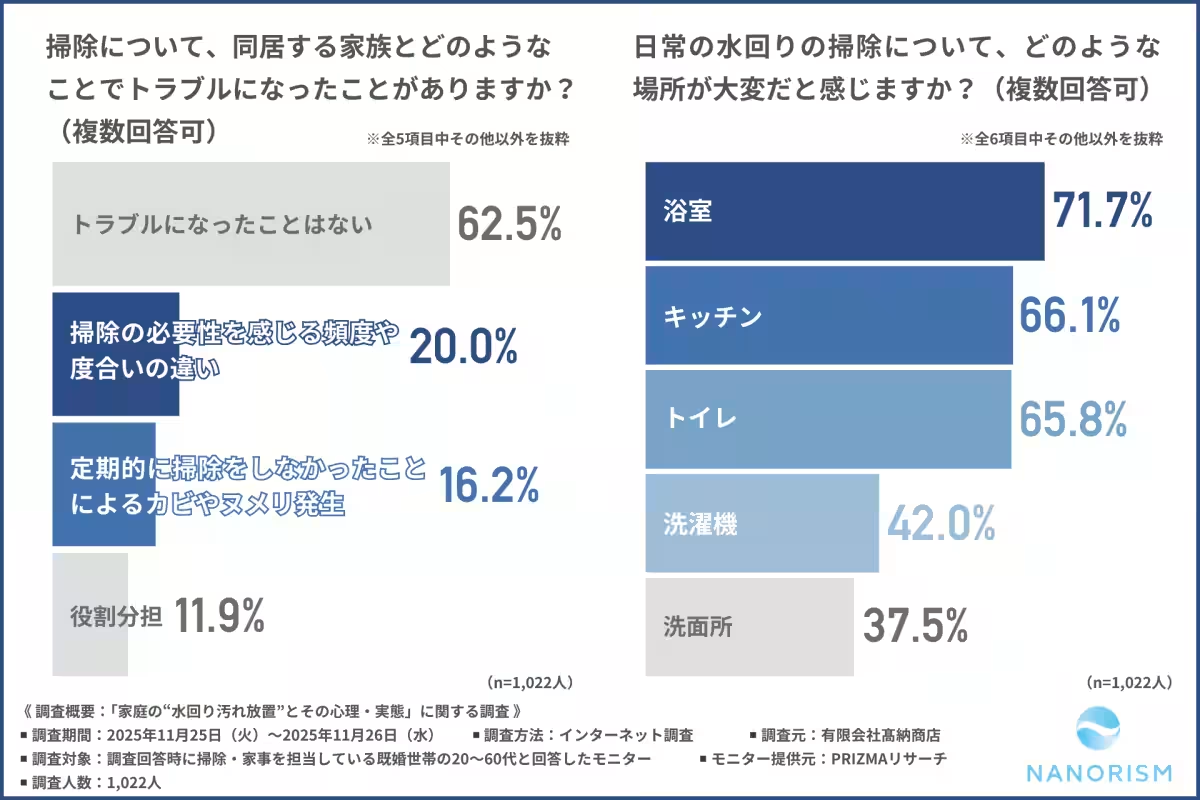
Participants were first asked about conflicts related to cleaning within their households. The results revealed that discrepancies in perceptions on cleaning frequency caused tensions. For instance:
- - Differences in perceived needs for cleaning occurred between family members (20.0%)
- - The emergence of mold and slime due to insufficient cleaning (16.2%)
These numbers underline how different cleanliness standards can lead to household disputes. Next, the survey delved into which water-related tasks participants found most burdensome.
Commonly Struggled Areas in Daily Cleaning
When asked about the most challenging areas to clean, the findings showed a clear trend:
1. Bathroom (bathtub, drainage, mirrors, walls, etc.) - 71.7%
2. Kitchen (stove, grill, ventilation fans, sink area, etc.) - 66.1%
3. Toilet (behind the seat, rim, etc.) - 65.8%
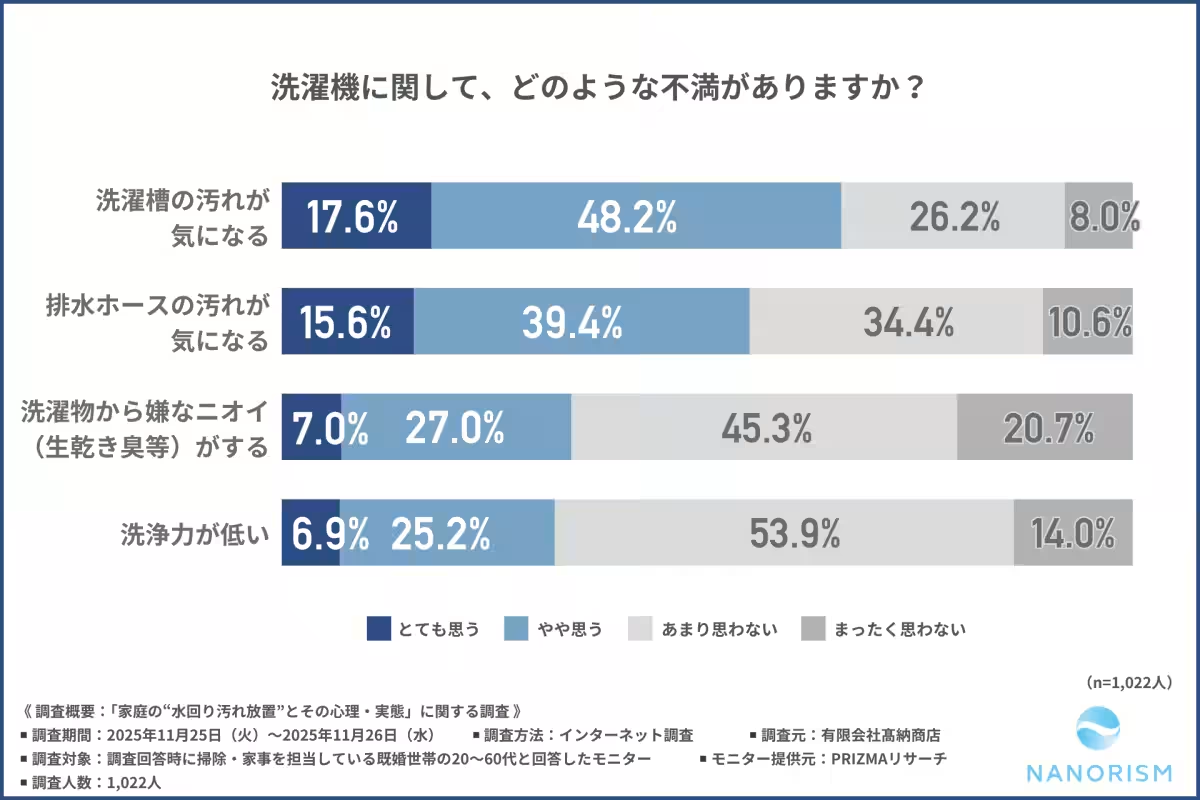
4. Washing machine - 42.0%
These areas, which tend to accumulate moisture and dirt, proved to be especially daunting. Participants expressed they often feel defeated when these areas quickly revert to their dirty states post-cleaning due to the various types of stains—grease, soap scum, and moisture.
Reasons Behind Cleaning Hesitations
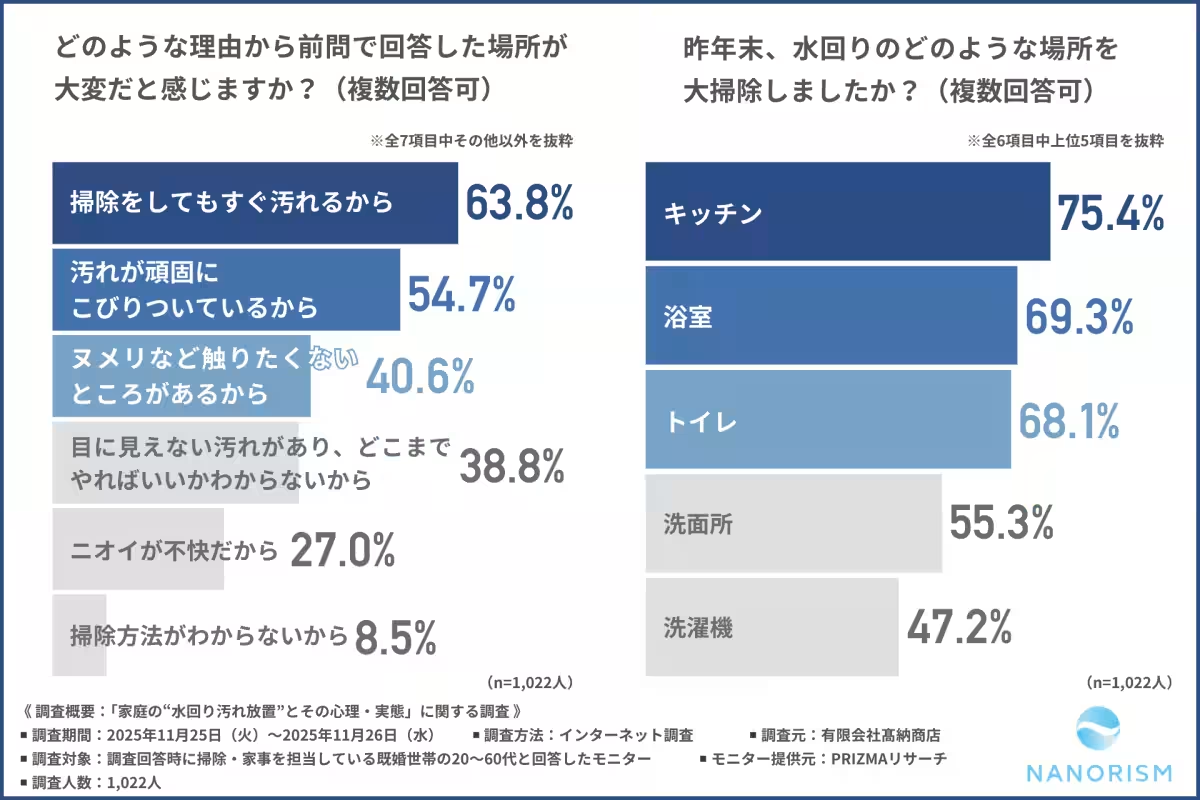
The survey further examined why participants feel challenged by these regular cleaning tasks. The primary reason cited was that cleaning quickly led to messiness again (63.8%). Other significant factors included stubborn stains (54.7%) and uncomfortable areas to clean (40.6%). This quickly diminishes the motivation to clean if participants see little reward for their efforts.
Year-End Cleaning Trends
As the last segment of the survey, participants were queried about the areas they focused on during their year-end cleaning.
A. Kitchen (75.4%)
B. Bathroom (69.3%)
C. Toilet (68.1%)
Notably, these results echoed the areas participants typically considered challenging to maintain on a regular basis. This suggests a pattern where individuals prefer to address these neglected areas during scheduled cleaning events, helping them feel a sense of relief or fresh start. However, only about half reported cleaning their washing machines, indicating a tendency to overlook less visible internal issues.
Insights Into Washing Machine Care
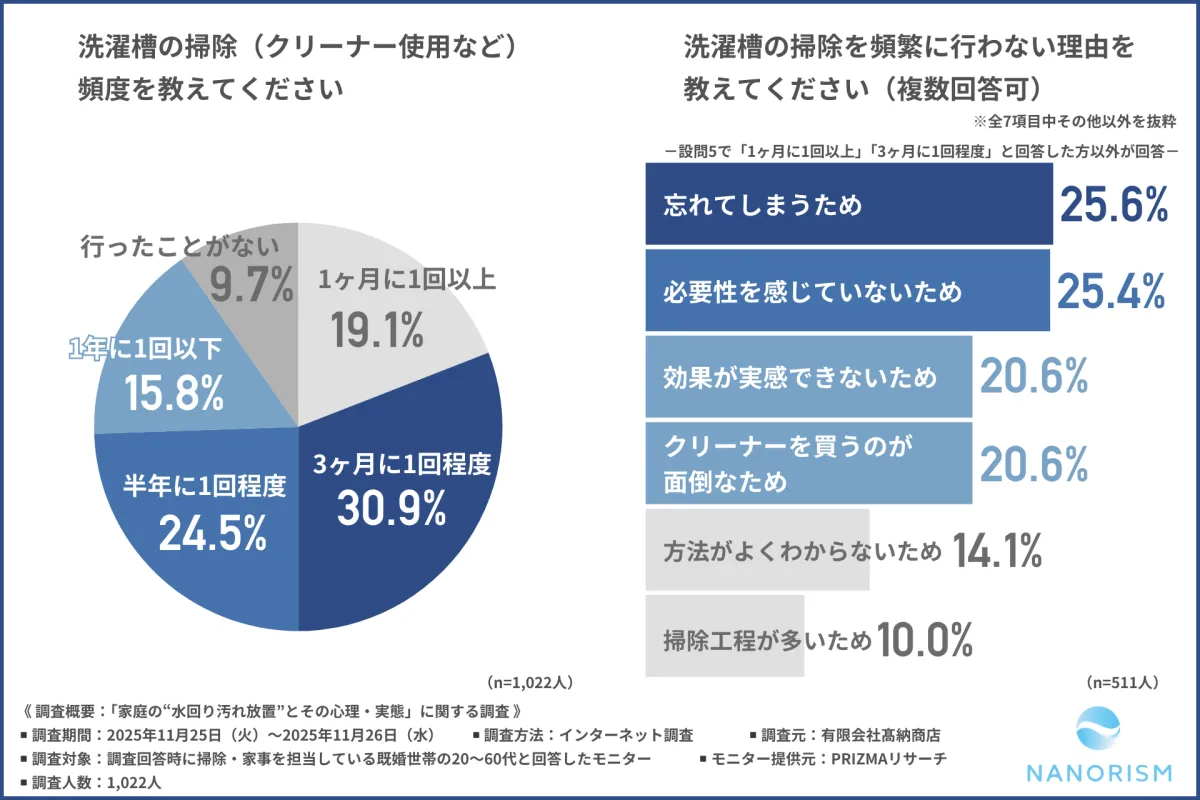
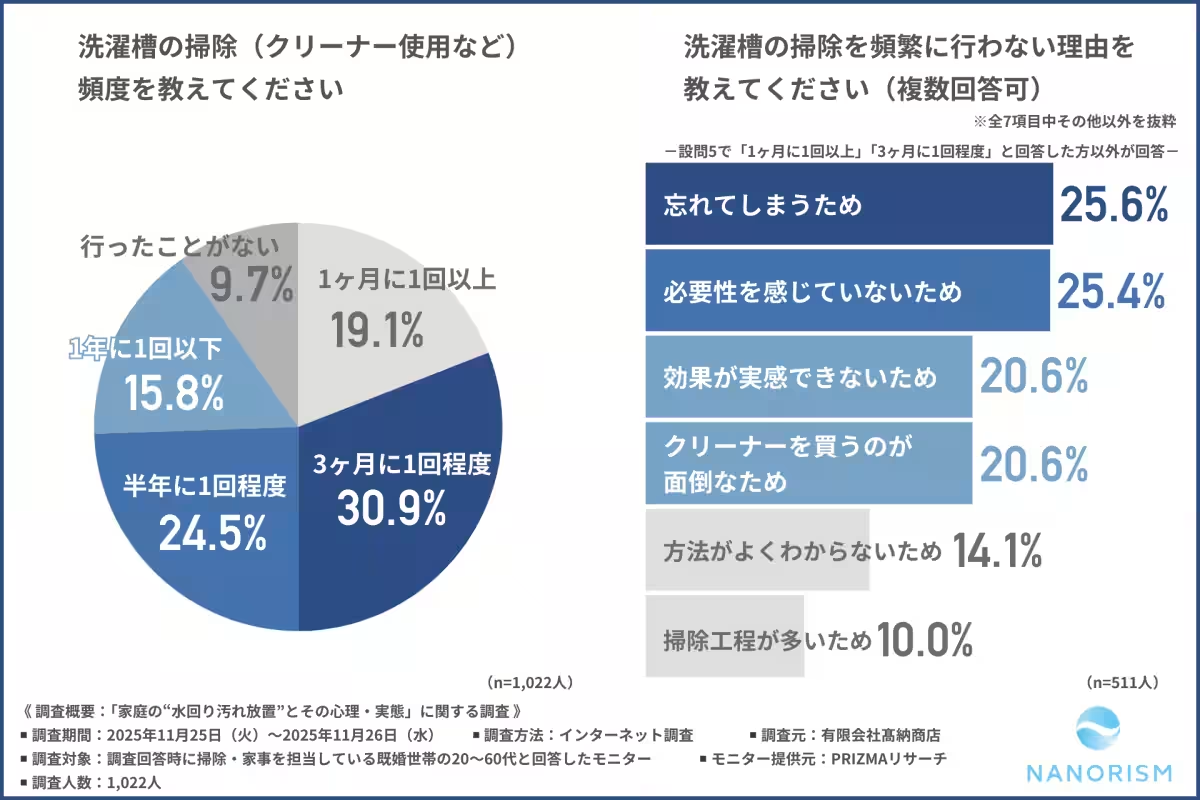
Regarding less visible areas, such as washing machines, the survey revealed fascinating insights about cleaning frequency:
- - At least once a month (19.1%)
- - Every three months (30.9%)
- - Every six months (24.5%)
- - Less than once a year (15.8%)
- - Never cleaned (9.7%)
Despite many acknowledging the need for washing machine maintenance, the primary barriers were forgetting (25.6%) and feeling it unnecessary (25.4%). This underscores the psychological disconnect between awareness and action when it involves care for appliances that aren't clearly bringing about visual satisfaction.
Concerns Regarding Toilets
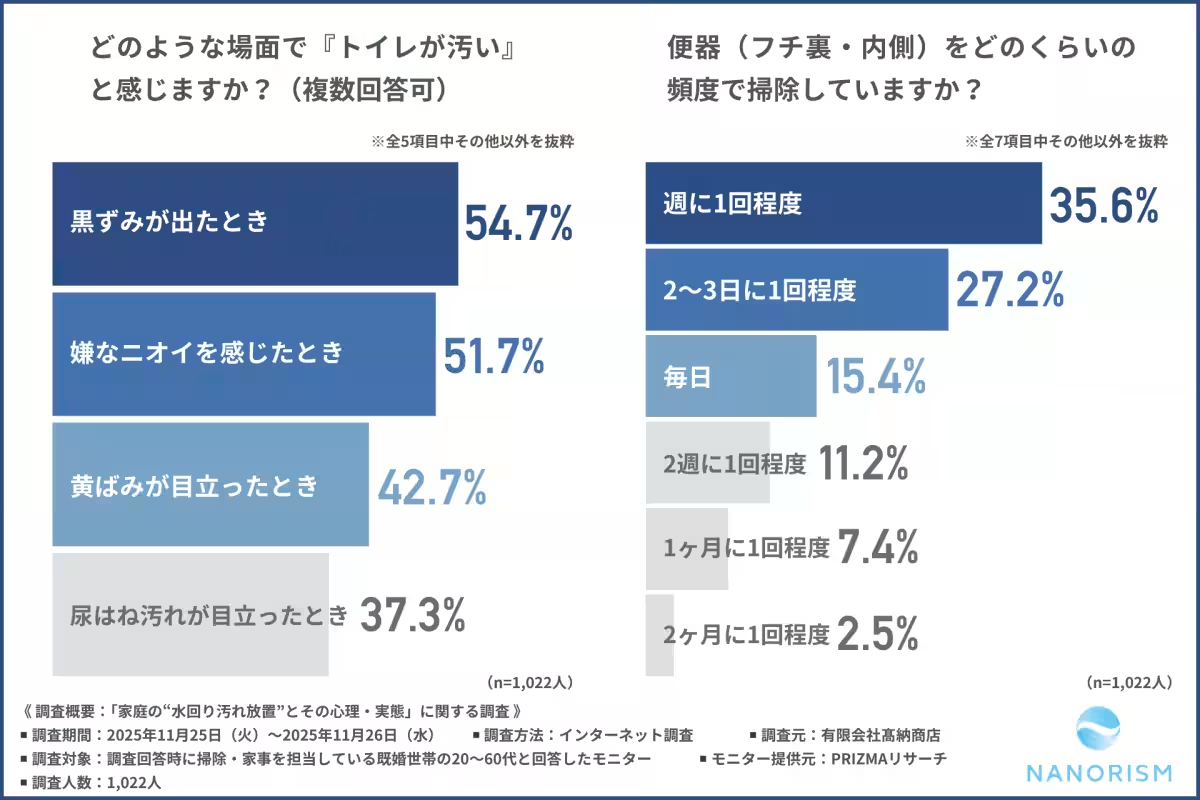
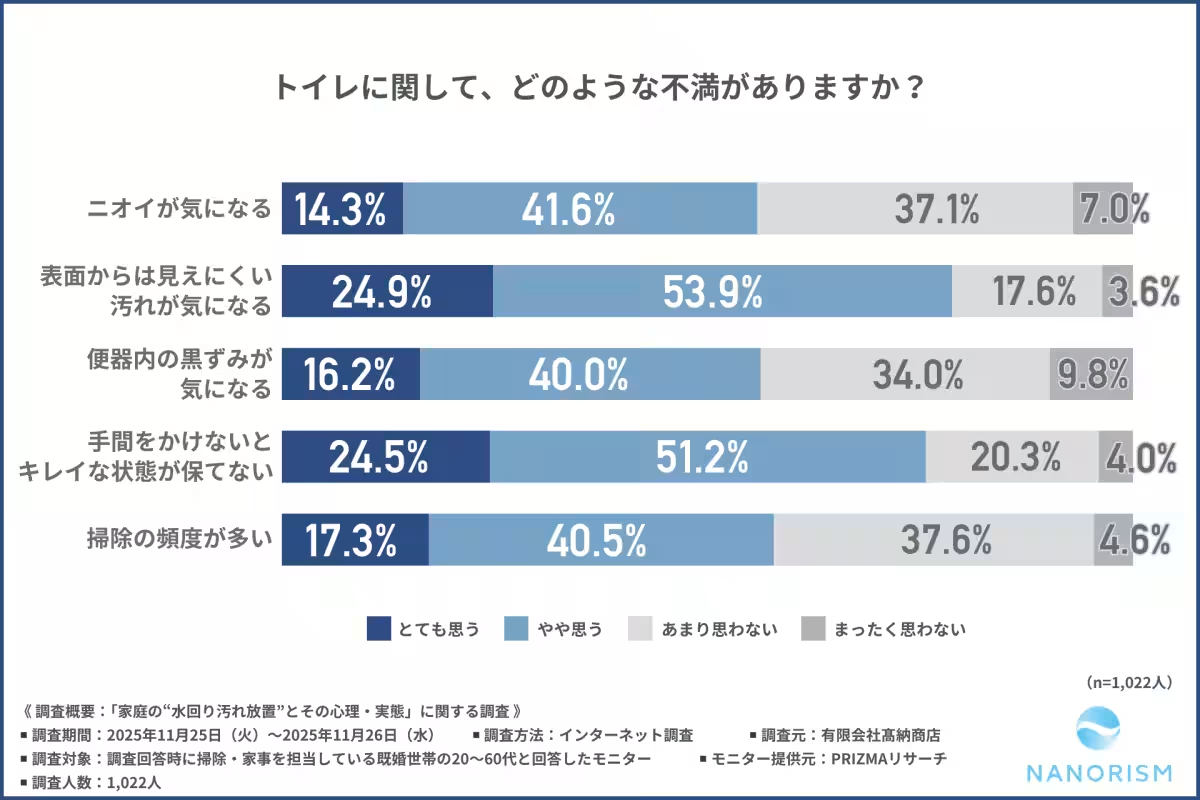
Turning to toilet cleanliness, the survey questioned participants about what makes them perceive a restroom as dirty. The results highlighted:
- - Appearance of stains (54.7%)
- - Unpleasant odors (51.7%)
- - Visible yellowing (42.7%)
Participants were also asked about their toilet cleaning frequency:
- - Daily (15.4%)
- - Every few days (27.2%)
- - Weekly (35.6%)
About 80% said they clean their toilets weekly, but a significant number only responded to cleanliness when something visibly bothers them.
Conclusion: Psychological Barriers to Cleaning
This survey reveals that hidden stressors and a perceived burden of cleaning contribute significantly to hesitation in maintaining household hygiene. The more demanding tasks tend to fall through the cracks of daily responsibilities, and while year-end cleaning is often more thorough, many are left wondering about how they can keep up with household cleanliness throughout the year.
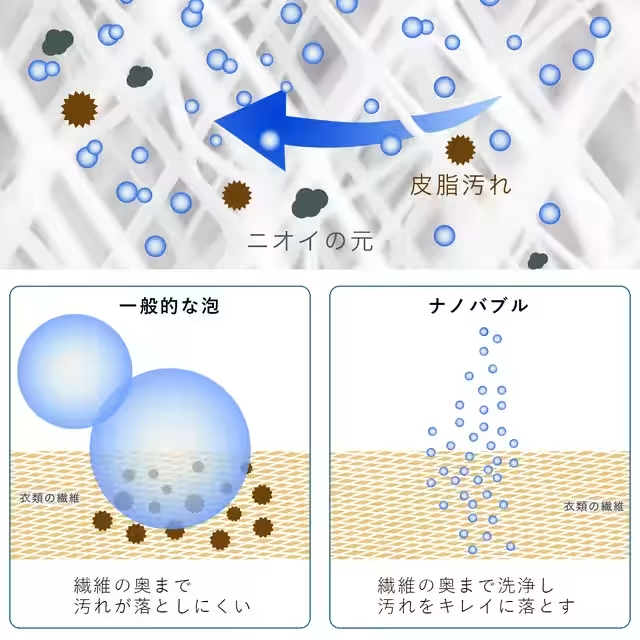
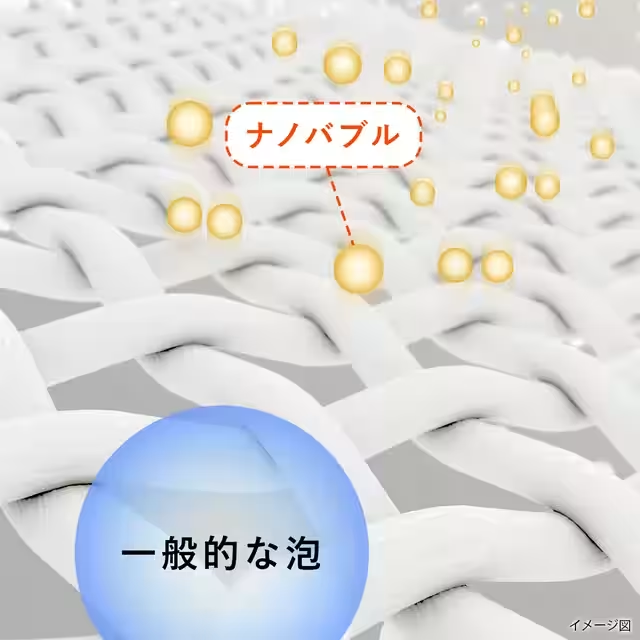
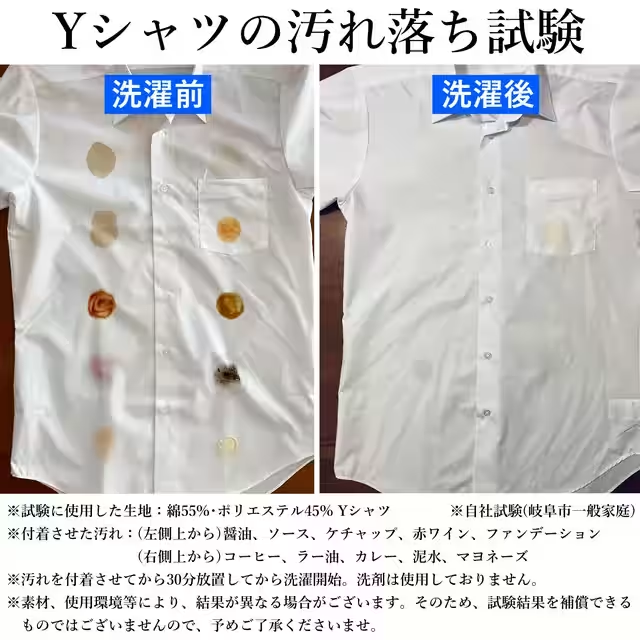
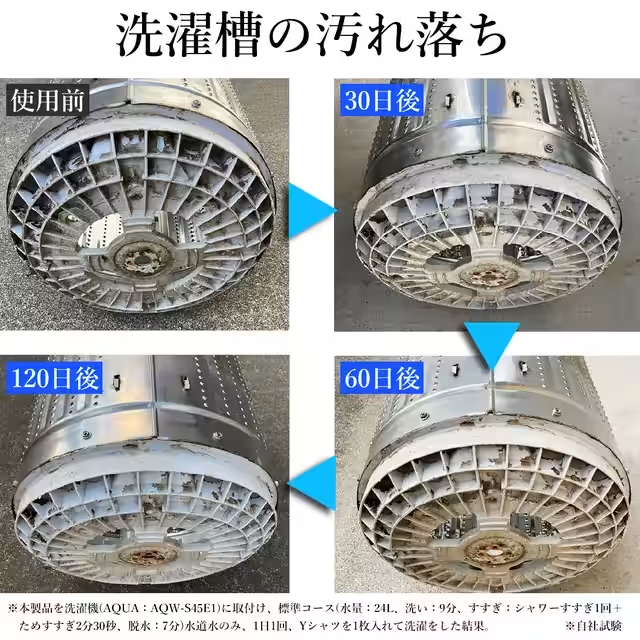
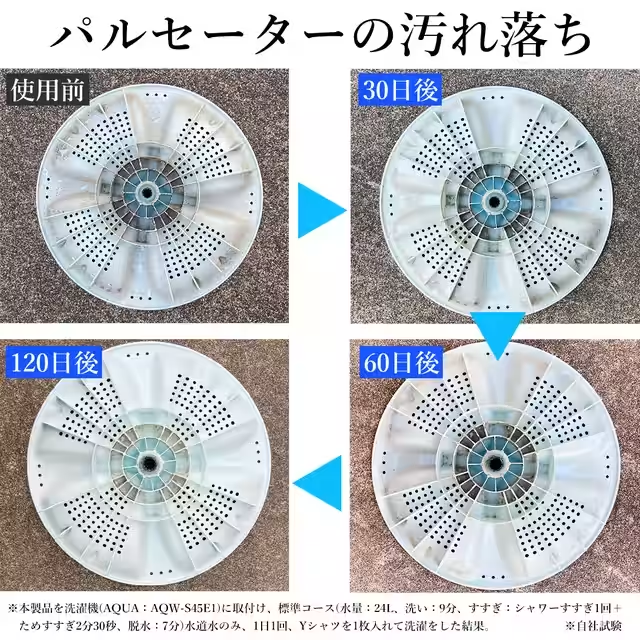
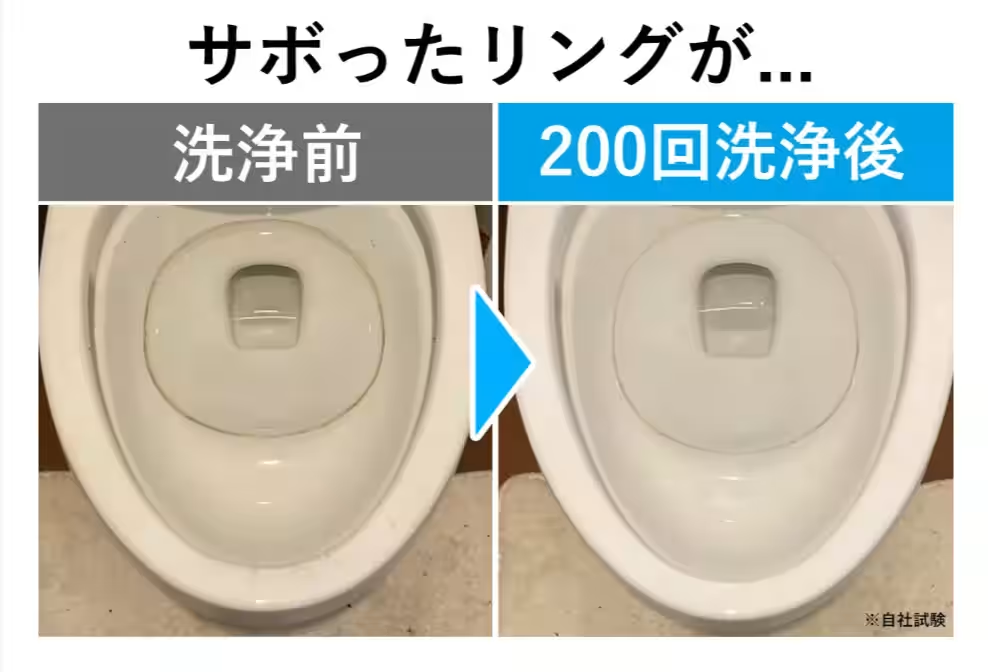
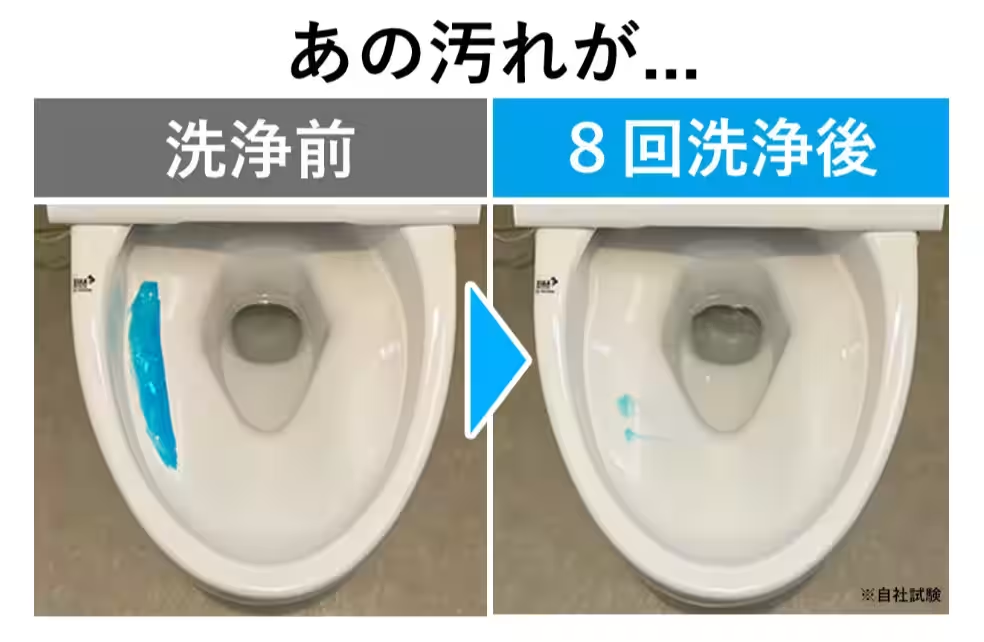
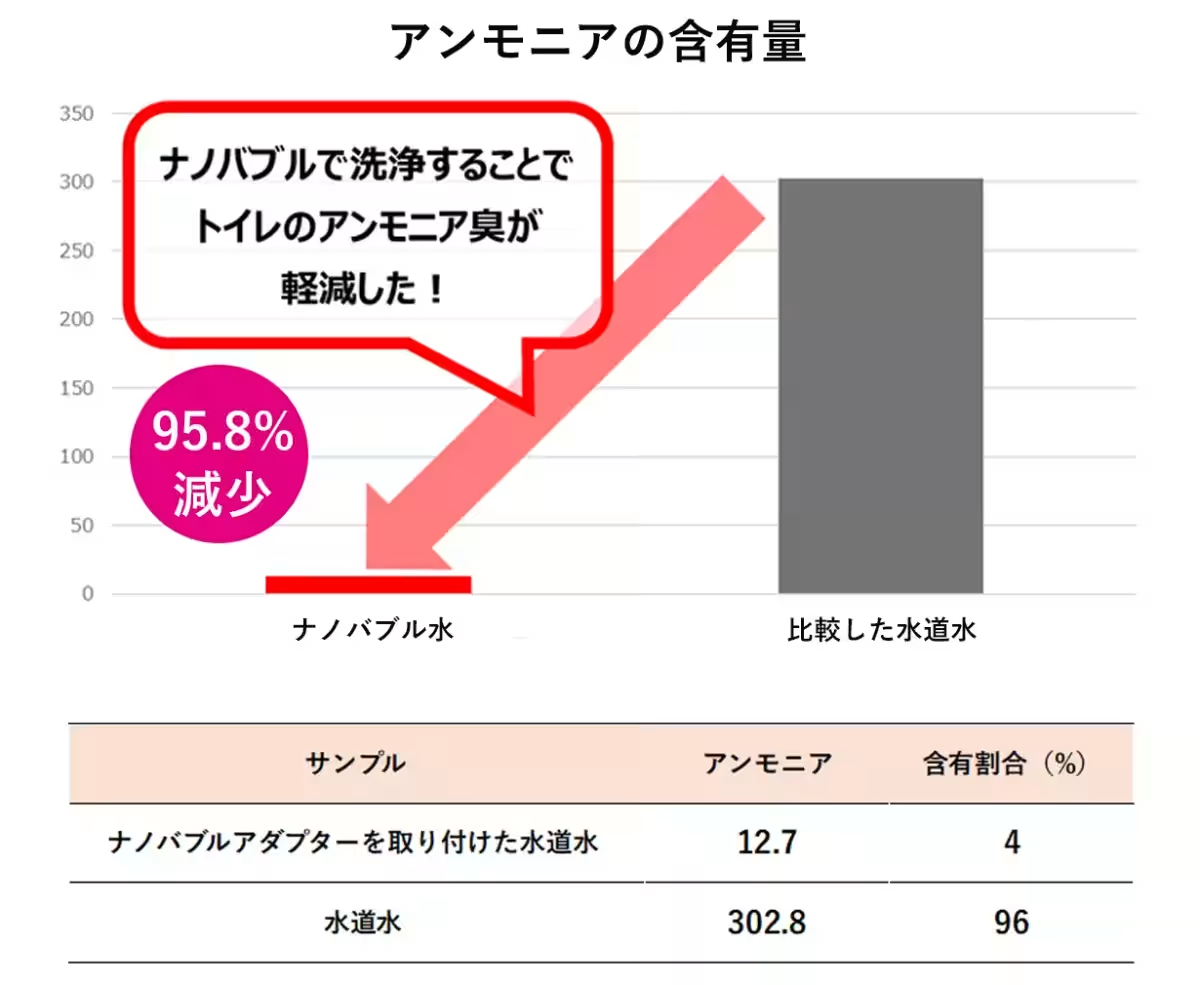
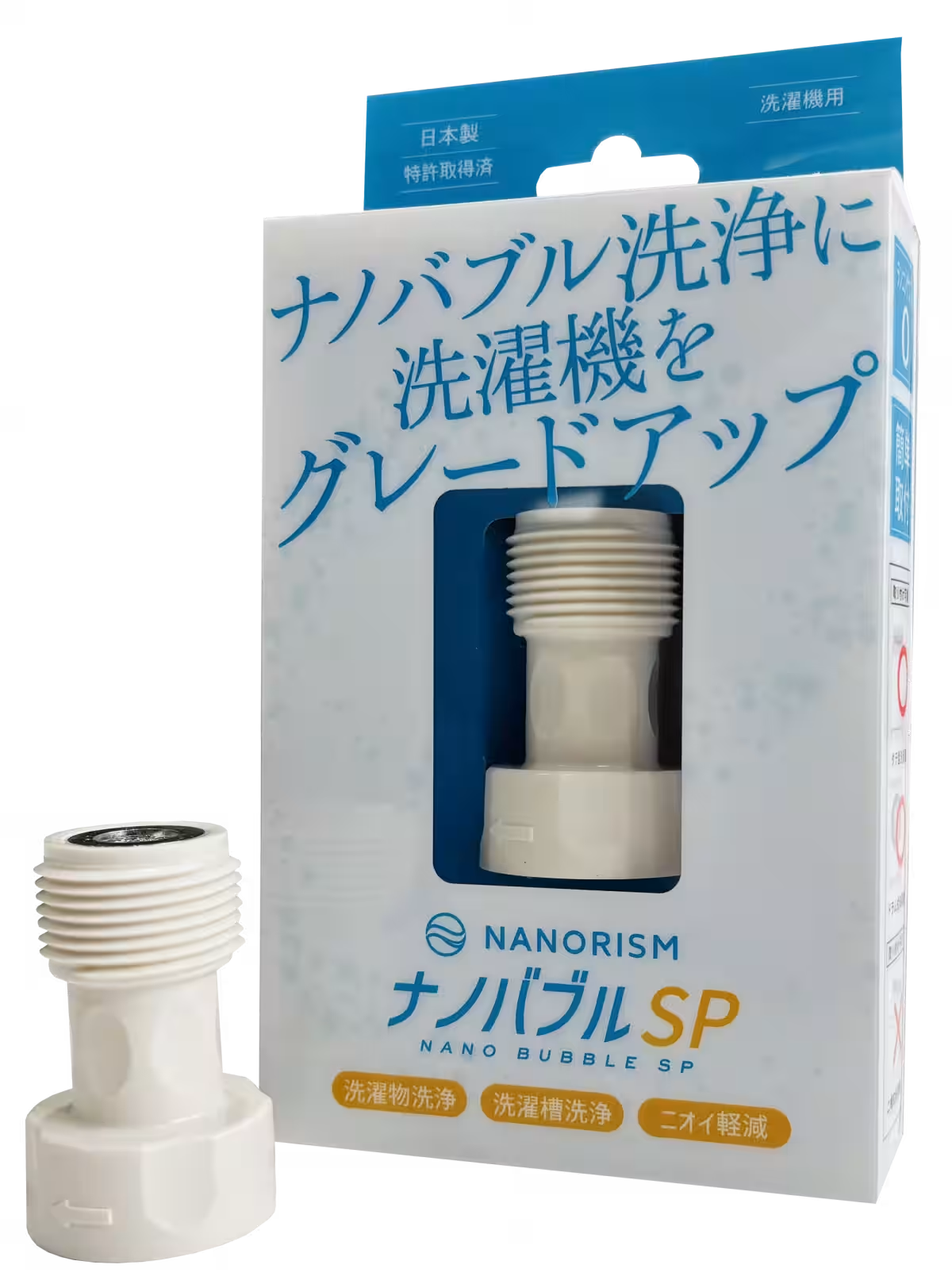
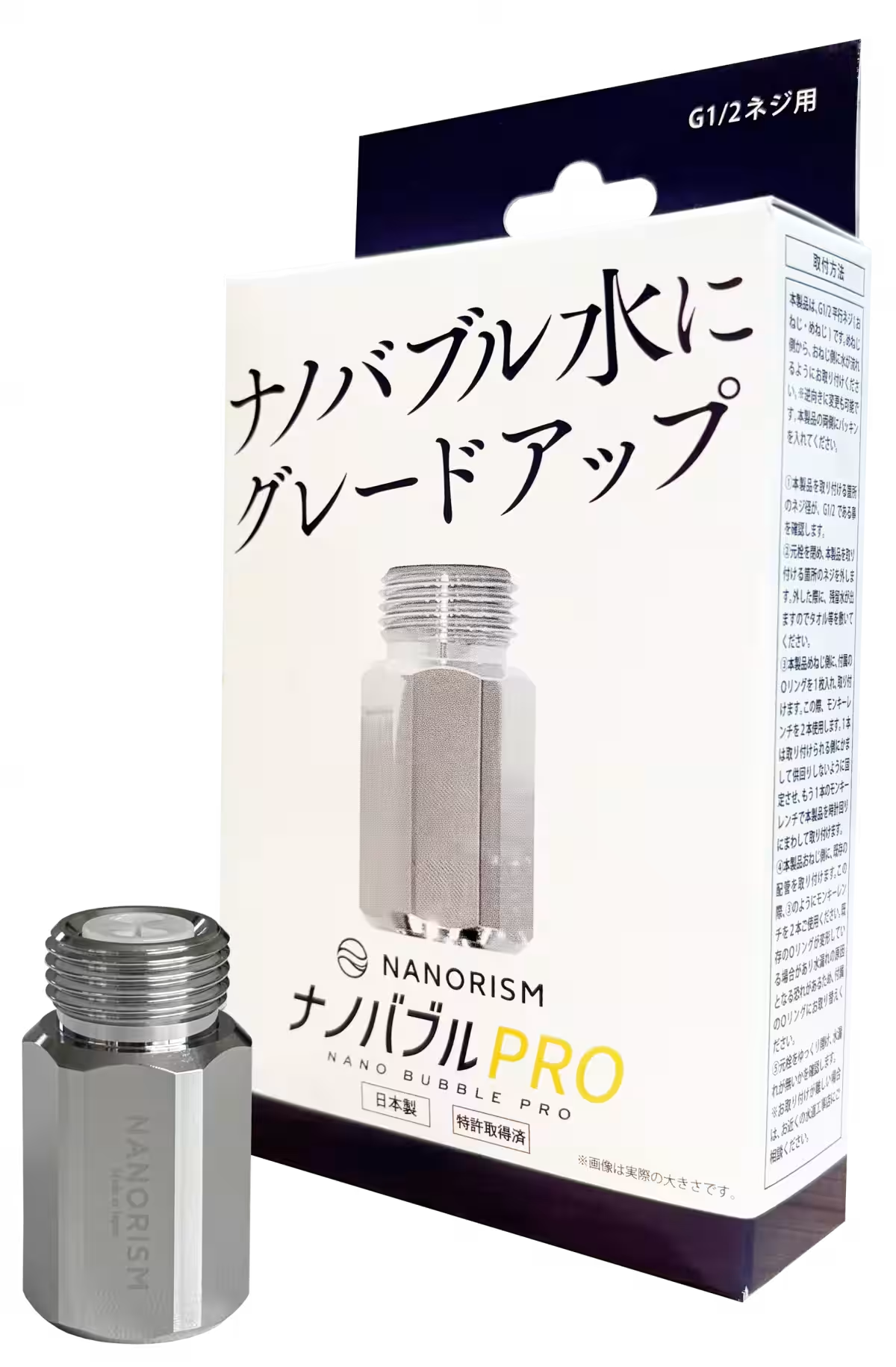
Addressing the challenges surrounding water area cleanliness requires innovative products that might ease burdens while being effective. Products that promote cleanliness while minimizing effort could indeed be essential for enhancing the comforts and hygiene of homes. Takanou Co. has introduced products, including nanobubble systems, to help tackle the tough cleaning of washing machines and toilets effectively. Their goal is to simplify household tasks while ensuring long-lasting cleanliness in daily routines.
Find out more about Takanou Co. and the innovative nanobubble cleaning products they offer here.
Topics Consumer Products & Retail)
【About Using Articles】
You can freely use the title and article content by linking to the page where the article is posted.
※ Images cannot be used.
【About Links】
Links are free to use.