



Understanding Installation Challenges for Multifunction Printers: Key Insights from OFFICE110’s Study
Analyzing Installation Roadblocks for Multifunction Printers
In a world where multifunction printers (MFPs) are essential for business operations, understanding the barriers to effective implementation can lead to smoother transitions and better decision-making. A comprehensive report by OFFICE110, operated by Bellitechnos, sheds light on the prevalent installation challenges faced by businesses when considering the acquisition of MFPs. This investigation, spanning from December 7, 2022, to July 11, 2025, highlights the critical role that spatial considerations—such as placement and access—play in the decision-making process.
Findings on the Challenges
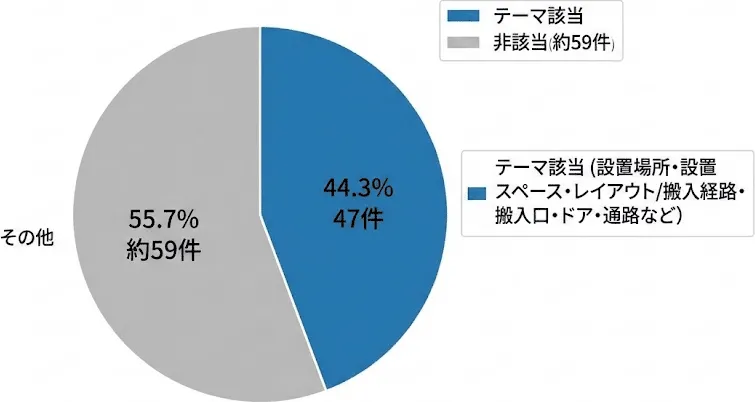
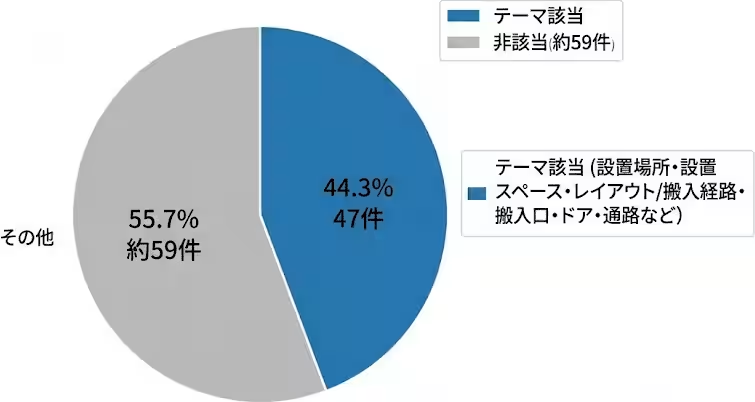
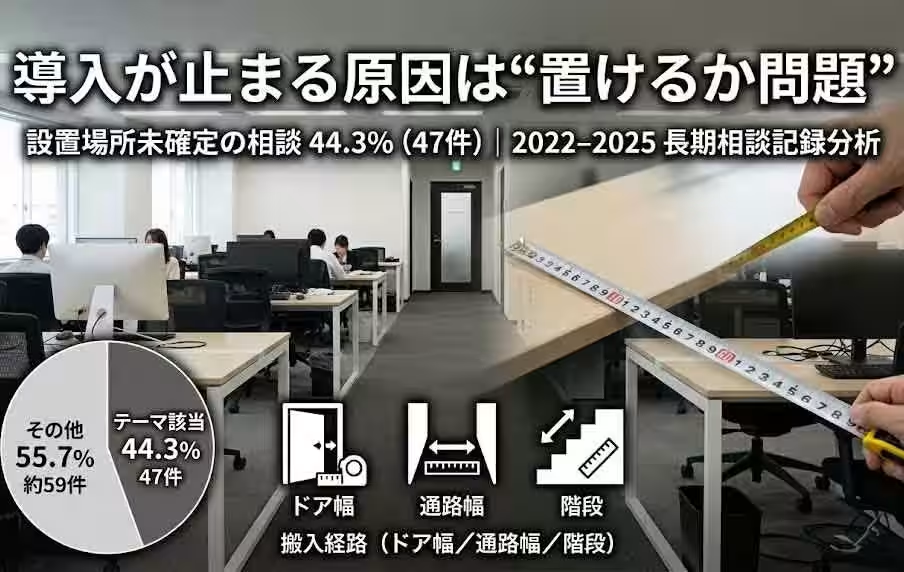
According to the findings, 44.3% of consultation cases (47 inquiries) were centered around the inability to determine a suitable installation location for the MFPs before making any comparisons regarding features and pricing. This statistic indicates a significant undercurrence where logistical considerations overshadow the technical specifications that usually drive purchasing decisions. The analysis of these consultations revealed several key factors that impact the installation of MFPs:
- - Unclear Space Dimensions: Many businesses fail to have definitive measurements for the area where the MFP will be installed, leading to indecision.
- - Transportation Constraints: Limitations related to how the MFP will be brought into the office space can stall the purchasing process before it even begins.
- - Operational Uncertainties: Questions regarding shared space usage further complicate the decision, as organizations want to ensure efficient operations that align with their current layout.
- - Physical Orientation and Workflow: There is often hesitation regarding the orientation of the MFP and how it fits into existing workflows, impacting how employees will interact with it.
Yearly Trends: A Persistent Issue
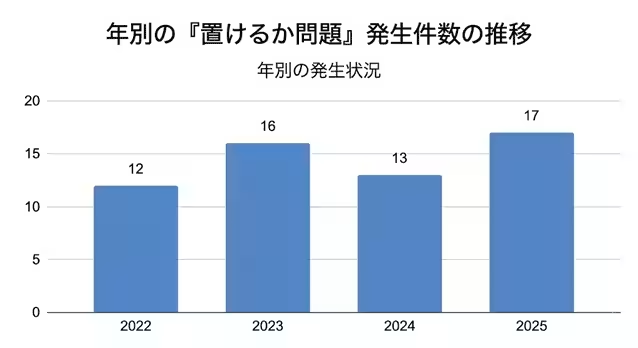
The study's results, analyzed annually, uncover that the hesitation to finalize installation choices is not a transient issue. Businesses across different sectors consistently face these barriers, indicating an ingrained challenge that requires proactive strategies rather than reactive solutions. The propensity for companies to prioritize comparisons of speed, functionality, and cost over logistical planning often leads to delayed decisions.
Importance of Addressing Spatial Needs
Typically, when businesses begin evaluating MFPs, they focus first on capabilities and pricing; however, when they advance without understanding their physical limitations, they often find themselves scrambling later during internal approvals. Small and medium-sized enterprises (SMEs), in particular, navigate various constraints, such as office relocations and modifications in layouts, which significantly influence their purchasing decisions. Establishing the physical prerequisites is critical to ensuring a smooth procurement process.
Insights from Bellitechnos
Kazuhiko Chijiba, Sales Director at Bellitechnos, provided commentary on these findings, stressing, “When evaluating multifunction printers, it’s easy to get caught up in the price and functionalities, but if factors like space and access remain unclear, decisions can stall at the final stages. Our data aims to visualize the factors that hinder decision-making and minimize setbacks caused by an exhaustive focus on capabilities without proper due diligence. It’s essential to first confirm the conditions for installation before selecting the right equipment.”
The importance of addressing these logistical challenges before delving into product features cannot be understated. Focusing on whether there is a suitable place to install the MFP aligns organizations with practical solutions that meet their operational needs efficiently.
For readers interested in a deeper dive into this comprehensive analysis, you can access the full report, which contains detailed graphs and further explanations, through this link.
In conclusion, businesses looking to implement multifunction printers should prioritize clarity on installation conditions and measurement definitions before making their procurement decisions. This foresight can lead to not only smoother transitions but ultimately, more successful integrations of technology into their workflow, driving operational efficiency and supporting growth.
Topics Consumer Products & Retail)









【About Using Articles】
You can freely use the title and article content by linking to the page where the article is posted.
※ Images cannot be used.
【About Links】
Links are free to use.