


New Perspectives on Healthy Japanese Diets: Beyond Just Tradition
New Perspectives on Healthy Japanese Diets: Beyond Just Tradition
Recent research conducted by Meiji Co., in collaboration with the International University of Health and Welfare and Ajinomoto Co., has revealed new insights into healthy eating patterns among the Japanese. The study emphasizes that a healthy diet is not solely defined by traditional Japanese cuisine, but rather by the combination of various foods, including dairy, fruits, and coffee. This study, part of the 'Food, Nutrition, and Health' collaborative program, systematically evaluated the relationship between dietary patterns and disease risk among the Japanese population.
Key Findings
The research presents three innovative perspectives on healthy eating for Japanese individuals:
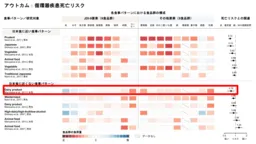
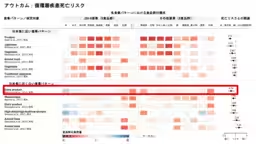
1. Traditional Foods for Modern Lifestyles: This includes incorporating fish, soy products, and vegetables into daily meals, reflecting the values of traditional diets that are still applicable today.
2. Traditional Foods to Approach with Caution: Foods such as pickles, which are high in salt, should be consumed with care.
3. Foods Integrated into Modern Diets: This pertains to the inclusion of dairy, fruits, and coffee in everyday meals, which have been linked to lower disease and mortality risks.
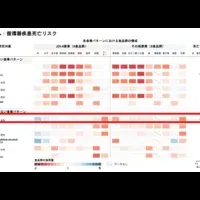
The findings indicate that individuals who included more elements typical of a traditional Japanese diet had a 12% lower overall mortality risk and an 18% lower risk of dying from cardiovascular disease compared to those who consumed fewer traditional foods. Notably, even diets that do not fall under the traditional Japanese classification, when rich in dairy, fruits, and coffee, were associated with lower disease and mortality risks.
Importance of Food Combinations
This research highlights that thinking about a healthy diet as simply identifying whether foods are traditional is too simplistic. Instead, how various foods are combined is crucial to achieving better health outcomes. Thus, embracing a flexible approach that respects traditional practices while incorporating modern nutritional elements is fundamental.
In the context of Japan's aging society, this research is particularly relevant. It suggests a shift toward understanding dietary health more holistically, focusing on the daily mix of foods rather than isolating single food categories or nutrients. This insight will guide future health promotions and dietary recommendations based on solid scientific evidence.
Implications of the Findings
The results encourage ongoing industry-academia partnerships to study food practices that respect traditions while accommodating contemporary lifestyles. Future discussions about healthy diets should incorporate diverse combinations of foods rather than adhering strictly to traditional norms. The findings were published in the international academic journal _Advances in Nutrition_ on October 15, 2026, providing a significant contribution to nutritional science.
Research Goals and Methods
This study aimed to systematically consolidate various observational studies focusing on the relationship between Japanese dietary patterns and disease risks. Using data from 37 observational studies involving over 166,580 individuals, the research analyzed:
- - The correlation between a Japanese diet score and mortality risk, integrating results from three major studies.
- - The relationship between various dietary patterns and cardiovascular disease mortality derived from 9 additional studies.
- - Various health indicators related to 25 different studies related to blood pressure, cancer, cognitive function, and more.
The meta-analysis showed that individuals with higher Japanese diet scores had significantly lower risks of both overall and cardiovascular mortality. This research emphasizes the essential idea that food combinations can profoundly affect health outcomes, indicating that flexibility in dietary choices is vital for promoting long-term health.
Conclusion
While this research does not establish causal relationships or specific intake recommendations, it sheds light on the complex relationship between diet and health that requires further exploration. Moving forward, a deeper investigation into the optimal combinations and quantities of foods for various health outcomes will be crucial in promoting the health of the Japanese population.
Thus, the study lays the groundwork for future discussions on nutritional practices that can reconcile traditional dietary wisdom with modern lifestyles, aiming for a lasting impact on public health strategies.
Topics Health)


【About Using Articles】
You can freely use the title and article content by linking to the page where the article is posted.
※ Images cannot be used.
【About Links】
Links are free to use.